
Professional hairstyles for men can be a simple way to create a polished and confident appearance. A professional hairstyle does not have to be boring or overly traditional. Today, men have many options that can look neat in an office while still allowing some personal style. Choosing the right professional hairstyles men can be a simple way to create a polished and confident appearance. A professional hairstyle does not have to be boring or overly traditional. Today, men have many options that can look neat in an office while still allowing some personal style.
The best professional hairstyle usually depends on several factors, including hair length, texture, face shape, workplace environment, and how much time you want to spend styling your hair. A conservative corporate workplace may favor shorter and more structured cuts, while a creative workplace may allow longer hair, textured styles, or modern fades.
A good professional haircut should also be practical. If you have a busy schedule, you may prefer a style that looks good with minimal daily styling. Someone who enjoys spending time on grooming might choose a more detailed haircut that requires regular trimming and styling products.
Classic cuts such as the side part, crew cut, Ivy League, and slick back remain popular because they are versatile and easy to adapt. Modern options such as textured crops, low fades, taper fades, and neatly styled longer hair can also create a professional appearance when maintained properly.
This guide explores different professional hairstyles men can consider, from short and low-maintenance cuts to modern office-friendly styles. It also explains how to choose a haircut, communicate with your barber, maintain the style, and adapt your hairstyle to different professional settings.
What Makes a Hairstyle Look Professional? 💼

A professional hairstyle generally looks intentional, clean, and well-maintained. The exact style can vary depending on the workplace, but neatness is usually more important than following one specific haircut.
Hair that is regularly trimmed and styled appropriately can create a polished appearance. Clean edges around the neckline and sides can also make a haircut look more finished.
Workplace Environment
Your workplace should influence your choice. Traditional offices may favor conservative hairstyles, while modern workplaces may offer more freedom.
Consider how formal your workplace is before choosing a dramatic change.
Maintenance
A hairstyle that requires constant styling may not be practical if you have a busy morning routine. Low-maintenance cuts can still look professional when they are regularly maintained.
Classic Professional Hairstyles for Men ✂️
Classic hairstyles continue to work well because they can be adapted to different hair types and professional environments.
Side Part
The side part is one of the most recognizable professional hairstyles. Hair is parted to one side and styled neatly, creating a structured appearance.
It can be worn with shorter sides and a little more length on top. The amount of styling can be adjusted depending on how formal you want the look to be.
Ivy League
The Ivy League is a refined variation of the crew cut. It usually leaves enough length on top to allow the hair to be styled to one side.
It can work particularly well for someone who wants a short haircut without making the hair completely uniform.
Crew Cut
A crew cut keeps the hair relatively short and easy to maintain. Its simple structure makes it a practical choice for many professional settings.
The length can be adjusted according to your preference, allowing you to create either a very conservative or slightly more modern appearance.
Buzz Cut
A buzz cut is one of the simplest hairstyles to maintain. The hair is kept short and relatively uniform.
Because there is little styling involved, it can be convenient for men who prefer a straightforward grooming routine.
Modern Professional Hairstyles ✨
Professional hairstyles do not have to be limited to traditional cuts. Modern variations can provide more texture and personality while remaining appropriate for many workplaces.
Taper Fade
A taper gradually reduces the hair around the sides and back without necessarily creating an extremely short fade.
It can make a haircut look clean while leaving enough flexibility on top for different styles.
Low Fade
A low fade starts closer to the lower part of the sides and back. When combined with a neatly styled top, it can create a contemporary professional appearance.
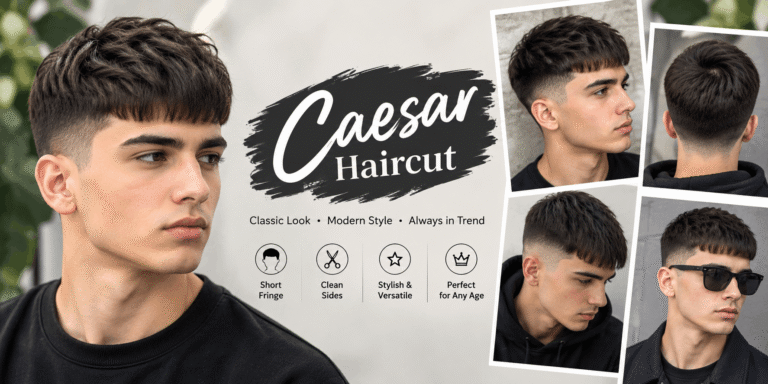
Textured Crop
A textured crop uses shorter hair with visible texture on top. It can be styled with a small amount of suitable product for a controlled but natural-looking finish.
Classic Taper
A classic taper is a versatile option that gradually shortens the hair around the sides and neckline.
It can work with a side part, brushed-back hair, or a simple textured style.
Professional Hairstyles for Long Hair 💇
Men with longer hair can still create professional hairstyles. The key is keeping the hair clean, controlled, and appropriately styled for the environment.
A neat medium-length style can be brushed back or parted naturally. A low ponytail or bun may also be appropriate in workplaces where longer hairstyles are accepted.
Regular trims can help keep longer hair looking intentional rather than unmaintained.
Professional Hairstyles for Curly Hair 🌀
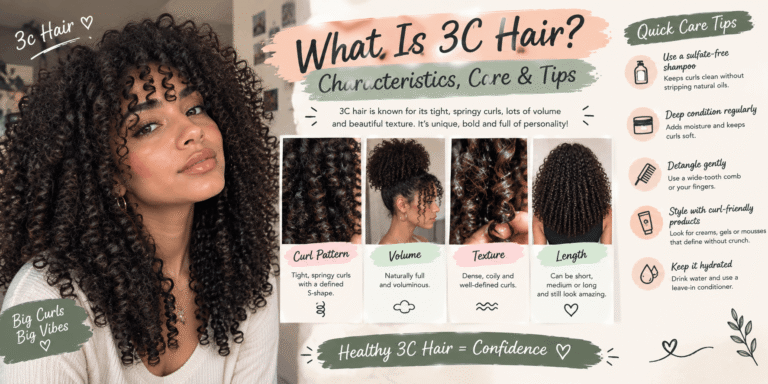
Curly hair can look professional without removing its natural texture. A controlled curly top with shorter sides can create a neat appearance while allowing the natural pattern of the hair to remain visible.
A professional barber can help determine a length and shape that works with your curls.
Avoid choosing a style solely because it looks good on straight hair. Curly hair often requires different shaping and maintenance.
Professional Hairstyles for Thick Hair 🧔
Thick hair offers many styling possibilities. A taper with a controlled top can help create structure without requiring the hair to be extremely short.
A side part, textured crop, or brushed-back style can work well with thicker hair.
Ask your barber whether some weight should be removed from the hair to make daily styling easier.
Professional Hairstyles for Thin Hair 🎯
For thinner hair, a shorter and textured haircut can often create a neat appearance without requiring excessive styling.
A crew cut, Ivy League, or short textured style can be practical options.
Rather than trying to make hair appear dramatically different, focus on choosing a haircut that works naturally with your current hair pattern.
How to Choose the Right Professional Hairstyle 🧑💼
When choosing among professional hairstyles men, think about your workplace, daily routine, hair type, and personal preferences.
Bring a reference picture to your barber if you have a specific style in mind. However, remember that the exact result can vary depending on your hair’s texture, density, growth pattern, and natural shape.
Tell your barber how much time you want to spend styling your hair each morning. This information can help them recommend a practical cut.
Professional Hairstyles for Men With Different Face Shapes 👨
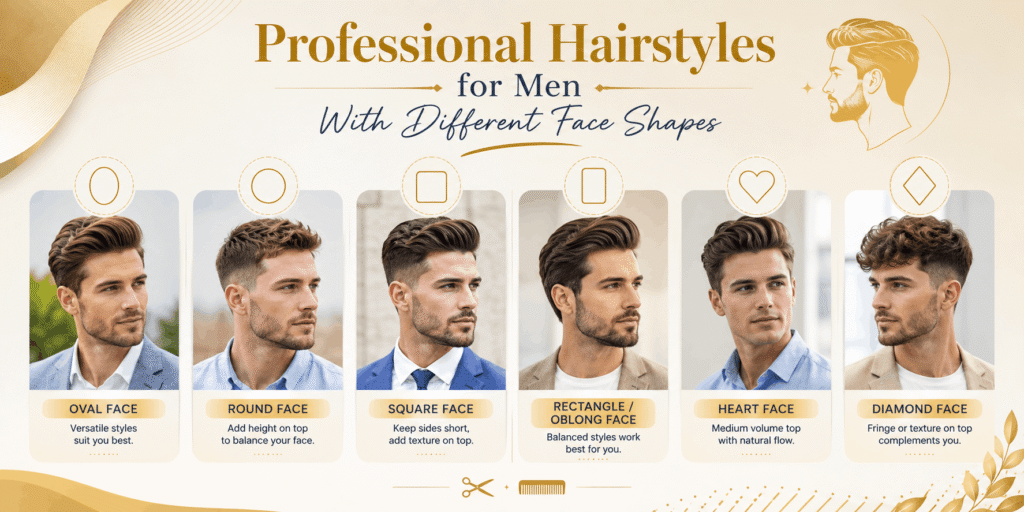
Face shape can be one factor to consider when choosing a professional haircut, although it should not be treated as a strict rule. Hair texture, natural growth pattern, lifestyle, and personal preference are equally important.
Oval Face Shape
An oval face shape can work with many different hairstyles. A side part, crew cut, textured crop, taper, or neatly styled medium-length haircut can all be options.
The main goal is usually to choose a style that feels balanced rather than hiding the natural shape of the face.
Round Face Shape
If you have a rounder face shape, a hairstyle with some height or structure on top can create a different visual balance. A tapered haircut with slightly more length on top may work well.
Avoid choosing a style simply because it is considered suitable for a particular face shape. Your barber can adjust the proportions based on your individual features.
Square Face Shape
Square face shapes can pair well with structured cuts such as crew cuts, side parts, classic tapers, and textured styles.
A clean haircut can complement the naturally defined appearance of a square jaw.
Oblong Face Shape
For a longer face shape, hairstyles with moderate volume and balanced proportions can work well. A side part or textured medium-length style may be worth considering.
Extremely high volume on top is not always necessary, especially if you prefer a more understated professional look.
Professional Hairstyles With Beards 🧔
A professional hairstyle can also be paired with facial hair. The key is maintaining a coordinated and well-groomed appearance.
A taper or classic side part can work with a neatly maintained beard. Shorter hairstyles can also create a balanced appearance when combined with facial hair.
Matching Hair and Beard
Your haircut and beard do not need to be identical in length. However, keeping both maintained can make the overall appearance look more intentional.
Clean lines and regular trimming can help create a polished result.
Low-Maintenance Professional Hairstyles ✂️
If you do not want to spend much time styling your hair, choose a haircut that works naturally with your hair texture.
A crew cut, buzz cut, classic taper, or short textured crop can reduce the amount of daily styling required.
Why Maintenance Matters
A haircut can look excellent immediately after leaving the barbershop but become difficult to manage if it requires daily work you do not have time for.
Tell your barber that you want a low-maintenance style. They can suggest a cut that works with your normal routine.
Professional Hairstyles for Office Settings 💼
A traditional office may call for a more conservative haircut, particularly if you regularly meet clients or attend formal meetings.
Side parts, Ivy League cuts, classic tapers, short textured styles, and neatly styled medium-length hair can all be adaptable options.
Your hairstyle does not have to be extremely short to look professional. Good grooming and appropriate styling can make a significant difference.
Professional Hairstyles for Creative Workplaces 🎨
Creative workplaces may allow more freedom with hairstyles. Depending on the environment, you might be able to experiment with longer hair, textured cuts, modern fades, or subtle color.
Even in a relaxed workplace, maintaining your hairstyle can help it look intentional rather than neglected.
If you are unsure about workplace expectations, observe how colleagues and managers typically present themselves before making a major change.
How Often Should You Get a Professional Haircut? 📅
There is no universal schedule because hair grows at different rates and different hairstyles require different levels of maintenance.
Short fades and highly structured cuts may need more frequent visits to keep their shape. Medium-length hairstyles can often go longer between appointments.
Instead of following a fixed schedule, consider how the haircut looks and whether the shape is becoming difficult to maintain.
Keeping the Hairline Neat
The neckline and area around the ears can make a noticeable difference to the overall appearance of a haircut.
Regular maintenance can help keep these areas looking tidy between full haircuts.
Hair Products for Professional Hairstyles 🧴
The right styling product depends on your hair type and the finish you want.
A light styling cream can provide some control while maintaining a natural appearance. Pomade can provide more definition and shine, while matte clay or paste can create a less glossy finish.
Do not use more product than necessary. Start with a small amount and add more only if needed.
Choosing the Right Finish
A glossy finish can work well for classic styles such as a slick back or formal side part.
A matte finish can be useful for textured crops and contemporary styles where you want the hair to look more natural.
How to Explain Your Haircut to a Barber 💈
Clear communication can make it much easier to get the haircut you want.
Instead of saying only “I want a professional haircut,” explain the length you want on the sides and top, whether you prefer a fade or taper, and how you normally style your hair.
Showing a reference photograph can also help.
Tell Your Barber About Your Routine
Let your barber know whether you style your hair every morning or prefer to wash it and go.
This information can help them recommend a cut that fits your lifestyle.
Mention Your Workplace
If your job has a formal dress code or conservative appearance expectations, tell your barber. They can help adapt a modern haircut into a more workplace-friendly version.
Common Mistakes With Professional Hairstyles ⚠️
One mistake is choosing a hairstyle based only on a photograph without considering your own hair texture and density.
Another is asking for a haircut that requires much more maintenance than you are willing to provide.
Overusing styling products can also make the hair appear heavy or overly greasy. Start with a small amount and build gradually.
Finally, waiting too long between appointments can cause a structured haircut to lose its intended shape.
Final Thoughts
Choosing among professional hairstyles men does not mean limiting yourself to one traditional haircut. There are many polished options, from classic side parts and Ivy League cuts to modern tapers, low fades, textured crops, and carefully maintained longer styles.
The ideal hairstyle should fit your workplace while also working with your natural hair and daily routine. If you rarely have time to style your hair, a low-maintenance cut may be a better choice than a complicated style. If you enjoy grooming, you may have more flexibility to experiment with texture and length.
Your barber can also help you find the right balance. Bring reference photos, explain your preferred length, mention your workplace requirements, and tell them how much time you want to spend styling your hair.
Ultimately, a professional hairstyle is less about following a strict trend and more about keeping your hair clean, maintained, comfortable, and appropriate for your environment. With the right cut and a simple grooming routine, you can create a polished look without making your hairstyle unnecessarily complicated.
7 Comments