A textured fringe can instantly make a haircut look more modern by adding movement, separation, and a deliberately relaxed finish. Unlike a completely straight or blunt fringe, this style uses texture to give the front more dimension and personality.
From messy crops and low tapers to curly fringes, mullets, undercuts, and modern Caesar cuts, there is a textured fringe for almost every hair type and personal style. The trick is choosing a version that works with your natural texture and the shape of your haircut.
35 Textured Fringe Styles Worth Trying
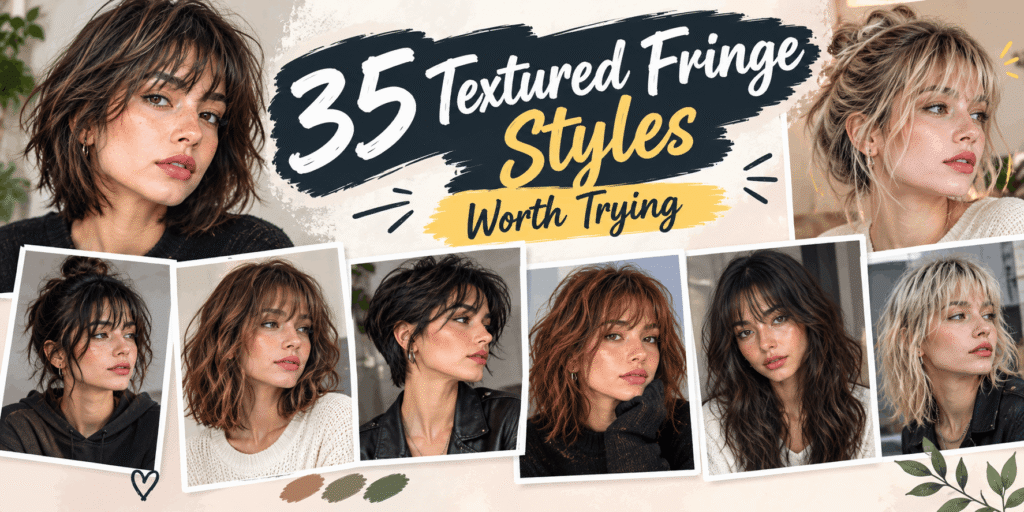
The textured fringe trend has become especially versatile because it can be adapted to short, medium, straight, wavy, or curly hair. Some versions look clean and controlled, while others are intentionally messy and casual.
Instead of making every fringe look identical, modern cuts use different fades, tapers, layers, and lengths to create completely different results. Here are some of the standout styles to consider.
1. Classic Textured Fringe
The classic textured fringe keeps the hair relatively short while adding separated pieces through the front. The result is simple, versatile, and easy to adapt to different hair textures.
It works particularly well when you want a modern haircut without an extremely dramatic fade or complicated shape.
2. Messy Textured Fringe
A messy version adds more movement and an intentionally undone finish. The fringe is usually separated into uneven pieces rather than sitting as one solid line across the forehead.
This makes the haircut feel relaxed and youthful while still looking deliberately styled.
3. Wavy Textured Fringe With a Fade
Natural waves can give a textured fringe plenty of movement without requiring an overly complicated finish. Adding a fade around the sides creates contrast between the fuller top and cleaner sides.
The natural wave pattern becomes the main feature, while the fade keeps the overall haircut sharp.
4. Textured Fringe With a Low Taper
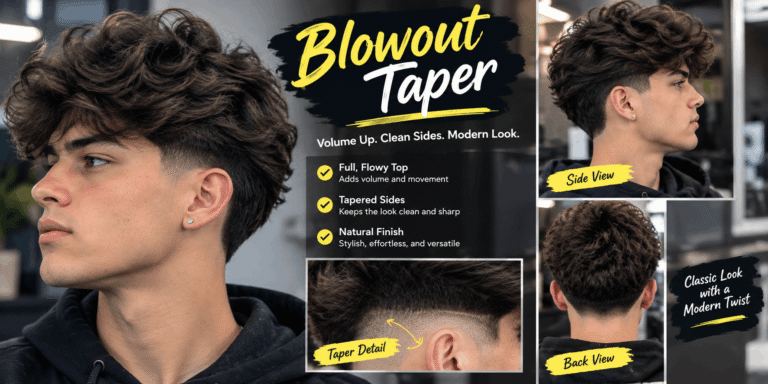
A low taper is a subtle way to clean up the sides while allowing the fringe and top to remain the focus. It creates a softer transition than some higher fades.
This combination is a strong choice if you want a contemporary haircut that still feels relatively understated.
5. Burst Fade Textured Fringe
A burst fade creates a curved fade around the ear while leaving more length elsewhere. Combined with a textured fringe, it gives the haircut a distinctive shape.
The contrast between the textured front and the curved fade can make the hairstyle look more dynamic from different angles.
6. Low Fade Textured Fringe
A low fade keeps the sides clean without taking too much attention away from the top. The textured fringe then becomes the main visual feature.
This version can work with straight or slightly wavy hair and can be styled either neatly or with a messier finish.
7. Mid Fade Textured Fringe
A mid fade creates more contrast than a low fade by beginning the transition higher on the sides. Keeping extra texture through the top prevents the haircut from looking too uniform.
It is a useful middle ground between a subtle taper and a more dramatic fade.
8. Textured Fringe With an Undercut
An undercut creates a strong difference between the longer top and shorter sides. Adding texture to the fringe makes the contrast even more noticeable.
This version suits people who want their haircut to have a stronger, more defined silhouette.
9. Long Textured Fringe
A longer fringe gives you more styling flexibility. Instead of sitting tightly against the forehead, the front can be pushed forward, swept slightly to one side, or allowed to fall naturally.
The added length can also make the texture more visible, particularly when the hair has natural movement.
10. Side-Swept Textured Fringe
A side-swept fringe combines the relaxed texture of a modern crop with a slightly more polished direction. The front is moved toward one side rather than falling straight down.
This can soften the appearance of a very uniform fringe while creating a more flexible everyday style.
11. Spiky Layered Fringe
Short layers through the fringe create separated, slightly spiky pieces. Rather than forming one smooth line, the front has a deliberately broken-up appearance.
The style works particularly well when you want visible texture without keeping a lot of length on top.
12. Fringe With a Beard Fade
A textured fringe can be paired with a neatly maintained beard for a more complete look. The haircut remains the focal point while the facial hair creates another layer of definition.
Keeping the transition between the haircut and beard visually clean can make the overall appearance feel more coordinated.
13. Waves With a Voluminous Top
For naturally wavy hair, allowing extra volume through the top can create a fuller textured fringe. The waves add movement naturally, while the fringe gives the front a recognizable shape.
This is a good example of working with natural texture instead of trying to make the hair completely uniform.
14. Cropped Fringe With a Skin Fade
A cropped fringe creates a short, defined front while the skin fade produces strong contrast around the sides. The result is sharp and contemporary.
Because the fringe is kept relatively short, the texture is often created through separated sections rather than length.
15. Mullet With a Fringe
Combining a fringe with a mullet creates an interesting contrast between the shorter front and longer back. Adding texture keeps the transition from looking overly rigid.
The result can range from subtle and wearable to much more alternative depending on the length and styling of the back.
16. Side-Swept Fringe With a Taper
A taper paired with a side-swept fringe gives the haircut a cleaner overall appearance. The fringe provides movement, while the tapered sides keep the silhouette controlled.
It can work particularly well for someone who wants texture without an extremely bold fade.
17. Messy Fringe With a Taper
The messy fringe brings casual texture to the front, while the taper adds a cleaner finish around the sides and neckline.
This balance makes the style versatile because the top can look relaxed while the rest of the haircut remains neat.
18. Messy Fringe With a Mid Fade
A mid fade adds stronger contrast to the messy top. The combination creates a modern street-style appearance without requiring the fringe to be perfectly shaped.
The uneven texture is part of the appeal, making the haircut feel more effortless.
19. Clean Cut With a Fringe
Not every textured fringe needs to look messy. A cleaner version can use controlled layers and subtle separation to create texture while maintaining a polished appearance.
This makes it easier to adapt the trend to settings where a very messy haircut may not feel appropriate.
20. Layered Shaggy Fringe
A shaggy fringe uses multiple layers to create movement throughout the front and top. The deliberately relaxed shape gives the haircut a slightly undone character.
It can be especially interesting on naturally wavy hair, where the layers can emphasize the existing movement.
21. Sharp Caesar With Blunt Fringe
A Caesar-inspired cut uses a shorter, more defined fringe across the forehead. Adding subtle texture to the surrounding hair can modernize the classic shape.
The blunt front creates a stronger visual line than many softer textured-fringe styles, making it a good option for someone who prefers a more structured appearance.
22. French Cropped Style
The French crop and textured fringe work naturally together because the haircut already focuses attention on the front. Texture can make the fringe appear more separated and less flat.
A fade or taper around the sides can then determine how sharp or relaxed the finished haircut feels.
23. Straight Fringe With a Modern Fade
Straight hair can showcase the exact shape of a textured fringe particularly well. A modern fade around the sides creates contrast while keeping the front visually prominent.
The texture does not need to be extreme; even small separated sections can prevent the fringe from appearing completely flat.
24. Modern Caesar With Taper Fade
A modern Caesar with a taper combines a recognizable short fringe with a softer transition around the sides. The textured top gives the classic haircut a more contemporary finish.
It is a practical option for anyone who likes short hairstyles but still wants some movement and definition.
25. Disconnected Undercut With Textured Fringe
A disconnected undercut creates a noticeable break between the longer top and shorter sides. The textured fringe adds even more emphasis to the top section.
This combination has a stronger fashion-forward appearance and works best when the contrast between the two sections is intentional.
Choosing the Right Textured Fringe
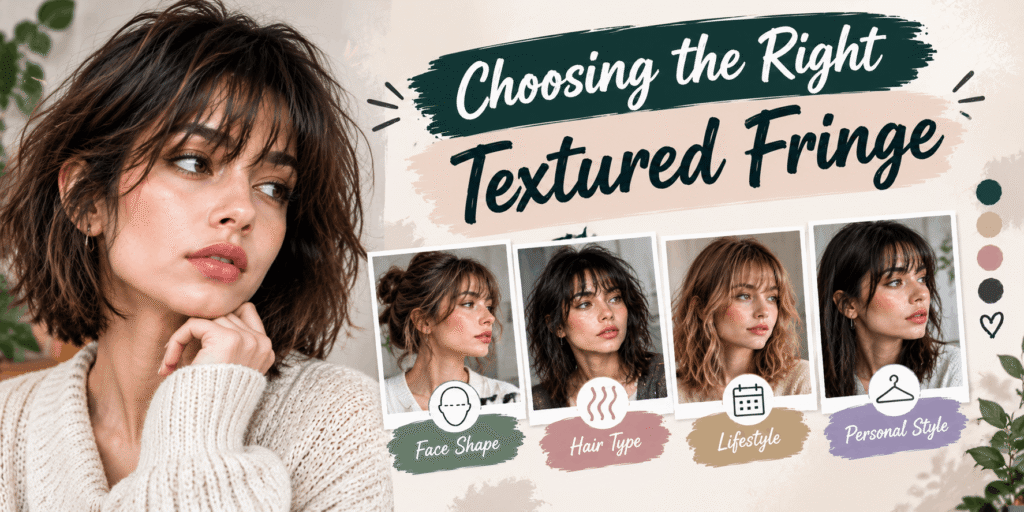
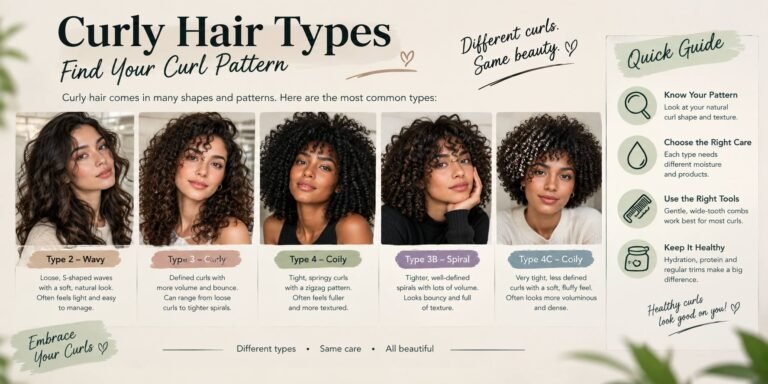
Before choosing a specific style, think about your natural hair texture, how much length you want to keep, and how much styling you realistically want to do. Straight hair can showcase separated fringe pieces clearly, while wavy and curly hair can create texture naturally.
The sides also matter. A taper gives a softer transition, while fades create progressively stronger contrast. An undercut produces an even more noticeable difference between the top and sides.
Your barber can also adjust the fringe length and layering to suit the overall haircut. Bringing a reference photo can make it easier to communicate the type of texture, length, and side treatment you have in mind.
More Textured Fringe Haircuts to Try
The textured fringe becomes even more versatile when you change the fade, length, or natural texture of the hair. These next styles range from sharp and structured to relaxed and messy, making it easier to find an option that fits your personal style.
26. Skin Fade With Textured Fringe
A skin fade creates a strong contrast between the sides and the textured hair on top. Keeping the fringe slightly uneven gives the haircut a modern finish instead of making it look overly precise.
27. Undercut With Curly Textured Fringe
Curly hair can give a textured fringe plenty of natural movement. An undercut keeps the sides noticeably shorter while allowing the curls at the front to become the main feature.
28. Undercut With Long Textured Fringe
A longer fringe creates more styling flexibility. You can leave it forward for a relaxed appearance or move sections slightly to the side for a different shape.
29. Undercut With Short Textured Fringe
A short fringe feels cleaner and more structured. Combined with an undercut, it creates a noticeable contrast between the top and sides.
30. Textured Fringe With a High Fade
A high fade places most of the visual attention on the top of the haircut. The textured fringe can then be styled forward with separated pieces for a sharp, contemporary look.
31. Curly Textured Fringe Mullet
The combination of curls, fringe, and a mullet creates a distinctive haircut with plenty of personality. Natural curls help make the fringe look fuller and more dimensional.
32. Curly Fringe With a Fade
A fade can give curly fringe a cleaner outline while leaving enough length on top to show the natural texture. This works especially well when the curls are allowed to keep their natural shape.
33. Shattered Fringe
A shattered fringe uses separated, irregular pieces rather than one solid line across the forehead. The result feels intentionally messy and works well with layered cuts.
34. Lived-In Fringe
The lived-in fringe has a relaxed appearance that does not look overly styled. Slight separation and natural movement make it a good choice for someone who prefers an effortless finish.
35. Modern Birkin Fringe
A modern Birkin-inspired fringe combines longer, softer pieces with a textured finish. It can create a more fashion-forward appearance while still keeping the haircut wearable.
How to Style a Textured Fringe
The best textured fringe styles usually depend on movement rather than making every strand look perfectly controlled. Start with hair that is slightly damp, then use a lightweight styling product that suits the texture and finish you want.
Build Texture Without Making It Stiff
Work a small amount of styling product through the top and fringe, concentrating on creating separation. Avoid using too much product at once because excessive product can make the hair look heavy or flat.
For a messier finish, use your fingers to separate individual sections. For a cleaner appearance, gently direct the fringe into place while keeping some texture visible.
Keep the Fringe Natural-Looking
One of the biggest advantages of a textured fringe is that it does not need to look perfectly symmetrical. Small variations in length and direction can actually make the haircut look more modern.
If your hair already has waves or curls, work with that natural movement rather than trying to completely straighten it into a rigid shape.
Hair Products That Work Well With Textured Fringe
Different products create different finishes, so you do not need to use several products at once. Choose one based on whether you want volume, separation, softness, or stronger hold.
Sea Salt Spray
Sea salt spray can add texture and make naturally straight or wavy hair look more separated. It can be useful when you want a relaxed, beachy finish.
Hair Clay
Hair clay generally provides more control and a matte appearance. It can help define individual pieces of a textured fringe without making the finish look overly glossy.
Styling Cream
A lightweight styling cream can be useful when you want softer movement and less structure. It is particularly suitable for a natural-looking fringe.
Texture Powder
Texture powder can add grip and volume at the roots. A small amount can help prevent the fringe from falling completely flat.
Volumizing Mousse
Mousse can be useful for creating body before the final styling step. It works particularly well when the top needs additional lift.
How to Choose the Right Textured Fringe
The most important factors are your hair texture, desired length, and the amount of styling you are comfortable doing each morning.
Consider Your Hair Texture
Straight hair can show the individual layers and separated pieces clearly, while wavy and curly hair can create natural movement without requiring as much styling.
Think About the Sides
A low taper creates a softer transition, while a mid or high fade creates more contrast. An undercut produces an even stronger separation between the top and sides.
Decide How Much Fringe You Want
A short fringe gives a sharper appearance, while a longer fringe offers more ways to change the direction and shape. If you like experimenting with your hairstyle, keeping some additional length can provide more flexibility.
Final Thoughts
A textured fringe can completely change the character of a haircut without requiring an extremely complicated style. From a classic textured fringe and low taper to curly fringes, mullets, undercuts, and high fades, there are plenty of ways to personalize the look.
The key is choosing a combination that works with your natural hair texture and the amount of styling you want to do. A shorter fringe can create a sharper finish, while a longer version gives you more movement and flexibility.
When choosing your next haircut, focus on the overall shape rather than copying every detail of a reference photo. Your barber can adjust the length, fade, layers, and texture to create a version that works naturally with your hair.
2 Comments