Imagine waking up, looking in the mirror, and finding your eyebrows already shaped, filled, and beautifully defined without reaching for a pencil or brow gel. No rushing to fill empty spaces, no worrying about uneven arches, and no spending several minutes trying to make both eyebrows look like sisters. This is exactly why powder brows have become such an interesting beauty treatment.
Unlike traditional eyebrow makeup, which disappears when you wash your face, powder brows are a semi-permanent cosmetic technique designed to give eyebrows a soft, shaded appearance. The result resembles the effect of carefully applied brow powder rather than individual hair strokes drawn onto the skin.
But there is something more interesting about this treatment: powder brows are not simply about making eyebrows darker. Their real appeal lies in how the artist can customize the shape, color intensity, and shading to complement someone’s facial features.
Some people want barely noticeable definition, while others prefer a more structured, makeup-inspired appearance. Powder brows can accommodate both preferences when performed by a skilled professional.
However, before booking an appointment, there are several things worth understanding. From the healing process and color changes to skin suitability and long-term maintenance, knowing what happens beneath the surface can help you decide whether this brow technique is right for you.
What Are Powder Brows and Why Are They Different?
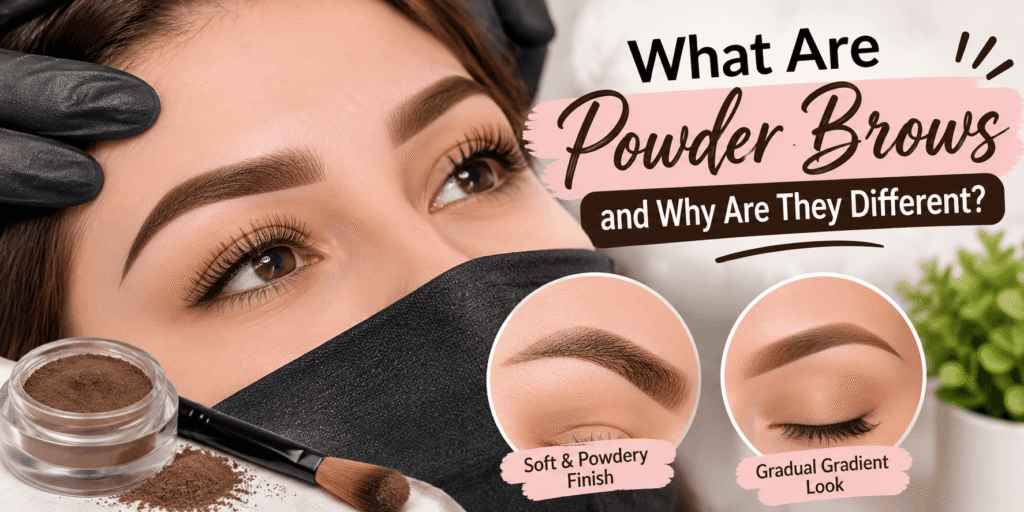
Powder brows are a semi-permanent eyebrow enhancement technique that uses a specialized cosmetic tattoo machine to deposit tiny amounts of pigment into the skin.
The artist creates a soft, pixel-like shading effect throughout the eyebrow area. These tiny pigment impressions blend together to produce the appearance of brows filled with powder makeup.
Unlike traditional eyebrow tattooing, which often creates a solid and heavily defined shape, modern powder brows are generally designed to look softer and more dimensional.
The treatment is also different from microblading. Microblading focuses on creating hair-like strokes using a manual blade, whereas powder brows use a machine to create a shaded effect.
The finished appearance can range from an extremely subtle tint to a more defined makeup-style brow.
One fascinating detail is that the result is not determined by pigment alone. The artist must consider the natural brow shape, facial proportions, skin characteristics, and the way the pigment is distributed.
For example, someone with naturally thick eyebrows might only need subtle shading to fill small gaps. Someone with sparse eyebrows may prefer a more complete appearance that creates the illusion of greater density.
The objective is not to give everyone identical eyebrows. It is to create a shape and color that work with the individual’s natural features.
How Powder Brows Actually Work During the Treatment
The process involves several stages, and each one contributes to the final appearance.
First, the brow artist examines the natural eyebrows and discusses the desired outcome. This consultation is important because it establishes expectations about shape, thickness, color, and overall intensity.
Next comes brow mapping. The artist measures and marks the eyebrow area to create a balanced outline. Facial proportions, the position of the eyes, and the natural brow structure all influence this stage.
Once the shape has been agreed upon, the artist prepares the skin and applies an appropriate topical anesthetic when suitable and permitted by the product instructions.
The actual procedure involves a cosmetic tattoo machine equipped with a fine needle. The artist carefully deposits pigment into the skin using controlled movements.
Rather than drawing individual hairs, the machine creates tiny shaded impressions. The density of these impressions determines how soft or defined the eyebrows appear.
The artist gradually builds the desired result, paying attention to the beginning, middle, and tail of each eyebrow.
The front portion is often kept softer to avoid an overly harsh appearance, while the arch and tail may receive more definition.
After the procedure, the eyebrows can initially look darker and more intense than expected. This is normal during the early healing period, although the final appearance varies between individuals.
A follow-up appointment is commonly scheduled after the initial healing period to assess pigment retention and determine whether any adjustments are needed.
7 Interesting Things That Make Powder Brows Different From Other Brow Techniques
Powder brows are popular for more reasons than simply creating fuller-looking eyebrows. Their application style offers several advantages that make them worth understanding.
1. They Create a Makeup-Inspired Finish
The most recognizable feature of powder brows is their soft, shaded appearance.
Imagine applying brow powder with a small angled brush and blending it carefully until the color looks even. Powder brows aim to recreate a similar effect, but with pigment placed into the skin.
This makes the technique particularly attractive to people who already enjoy filled-in eyebrows.
2. They Can Transform Uneven Brows
Naturally uneven eyebrows are extremely common.
One eyebrow may have a higher arch, while the other might have a thinner tail or noticeable gaps.
Powder brows can help create a more balanced appearance by adding shading where pigment is needed.
However, perfect symmetry is not always realistic because facial structures naturally differ from one side to the other.
3. They Offer Adjustable Color Intensity
Not everyone wants bold eyebrows.
Some clients prefer a delicate enhancement that looks almost invisible from a distance, while others want a more noticeable brow shape.
The artist can adjust pigment placement and shading intensity according to the agreed design.
This flexibility is one reason powder brows appeal to people with different makeup preferences.
4. They Can Work With Naturally Sparse Brows
People with thin eyebrows sometimes struggle to create an even appearance using traditional makeup.
Powder brows can add visual density by filling areas where natural brow hair is limited.
They do not create actual hair follicles or encourage new eyebrow growth. Instead, they provide a cosmetic illusion of fuller brows.
5. They Do Not Depend on Individual Hair Strokes
Microblading relies on creating the appearance of individual eyebrow hairs.
Powder brows use a different approach by building color through tiny shaded impressions.
This distinction can be particularly useful when someone prefers a filled-in appearance rather than a hair-stroke effect.
6. They Can Complement Different Makeup Styles
Powder brows are not restricted to dramatic makeup.
A soft application can complement minimal makeup, while a more defined result can work beautifully with glamorous or full-coverage looks.
The key is choosing a suitable shape and pigment intensity rather than automatically requesting the darkest possible brows.
7. They Reduce the Need for Daily Brow Filling
One of the biggest attractions is convenience.
People who regularly spend time filling gaps, correcting uneven arches, or shaping their eyebrows may appreciate having a semi-permanent enhancement.
Although occasional grooming may still be necessary, the treatment can reduce the amount of everyday brow makeup required.
Powder Brows vs. Microblading: Which Technique Gives Better Results?
This is probably one of the most important questions to consider before choosing an eyebrow treatment.
Both techniques enhance the appearance of eyebrows, but they create different visual effects.
Microblading uses a manual tool to create fine strokes that resemble natural eyebrow hairs. It is often chosen by people who want a textured appearance with visible individual strokes.
Powder brows use a machine to create a shaded effect. Instead of emphasizing individual hairs, they focus on creating the appearance of softly filled eyebrows.
The differences become easier to understand when comparing their main characteristics.
| Feature | Powder Brows | Microblading |
|---|---|---|
| Technique | Machine shading | Manual hair strokes |
| Appearance | Soft or defined makeup effect | Individual hair-like strokes |
| Texture | Pixelated shading | Stroke-based |
| Best for | Filled-in brow appearance | Hair-stroke appearance |
| Customization | Adjustable shading | Adjustable stroke patterns |
| Healing | Gradual pigment settling | Gradual pigment settling |
Neither technique is automatically better.
A person who loves natural-looking hair strokes may prefer microblading, while someone who regularly wears eyebrow powder may feel more comfortable with powder brows.
There is also a combination technique called combination brows, which uses both shading and hair strokes to create a mixed effect.
The most suitable choice depends on the desired appearance, skin characteristics, and the artist’s professional assessment.
What Happens to Powder Brows During the Healing Process?
The healing process is one of the most misunderstood parts of powder brows.
Many people expect their eyebrows to look perfectly finished immediately after the appointment. However, freshly treated brows go through several changes before the final color becomes visible.
Understanding these stages can prevent unnecessary worry.
Days 1–3: Darker and More Defined Brows
Immediately after the procedure, the eyebrows may appear darker, sharper, and more intense than the result you originally discussed.
Mild redness, tenderness, and slight swelling can occur.
This is because the skin has undergone a cosmetic tattooing procedure and needs time to recover.
Avoid judging the final color during this stage.
Days 4–7: Flaking and Uneven Appearance
As the skin begins healing, small flakes or scabs may develop.
The brows can temporarily look patchy, uneven, or lighter in certain areas.
This can be surprising, especially when someone expected the pigment to remain consistent.
Do not pick, scratch, or pull away the flakes. Allow the skin to heal naturally and follow the artist’s aftercare instructions.
Days 8–14: The Color May Look Too Light
After the initial flaking stage, the eyebrows may appear significantly lighter than they did immediately after treatment.
Some people refer to this as the disappearing phase.
The pigment is not necessarily gone. The healing skin can temporarily affect how the color appears.
Avoid attempting to correct the result prematurely.
Weeks 3–6: The Color Gradually Returns
As the skin continues recovering, the pigment may become more visible and the overall appearance can become more balanced.
The final result takes time to settle.
A touch-up appointment may be recommended after the appropriate healing period to address areas where pigment retention is uneven.
Healing timelines vary, so the artist’s instructions should take priority over general timelines.
Who Is a Good Candidate for Powder Brows?
Powder brows can suit many people, but the treatment is not ideal for everyone.
Understanding your skin characteristics and expectations is important before making a decision.
People With Thin or Sparse Eyebrows: Those who struggle with gaps or naturally light eyebrows may appreciate the additional definition.
People Who Regularly Wear Brow Makeup: If you enjoy a filled-in eyebrow appearance, powder brows can create a similar cosmetic effect without daily application.
People With Uneven Brow Shapes: The technique can help create a more balanced appearance by adding shading to areas that need visual definition.
People Who Prefer Defined Arches: Those who like structured eyebrows may enjoy the customizable shape and intensity.
People Looking for a Semi-Permanent Alternative: Anyone who wants to reduce their daily brow routine may find the treatment appealing.
However, certain circumstances require additional caution.
People with active skin infections, inflammation, or irritation around the eyebrow area should postpone treatment until the skin has recovered.
Those with a history of abnormal scarring, pigment allergies, or certain medical conditions should consult an appropriate healthcare professional before undergoing cosmetic tattooing.
Pregnancy, breastfeeding, medications, and skin treatments may also affect eligibility or require postponement, depending on professional guidance and local regulations.
A reputable artist should conduct a proper consultation rather than treating every client as an automatic candidate.
How to Choose the Right Powder Brow Shape and Color
The shape and color can completely change the way powder brows look.
A beautiful technique can still produce disappointing results if the design does not complement the face.
Understanding Your Natural Brow Shape
Before selecting a new shape, examine your natural eyebrows.
Notice where the brows naturally begin, where the arch sits, and how the tails extend toward the temples.
A good artist works with these natural features rather than forcing an entirely unrelated shape onto the face.
For example, a very high arch can create a dramatic appearance, while a softer arch may give the eyebrows a more relaxed look.
The thickness should also complement the overall facial proportions.
Choosing a Suitable Pigment Color
The pigment should harmonize with your natural eyebrow hair, skin undertone, and preferred makeup appearance.
Choosing a shade simply because it looks beautiful on someone else can lead to disappointing results.
A professional artist should assess how the pigment may heal and change over time.
Some pigments can gradually become lighter or shift in appearance depending on their composition, placement, individual skin characteristics, and environmental exposure.
It is important to understand that cosmetic tattoo pigment is not identical to ordinary eyebrow powder. Its long-term behavior depends on several factors.
Soft Fronts and Defined Tails
One detail that can make powder brows look more sophisticated is the transition between different sections of the eyebrow.
The beginning can be softly shaded, while the middle and tail receive more definition.
This avoids creating a completely solid-looking block of color.
A carefully designed gradient can make the eyebrows appear more balanced and polished.
Powder Brows Aftercare: What You Should and Should Not Do
Aftercare plays an important role in healing and pigment retention.
Even a beautifully performed procedure can experience complications if the skin is not cared for properly.
The exact instructions may differ depending on the artist, products, and technique, so always follow the personalized aftercare plan.
Some general precautions include:
- Keep the treated area clean according to your artist’s instructions.
- Avoid scratching, picking, or peeling the healing skin.
- Do not apply unapproved skincare products directly to the treated area.
- Avoid unnecessary friction around the eyebrows.
- Protect the healing area from excessive sun exposure.
- Avoid swimming pools, saunas, and activities that may interfere with healing when advised.
- Do not apply makeup directly over the treated skin until it has sufficiently healed.
- Attend your recommended follow-up appointment.
It is also important to understand that aftercare does not mean applying as many products as possible.
Using excessive ointments, strong exfoliants, acids, or active skincare ingredients can irritate healing skin.
If you notice increasing pain, spreading redness, warmth, pus, fever, or other signs of infection, seek medical attention rather than assuming it is normal healing.
How Long Do Powder Brows Last?
Powder brows are semi-permanent, not permanent.
The pigment gradually becomes less noticeable as the skin naturally renews itself and the cosmetic tattoo fades over time.
Many people experience results lasting approximately one to three years, although this is only a general estimate.
Several factors influence longevity.
- Skin Type: Individual skin characteristics can affect how pigment settles and fades.
- Sun Exposure: Frequent unprotected exposure to sunlight can contribute to premature pigment fading.
- Pigment Selection: Different pigment formulations can behave differently over time.
- Application Technique: Pigment depth and application quality influence the healed appearance.
- Lifestyle: Skincare routines, exfoliation, and other treatments may affect how quickly the result changes.
Some clients choose periodic color refresh appointments to maintain their preferred appearance.
However, repeated cosmetic tattooing should not be treated as an automatic yearly requirement. The condition of the existing pigment and skin should be assessed before another procedure.
Common Powder Brow Mistakes That Can Ruin the Final Look
Not every disappointing result comes from the technique itself. Sometimes the problem begins with unrealistic expectations or poor decision-making before the appointment.
Choosing an Artist Based Only on Price: Extremely cheap treatments can be tempting, but qualifications, hygiene, healed results, and experience are more important than promotional offers.
Requesting Extremely Dark Brows: Darker pigment does not automatically produce better-looking eyebrows. A shade that looks dramatic immediately after treatment may not match your desired everyday appearance.
Ignoring Brow Mapping: The design should be discussed and approved before the procedure begins. Never feel pressured to accept a shape that does not suit your preferences.
Comparing Fresh Brows With Healed Results: Newly treated eyebrows are not an accurate representation of the final outcome. Always examine healed photographs when evaluating an artist’s work.
Picking Healing Skin: Removing flakes can interfere with healing and potentially affect pigment retention.
Expecting Perfect Symmetry: Human faces are naturally asymmetrical. The goal should be balanced-looking brows rather than mathematically identical shapes.
Skipping the Consultation: A professional consultation helps identify allergies, contraindications, skin concerns, and unrealistic expectations before treatment.
Final Thoughts
Powder brows offer an interesting alternative to traditional eyebrow makeup because they combine the appearance of softly filled eyebrows with the convenience of a semi-permanent treatment.
What makes this technique particularly appealing is its flexibility. You can choose a delicate, natural-looking enhancement or a more defined makeup-inspired finish, depending on your preferences and facial features.
But the most beautiful powder brows are not necessarily the darkest, thickest, or most dramatic ones. They are the ones that complement your natural appearance without making your eyebrows look disconnected from the rest of your face.
Before booking a session, take time to research the artist, examine healed results, discuss pigment choices, and understand the healing process.
A little preparation can make a significant difference between simply getting your eyebrows tattooed and achieving a result you genuinely enjoy looking at every morning.
Frequently Asked Questions About Powder Brows
Powder brows are a semi-permanent eyebrow treatment that uses a cosmetic tattoo machine to deposit tiny pigment dots into the skin, creating a soft, filled-in appearance similar to eyebrow powder.
Powder brows generally last around 1–3 years. Their longevity depends on skin type, pigment quality, sun exposure, skincare habits, and the original application technique.