
Eyeshadow is one of the most creative parts of makeup because it allows you to change the appearance of your eyes using different colours, textures, and application techniques. Whether you prefer a soft everyday look or dramatic eye makeup for special occasions, the right eyeshadow products can help you achieve different styles without needing an extensive collection of individual cosmetics. This is where eyeshadow palettes become especially useful.
Eyeshadow palettes bring multiple complementary shades together in one convenient package. Instead of purchasing separate colours, you can find light, medium, and dark tones arranged in a single collection. Many palettes also include different finishes, such as matte, shimmer, satin, and metallic, giving you more opportunities to experiment with your makeup.
However, choosing the right palette is not always easy. Beauty stores offer countless options with different colour combinations, formulas, sizes, and price ranges. Some are designed for natural makeup, while others focus on colourful artistic looks or glamorous evening styles.
Understanding how eyeshadow palettes work can help you make better purchasing decisions and use every shade more effectively. Your skin tone, personal preferences, makeup experience, and the occasions you attend can all influence which colour collection is suitable for you.
This guide explores the benefits of eyeshadow palettes, explains their basic colour composition, and provides practical instructions for creating attractive eye makeup looks. It also covers useful selection tips and application techniques that can help beginners and experienced makeup users improve their routines.
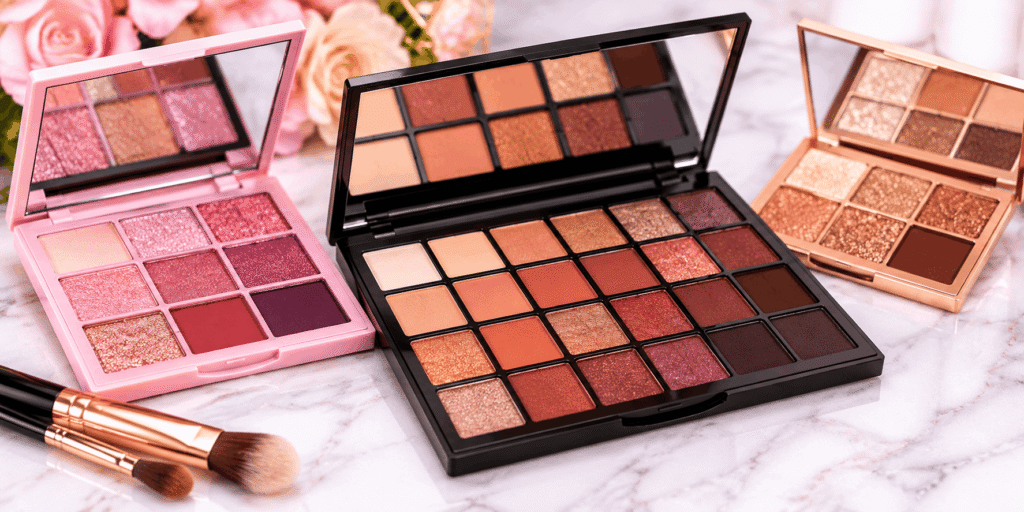
Why Use an Eyeshadow Palette?
An eyeshadow palette is more than a collection of attractive colours. It is a practical makeup product that makes it easier to coordinate shades and create different eye looks.
Individual eyeshadows can be useful when you need one specific colour, but purchasing several separate products may become expensive and inconvenient. A well-designed palette provides multiple options in one compact arrangement.
Most eyeshadow palettes contain shades that work together. This makes blending and creating balanced eye makeup easier because the colours are often selected around a particular theme.
For example, a neutral palette may include beige, brown, cream, and soft bronze shades. These colours can be combined for everyday makeup, office looks, and evening appearances.
A colourful palette might feature pink, purple, blue, green, or orange tones for people who enjoy experimenting with creative styles.
There are several reasons why these products have become popular in everyday beauty routines.
Resourceful: Create More Looks with Fewer Products
One major advantage of eyeshadow palettes is the variety they provide.
A single palette can contain enough colours to create several different makeup styles. You can use lighter shades for a simple appearance, medium colours for definition, and darker tones for a more dramatic effect.
For example, a brown eyeshadow palette can be used to create:
- Soft daytime makeup.
- Warm neutral eye looks.
- Brown smoky eyes.
- Defined crease makeup.
- Subtle evening styles.
You can also combine different finishes to change the appearance of the same colour. A matte brown may create a soft, natural effect, while a shimmering bronze can add more dimension.
This flexibility makes eyeshadow palettes useful for people who enjoy changing their makeup without purchasing new products for every occasion.
Convenience: Everything in One Place
Convenience is another important reason to choose an eyeshadow palette.
Instead of opening several separate containers, you can access multiple colours from one compact case. This makes your makeup routine more organized and reduces the number of individual products you need to carry.
Compact palettes are particularly helpful when travelling. They can fit into many makeup bags and provide enough colour options for different outfits and occasions.
Some eyeshadow palettes also include built-in mirrors, making them useful when you need to apply makeup away from your usual dressing table.
Another benefit is that coordinated shades are easier to identify. You can quickly select colours that complement one another rather than spending time searching through unrelated individual eyeshadows.
Cost-Effectiveness: Get More Value from One Purchase
Buying separate eyeshadows can become expensive, especially when you want several colours and finishes.
Eyeshadow palettes often provide multiple shades at a combined price that may be more economical than purchasing similar colours individually.
However, value does not depend only on the number of shades included. A palette with many colours is not automatically a better purchase than a smaller collection.
Consider how frequently you will use the colours. If a palette contains twenty shades but you regularly use only three, a smaller option may offer better value.
Before buying eyeshadow palettes, compare the product’s quality, pigmentation, texture, shade selection, and overall price.
A useful palette should contain colours that fit your preferences and makeup habits rather than simply offering the largest number of pans.
Experimentation: Explore Your Makeup Creativity
Eyeshadow palettes give you an opportunity to explore colours and techniques without purchasing separate products for every experiment.
You can combine warm and cool shades, try different blending methods, or introduce brighter colours into your regular makeup routine.
Someone who usually wears neutral makeup might experiment with a soft pink shade or a little metallic gold. Similarly, a person who enjoys colourful makeup can use darker colours to create more contrast.
Experimentation also helps you understand which shades complement your preferred makeup style.
You do not need professional skills to begin. Start with two or three complementary colours and gradually introduce more advanced techniques as your confidence improves.
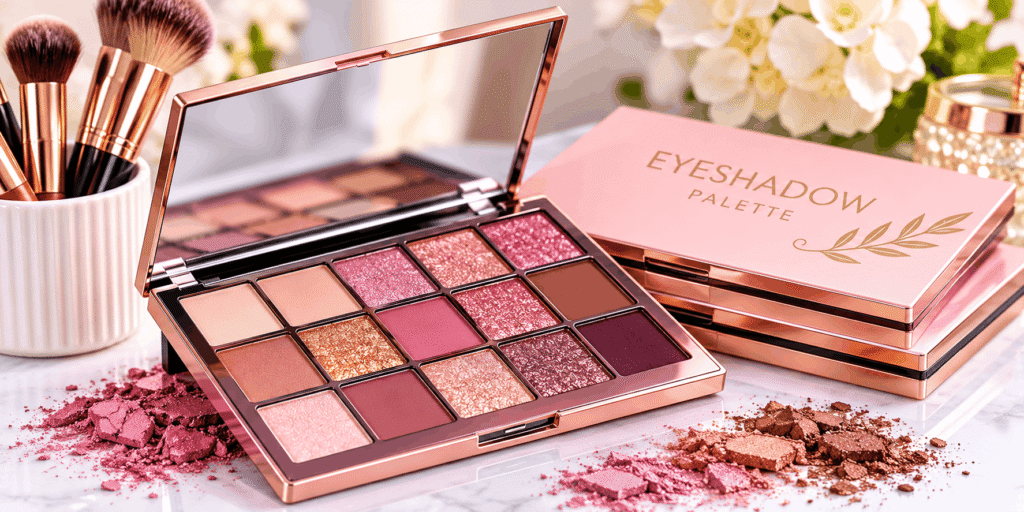
Understanding the Composition of an Eyeshadow Palette
The arrangement of colours inside a palette is important because each shade can serve a different purpose.
Many eyeshadow palettes include light, medium, and dark shades. This combination makes it easier to create depth, definition, and a balanced appearance.
Understanding these colour groups can help you choose suitable shades and avoid applying every colour randomly.
Light Shades
Light shades are commonly used to brighten the eye area and create a softer foundation for other colours.
They may include cream, ivory, pale beige, soft pink, champagne, and light peach.
These shades are often applied to the inner corner of the eyes, the brow bone, or the centre of the eyelid.
A matte cream colour can help create a smooth-looking base, while a shimmery champagne shade can add brightness to the eyelids.
Light eyeshadow colours are also useful for blending because they can soften the appearance of darker shades.
When using eyeshadow palettes, remember that lighter colours can appear different depending on your skin tone and the formula of the product. Test the shade before applying a large amount.
Medium Shades
Medium shades help connect lighter and darker colours.
They are commonly used in the crease to create a transition between different tones. Popular options include caramel, warm brown, dusty rose, taupe, terracotta, and medium bronze.
These colours are particularly important when creating blended eye makeup.
For example, if you apply a dark brown shade directly over a light cream base, the difference may look too sharp. A medium brown shade between them can create a smoother transition.
Medium colours are also useful for everyday makeup because they provide definition without necessarily making the eyes look too dramatic.
When selecting eyeshadow palettes, look for at least one or two medium shades that complement the lighter and darker colours.
Dark Shades
Dark shades add depth, contrast, and definition to eye makeup.
Common examples include chocolate brown, charcoal, deep plum, navy, burgundy, and black.
These colours are generally applied in smaller amounts because they can quickly become intense.
You can use a dark brown shade on the outer corner of your eyelid to create dimension or apply a little charcoal along the lash line for a smoky effect.
Dark colours can also help make eye makeup more suitable for evening occasions.
However, blending is important. Applying too much dark eyeshadow without gradually building the colour may create uneven patches.
A small blending brush can help distribute the product and soften harsh edges.
How to Choose the Right Eyeshadow Palette
Finding suitable eyeshadow palettes requires more than choosing colours that look attractive inside the packaging.
The best option should match your preferred makeup appearance, available budget, and the occasions for which you normally apply makeup.
Some people prefer natural colours that work with almost every outfit. Others enjoy colourful combinations that allow them to create more expressive looks.
Consider these factors before making a purchase.
1. Color Story
A colour story refers to the overall colour combination used in an eyeshadow palette.
Different palettes are designed around different themes, such as warm neutrals, cool neutrals, pink tones, earthy colours, or vibrant shades.
Your preferred colour story should reflect the type of makeup you enjoy wearing.
Neutral palettes: These usually contain beige, brown, cream, taupe, and similar shades. They are useful for everyday makeup and versatile looks.
Warm palettes: These may include copper, orange, terracotta, golden brown, and warm peach. They work well for people who enjoy warm-toned eye makeup.
Cool-toned palettes: These can feature grey, mauve, lavender, silver, and cool brown colours.
Pink palettes: Soft pink, rose, berry, and mauve shades can create romantic and feminine eye looks.
Colourful palettes: These include brighter shades such as blue, green, purple, and orange for more creative makeup.
When choosing eyeshadow palettes, avoid purchasing a colour story simply because it is currently popular. Select shades you can imagine using regularly.
2. Finish Variety
The finish of an eyeshadow describes how it appears on the eyelid.
Different finishes create different effects, and having a combination of textures can make one palette more versatile.
Matte finish: Matte eyeshadows have little to no visible shine. They are commonly used for crease definition, transition shades, and soft everyday looks.
Shimmer finish: Shimmer shades contain fine reflective particles that create a subtle sparkling appearance.
Metallic finish: Metallic eyeshadows offer a more noticeable reflective effect and are often used for glamorous makeup.
Satin finish: Satin colours provide a soft sheen between matte and shimmer finishes.
A useful eyeshadow palette may include several matte shades alongside a few shimmer or metallic options.
This combination allows you to create simple daytime makeup and more noticeable evening styles without needing another product.
3. Occasion
Think about where and when you usually wear eye makeup.
Your lifestyle can help determine which eyeshadow palettes will provide the most practical value.
For daily activities, work, or university, neutral colours may be easier to incorporate into your routine. Soft brown, beige, and muted pink shades can create a polished appearance without looking overly dramatic.
For weddings, parties, and celebrations, you might prefer palettes containing metallic gold, bronze, rose, or deeper colours.
If you enjoy creative makeup, colourful palettes can provide more opportunities to experiment.
You should also consider whether you need a palette for one specific event or something suitable for regular use.
A versatile option is often a sensible investment because it can work across several different occasions.
How to Use an Eyeshadow Palette
Using eyeshadow palettes becomes easier when you follow a simple application process.
You do not need to apply every shade in the palette to create beautiful eye makeup. In many cases, two or three complementary colours are enough.
The key is to prepare your eyelids, apply colours gradually, and blend the edges carefully.
Prep Your Lids
Preparing your eyelids is an important first step.
Start with clean eyelids and remove any leftover makeup or excess oil. This creates a more suitable surface for eyeshadow application.
You can use an eyeshadow primer to help create an even base. Primer may also improve how well certain eyeshadows adhere to the eyelids.
If you do not have an eyeshadow primer, a suitable base product can sometimes help, depending on your skin and makeup formula.
Apply a small amount and distribute it evenly. Avoid using too much product because an overly thick base may cause eyeshadow to collect in the creases.
Allow the preparation layer to settle before applying colour.
Start with a Transition Shade
A transition shade helps connect the different colours used in your eye makeup.
Choose a medium-toned shade from your eyeshadow palette that complements your overall colour combination.
Using a fluffy blending brush, apply it gently through the crease area.
Work with light circular or back-and-forth movements rather than pressing the brush too firmly against the skin.
The purpose is to create a soft foundation for the darker colours you will apply later.
Beginners often find neutral brown or soft peach transition shades easier to work with because they can blend naturally with many other colours.
Add Depth with Darker Shades
Once the transition colour is blended, introduce a darker shade to create more definition.
Choose a colour that is slightly deeper than the transition shade. Apply it to the outer corner of the eyelid using a smaller brush.
Build the intensity gradually instead of applying a large amount immediately.
This technique helps create depth while maintaining a smooth appearance.
If you are creating a smoky eye, you can gradually introduce darker brown, charcoal, or black eyeshadow.
Remember that dark colours are easier to build than to remove. Starting with a small amount gives you better control over the final result.
Highlight Key Areas
Highlighting certain areas can make eye makeup appear more dimensional.
A light champagne, cream, or soft shimmer shade can be applied to the centre of the eyelid or inner corner.
You can also use a subtle matte highlight beneath the eyebrow if it complements your overall look.
The amount of shimmer you apply depends on your preference.
For daytime makeup, a small amount may be enough. For a special occasion, you might prefer a more noticeable reflective finish.
Choose the highlight shade carefully so that it complements the other colours in your eyeshadow palette.
Final Touches with Eyeliner and Mascara
Once the eyeshadow is blended, eyeliner and mascara can help complete the look.
Eyeliner adds definition along the lash line. You can choose a thin line for natural makeup or create a slightly extended shape for a more dramatic appearance.
Mascara helps make the eyelashes more noticeable and adds the finishing touch to your eye makeup.
If you prefer a softer appearance, use brown eyeliner instead of black.
Before completing your routine, check both eyes in the mirror to make sure the colour placement looks reasonably balanced.
You can also clean any loose eyeshadow particles around the lower eye area using a suitable makeup brush or cotton pad.
How to Get Different Eye Makeup Looks
One of the biggest advantages of eyeshadow palettes is the ability to create different styles using the same collection of colours.
You do not need a separate palette for every makeup look. Learning a few basic combinations can help you use your existing products more effectively.
Everyday Natural Look
An everyday natural eye look focuses on soft colours and gentle definition.
Choose a light beige, cream, or pale peach shade and apply it across the eyelid.
Next, select a medium brown or taupe colour and blend it gently into the crease.
If you want a little more definition, apply a small amount of deeper brown eyeshadow to the outer corner.
Finish with a light coat of mascara.
Avoid using too many contrasting colours because the goal is to create a simple and balanced appearance.
Neutral eyeshadow palettes are particularly suitable for this style because their shades can work with different outfits and everyday makeup routines.
Classic Smoky Eye
A smoky eye is a popular makeup style that uses darker colours to create a blended, dramatic appearance.
Although black and charcoal are commonly associated with this look, brown, plum, and navy shades can also create attractive smoky effects.
Start with a medium transition shade in the crease.
Apply a darker colour to the outer corner and gradually blend it across the eyelid. If you want a deeper appearance, add a small amount of black or charcoal near the lash line.
Blend carefully to avoid creating harsh colour boundaries.
You can also apply a little shimmer to the centre of the eyelid if you prefer a more glamorous finish.
The most important part of a smoky eye is smooth blending. Using several dark shades without blending them properly can make the makeup appear uneven.
Bright and Bold Look
If you enjoy colourful makeup, a bright eye look allows you to experiment with more expressive combinations.
Choose two or three colours that complement each other.
For example, you could combine pink with purple, blue with silver, or orange with warm gold.
Apply the main colour across the eyelid and use a deeper shade to add definition near the outer corner.
A lighter shimmer can be placed in the centre to create contrast.
When working with bright eyeshadow palettes, apply colour gradually and clean your brushes between shades when necessary.
This helps prevent unwanted colour mixing and keeps the final appearance more controlled.
Bold makeup is especially suitable for parties, creative photography, themed events, and occasions when you want your eyes to become the main feature of your look.
Tips for Using Eyeshadow Palettes
Even a high-quality palette requires proper application and care. Small changes to your makeup routine can improve how your eyeshadow looks and how long your products remain usable.
Here are some practical tips to keep in mind.
1. Use the right brushes: Different brushes perform different tasks. A flat brush can help place colour on the eyelid, while a fluffy brush is useful for blending.
2. Build colour gradually: Start with a small amount of eyeshadow and increase the intensity as needed. This gives you more control.
3. Blend between shades: Blending helps create smoother transitions and prevents obvious lines between different colours.
4. Tap off excess product: Before applying powder eyeshadow, gently tap the brush to remove loose particles. This can help reduce fallout.
5. Clean your brushes regularly: Dirty brushes may carry leftover colours and product buildup. Clean tools support a more hygienic makeup routine.
6. Avoid unnecessary pressure: Pressing too firmly while blending can make colour distribution uneven. Use gentle movements instead.
7. Match colours thoughtfully: You do not need to use every shade together. Select colours that complement each other and suit the look you want.
8. Store your palettes properly: Keep eyeshadow palettes closed and away from excessive moisture, heat, and direct sunlight.
9. Check product condition: Pay attention to unusual changes in smell, texture, or appearance. Follow the manufacturer’s period-after-opening guidance and discard products that show signs of contamination.
10. Remove eye makeup carefully: At the end of the day, use a suitable makeup remover and avoid rubbing the delicate eye area aggressively.
Another helpful tip is to experiment with your palette when you have enough time. Practising different colour combinations can help you discover which shades and techniques work best for your preferences.
You can also take photographs of your completed makeup looks to compare different combinations and understand how colours appear under various lighting conditions.
Final Thoughts
Eyeshadow palettes are useful beauty products that offer variety, convenience, and creative freedom in one compact collection. Whether you prefer natural everyday makeup, soft romantic colours, or dramatic smoky eyes, the right palette can help you achieve different looks without purchasing numerous individual eyeshadows.
Before choosing a palette, consider its colour story, finish variety, formula, and suitability for your regular makeup routine. A carefully selected collection of complementary shades can provide more value than a large palette filled with colours you rarely use.
Learning basic application techniques also makes a difference. Preparing your eyelids, choosing suitable transition shades, building depth gradually, and blending carefully can help create more polished results.
Most importantly, enjoy experimenting with different colours and finishes. There is no single way to use eyeshadow palettes, and your personal style should guide your choices. With a little practice and the right colour combinations, you can create eye makeup that feels comfortable, expressive, and suitable for different occasions.
An eyeshadow palette is a makeup product that contains multiple eye colours in one compact case. It allows you to create natural, glamorous, smoky, and colourful eye makeup looks.
Choose a palette based on your skin tone, personal style, and the looks you want to create. Neutral shades are ideal for everyday makeup, while colourful palettes offer more creative options.
A beginner-friendly palette usually includes neutral shades such as beige, brown, taupe, and soft pink. These colours are easy to blend and work well for different occasions.
An eyeshadow palette can last several months or longer, depending on its quality, frequency of use, and storage. Always check the product’s expiry information and replace it if its smell, texture, or appearance changes.






2 Comments