
Lip liners may look like a minor addition to a makeup routine, but they can completely change the appearance of your lips. From creating a more defined shape to making lipstick look smoother and more polished, this simple makeup product offers several benefits. Whether you prefer soft, natural makeup or bold statement lips, the right lip liner can help you achieve a look that feels balanced and flattering.
Modern lip liners come in different shades, textures, and finishes, making it easier to find an option that complements your lipstick collection and personal style. Some are designed for precise outlining, while others blend effortlessly across the lips to create a fuller-looking effect. Understanding how to choose and use them can make your everyday makeup routine much easier.
Why Lip Liners Deserve a Place in Your Makeup Routine
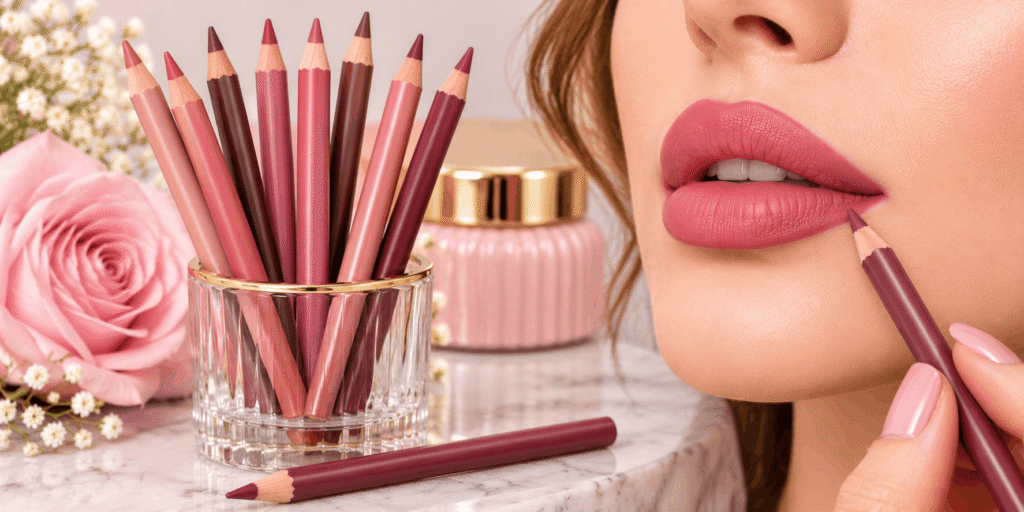
Lip liners do more than outline the natural edges of your mouth. They help create a cleaner lipstick application, improve definition, and provide a base that can make lip color appear more even. Without a liner, certain lipstick formulas may spread beyond the lip line or settle unevenly around the edges.
One of their biggest advantages is control. A pencil allows you to work around the natural shape of your mouth before applying lipstick. This is particularly helpful when using darker, brighter, or highly pigmented colors because even small application mistakes can become noticeable.
Another reason makeup lovers appreciate lip liners is their versatility. You can use them with lipstick, liquid lipstick, lip gloss, or even wear them alone. A nude pencil can create a subtle everyday appearance, while a deeper shade can add dimension to an evening makeup look.
They can also help lipstick last longer when applied across the entire lip surface. Although the results depend on the formula and other products used, a well-applied liner creates an additional layer of color underneath lipstick.
Understanding Different Types of Lip Liners
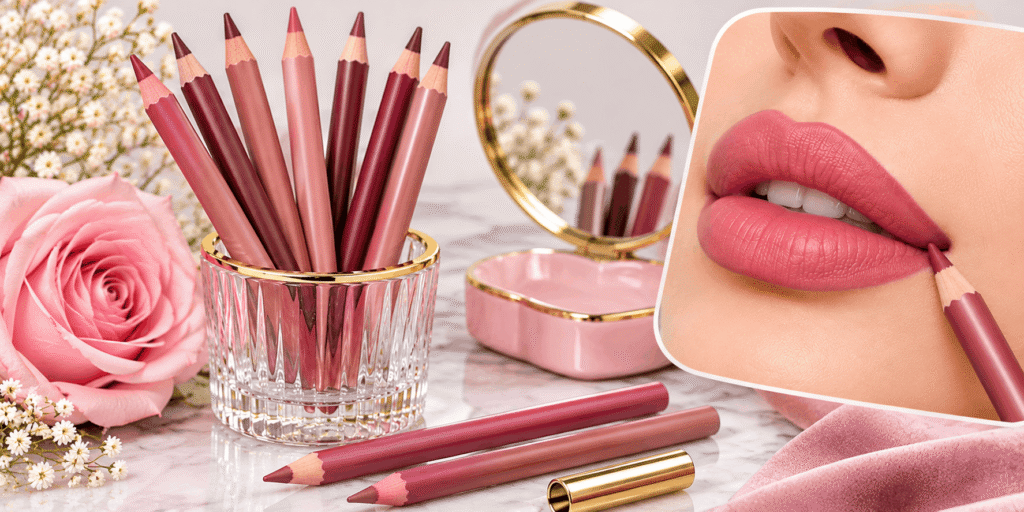
Choosing the right formula is just as important as selecting a flattering shade. Different textures provide different levels of control, comfort, and color payoff. Knowing what makes each type unique can help you find a product that works with your makeup habits.
Traditional Pencil Lip Liners
Traditional pencil formulas remain a popular choice because they offer excellent control and precision. They usually come in sharpenable wooden packaging and allow you to create a defined outline around the lips.
Their texture can range from soft and creamy to slightly firm. A firmer pencil is useful for creating clean edges, whereas a softer formula glides more comfortably across the skin.
One advantage of traditional pencils is that you can adjust the tip depending on the look you want. A freshly sharpened point works well for detailed outlining, while a slightly rounded tip makes filling in the lips easier.
Retractable Lip Liners
Retractable versions are convenient for people who prefer makeup products that require little maintenance. Instead of sharpening the pencil, you simply twist the base to reveal more product.
These liners are especially useful for carrying in a handbag or travel makeup kit. Many formulas have a creamy consistency that makes blending easier.
However, it is important to avoid extending too much product at once because softer formulas can break under pressure. Using gentle strokes also helps prevent uneven application.
Creamy Lip Liners
Creamy formulas are designed to glide smoothly without requiring excessive pressure. They are a comfortable option for people who dislike dry or stiff pencils.
Because they blend easily, creamy lip liners can be used to create a softly diffused outline rather than an extremely sharp border. They also work well when covering the entire lip area before applying lipstick.
The main consideration is staying power. Some creamy products may transfer more easily than firmer formulas, particularly when combined with glossy lip products.
Long-Wearing Lip Liners
Long-wearing options are designed to maintain their color for extended periods. Their formulas often dry down after application, helping reduce smudging and transferring.
These products can be useful for long events, workdays, and occasions when frequent makeup touch-ups are inconvenient.
Some long-lasting formulas feel drier than traditional pencils, so applying a comfortable lip balm beforehand can help improve the overall experience. Allow the balm to absorb before applying the liner to avoid creating a slippery surface.
How to Choose the Right Lip Liner Shade
Finding a suitable shade can make your lipstick collection much more versatile. The right color should complement your natural lip tone, work with your preferred lipstick shades, and create the overall effect you want.
A nude lip liner is one of the most practical options because it can work with several lipstick colors. However, nude does not mean the same shade for everyone. Depending on your complexion and natural lip pigmentation, you may prefer beige, peach, pink, caramel, or brown-based tones.
For a natural appearance, choose a liner that closely matches your natural lip color. This creates definition without making the outline look overly noticeable.
If you regularly wear bold lipstick, consider choosing a liner that matches the lipstick rather than relying on a single neutral pencil. Matching the two colors creates a more seamless finish.
Nude and Neutral Shades
Neutral lip liners are ideal for everyday makeup. They pair well with soft pink, peach, beige, and brown lipsticks.
A slightly deeper nude can add subtle dimension around the edges without creating a dramatic contrast. This is especially useful for soft glam makeup, office looks, and minimal beauty routines.
Pink and Rose Shades
Pink-based liners create a fresh and delicate appearance. They work particularly well with rosy lipsticks, cool pink glosses, and natural-looking makeup.
Rosewood and dusty pink shades are useful choices when you want something more defined than a traditional nude but less dramatic than a deep berry.
Brown Lip Liners
Brown shades are popular for creating depth and dimension. They can be paired with nude lipstick, caramel gloss, peachy shades, and several warm-toned lip colors.
A medium brown liner can create a softly defined outline, while deeper brown shades offer a more noticeable contrast.
The key is blending the color carefully so that the transition between the liner and lipstick looks intentional.
Red and Berry Lip Liners
Red liners are useful when wearing classic red lipstick because they help establish a precise outline before the main color is applied.
Berry and plum shades work well with deeper lip colors, particularly for evening makeup. They can also be blended with softer pink shades to create a customized color combination.
How to Apply Lip Liners for a Smooth Finish
Applying lip liner correctly does not require professional makeup skills. A few simple techniques can help you create a more balanced and polished result.
Start with clean lips. Remove any remaining lipstick, gloss, or dry skin that could interfere with application. If your lips feel rough, gently exfoliate them using a suitable lip exfoliator.
Apply a thin layer of lip balm if needed. Allow it to settle before moving on to the liner so the pencil can grip the lip surface properly.
Begin by identifying your natural lip shape. Rather than drawing a completely new outline, follow the existing edges and make small adjustments only where necessary.
Start at the center of your upper lip and work toward the corners using short, gentle strokes. Repeat the process on the lower lip, keeping both sides as balanced as possible.
Once the outline is complete, lightly blend the color inward. You can leave the center of the lips relatively natural or fill in the entire surface depending on your desired finish.
Finish by applying lipstick or gloss. If you want a more blended appearance, gently press your lips together and check whether any areas need additional product.
Common Lip Liner Mistakes That Can Affect Your Makeup
Even a good-quality pencil may not deliver the expected results if it is applied incorrectly. Certain habits can make lip makeup look uneven, overly dramatic, or uncomfortable.
One common mistake is choosing a liner that is significantly darker than the lipstick without blending the transition. Although contrasting colors can create a deliberate makeup style, an unblended outline may look harsh.
Another mistake is drawing too far beyond the natural lip line. Slightly adjusting the outline can create the appearance of fuller lips, but excessive overlining may make the makeup look unnatural.
Using a very dry pencil on already dry lips can also lead to patchy application. Preparing the lips beforehand makes it easier to achieve a smooth result.
Applying too much pressure is another issue. Heavy strokes can create an uneven border and make blending more difficult. A lighter hand usually provides better control.
Finally, forgetting to check the corners of the mouth can leave small gaps or uneven edges. Reviewing the entire outline before applying lipstick helps create a cleaner finish.
Making Lip Liners Work With Different Lipstick Formulas
The combination of liner and lipstick can influence the final appearance of your makeup. Different lipstick textures interact with liner in different ways, so choosing suitable formulas is important.
With matte lipstick, a creamy or moderately soft liner can make the application more comfortable. Since matte formulas often emphasize dry areas, preparing the lips beforehand is particularly helpful.
Cream lipsticks usually pair well with traditional pencil liners. The liner provides structure while the lipstick adds a softer, more comfortable layer of color.
Glossy lip products can be combined with nude or brown liners to create dimension. Applying the liner first and adding gloss toward the center can produce a fuller-looking finish.
Liquid lipsticks generally benefit from a precise outline because their pigmentation makes mistakes more noticeable. Choose a liner that complements the liquid lipstick shade and blend the edges before the formula sets.
For a natural makeup look, you can also apply a liner across the entire lip area and finish with a transparent gloss. This creates a simple look without requiring several different products.
Creating Different Lip Looks With One Pencil
A single lip liner can be used in several ways, making it a practical addition to a smaller makeup collection.
For a soft everyday look, choose a shade close to your natural lip color. Define the outer edges lightly, blend inward, and apply a comfortable lip balm or gloss.
For a fuller-looking appearance, use a liner that is slightly deeper than your natural lip tone. Concentrate a little more color around the outer edges and blend toward the center. Add a lighter lipstick or gloss to create dimension.
If you enjoy a classic makeup style, pair a red liner with matching lipstick. Carefully define the cupid’s bow and corners before filling in the remaining area.
For a monochromatic look, choose a liner and lipstick from the same color family. They do not have to be identical, but their undertones should complement each other.
You can also create a soft ombré effect by applying a deeper liner around the outer edges and a lighter lipstick in the middle. Blend the meeting point gently to avoid an obvious color division.
How to Make Lip Liner Last Longer
The staying power of lip makeup depends on the formula, preparation, and application technique. While no product is completely transfer-proof in every situation, a few habits can help your liner remain presentable for longer.
Begin with a clean lip surface. Excess balm, oil, and leftover makeup can prevent some formulas from adhering properly.
Use thin layers rather than applying a thick amount of product immediately. Lightly outline the lips, then fill them in if you want additional color coverage.
Blending the liner with lipstick can create a more cohesive appearance. Avoid applying too many layers because excessive product may become uncomfortable or start gathering around the lip edges.
If you are using a long-wearing formula, give it enough time to settle before applying another product. This helps reduce unnecessary movement during application.
Keep your lip liner with you when attending events or spending long hours away from home. Eating, drinking, and rubbing the lips can gradually affect even long-lasting formulas.
Choosing a Lip Liner for Your Natural Lip Shape
Lip shape can influence how a particular liner technique looks. The goal should not be to change your natural features completely but to create a balanced appearance that matches your preferred makeup style.
If you have naturally full lips, a liner close to your natural lip color can emphasize their shape without adding unnecessary definition. A softly blended outline also works well for everyday makeup.
For thinner lips, a slightly deeper neutral shade can create subtle dimension. Following the natural border and making very small adjustments around the center can help create a fuller-looking effect.
If your upper lip has a more pronounced cupid’s bow, carefully defining the two peaks can create a symmetrical appearance. Avoid drawing an excessively sharp point unless you specifically want a dramatic makeup style.
For lips with an uneven outline, use small strokes to balance the appearance gradually. It is usually better to make subtle adjustments rather than creating an entirely different shape.
Remember that natural lip asymmetry is completely normal. Lip liner should help you feel more confident, not make you feel that your natural features need correcting.
Lip Liner Care, Storage, and Hygiene
Proper care is important for maintaining the quality of your makeup products. Lip liners come into direct contact with the lips, so cleanliness should always be a priority.
Keep pencil liners capped when they are not in use. This protects the tip from dust, dirt, and unnecessary contact with other makeup products.
If you use a traditional wooden pencil, sharpen it regularly with a clean makeup sharpener. A sharp point allows better control, while sharpening also removes the outer surface that has been exposed during previous applications.
Retractable products should be twisted down after use and stored with their caps securely attached.
Avoid sharing lip liners with other people, even if they appear clean. Makeup products used around the mouth should remain personal items.
Pay attention to changes in smell, texture, or appearance. If a product becomes unusually dry, changes consistency, or reaches its expiration period, replace it.
Store your makeup in a cool, dry place away from direct sunlight and excessive heat. High temperatures can affect the texture and performance of certain formulas.
Final Thoughts
Lip liners are a simple but valuable part of a well-rounded makeup routine. They offer better definition, help create smoother lipstick application, and make it easier to experiment with different lip shapes and color combinations. From everyday nude shades to dramatic brown and red tones, there are plenty of options to explore.
The secret is finding a comfortable formula, choosing colors that complement your lipstick collection, and applying the product with a light hand. You do not need an extensive collection to create beautiful results. A few versatile lip liners and the right application techniques can make your makeup look more polished while allowing your natural lip shape to remain part of the finished look.

One Comment