
Makeup brushes are essential tools for creating smooth, even, and beautifully blended makeup looks. However, with regular use, these brushes collect foundation, concealer, powder, oils, dead skin cells, and other impurities. Over time, this buildup can affect makeup application and make brushes less pleasant to use. This is where makeup brush cleaners become an important part of a beauty routine.
Keeping makeup brushes clean is not just about maintaining their appearance. It also helps protect the bristles, improve product application, and reduce the transfer of unwanted buildup onto the skin. Whether you use a few everyday brushes or own a complete professional collection, choosing the right cleaning products and developing a consistent washing routine can make a noticeable difference.
Understanding the different types of makeup brush cleaners, how they work, and which formulas are suitable for different brushes can help you maintain your beauty tools without unnecessary damage.
Understanding Makeup Brush Cleaners and Why They Matter
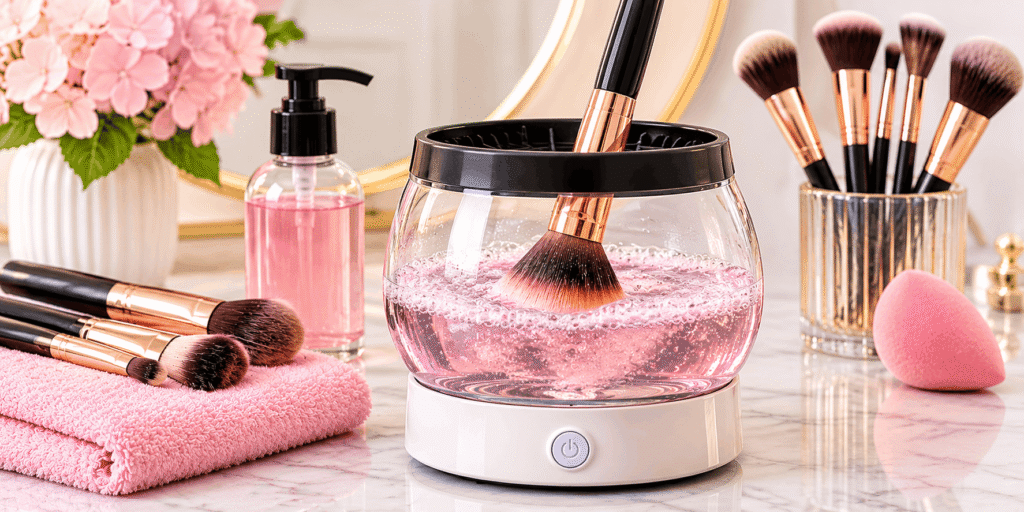
Makeup brush cleaners are specially designed products or tools that help remove cosmetic residue, oils, dust, and other buildup from makeup brushes. They come in different forms, including liquid cleansers, cleansing sprays, solid soaps, silicone cleaning mats, and automatic brush-cleaning devices.
Each option serves a slightly different purpose. Some products are designed for quick cleaning between makeup applications, while others provide a deeper wash that removes stubborn foundation, concealer, and cream-based products.
One of the main reasons brush cleaning matters is that makeup residue can accumulate between the bristles. When brushes are used repeatedly without proper cleaning, the buildup can make the bristles stiff, clumpy, or less effective at distributing makeup evenly.
Clean brushes also make it easier to achieve a natural-looking finish. A foundation brush covered in old product may leave uneven patches, while a dirty eyeshadow brush can transfer leftover pigment into a different shade. Regular cleaning helps prevent these problems and allows your makeup products to perform as intended.
Another important consideration is skin cleanliness. Brushes regularly come into contact with the face, including areas around the eyes, nose, and mouth. Removing accumulated residue helps maintain a cleaner makeup application routine. People with sensitive or acne-prone skin may find consistent brush hygiene particularly important.
Different Types of Makeup Brush Cleaners
Not every makeup brush-cleaning product works in the same way. Choosing an appropriate option depends on how frequently you apply makeup, which products you use, and how much time you want to spend cleaning your tools.
Liquid Makeup Brush Cleaners
Liquid cleaners are among the most common options for washing makeup brushes. They are generally applied by mixing a small amount with water or using them according to the product instructions.
These formulas help loosen foundation, concealer, cream blush, and powder residue trapped between the bristles. Many liquid cleansers are designed to rinse away easily without leaving a noticeable coating behind.
They are particularly useful for people who regularly use multiple makeup products and need a thorough cleaning solution.
When selecting a liquid formula, consider its ingredients and suitability for your brush material. A gentle cleanser that rinses completely is generally preferable to an overly harsh product that could affect the bristles.
Solid Brush Cleaning Soaps
Solid brush soaps offer a convenient way to clean makeup brushes without measuring or pouring liquid products. They usually come in small containers that make them easy to store with other beauty essentials.
To use one, lightly wet the brush, swirl its bristles over the soap, and work the cleanser through the fibers using gentle circular movements. Rinse thoroughly until the water runs clear.
Some solid soaps include conditioning ingredients that help maintain softness. However, the formula should still be suitable for the type of brush being cleaned.
Solid cleansers are especially useful for removing heavier makeup products that cling to dense foundation and concealer brushes.
Makeup Brush Cleaning Sprays
Cleaning sprays are designed for quick maintenance rather than replacing every deep wash. They are useful when you want to remove surface-level pigment or product residue between applications.
Most sprays work by applying the solution directly to the bristles or a clean cloth before gently wiping the brush.
They are particularly practical for eyeshadow brushes, blush brushes, and other tools that need frequent color changes.
However, cleaning sprays do not always remove deeply embedded oils and cosmetic buildup. They should be considered a convenient addition to a regular washing routine rather than a complete replacement for washing.
Silicone Brush Cleaning Mats
Silicone cleaning mats are tools rather than cleansing products, but they can make the cleaning process more effective.
These mats feature textured surfaces with different patterns designed to help separate bristles and loosen trapped makeup residue.
After applying a suitable cleanser, move the brush gently across the textured surface using small circular motions. The texture helps work the product out of the bristles without requiring excessive pressure.
Silicone mats are available in compact designs that fit inside a sink or can be held comfortably in one hand.
They are especially helpful for people with large makeup collections because they can reduce the effort required to clean several brushes.
Automatic Makeup Brush Cleaners
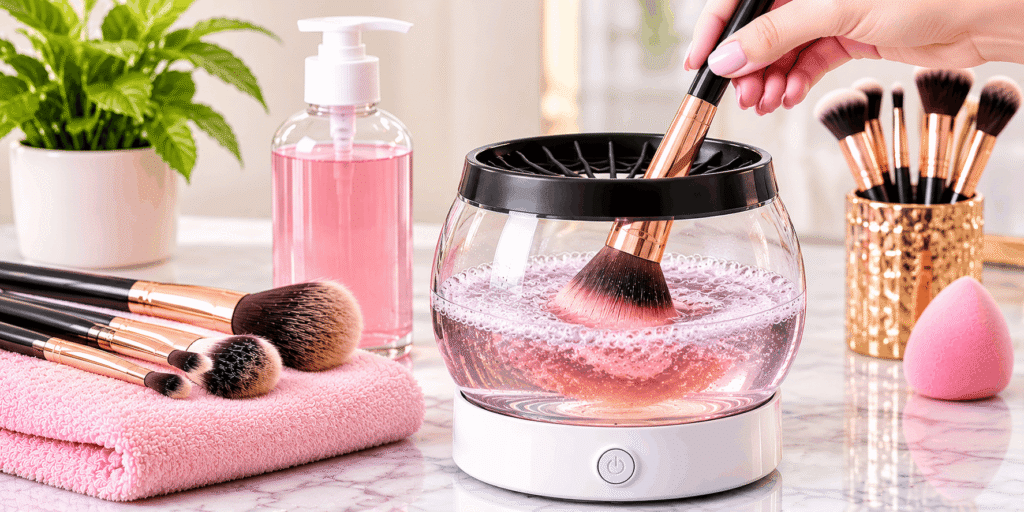
Automatic brush cleaners use mechanical movement to help wash and sometimes dry makeup brushes.
Depending on the model, these devices may include a spinning attachment, cleaning container, and different brush holders. Some are designed to clean brushes individually, while others accommodate several brush sizes.
They can save time for people who frequently use makeup or own many brushes. However, the cleaning method still matters. Excessive spinning or incorrect positioning may damage delicate bristles or loosen the adhesive that holds the brush head together.
Before using an automatic device, check whether it is compatible with your brush type and follow the manufacturer’s instructions.
How to Choose the Right Makeup Brush Cleaner
Choosing suitable makeup brush cleaners requires more than simply picking the cheapest or most popular product. The right option should effectively remove cosmetic residue while protecting the materials used to make your brushes.
Start by considering the type of makeup you usually wear. People who frequently use liquid foundation, cream contour, and concealer may need a cleanser that can break down heavier product buildup. Those who mainly use loose powders and eyeshadows may find a gentle cleanser sufficient.
The brush material is another important factor. Natural hair brushes can require more delicate care than some synthetic brushes. A suitable cleaning formula should remove makeup without making the fibers unnecessarily rough or brittle.
Pay attention to the ingredient list as well. Products with strong fragrances or harsh cleansing agents may not be ideal for every user. If you have sensitive skin or react to particular ingredients, choose a formula that suits your needs.
Consider convenience, too. A liquid cleanser may work well at home, while a spray can be useful when traveling. If you have a large collection, a cleaning mat or automatic device may make regular maintenance easier.
Price should also be evaluated in relation to product quantity and performance. A small bottle that cleans effectively may provide better value than a larger product that requires excessive amounts for each wash.
How to Clean Makeup Brushes Properly
Using a good cleaning product is only one part of maintaining makeup brushes. The washing technique also affects how effectively residue is removed and how long the brushes remain in good condition.
Begin by separating brushes according to their use and material. Foundation and concealer brushes often contain heavier product buildup, while eyeshadow and powder brushes may require a gentler cleaning approach.
Wet the bristles with lukewarm water while keeping the brush head pointed downward. Avoid allowing water to flow directly into the metal ferrule, which is the part connecting the bristles to the handle.
Apply a small amount of suitable brush cleanser to your palm, a cleaning pad, or a silicone mat. Gently swirl the bristles through the cleanser until makeup begins to loosen.
Do not press the brush aggressively against the surface. Excessive force can cause shedding, bending, and damage to delicate fibers.
Rinse the brush under clean running water, keeping the handle angled upward enough to prevent water from entering the ferrule. Continue rinsing until the water runs clear and no visible cleanser remains.
Gently squeeze excess water from the bristles using a clean towel. Reshape the brush head with your fingers so it returns to its original shape.
Finally, place the brush flat on a clean towel or position it with the bristles extending slightly over the edge of a counter. Allow it to dry completely before using it again.
How Often Should You Clean Your Makeup Brushes?
The ideal cleaning frequency depends on how often you use your brushes and which products they come into contact with.
Brushes used for liquid foundation, concealer, and cream-based makeup generally need more frequent washing because these products can leave heavier residue.
Powder brushes may not accumulate the same type of buildup as quickly, but they still require regular cleaning.
A practical routine is to wash frequently used complexion brushes approximately once a week, while brushes used for eyeshadow and other powder products can often be washed every one to two weeks, depending on use.
Brushes used around the eyes deserve particular attention. Cleaning them regularly helps reduce the transfer of accumulated makeup residue between applications.
If you share makeup tools with other people, cleaning and proper disinfection become even more important. Ideally, personal brushes should not be shared.
Remember that cleaning frequency should also reflect your skin’s needs, product usage, and the manufacturer’s care recommendations.
Common Mistakes to Avoid When Cleaning Makeup Brushes
Even when people regularly wash their makeup brushes, certain habits can shorten the lifespan of their tools.
One common mistake is soaking the entire brush in water. This allows moisture to enter the ferrule, potentially weakening the adhesive that holds the bristles in place.
Another problem is using extremely hot water. High temperatures can affect certain synthetic fibers, natural hair, and adhesives. Lukewarm water is generally a safer option.
Using too much cleanser is another unnecessary habit. Excess product can make rinsing more difficult and leave residue between the bristles. Start with a small amount and add more only when needed.
Some people also scrub brushes too aggressively. Although textured cleaning mats are useful, pressing the bristles too hard can cause them to lose their original shape.
Drying brushes upright with wet bristles pointing toward the ceiling is another mistake. Water may move toward the ferrule instead of draining away from it.
Finally, avoid storing brushes while they are still damp. Moisture trapped inside dense bristles can create unpleasant odors and make proper brush maintenance more difficult.
Best Ingredients and Formulas to Look For
The ingredients used in makeup brush cleaners can influence how effectively they remove residue and how gently they treat brush fibers.
Mild surfactants are useful because they help loosen oils, dirt, and cosmetic products so they can be rinsed away with water. A suitable cleansing formula should provide enough cleaning power without requiring excessive scrubbing.
Some products contain conditioning ingredients intended to help maintain the softness of certain brush fibers. However, these ingredients should not leave a heavy coating that affects how the brush picks up makeup.
Fragrance-free options may be worth considering if you prefer products without added fragrance or have a history of reacting to fragranced cosmetics.
Alcohol-based ingredients may appear in quick-drying brush sprays. These can help dissolve certain cosmetic residues, but a spray should be selected according to its intended use and brush compatibility. Not every formula is suitable for repeated use on every type of bristle.
It is also helpful to avoid assuming that natural ingredients automatically make a product safer or more effective. Plant extracts and essential oils can still cause irritation in some individuals.
The most useful cleanser is one that removes makeup effectively, rinses cleanly, and does not compromise the condition of your brushes.
Natural Alternatives for Cleaning Makeup Brushes
If you prefer simple household cleaning options, a few alternatives may help with basic brush maintenance. However, not every household product is appropriate for cleaning cosmetic tools.
A mild, fragrance-free liquid soap may work for some synthetic makeup brushes when used in a small amount and rinsed thoroughly. It can help remove everyday makeup residue without requiring a specialized cleaning product.
Some people also use gentle shampoo for certain brush materials. If you choose this approach, avoid formulas with heavy conditioners that could leave a coating on the fibers.
Dishwashing liquid is sometimes recommended for removing stubborn foundation and oily makeup. However, stronger formulas may be too harsh for delicate brushes, particularly with repeated use. A dedicated brush cleanser is generally a more predictable option.
Avoid using household disinfectants, bleach, strong detergents, or cleaning chemicals on makeup brushes. These products are not designed for cosmetic tools and may damage the bristles or leave unwanted residues.
Another important point is that cleaning and disinfecting are not identical processes. Washing removes visible makeup and other buildup, while disinfection requires an appropriate product and method. Never assume that a brush is disinfected simply because it looks clean.
Maintaining Different Types of Makeup Brushes
Different makeup brushes have different shapes, densities, and materials. Understanding these differences helps you choose suitable cleaning techniques.
Foundation and Concealer Brushes
Foundation and concealer brushes often collect liquid and cream products deep between their bristles. Their dense construction can make them harder to rinse than lighter powder brushes.
Use a cleanser capable of removing heavier makeup residue. Work gently through the brush head and rinse thoroughly until no product remains.
Because these brushes come into frequent contact with facial skin, regular washing is especially important.
Powder and Blush Brushes
Powder and blush brushes are generally fluffy and have softer bristles. They may collect loose powder, blush pigment, and skin oils during regular use.
A gentle cleanser is usually sufficient for removing everyday buildup. Avoid squeezing or twisting the bristles because doing so can flatten the brush head.
After washing, reshape the fibers and allow them to dry naturally.
Eyeshadow Brushes
Eyeshadow brushes are often smaller and may have different levels of density depending on their purpose.
Flat brushes can hold concentrated pigment, while blending brushes may collect several shades during a single makeup application.
Cleaning them regularly helps maintain accurate color application and prevents unwanted pigment mixing.
Pay particular attention to smaller brush heads because residue can become trapped near the center of densely packed fibers.
Eyeliner and Detail Brushes
Small eyeliner and detail brushes can be difficult to clean because their bristles are narrow and tightly arranged.
Use a small amount of cleanser and carefully work it through the brush tip. Avoid bending the bristles because these brushes depend on their shape for precise application.
Rinse carefully and restore the original point or angled shape before drying.
How to Store Makeup Brushes After Cleaning
Proper storage is just as important as washing when it comes to keeping makeup brushes in good condition.
Once brushes are completely dry, place them in a clean holder or makeup organizer that protects the bristles from dust. Keeping them separated can also prevent the brush heads from becoming flattened or tangled.
Avoid storing damp brushes inside closed makeup bags or containers. Allow them to dry completely before putting them away.
If you travel frequently, consider a brush case with individual compartments. This can protect the bristles from friction against other beauty products.
Brushes should also be stored away from excessive bathroom moisture and direct sunlight. Both conditions can affect certain brush materials and the overall cleanliness of your collection.
Cleaning the storage container regularly is another useful habit. There is little benefit in washing your brushes carefully if you immediately place them inside a dusty or dirty holder.
When Should You Replace Your Makeup Brushes?
Even with excellent maintenance, makeup brushes do not last forever. Over time, regular use, washing, and natural wear can affect their performance.
One noticeable sign is excessive shedding. If a brush continues losing many bristles despite careful handling, its structure may be deteriorating.
Another warning sign is a permanently misshapen brush head. When the fibers no longer return to their original form, makeup application may become less precise.
Persistent unpleasant odors, damaged handles, loose ferrules, and bristles that remain rough after cleaning can also indicate that a brush needs replacing.
Do not rely on a fixed replacement schedule alone. A well-maintained brush may remain useful for years, while a frequently used or poorly constructed brush may wear out much sooner.
If a brush cannot be cleaned properly or shows visible signs of damage, replacing it is generally a better option than continuing to use it.
Final Thoughts
Makeup brush cleaners are an important part of maintaining a clean, organized, and effective beauty routine. From liquid cleansers and solid soaps to quick-cleaning sprays and silicone mats, different options make it easier to remove makeup residue and care for your beauty tools.
The right cleaning method depends on your brush materials, makeup habits, and personal preferences. Washing brushes regularly, avoiding excessive pressure, rinsing away all cleanser, and allowing them to dry properly can help preserve their shape and performance.
You do not need an expensive collection of cleaning products to maintain your brushes. A suitable gentle cleanser, a careful washing technique, and consistent maintenance are often enough to keep your favorite tools in good condition.
By making brush cleaning a regular habit, you can support better makeup application, reduce unwanted product buildup, and get more use from the beauty tools you already own.






2 Comments