
Stretch marks are a common skin concern that can appear when the skin stretches or changes quickly. They may develop during pregnancy, puberty, weight fluctuations, muscle growth, or other periods of physical change. Although these marks are completely natural and harmless, many people look for ways to make them less noticeable. A stretch mark cream can be a helpful addition to a regular skincare routine because it moisturizes the skin, supports its protective barrier, and improves the appearance of dryness and uneven texture.
Choosing the right product, however, requires more than picking an attractive package or trusting bold promises. Different creams contain different ingredients, and not every formula works equally well for every skin type or stage of stretch marks. Some focus on hydration, while others contain ingredients designed to support skin renewal and improve texture over time.
Understanding how stretch marks develop, which ingredients are worth considering, and how to use skincare products consistently can help you make a more informed decision. The goal should be healthier-looking, comfortable skin rather than expecting a cream to erase every mark completely.
Understanding Stretch Marks and Why They Develop
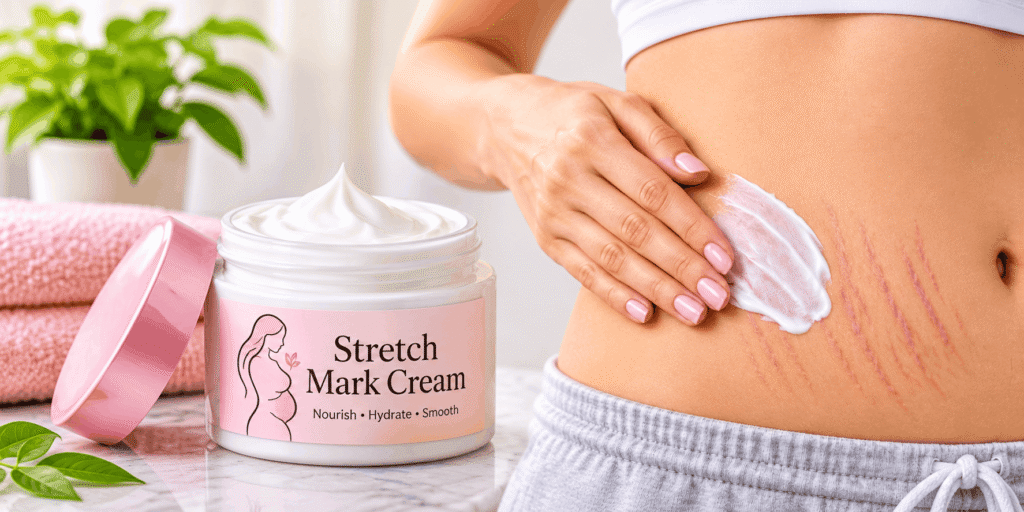
Stretch marks cream, medically known as striae, are lines that form when the skin stretches or changes faster than its supporting structures can adapt. The middle layer of the skin, called the dermis, contains collagen and elastin. These proteins help maintain strength, flexibility, and elasticity. When the skin experiences rapid stretching, some of these structures can become disrupted, resulting in visible lines.
Stretch marks can appear on different areas of the body, including the stomach, thighs, hips, breasts, buttocks, upper arms, and lower back. Their appearance varies depending on skin tone, age, genetics, and how long the marks have been present.
Newer stretch marks may look pink, red, purple, or darker than the surrounding skin. These are sometimes called striae rubrae. As time passes, they often become lighter, flatter, and less noticeable. Older marks are commonly described as striae alba and may appear white, silvery, or slightly indented.
Several factors can contribute to their development. Pregnancy is one of the most familiar causes because the abdomen and surrounding areas experience considerable stretching. Hormonal changes during puberty can also influence skin structure, making stretch marks relatively common among teenagers.
Weight changes, rapid muscle development, genetics, and certain medical conditions can also play a role. Long-term use of corticosteroid medications may contribute to stretch marks in some individuals.
It is important to understand that stretch marks are not caused by poor hygiene or a lack of skincare. They can develop even when someone follows an excellent skincare routine. Genetics and individual skin characteristics often have a greater influence than daily habits.
What Is Stretch Mark Cream and How Does It Work?
A stretch mark cream is a topical skincare product designed to moisturize the skin and improve its overall appearance. Depending on its formulation, it may contain ingredients that help reduce dryness, support the skin barrier, and improve the look and feel of uneven skin texture.
Most products are developed around hydration and skin conditioning. Ingredients such as glycerin, hyaluronic acid, shea butter, and ceramides help attract or retain moisture. Well-hydrated skin generally feels softer, smoother, and more comfortable.
Some formulas also contain ingredients such as retinol or peptides. These are included because of their potential benefits for skin texture and collagen-related processes. However, their effectiveness depends on the formulation, concentration, and individual skin response.
One important distinction is that moisturizing the skin is not the same as repairing the structural changes responsible for stretch marks. A cream may make the surrounding skin look healthier without completely removing the lines.
For this reason, it is better to approach these products with realistic expectations. Regular application may improve softness and the appearance of dryness, but no over-the-counter cream can guarantee that established stretch marks will disappear.
Key Ingredients to Look for in a Stretch Mark Cream
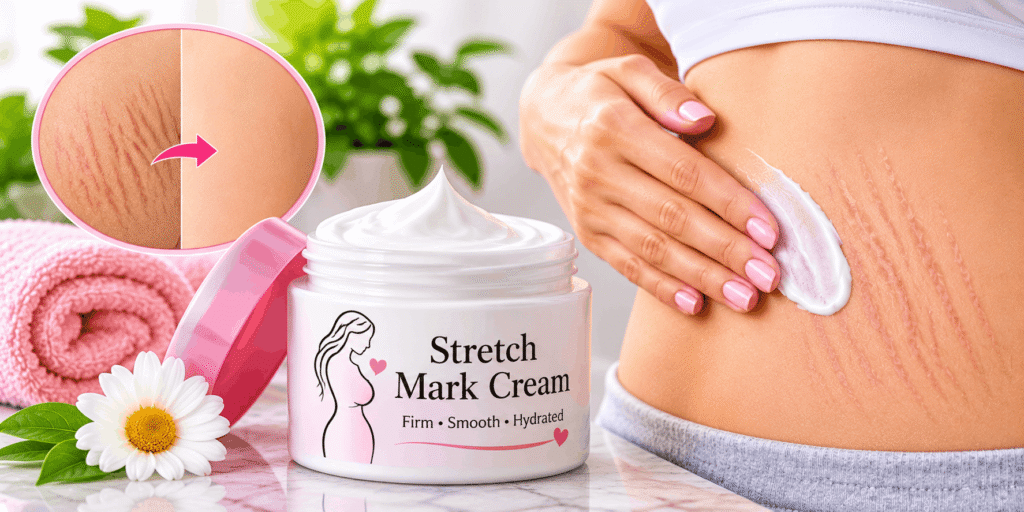
The ingredient list is one of the most useful things to examine before choosing a skincare product. Different ingredients serve different purposes, and understanding their functions can help you select a formula that matches your needs.
Hyaluronic Acid for Deep Hydration
Hyaluronic acid is a popular skincare ingredient known for attracting and holding water. It helps maintain hydration, making the skin appear plumper and feel more comfortable.
When included in a stretch mark cream, hyaluronic acid can help reduce the appearance of dryness and improve the overall skin surface. It is particularly useful for people who experience tightness or roughness around areas where stretch marks have developed.
Although it does not erase stretch marks, consistent use can support a well-hydrated appearance. It works well in lightweight lotions, gels, and moisturizing creams.
Shea Butter for Soft and Supple Skin
Shea butter is a plant-based moisturizing ingredient commonly used in body creams and lotions. It contains fatty substances that help soften the skin and reduce moisture loss.
Its rich consistency makes it suitable for people with dry skin or those who prefer thicker body-care products. Applying a shea butter-based formula after bathing can help keep the skin comfortable throughout the day.
It is not a proven treatment for removing stretch marks, but it can make the affected areas feel smoother and less dry.
Cocoa Butter for Everyday Moisture
Cocoa butter is another familiar ingredient in products marketed for stretch marks. It has a rich texture that creates a moisturizing layer on the skin.
Many people enjoy using cocoa butter because it helps soften rough areas and provides lasting comfort. It is often included in body creams designed for the stomach, thighs, hips, and other areas prone to dryness.
Despite its popularity, cocoa butter has not been shown reliably to prevent or remove stretch marks. Its primary benefit is skin conditioning rather than reversing the structural changes beneath the skin.
Centella Asiatica for Skin Conditioning
Centella asiatica, sometimes called cica, is a botanical ingredient used in various skincare formulations. It contains compounds that have been studied for their effects on skin repair processes and inflammation.
Some stretch mark products include centella extracts to support the appearance of healthier skin. It may be particularly appealing to people who prefer botanical ingredients.
However, the evidence supporting its ability to significantly improve established stretch marks remains limited. It should be considered a supportive skincare ingredient rather than a guaranteed solution.
Retinol for Skin Texture
Retinol is a vitamin A derivative commonly used in products targeting uneven skin texture and visible signs of aging. It encourages skin-cell turnover and may help improve the appearance of certain newer stretch marks over time.
Some prescription-strength retinoids have demonstrated benefits for early stretch marks, although results are not guaranteed. Retinol-based products can also cause dryness, peeling, irritation, and increased sensitivity.
Retinoids should be avoided during pregnancy. People who are breastfeeding should consult a healthcare professional before using them. Anyone considering retinol for stretch marks should also introduce it carefully and follow professional guidance.
Peptides for Supporting Skin Appearance
Peptides are short chains of amino acids used in skincare products for their potential role in supporting skin appearance. Certain peptide formulations are marketed to improve firmness and skin texture.
Their effectiveness varies according to the specific peptide, formulation, and supporting research. While they can be part of a well-designed moisturizer, there is not enough evidence to claim that all peptide creams can remove stretch marks.
Ceramides for Skin Barrier Support
Ceramides are naturally occurring lipids that help maintain the skin’s protective barrier. When the barrier is functioning properly, the skin is better able to retain moisture and protect itself from environmental irritation.
A cream containing ceramides may be especially useful for people with dry or sensitive skin. It can improve skin comfort and reduce the rough feeling that sometimes accompanies dehydration.
How to Choose the Right Stretch Mark Cream for Your Skin Type
Not every skincare formula is suitable for everyone. Your skin type, personal preferences, and the area you want to treat should influence your decision.
For Dry Skin
People with dry skin often benefit from richer creams containing shea butter, ceramides, glycerin, and other moisturizing ingredients. These formulas help reduce moisture loss and maintain a softer skin surface.
A thick cream may be more comfortable than a lightweight lotion, particularly during colder weather. Applying it immediately after bathing can help retain moisture.
For Oily Skin
If your skin tends to feel greasy, choose a lightweight lotion or gel-cream. Look for non-comedogenic formulations when applying products to areas that are prone to clogged pores.
Hyaluronic acid and glycerin can provide hydration without necessarily creating a heavy feeling. Avoid choosing a product simply because it contains a large amount of oil.
For Sensitive Skin
Sensitive skin requires extra attention because fragrances, essential oils, and certain active ingredients can cause irritation.
Choose a gentle, fragrance-free product with a relatively simple ingredient list. Ceramides and glycerin are useful options for maintaining hydration.
Before applying a new cream to a large area, perform a patch test on a small section of skin. Stop using the product if you experience persistent redness, burning, swelling, or itching.
For Combination Skin
Combination skin may benefit from a balanced formula that provides enough hydration without leaving an excessively oily finish.
A medium-weight lotion containing hyaluronic acid and ceramides can be a practical option. You can also adjust the amount according to the needs of different body areas.
How to Apply Stretch Mark Cream Correctly
Using a product consistently and following its instructions are important parts of any skincare routine. However, applying more cream does not automatically produce better results.
Start by cleaning the area with lukewarm water and a gentle body cleanser. Pat the skin dry with a clean towel, leaving it slightly damp if you are using a regular moisturizer.
Take an appropriate amount of cream and spread it gently over the affected area. Use circular movements to distribute the formula evenly without applying excessive pressure.
Pay attention to areas where the skin frequently becomes dry, including the stomach, thighs, hips, breasts, and upper arms. Allow the product to absorb before putting on tight clothing.
Follow the manufacturer’s recommended frequency. Some moisturizing creams can be used once or twice daily, while products containing active ingredients may require a different schedule.
Consistency is more important than applying an excessive amount at once. Remember that moisturizing routines can improve skin comfort, but they do not guarantee the removal of stretch marks.
Best Time to Apply a Stretch Mark Cream
The timing of application can influence how comfortable and effective your moisturizing routine feels.
After a shower or bath is often a convenient time because the skin may still contain some moisture. Applying a cream at this stage can help reduce water loss and keep the skin feeling soft.
Morning application can be useful if your skin feels dry during the day. Evening application is another practical option because it allows you to include body care in your nighttime routine.
If you prefer applying cream twice daily, morning and evening can provide a simple schedule. However, the correct frequency depends on the product’s formulation and instructions.
You should not expect immediate changes. Improvements in dryness and softness may become noticeable relatively quickly, but changes in the appearance of stretch marks are much less predictable.
Can Stretch Mark Cream Prevent New Stretch Marks?
Many people begin using stretch mark products before pregnancy, during puberty, or while experiencing weight changes because they hope to prevent new marks.
Moisturizing regularly can help maintain comfortable, hydrated skin. However, there is limited scientific evidence that ordinary creams can reliably prevent stretch marks.
Their development is influenced by genetics, hormones, skin structure, and the speed at which the body changes. These factors cannot always be controlled through topical skincare.
During pregnancy, some people use moisturizing products to reduce dryness and itching as their abdomen expands. These products may make the skin feel more comfortable, but they should not be presented as a guaranteed prevention method.
If you are pregnant, choose products with pregnancy safety in mind. Avoid retinoids and ask your healthcare professional before introducing products containing unfamiliar active ingredients.
Stretch Mark Cream During Pregnancy: What Should You Know?
Pregnancy is a period when the skin may stretch considerably, particularly around the abdomen, breasts, hips, and thighs. As the body changes, some people develop stretch marks even when they maintain a regular moisturizing routine.
Choosing a pregnancy-friendly body cream requires careful ingredient selection. Simple moisturizers containing glycerin, hyaluronic acid, ceramides, and shea butter can help maintain hydration and comfort.
Fragrance-free products may be a better choice if your skin becomes more sensitive during pregnancy. Strong fragrances and unnecessary essential oils can sometimes trigger irritation.
Retinoids, including retinol, should be avoided during pregnancy. It is also sensible to consult a healthcare professional before using concentrated botanical extracts or products containing multiple active ingredients.
A pregnancy skincare routine does not need to be complicated. Gentle cleansing, regular moisturizing, comfortable clothing, and avoiding excessive friction can help maintain skin comfort.
Most importantly, developing stretch marks during pregnancy is not a sign that you have neglected your skin. They are a normal physical change, and their appearance can vary significantly between individuals.
Common Mistakes to Avoid When Using Stretch Mark Cream
Even a well-formulated skincare product may disappoint when it is used incorrectly or chosen for the wrong reasons.
One common mistake is expecting complete removal. Stretch marks involve changes in the deeper skin structure, so a topical moisturizer cannot simply erase them. Understanding this limitation helps prevent unrealistic expectations.
Another mistake is applying several strong active ingredients at the same time. Combining exfoliating acids, retinoids, and other potentially irritating ingredients can damage the skin barrier and cause discomfort.
Ignoring the ingredient list is also a problem. A product may be advertised as natural or dermatologist-inspired without having the formulation you actually need. Always check the full ingredient list instead of relying entirely on packaging claims.
Some people apply too much pressure while massaging the affected area. Gentle application is generally sufficient. Aggressive rubbing can irritate sensitive skin and does not guarantee better results.
Finally, switching products too frequently can make it difficult to understand which formula works well for your skin. Give a gentle moisturizing routine time to become part of your daily habits, while remembering that visible changes in stretch marks may remain limited.
When Should You Consider Professional Stretch Mark Treatments?
If your main goal is to improve the appearance of established stretch marks, professional dermatological treatments may offer additional options.
A dermatologist can assess the age, depth, color, and location of your stretch marks before recommending an appropriate approach.
Topical Prescription Treatments
Certain prescription creams, including tretinoin, may improve the appearance of some early stretch marks. They are not suitable for everyone and can cause irritation, dryness, and peeling.
Tretinoin should not be used during pregnancy. A dermatologist can determine whether it is appropriate for your circumstances.
Microneedling
Microneedling uses very fine needles to create controlled micro-injuries in the skin. The procedure stimulates a healing response and may help improve the appearance of certain stretch marks over multiple sessions.
Results depend on the individual, treatment depth, and professional technique. Temporary redness, swelling, and irritation are possible.
Laser Treatments
Different laser technologies may be used to improve the appearance of stretch marks. Some target redness in newer marks, while others focus on skin texture and collagen remodeling.
Laser treatments require professional assessment because skin tone, pigmentation risk, and the type of stretch marks influence treatment selection.
Radiofrequency Treatments
Radiofrequency procedures use controlled energy to heat deeper skin tissues. Certain treatments combine radiofrequency with microneedling to target texture and firmness.
Multiple sessions may be necessary, and outcomes vary. A qualified dermatologist can explain potential benefits, limitations, and side effects.
Maintaining Healthy Skin Alongside Your Stretch Mark Routine
A good body-care routine should focus on overall skin health rather than treating stretch marks as the only concern.
Regular hydration helps maintain the skin’s natural moisture balance. Drinking enough water supports general health, although drinking extra water alone will not remove existing stretch marks.
A balanced diet provides nutrients that contribute to normal skin function. Protein, vitamin C, zinc, and other essential nutrients support different processes involved in maintaining healthy skin.
Foods such as citrus fruits, berries, vegetables, eggs, nuts, and legumes can contribute to a varied diet. No particular food can guarantee stretch mark removal, but nutritional balance supports overall well-being.
Sun protection is another important consideration. Stretch marks can become more noticeable when surrounding skin tans, creating a stronger contrast between affected and unaffected areas. Applying broad-spectrum sunscreen to exposed skin can help reduce sun damage and uneven pigmentation.
Avoid excessive exfoliation, particularly when the affected areas are already dry or sensitive. A gentle approach is usually more suitable than aggressive scrubbing.
Final Thoughts
Choosing the right stretch mark cream starts with understanding what your skin needs and what topical products can realistically achieve. Ingredients such as hyaluronic acid, shea butter, ceramides, and glycerin can help improve hydration, softness, and overall skin comfort. Other ingredients, including retinoids and peptides, have different purposes and require more careful consideration.
Although creams cannot guarantee complete stretch mark removal, they can be valuable additions to a consistent body-care routine. Pay attention to your skin type, check ingredient lists, avoid unnecessary irritation, and select products with realistic claims.
Stretch marks are a natural part of many people’s lives. Whether they appear during pregnancy, puberty, or changes in body size, they do not make your skin unhealthy or less beautiful. The most useful skincare approach is one that supports your skin’s comfort and helps you feel confident in it.