Introduction
Fashion and accessories are important parts of everyday life because they allow people to express their personalities, preferences, and creativity through clothing and styling. Fashion is not simply about wearing expensive outfits or following the latest trends. It is about choosing clothing that makes you feel comfortable, confident, and presentable. Accessories complete an outfit by adding personality, elegance, and a unique finishing touch.
Today, the fashion industry offers countless choices for people with different lifestyles, budgets, and personal preferences. From casual clothing and elegant dresses to fashionable handbags, watches, sunglasses, and jewelry, there are many ways to create an attractive appearance. Some people prefer simple and minimal styles, while others enjoy colorful outfits and bold accessories.
Fashion trends continue to change, but personal style remains important. Understanding how clothing and accessories work together can help you make better fashion decisions, build a versatile wardrobe, and avoid unnecessary spending. Whether you are interested in everyday outfits, seasonal clothing, professional dressing, or special occasion styling, the right combination can make a noticeable difference.
Understanding Fashion and Accessories
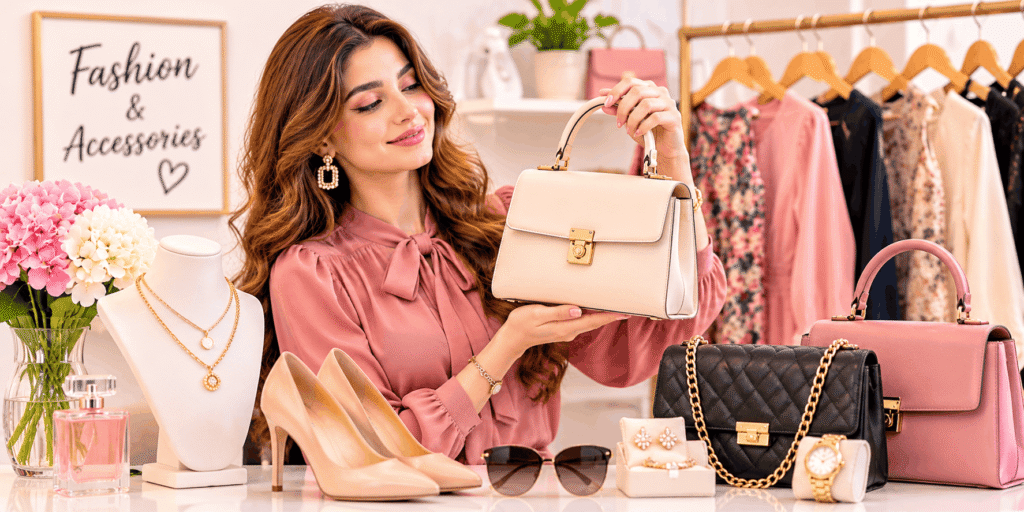
Fashion refers to popular styles of clothing, footwear, hairstyles, and overall appearance. It reflects cultural influences, individual creativity, social preferences, and changing lifestyles. Accessories are additional items that complement clothing and help create a complete look.
Although clothing usually forms the foundation of an outfit fashion and accessories, can significantly influence its overall appearance. For example, a simple black dress can look completely different when paired with a stylish handbag, elegant necklace, fashionable heels, and matching earrings.
Fashion and accessories are closely connected because they work together to create a balanced appearance. Clothing provides the main structure, while accessories introduce additional details, colors, textures, and personality.
Some popular fashion and accessory categories include:
- Casual and formal clothing.
- Dresses, shirts, trousers, and skirts.
- Handbags, backpacks, and wallets.
- Watches and fashion jewelry.
- Sunglasses and optical frames.
- Shoes, boots, and sandals.
- Belts, scarves, and hats.
- Hair accessories and seasonal items.
Choosing suitable combinations allows you to develop a personal fashion identity without purchasing an entirely new wardrobe every season.
Popular Fashion Trends and Clothing Styles
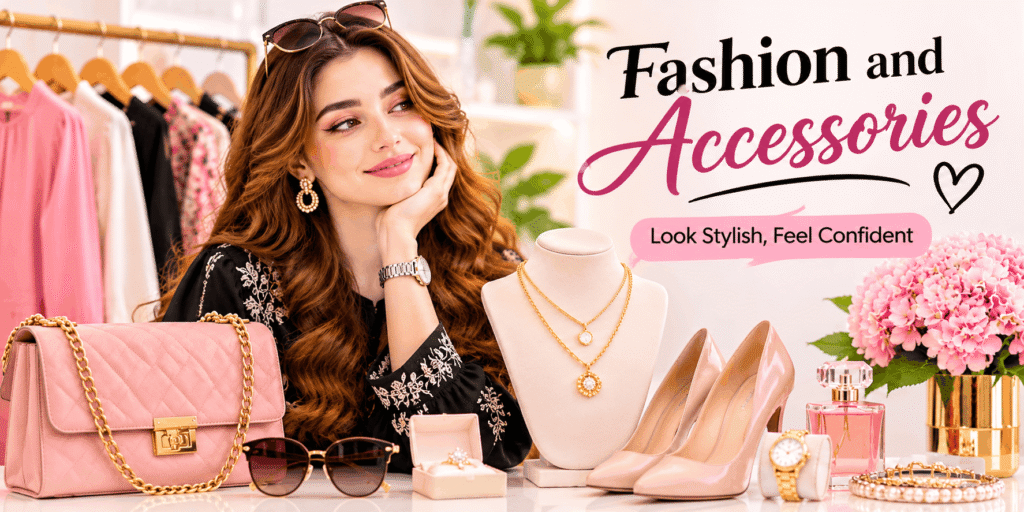
Fashion trends are influenced by designers, celebrities, social media, cultural movements, and everyday lifestyle changes. However, not every trend suits every individual. The best approach is to understand current styles and select the ones that match your personality, comfort, and budget.
Casual Fashion
Casual fashion focuses on comfort, practicality, and effortless styling. It is suitable for shopping, traveling, meeting friends, and everyday activities.
Popular casual clothing includes jeans, comfortable trousers, cotton shirts, oversized T-shirts, sweatshirts, sneakers, and lightweight jackets. Neutral colors such as white, black, beige, grey, and navy are especially useful because they can be combined with different outfits.
A simple pair of jeans with a well-fitted shirt and clean sneakers can create an attractive everyday appearance. Adding a small handbag, watch, or sunglasses can make the outfit look more polished.
Formal and Professional Fashion
Formal fashion is designed for professional environments, business meetings, interviews, and special occasions. It generally emphasizes neatness, appropriate fitting, and sophisticated color combinations.
Women can choose tailored trousers, formal shirts, blazers, pencil skirts, and elegant dresses. Men may prefer dress shirts, formal trousers, suits, and polished shoes.
Accessories should remain relatively simple in professional settings. A classic watch, leather handbag, subtle jewelry, and an elegant belt can complement formal clothing without making the appearance overwhelming.
Streetwear Fashion
Streetwear is a popular clothing style influenced by urban culture, music, sports, and contemporary youth fashion. It combines comfort with expressive designs.
Oversized T-shirts, hoodies, cargo trousers, graphic shirts, sneakers, and baseball caps are common streetwear pieces. People often use statement accessories, crossbody bags, chains, and fashionable sunglasses to complete their outfits.
The main advantage of streetwear is its flexibility. Different colors, clothing layers, and accessories can be combined to create a distinctive appearance.
Minimalist Fashion
Minimalist fashion focuses on simplicity, clean designs, and timeless clothing. Instead of wearing many patterns and accessories, this style uses carefully selected pieces that work well together.
White shirts, black trousers, neutral dresses, simple jackets, and classic footwear are common examples. Minimalist accessories usually include delicate necklaces, small earrings, simple watches, and structured handbags.
This approach is particularly useful for people who want a wardrobe that remains stylish without depending heavily on temporary trends.
Essential Fashion Accessories
Accessories can transform basic clothing into a complete and attractive outfit. They also provide opportunities to experiment with different styles without changing your entire wardrobe.
Handbags and Purses
Handbags are among the most practical and popular fashion accessories. They provide space for everyday essentials while adding style to an outfit.
Different handbag designs serve different purposes. Tote bags are useful for shopping, work, and carrying larger items. Crossbody bags are convenient for traveling and everyday activities. Shoulder bags offer a classic appearance, while clutches are suitable for formal events and evening occasions.
When choosing a handbag, consider its size, material, color, durability, and functionality. A neutral handbag can work with multiple outfits, making it a practical investment.
Watches
Watches combine functionality with fashion. Although smartphones provide digital timekeeping, watches remain popular because they add sophistication and personality to an appearance.
Classic metal watches, leather-strap designs, minimalist watches, and modern smartwatches are common choices. A simple watch can complement formal clothing, while sporty designs are more suitable for casual outfits.
The best watch depends on personal preference, daily activities, and the type of clothing you usually wear.
Jewelry
Jewelry adds elegance, detail, and individuality to fashion. Earrings, necklaces, bracelets, rings, and anklets are widely used to enhance different outfits.
Delicate jewelry is ideal for everyday styling because it provides a subtle finishing touch. Statement necklaces and larger earrings can create a stronger appearance for parties and special occasions.
Gold, silver, pearls, and colorful stones offer different styling possibilities. Instead of wearing every jewelry piece together, choose a balanced combination that complements your clothing.
Sunglasses
Sunglasses are both fashionable and functional. They can protect your eyes from sunlight when they provide suitable UV protection while adding character to your overall appearance.
Popular styles include aviators, oversized frames, round sunglasses, rectangular designs, and cat-eye frames.
Face shape can help guide your choice, but comfort and personal preference should remain the main considerations. Select quality lenses with appropriate UV protection rather than choosing sunglasses based only on their appearance.
How to Choose the Right Fashion and Accessories
Choosing suitable clothing and accessories requires attention to personal style, comfort, quality, and everyday needs. An attractive outfit does not necessarily require expensive brands. Even affordable clothing can look stylish when the colors, fitting, and accessories are selected carefully.
Start by understanding your lifestyle. Someone working in an office may need formal shirts, trousers, professional footwear, and practical handbags. Someone with an active lifestyle may prefer comfortable clothing, sneakers, backpacks, and lightweight accessories.
Color coordination is another important factor. Neutral colors are generally easy to combine, while brighter colors can introduce personality and visual interest.
It is also important to consider the occasion. A casual shopping outfit may not be suitable for a wedding or business meeting. Choosing accessories according to the environment helps maintain an appropriate appearance.
Before purchasing anything, consider whether the item matches your existing wardrobe. Buying accessories that work with several outfits is usually more practical than purchasing pieces that can only be worn once.
Fashion and Accessories for Different Seasons
Seasonal changes influence clothing materials, colors, and accessory choices. Building a wardrobe that responds to different weather conditions helps maintain comfort throughout the year.
Spring Fashion
Spring is associated with lighter fabrics, comfortable layers, and refreshing colors. Floral dresses, cotton shirts, lightweight trousers, and cardigans are popular choices.
Accessories such as small handbags, sunglasses, delicate necklaces, and lightweight scarves can complete spring outfits. Pastel colors, including lavender, mint green, soft pink, and light blue, are especially suitable for this season.
Summer Fashion
Summer fashion emphasizes breathable fabrics and comfortable designs. Cotton, linen, and lightweight materials help people stay comfortable in warm temperatures.
Popular summer clothing includes loose dresses, shorts, skirts, breathable shirts, and relaxed trousers. Sandals, sunglasses, sun hats, and lightweight handbags are useful accessories.
Choose accessories that are practical as well as attractive. Comfortable footwear and suitable sun protection should be priorities during outdoor activities.
Autumn Fashion
Autumn offers opportunities to experiment with clothing layers, richer colors, and different textures. Jackets, sweaters, long-sleeved shirts, boots, and comfortable trousers are common choices.
Brown, burgundy, olive green, camel, and dark orange are popular seasonal colors. Scarves, structured handbags, leather belts, and ankle boots can add warmth and style to autumn outfits.
Winter Fashion
Winter fashion combines warmth with attractive layering. Coats, wool sweaters, jackets, thermal clothing, and knitted dresses help protect against cold weather.
Useful winter accessories include gloves, scarves, beanies, boots, and warm handbags. Choose materials that provide suitable insulation and comfort.
Layering is especially helpful because it allows you to adjust your clothing when moving between indoor and outdoor environments.
Fashion Accessories for Women
Women’s fashion offers a wide selection of clothing and accessories for different occasions and preferences. Dresses, skirts, tops, trousers, jackets, and traditional outfits can all be styled in different ways.
Accessories help create variety without requiring completely different clothing combinations.
For everyday wear, women can choose comfortable handbags, simple earrings, watches, and practical footwear. For formal occasions, elegant clutches, statement jewelry, heels, and sophisticated hair accessories can provide a more refined appearance.
Belts are useful for defining the waist and adding structure to dresses, trousers, and oversized shirts. Scarves can introduce color and texture, while hair clips and headbands provide simple styling options.
The most important consideration is choosing pieces that complement the outfit instead of competing with it.
Fashion Accessories for Men
Men’s fashion has expanded significantly, offering more opportunities for personal expression through clothing and accessories.
Popular men’s accessories include watches, belts, wallets, sunglasses, caps, bracelets, backpacks, and bags. These items can improve an outfit while providing practical everyday benefits.
For professional clothing, leather belts, classic watches, and quality wallets create a sophisticated appearance. Casual outfits can be complemented with sneakers, baseball caps, backpacks, and simple bracelets.
Footwear also plays an important role in men’s fashion. Sneakers, loafers, formal shoes, boots, and sandals offer different styling possibilities.
Choosing accessories that match clothing colors and materials helps create a more coordinated appearance.
Building a Stylish Wardrobe on a Budget
Looking fashionable does not mean spending large amounts of money. A well-planned wardrobe can provide many outfit combinations with a relatively small number of carefully selected items.
The first step is identifying essential clothing pieces. These may include basic T-shirts, comfortable jeans, neutral trousers, versatile shirts, a suitable jacket, and everyday footwear.
Next, choose accessories that can be used with multiple outfits. A classic handbag, simple watch, neutral belt, and versatile sunglasses can provide excellent value.
Shopping during seasonal sales can also reduce expenses. However, discounted products should still meet your quality and practical requirements.
Avoid purchasing items simply because they are trending. Before buying something, ask yourself whether you will actually wear it and whether it matches your existing clothing.
A smaller collection of useful, durable pieces is often more valuable than a large wardrobe filled with items you rarely use.
Sustainable Fashion and Responsible Shopping
Sustainable fashion is becoming increasingly important as consumers pay more attention to environmental responsibility, product quality, and ethical production.
The fashion industry uses significant resources, and frequent clothing purchases can contribute to textile waste. Choosing durable products and making thoughtful purchasing decisions can help reduce unnecessary consumption.
One practical approach is buying fewer but better-quality items. Clothing made from durable materials may last longer and provide better value over time.
Secondhand shopping is another option. Pre-owned clothing, handbags, and accessories can offer affordable alternatives while extending the useful life of existing products.
Consumers can also explore brands that provide information about their materials, manufacturing practices, and sustainability efforts.
Taking care of clothing is equally important. Washing garments according to their care instructions, storing handbags properly, and repairing minor damage can help products remain usable for longer.
Common Fashion Mistakes to Avoid
Even attractive clothing can look unbalanced when styling choices are not carefully considered. Understanding common fashion mistakes can help you create better combinations.
One common mistake is wearing too many statement accessories together. Large earrings, bold necklaces, colorful handbags, and decorative belts can compete for attention. Choosing one main statement piece often creates a more balanced result.
Another mistake is ignoring clothing fit. Extremely tight or excessively loose clothing may not provide the comfort or appearance you want. Select sizes and cuts that suit your body proportions and personal preferences.
Poor color coordination can also affect an outfit. This does not mean every item must match perfectly, but the colors should create a visually pleasing combination.
Wearing uncomfortable footwear for long periods is another problem. Fashion should support your lifestyle rather than make everyday activities difficult.
Finally, following every fashion trend can lead to unnecessary spending. Develop a personal style and use trends selectively instead of replacing your entire wardrobe whenever popular styles change.
Tips for Maintaining Clothing and Accessories
Proper maintenance helps clothing and accessories remain attractive and functional for longer periods.
Always check clothing labels before washing. Different fabrics require different washing temperatures and care methods. Delicate materials may need gentle washing or professional cleaning.
Store handbags in clean, dry spaces and avoid placing heavy objects on top of them. Keeping bags in protective covers can help reduce dust and scratches.
Jewelry should be stored separately to prevent tangling and unnecessary damage. Watches should be maintained according to manufacturer instructions, especially when they have water-resistance limitations.
Shoes also require regular cleaning. Use suitable cleaning products for leather, fabric, suede, or synthetic materials.
Sunglasses should be stored in protective cases when they are not being used. Cleaning their lenses with appropriate materials can help prevent scratches.
Simple maintenance habits can extend product life and reduce the need for frequent replacements.
The Future of Fashion and Accessories
The future of fashion and accessories will continue to develop through technology, changing consumer preferences, and new approaches to clothing production.
Online shopping has already transformed the way people discover and purchase fashion products. Consumers can compare designs, prices, materials, and customer reviews without visiting physical stores.
Artificial intelligence and virtual fitting technologies are also creating new opportunities for personalized shopping experiences. These tools may help shoppers explore clothing combinations and make more informed decisions.
Smart accessories are another developing area. Smartwatches, connected fitness devices, and technologically advanced wearable products combine everyday functionality with modern design.
At the same time, sustainability, durability, and personalization are likely to remain important considerations. Many consumers are becoming more interested in products that reflect their values and individual preferences.
Fashion will continue changing, but comfort, quality, creativity, and self-expression will remain central to personal style.
Final Thoughts
Fashion and accessories are much more than temporary trends. They provide opportunities to express individuality, improve confidence, and create an appearance that reflects personal preferences. From everyday clothing and professional outfits to handbags, jewelry, watches, and sunglasses, every item can contribute to a complete look.
The key to developing a stylish wardrobe is understanding what works for your lifestyle. Choose comfortable clothing, coordinate colors carefully, invest in useful accessories, and prioritize quality over unnecessary purchases.
You do not need expensive designer products to look fashionable. Simple clothing, thoughtful combinations, and well-selected accessories can create an attractive appearance for almost any occasion.
By understanding fashion trends while maintaining your own preferences, you can build a wardrobe that remains practical, versatile, and stylish throughout the year.
Fashion refers to clothing, footwear, and personal styling, while accessories are additional items such as handbags, watches, jewelry, belts, and sunglasses that complement an outfit.
Accessories add personality, improve outfit coordination, and provide practical benefits. They can transform simple clothing into a more polished and attractive appearance.
Popular fashion accessories include handbags, watches, sunglasses, necklaces, earrings, bracelets, belts, scarves, hats, and fashionable footwear.
Choose versatile clothing, purchase quality basics, coordinate neutral colors, shop during sales, and invest in accessories that complement multiple outfits.