
What if one lightweight skincare product could help your skin look more hydrated, brighter, smoother, and healthier without adding another complicated step to your routine? That is the idea behind face serum. Although serums often come in small bottles, they contain concentrated ingredients designed to address specific skin concerns that ordinary moisturizers may not fully target.
From stubborn dark spots and dullness to dehydration, fine lines, and uneven texture, there is a face serum formulated for almost every skincare goal. But here is where things get interesting: not every serum works the same way, and choosing one simply because it is popular can leave you with disappointing results.
Some formulas focus on delivering hydration, others support the skin barrier, and certain ingredients help improve the appearance of discoloration or early signs of aging. Understanding what goes into a serum is therefore more important than buying the most expensive bottle on the shelf.
Whether you are building your first skincare routine or trying to improve your existing one, this guide explores how face serums work, which ingredients deserve attention, and how to use them without overwhelming your skin.
What Is a Face Serum and Why Does Your Skin Need One?
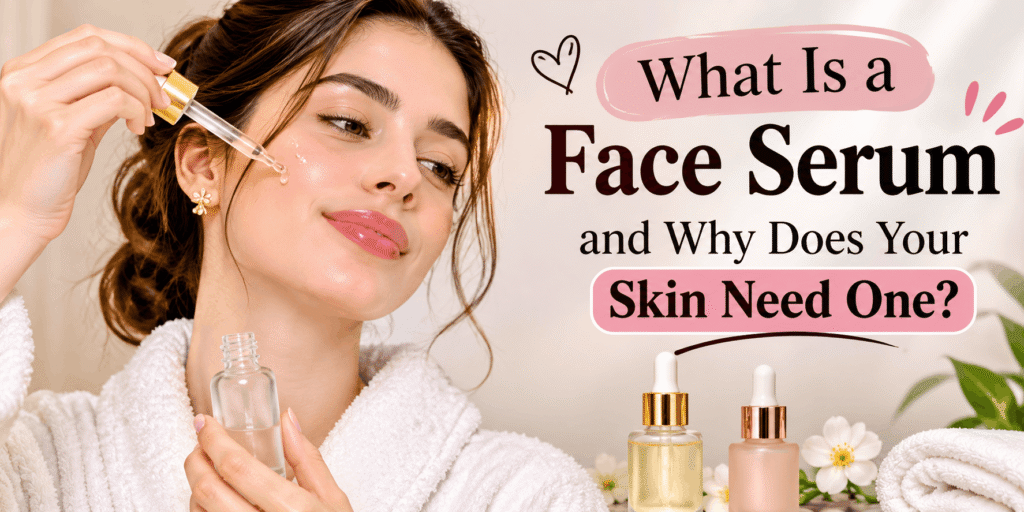
A face serum is a lightweight skincare product formulated with concentrated active or supportive ingredients to address particular skin concerns.
Unlike traditional moisturizers, which primarily help soften the skin and reduce moisture loss, serums are generally designed around specific skincare goals.
Their textures can range from watery and almost weightless to slightly gel-like or silky. Many absorb quickly, making them easy to incorporate into both morning and evening routines.
One important thing to understand is that a serum is not automatically necessary for everyone. If your cleanser, moisturizer, and sunscreen already meet your skin’s needs, you may not need additional products.
However, a well-chosen serum can make a routine more targeted.
For example:
- Someone experiencing dehydration might benefit from hyaluronic acid.
- Someone concerned about uneven skin tone might explore vitamin C or niacinamide.
- Someone noticing fine lines may consider a retinoid-based formula.
- Someone experiencing occasional breakouts may benefit from carefully formulated salicylic acid.
The key is matching the ingredient to the actual concern rather than collecting multiple products without a clear purpose.
The Benefits of Using a Face Serum: 8 Reasons It Deserves Attention
A good face serum can support several aspects of skin appearance and function. Its results depend on the formula, ingredient concentration, consistency of use, and individual skin characteristics.
1. It Helps Skin Hold on to Moisture
Dehydrated skin can appear dull, tight, and less smooth than usual.
Hydrating serums containing ingredients such as hyaluronic acid, glycerin, and panthenol help attract and retain water within the outer layers of the skin.
This can make the complexion look temporarily plumper and more comfortable.
Hyaluronic acid is particularly interesting because it can hold significant amounts of water relative to its weight. However, its performance depends on the overall formula and how it is used.
For better results, apply a hydrating serum to slightly damp skin and follow with a moisturizer to help reduce moisture loss.
2. It Can Improve the Appearance of Dark Spots
Uneven pigmentation is one of the most common reasons people introduce serums into their routines.
Sun exposure, post-acne marks, and other forms of hyperpigmentation can create areas that look darker than the surrounding skin.
Ingredients such as vitamin C, niacinamide, and azelaic acid may help improve the appearance of uneven skin tone.
However, pigmentation does not disappear overnight. Consistent use and daily sun protection are important parts of managing discoloration.
3. It Supports a Smoother-Looking Complexion
Rough texture can make skin look less even, even when there are no major breakouts.
Face serum contain ingredients that support normal skin-cell turnover or help improve surface smoothness.
For example, alpha hydroxy acids (AHAs) such as glycolic acid and lactic acid can exfoliate the outermost layer of skin.
Retinoids can also help improve skin texture over time by influencing skin-cell turnover and other biological processes.
These ingredients should be introduced carefully because excessive use can cause dryness, irritation, and sensitivity.
4. It Helps Reduce the Appearance of Fine Lines
Fine lines can become more noticeable when skin is dehydrated or loses some of its natural elasticity.
Hydrating ingredients can temporarily soften their appearance by improving skin moisture.
For longer-term improvement in the appearance of photoaging, retinoids have stronger evidence than many ordinary cosmetic ingredients.
Peptides and antioxidant ingredients are also popular in formulations designed for aging concerns, although their benefits vary depending on the specific ingredient and product.
5. It Helps Support the Skin Barrier
Your skin barrier acts as a protective outer layer that helps limit water loss and defend against environmental irritants.
When this barrier becomes compromised, skin may feel uncomfortable, dry, tight, or easily irritated.
Ingredients such as ceramides, panthenol, glycerin, and niacinamide can support a healthier-looking skin barrier.
This makes barrier-supporting serums particularly interesting for people who have overused exfoliating products or experienced dryness from aggressive skincare routines.
6. It Can Help Improve the Appearance of Acne-Prone Skin
Certain face serums contain ingredients that target clogged pores, excess oil, and visible blemishes.
Salicylic acid is especially useful because it is oil-soluble and can penetrate into pores.
Niacinamide is another popular ingredient because it may help improve the appearance of oiliness, redness, and post-acne discoloration.
However, not every breakout requires multiple active ingredients. Using too many treatments simultaneously can irritate the skin and potentially make the situation worse.
7. It Provides Antioxidant Support
Daily environmental exposure can contribute to oxidative stress in the skin.
Antioxidants help neutralize free radicals, which are unstable molecules that can contribute to cellular damage.
Vitamin C, vitamin E, and ferulic acid are among the ingredients commonly included in antioxidant serums.
A morning antioxidant serum can complement sunscreen, although it does not replace sun protection.
8. It Makes Skincare More Targeted
Perhaps the biggest advantage of a face serum is that it allows you to focus on a particular concern.
Instead of purchasing several moisturizers with similar purposes, you can select a formula designed around the result you actually want.
This approach can make skincare simpler and more intentional.
The best serum is not necessarily the one with the longest ingredient list. It is the one that addresses your needs without creating unnecessary irritation or complexity.
Types of Face Serums and the Ingredients Worth Knowing
The skincare market contains countless serum formulas, but most can be understood by looking at their main ingredients and intended benefits.
Anti-Aging Serums: For Fine Lines and Loss of Firmness
Anti-aging serums are formulated to improve the appearance of fine lines, uneven texture, and other visible signs of skin aging.
Retinol is one of the most researched cosmetic ingredients in this category. It belongs to the retinoid family and can help improve the appearance of photoaged skin with consistent use.
Other common ingredients include:
- Retinol: Helps improve the appearance of fine lines, uneven texture, and discoloration.
- Peptides: Used in formulations designed to support smoother-looking skin.
- Vitamin C: Provides antioxidant support and helps improve the appearance of uneven tone.
- Hyaluronic Acid: Helps hydrate the skin and temporarily soften the appearance of fine lines.
Retinoids can cause irritation, especially when introduced too quickly. Start with a low-strength product, use it gradually, and apply sunscreen during the day.
People who are pregnant or planning pregnancy should avoid topical retinoids as a precaution and consult a healthcare professional.
Skin-Brightening Serums: For Dullness and Uneven Tone
Skin-brightening serums are designed to improve the appearance of dullness and uneven pigmentation.
Vitamin C is one of the most recognizable ingredients in this category. It is an antioxidant that can help protect against oxidative stress and support a brighter-looking complexion.
Other ingredients worth understanding include:
- Niacinamide: Helps improve uneven tone and supports the skin barrier.
- Alpha Arbutin: Used in products targeting the appearance of dark spots.
- Azelaic Acid: Can help improve the appearance of acne-related discoloration and uneven skin tone.
- Licorice Root Extract: Commonly included in formulas designed for a more even-looking complexion.
A useful detail is that brightening does not mean bleaching your natural skin color. The goal should be improving uneven pigmentation while maintaining healthy skin.
Daily broad-spectrum sunscreen is essential because UV exposure can make pigmentation more noticeable.
Hydrating Serums: For Skin That Feels Tight or Dehydrated
Hydrating serums are especially useful when the skin feels tight, looks dull, or lacks a comfortable moisture balance.
They often contain humectants, which attract water to the outer layers of the skin.
Some popular ingredients include:
- Hyaluronic Acid: Attracts and holds water.
- Glycerin: Helps maintain skin hydration.
- Panthenol: Supports hydration and skin comfort.
- Beta-Glucan: Helps condition and hydrate the skin.
- Polyglutamic Acid: A film-forming humectant used to help maintain moisture.
These formulas can work for almost any skin type, including oily skin.
However, hydration and moisturization are not exactly the same thing. A hydrating serum attracts water, while a moisturizer helps soften the skin and reduce moisture loss.
Using both can create a more balanced routine.
Antioxidant Serums: Your Daily Defense Against Environmental Stress
Antioxidant serums are designed to provide ingredients that help protect skin components against oxidative stress.
Environmental factors such as ultraviolet radiation and pollution can contribute to the formation of free radicals.
Antioxidants help neutralize these unstable molecules.
Some commonly used ingredients include vitamin C, vitamin E, ferulic acid, green tea extract, and resveratrol.
Vitamin C and vitamin E are often combined because they can complement each other in certain formulations.
These serums are particularly popular in morning routines because they can complement sunscreen.
However, they should never be treated as a replacement for sunscreen or other protective measures.
Acne and Sensitive Skin Serums: Choose Ingredients Carefully
Acne-prone and sensitive skin often require a more thoughtful approach to serum selection.
The wrong combination of ingredients can increase irritation, dryness, and visible redness.
For acne-prone skin, salicylic acid is a popular option because it helps exfoliate inside pores and can improve the appearance of blackheads and clogged pores.
Niacinamide may help with oiliness and uneven tone, while azelaic acid can be useful for certain acne-related concerns.
For sensitive skin, simpler formulas containing panthenol, glycerin, and barrier-supporting ingredients may be more comfortable.
A few ingredients worth considering include:
- Salicylic Acid: Helps unclog pores and improve the appearance of blemishes.
- Niacinamide: Supports the skin barrier and helps improve uneven tone.
- Azelaic Acid: Helps address acne-related discoloration and certain forms of acne.
- Panthenol: Supports skin hydration and comfort.
- Centella Asiatica: Commonly used in soothing skincare formulations.
If your skin reacts easily, introduce one new product at a time and patch-test before applying it to your entire face.
Texture-Refining Serums: For Roughness and Visible Pores
Some serums focus on improving the appearance of rough skin, uneven texture, and visible pores.
AHAs such as glycolic acid and lactic acid help exfoliate dead skin cells from the surface.
Salicylic acid can be useful for pores that appear enlarged because of excess oil and buildup.
Retinoids may also improve uneven texture over time.
The important thing is not to combine every exfoliating ingredient in one routine.
Over-exfoliation can weaken the skin barrier and lead to redness, peeling, and increased sensitivity.
Start slowly and give your skin enough time to adjust before increasing product frequency.
How to Use Face Serum Without Making Your Skincare Routine Complicated
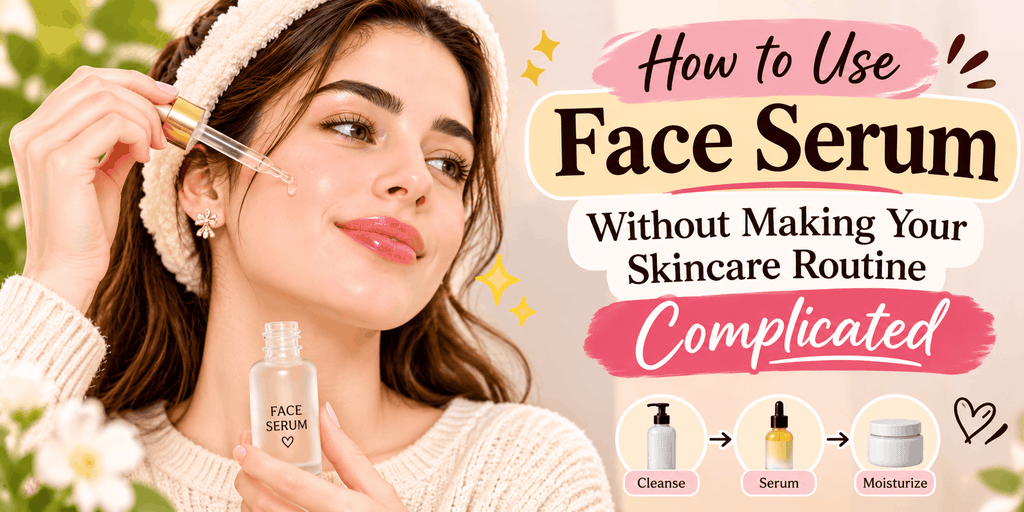
Using a serum correctly is not difficult, but the order of application and the amount of product can influence your experience.
A simple routine is usually more effective than applying multiple active products without understanding how they interact.
Step 1: Cleanse Your Face
Begin with a gentle cleanser to remove dirt, excess oil, sunscreen, and makeup.
Avoid aggressive cleansing because it can leave the skin feeling tight and uncomfortable.
Step 2: Apply Your Face Serum
Follow the instructions provided with your product.
Most serums require only a few drops. Gently spread the formula over the face, avoiding the eyes unless the product is specifically designed for that area.
For hydrating serums, slightly damp skin may improve the application experience.
Step 3: Follow With Moisturizer
Once the serum has been applied, use a moisturizer suited to your skin type.
This helps soften the skin and reduce moisture loss.
Even oily skin can benefit from an appropriate lightweight moisturizer.
Step 4: Finish With Sunscreen in the Morning
During the daytime, apply a broad-spectrum SPF 30 or higher sunscreen as the final step of your skincare routine.
This is especially important when using ingredients such as retinoids and exfoliating acids that can increase irritation or sun sensitivity.
At night, sunscreen is unnecessary, so you can finish with your regular moisturizer.
How Often Should You Apply Face Serum?
There is no single frequency that works for every serum.
Hydrating formulas containing glycerin or hyaluronic acid can generally be used daily, sometimes both morning and evening.
Vitamin C serums are commonly used once daily, particularly in the morning.
Niacinamide can often be used daily, depending on the product concentration and your skin’s tolerance.
Exfoliating acids should usually be introduced less frequently, especially if you are new to active skincare.
Retinol products should also be introduced gradually, often beginning with a few applications per week before increasing frequency if tolerated.
Always follow the product instructions. If you experience persistent burning, redness, or peeling, reduce use or discontinue the product and seek professional advice if necessary.
How to Choose a Face Serum That Actually Matches Your Skin
Before buying a serum, identify the main concern you want to address.
If your skin feels tight and dehydrated, a hydrating formula may be the most practical choice.
If uneven pigmentation is your primary concern, consider ingredients such as vitamin C, niacinamide, or azelaic acid.
If your goal is improving the appearance of fine lines, retinoids may be worth discussing with a dermatologist.
For oily or acne-prone skin, look for formulas containing suitable concentrations of salicylic acid or niacinamide.
Also pay attention to the complete formulation rather than focusing on one attractive ingredient mentioned on the packaging.
A serum containing a popular active ingredient can still irritate your skin if the overall formula does not suit your needs.
Consider these factors before purchasing:
- Ingredient List: Look for ingredients that address your actual concern.
- Skin Compatibility: Consider your skin type and any known sensitivities.
- Concentration: Higher percentages are not automatically better.
- Packaging: Ingredients such as vitamin C can be sensitive to light and air, so packaging matters.
- Product Instructions: Check the recommended frequency and ingredient combinations.
- Consistency: Choose something you can comfortably use as part of your routine.
You do not need five different serums to achieve healthy-looking skin. Sometimes one carefully selected formula is enough.
Final Thoughts
A face serum may come in a small bottle, but choosing the right one can make your skincare routine considerably more focused.
Whether you want better hydration, a brighter-looking complexion, smoother texture, or support for visible signs of aging, the right ingredients can help you work toward those goals.
The biggest mistake is assuming that more products or stronger concentrations automatically produce better results. Healthy skincare is about understanding what your skin needs and giving it time to respond.
Start with one suitable serum, use it consistently, protect your skin with sunscreen, and avoid introducing several active ingredients at once.
Ultimately, the best face serum is not the one everyone is talking about. It is the one that works comfortably with your skin and makes your routine feel simpler rather than more complicated.
A face serum delivers concentrated skincare ingredients that target concerns such as dryness, dullness, uneven skin tone, acne, and fine lines.
Yes, many face serums can be used daily. However, the frequency depends on the ingredients. Hydrating serums are generally suitable for daily use, while retinol and exfoliating acid formulas should be introduced gradually.



2 Comments