
Japanese skin care has become one of the most popular beauty trends around the world. Known for its gentle approach, nourishing ingredients, and focus on long-term skin health, Japanese skin care offers a practical way to maintain a naturally healthy-looking complexion. Instead of depending on harsh treatments or complicated beauty routines, it emphasizes hydration, protection, prevention, and consistency.
Japanese beauty traditions have been followed for generations. Many traditional ingredients, including rice water, green tea, camellia oil, and fermented rice extracts, continue to inspire modern cosmetic products. These ingredients are now combined with advanced skin care technology to create products suitable for different skin types and concerns.
One of the most interesting things about Japanese skin care is its philosophy. The goal is not simply to cover imperfections or achieve temporary results. Instead, it focuses on maintaining the skin’s natural balance and protecting it from everyday environmental stress. Whether someone has dry, oily, sensitive, or combination skin, Japanese beauty practices offer different ways to build a suitable routine.
Another reason this approach is so popular is its simplicity. A good skin care routine does not always require ten different products. Using a few carefully selected products regularly can help maintain hydration, support the skin barrier, and improve the overall appearance of the complexion.
In this guide, we will explore everything about Japanese skin care, including its philosophy, popular ingredients, essential products, daily routines, benefits, and tips for choosing the right products.
What Is Japanese Skin Care?
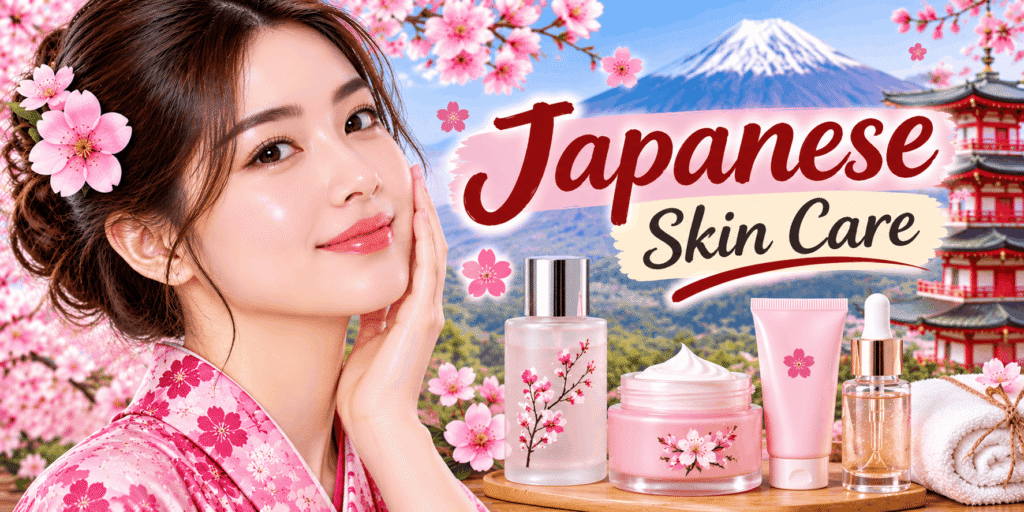
Japanese skin care, commonly known as J-Beauty, is a beauty approach that focuses on gentle cleansing, deep hydration, skin protection, and long-term maintenance. It combines traditional Japanese beauty practices with modern cosmetic science to create products that support healthy-looking skin.
Unlike some beauty routines that involve frequent exfoliation or several strong active ingredients, Japanese skin care generally emphasizes balance and prevention. The idea is to keep the skin clean, hydrated, and protected without exposing it to unnecessary irritation.
A traditional Japanese-inspired routine may include an oil cleanser, facial cleanser, hydrating lotion, serum, moisturizer, and sunscreen. However, the number of products depends on individual skin needs. Some people prefer a simple three-step routine, while others enjoy using additional products for specific concerns.
Japanese beauty culture also places importance on consistency. Rather than constantly changing products, people are encouraged to understand their skin and choose formulations that work well for them. This approach makes daily skin care easier to maintain.
Hydration is another major part of Japanese skin care. Well-hydrated skin often looks smoother, softer, and more refreshed. Many Japanese products therefore contain moisturizing ingredients that help attract and retain water.
Overall, Japanese skin care is about developing healthy habits, choosing suitable ingredients, and protecting the skin over time.
The Philosophy Behind Japanese Skin Care
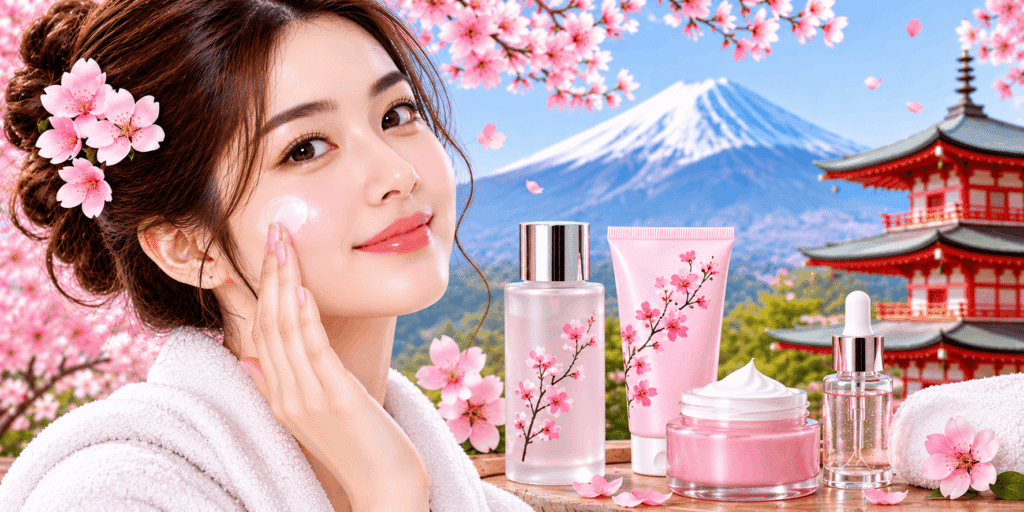
The philosophy behind Japanese skin care is based on simplicity, patience, prevention, and balance. It encourages people to take care of their skin regularly instead of waiting until visible problems appear.
Prevention is one of its most important principles. Protecting the skin from sunlight, pollution, dryness, and other environmental factors can help maintain its appearance. This is why sunscreen is considered an essential part of a daily Japanese-inspired routine.
Another important principle is gentle treatment. Excessive scrubbing, harsh cleansers, and frequent exfoliation can weaken the skin barrier. Japanese skin care generally favors mild formulations that remove impurities while keeping the skin comfortable.
Hydration is equally important. Skin that lacks moisture can feel tight, rough, and uncomfortable. Japanese beauty products often include ingredients such as hyaluronic acid, glycerin, and ceramides to help maintain moisture.
Consistency is also a major part of this philosophy. Using suitable products regularly is often more practical than following a complicated routine that is difficult to maintain.
Japanese beauty traditions also appreciate natural-looking skin. Instead of relying entirely on makeup to create a smooth appearance, the focus is on maintaining the skin’s condition through proper cleansing, hydration, and protection.
Popular Ingredients Used in Japanese Skin Care
Japanese skin care products are popular for their combination of traditional ingredients and modern formulations. Many ingredients used in Japanese beauty products have a long history in traditional beauty practices, while others come from modern cosmetic research.
1. Rice Extract
Rice has been an important part of Japanese beauty traditions for generations. Rice bran, rice water, and rice-derived ingredients are commonly included in facial cleansers, moisturizers, and lotions.
Rice-based ingredients contain various compounds, including antioxidants and moisturizing components. They are used in skin care products designed to soften the skin and improve its appearance.
Rice bran oil is another popular ingredient because it contains fatty acids that help condition the skin. It can be found in cleansing products and nourishing moisturizers.
People who experience dullness or dryness may enjoy using rice-based skin care products as part of a moisturizing routine. However, results depend on the complete formulation rather than one ingredient alone.
2. Green Tea
Green tea is another well-known ingredient in Japanese skin care. It contains natural antioxidants called catechins, which help protect against oxidative stress.
Green tea extracts are commonly used in facial cleansers, toners, serums, and moisturizers. They are especially popular in products designed for oily and combination skin.
Some green tea formulations also provide soothing benefits, making them useful for people looking for gentle skin care products.
Because green tea is lightweight and versatile, it can be included in different types of skin care routines.
3. Camellia Oil
Camellia oil, also known as Tsubaki oil, has a long history in Japanese beauty traditions. It is particularly famous in hair care, but it is also used in facial oils and moisturizers.
This oil contains fatty acids that help soften the skin and reduce moisture loss. It can be useful for people who experience dryness or roughness.
Camellia oil is available in different formulations, including facial oils and cleansing products. People with oily or acne-prone skin may prefer lightweight products containing smaller amounts of oil.
4. Hyaluronic Acid
Hyaluronic acid is a popular moisturizing ingredient in modern Japanese skin care. It attracts water and helps maintain hydration in the skin.
Products containing hyaluronic acid are available in lotions, serums, creams, and facial masks. They can help improve the appearance of dehydrated skin and make it feel smoother.
For a comfortable application, use a hyaluronic acid product on slightly damp skin and follow it with a moisturizer.
This ingredient is suitable for many skin types because it provides hydration without necessarily making the skin feel oily.
5. Fermented Rice and Sake Ingredients
Fermented ingredients have an important place in Japanese beauty traditions. Fermented rice products are used in some modern skin care formulations because they contain amino acids and other compounds that help condition the skin.
Sake-derived ingredients are also found in certain lotions, essences, and moisturizers. These ingredients are inspired by traditional Japanese fermentation practices.
Their benefits depend on the specific extract, concentration, and complete product formulation. People with sensitive skin should always check the ingredient list before using fermented skin care products.
6. Ceramides
Ceramides are naturally occurring lipids that play an important role in maintaining the skin barrier. They help keep moisture inside the skin while supporting its protective structure.
Many Japanese moisturizers contain ceramides, particularly products designed for dry or sensitive skin.
Using a suitable ceramide moisturizer can help improve feelings of dryness, tightness, and discomfort.
Ceramides are especially useful in routines focused on maintaining a healthy skin barrier.
Essential Products in a Japanese Skin Care Routine
A Japanese skin care routine can include several products, but each one serves a particular purpose. Understanding these products can help you create a routine that matches your skin type and personal preferences.
Cleansing Oil
Cleansing oil is commonly used as the first step of double cleansing. It helps dissolve makeup, sunscreen, excess sebum, and other oil-based impurities.
To use cleansing oil, apply it to dry skin and massage gently. Add a little water to emulsify the product before rinsing it away.
This step can be especially useful for people who wear makeup or water-resistant sunscreen. However, it is not necessary for everyone.
Facial Cleanser
A facial cleanser removes dirt, sweat, and remaining impurities from the skin. Japanese facial cleansers are available in several forms, including foam, gel, cream, and liquid formulas.
People with dry skin may prefer creamy cleansers, while those with oily skin may enjoy gentle gel or foaming products.
The most important thing is choosing a cleanser that removes impurities without leaving the face feeling excessively tight or dry.
Japanese Lotion
Japanese lotions are different from many traditional Western body lotions. They are generally lightweight, watery products designed to hydrate the face after cleansing.
Many Japanese lotions contain ingredients such as hyaluronic acid, glycerin, rice extract, and ceramides.
They can be applied using clean hands by gently pressing the product into the skin.
A hydrating lotion helps prepare the skin for the remaining steps of a routine.
Essence and Serum
Essences and serums are concentrated skin care products designed to address particular concerns.
A hydrating serum may contain hyaluronic acid, while a product for uneven skin tone may include niacinamide or vitamin C.
You do not need to use several serums at once. Choosing one or two products according to your main skin concerns is usually a more practical approach.
Moisturizer
A moisturizer helps maintain hydration and supports the skin’s protective barrier.
Japanese moisturizers come in different textures, including lightweight gels, emulsions, lotions, and rich creams.
People with oily skin may prefer lightweight formulas, while those with dry skin may benefit from richer moisturizers containing ceramides or nourishing oils.
Moisturizer is important for all skin types because hydration and oil production are not the same thing.
Sunscreen
Sunscreen is one of the most important products in any Japanese skin care routine. It protects the skin from harmful ultraviolet radiation, which contributes to premature aging, pigmentation, and skin damage.
Japanese sunscreens are especially popular because many offer lightweight textures and comfortable finishes.
Choose a broad-spectrum sunscreen with at least SPF 30. Apply it generously to exposed skin and reapply approximately every two hours when outdoors, particularly after swimming or sweating.
How to Build a Japanese Skin Care Routine
Building a Japanese skin care routine does not mean purchasing every product available. The best approach is to start with essential products and gradually introduce additional treatments if necessary.
Morning Skin Care Routine
The morning routine should focus on hydration and protection. It prepares the skin for daily activities and helps protect it from environmental factors.
Step 1: Gentle Cleanser
Start by washing your face with a mild cleanser. If your skin is dry and does not feel oily in the morning, rinsing with water may be sufficient.
Step 2: Hydrating Lotion
Apply a lightweight Japanese lotion to provide moisture and help prepare your skin for other products.
Step 3: Serum
Use a serum that addresses your main skin concern. For example, hyaluronic acid can help with dehydration, while niacinamide may help improve the appearance of uneven skin tone.
Step 4: Moisturizer
Apply a suitable moisturizer to maintain hydration and support the skin barrier.
Step 5: Sunscreen
Finish your routine with broad-spectrum SPF 30 or higher. Sunscreen should be applied every morning, even when the weather is cloudy.
Evening Skin Care Routine
The evening routine focuses on removing daily buildup and maintaining skin hydration overnight.
Step 1: Cleansing Oil
Use a cleansing oil to remove makeup and water-resistant sunscreen when necessary.
Step 2: Facial Cleanser
Follow with a gentle facial cleanser to remove remaining impurities.
Step 3: Hydrating Lotion
Apply your preferred Japanese lotion to restore moisture after cleansing.
Step 4: Serum or Essence
Use a serum or essence according to your skin’s needs. Avoid combining too many strong active ingredients.
Step 5: Moisturizer
Finish with a suitable moisturizer to help reduce moisture loss while you sleep.
This routine can be adjusted depending on your skin type, lifestyle, and product preferences.
Japanese Skin Care for Different Skin Types
Every person has different skin needs. Choosing products according to your skin type is important for building a routine that feels comfortable and effective.
Japanese Skin Care for Dry Skin
Dry skin often feels tight, rough, or flaky. It may become more uncomfortable during winter or in environments with low humidity.
People with dry skin should focus on moisturizing and barrier-supporting ingredients. Ceramides, glycerin, hyaluronic acid, and squalane are useful ingredients to look for.
A gentle cleanser, hydrating lotion, nourishing serum, and rich moisturizer can help maintain moisture.
Avoid excessive exfoliation and very hot water because both can contribute to dryness.
Japanese Skin Care for Oily Skin
Oily skin produces more sebum, which can create shine and contribute to clogged pores.
Lightweight Japanese skin care products may be suitable for this skin type. Gel moisturizers, gentle cleansers, and non-comedogenic sunscreens can provide hydration without feeling excessively heavy.
Green tea extract and niacinamide are popular ingredients in products designed for oily or combination skin.
Avoid using harsh cleansers to remove all natural oil because this can irritate the skin and weaken its protective barrier.
Japanese Skin Care for Sensitive Skin
Sensitive skin may react to fragrance, harsh cleansing agents, or certain active ingredients.
A simple routine is often the best starting point. Choose gentle, fragrance-free products containing ingredients such as ceramides and glycerin.
Introduce new products one at a time and perform a patch test before applying them to your entire face.
If irritation continues, stop using the product and consider consulting a dermatologist.
Japanese Skin Care for Combination Skin
Combination skin usually has an oily T-zone and drier cheeks. This means different areas of the face may require different levels of moisture.
Lightweight lotions and balanced moisturizers are useful starting points.
You can apply a richer moisturizer to dry areas while using a lighter product on oilier parts of the face.
The goal is to maintain comfortable hydration without making the T-zone feel excessively greasy.
Popular Japanese Skin Care Brands
Japan has several established beauty brands offering products for different skin types, preferences, and budgets. Many combine traditional beauty ingredients with modern cosmetic research.
Hada Labo
Hada Labo is widely recognized for its hydrating skin care products, particularly its hyaluronic acid lotions.
The brand focuses on moisture and simple formulations. Its products are popular among people who prefer lightweight hydration and uncomplicated routines.
Shiseido
Shiseido is one of Japan’s most recognized beauty companies. It offers a wide selection of skin care, makeup, and sun protection products.
The brand combines cosmetic research with modern beauty technology and provides options across different price ranges.
KOSÉ
KOSÉ is another well-known Japanese beauty company. Its product ranges include facial cleansers, lotions, moisturizers, and sunscreens.
The brand combines traditional Japanese beauty concepts with contemporary cosmetic formulations.
DHC
DHC is particularly famous for its cleansing oil, which is designed to remove makeup and impurities.
The company also offers moisturizers, facial cleansers, and other skin care products for different routines.
Curél
Curél is known for skin care products designed for dry and sensitive skin.
Its range includes cleansers and moisturizers formulated with ceramide-related technology. These products can be worth exploring for people who want to focus on maintaining their skin barrier.
Japanese Skin Care vs. Korean Skin Care
Japanese and Korean skin care share several similarities, but their beauty traditions and product philosophies are somewhat different.
Japanese skin care, commonly called J-Beauty, generally emphasizes simplicity, prevention, hydration, and long-term skin maintenance. Its routines often focus on a carefully selected collection of products.
Korean skin care, commonly known as K-Beauty, is often associated with multiple skin care steps, innovative formulations, and a wide variety of product textures.
Both approaches offer useful products, and neither is automatically better than the other.
Japanese skin care often features rice extract, green tea, camellia oil, and hydrating lotions. Korean skin care is frequently associated with ingredients such as centella asiatica, snail mucin, ginseng, and fermented extracts.
Another difference is the routine structure. Japanese routines can be relatively simple, while Korean routines may include additional steps such as essences, ampoules, sheet masks, and specialized treatments.
However, modern products from both countries offer a wide variety of formulations. The best choice depends on your skin type, preferences, budget, and individual concerns.
Some people also combine Japanese and Korean products to create a personalized routine.
Benefits of Following a Japanese Skin Care Routine
Japanese skin care offers several potential benefits when suitable products are selected and used consistently.
1. Improved hydration: Hydrating lotions, serums, and moisturizers help reduce dryness and make the skin feel softer.
2. Supports the skin barrier: Ingredients such as ceramides and glycerin help maintain the skin’s protective barrier.
3. Gentle cleansing: Mild cleansers help remove impurities without unnecessarily stripping natural moisture.
4. Sun protection: Daily sunscreen helps protect against UV damage and premature skin aging.
5. Simple routines: A focus on essential products can reduce unnecessary spending and make daily skin care easier.
6. Traditional ingredients: Rice, green tea, and camellia oil provide additional choices for people interested in traditional Japanese beauty ingredients.
7. Long-term consistency: A manageable routine is easier to follow regularly, making it more practical for everyday life.
It is important to understand that no skin care routine guarantees perfect skin. Results vary according to skin type, product formulation, lifestyle, and individual needs.
Common Mistakes to Avoid in Japanese Skin Care
Even a gentle skin care routine can become ineffective if products are used incorrectly. Avoiding common mistakes can help you maintain a comfortable and balanced routine.
Using Too Many Products
Adding multiple lotions, essences, serums, and creams does not automatically improve skin health. Too many products may increase the risk of irritation and make it difficult to identify which ingredients are suitable.
Start with essential products and introduce additional treatments only when needed.
Skipping Sunscreen
Some people spend considerable time choosing cleansers and moisturizers but forget daily sun protection.
Sunscreen is important because ultraviolet exposure can damage the skin even when the weather is cloudy.
Make it the final step of your morning routine.
Choosing Products Only Because They Are Japanese
A product being Japanese does not automatically make it suitable for every skin type.
Always check the ingredients, formulation, and intended use before purchasing. Your skin’s individual needs should guide your decisions.
Overusing Exfoliating Products
Exfoliation can help remove dead skin cells, but excessive use may cause redness, dryness, and irritation.
Follow the product instructions and avoid combining several strong exfoliating ingredients without appropriate guidance.
Changing Products Too Frequently
Skin care products often require time before their effects can be evaluated.
Constantly switching between products makes it difficult to understand which ingredients are helping your skin. Introduce one new product at a time and monitor how your skin responds.
Tips for Getting the Best Results from Japanese Skin Care
Following a few simple habits can make your routine more effective and comfortable.
- Choose products according to your skin type and main concerns.
- Cleanse gently without scrubbing your face aggressively.
- Apply hydrating products while your skin is slightly damp.
- Use moisturizer regularly to support moisture retention.
- Apply sunscreen every morning and reapply when necessary.
- Avoid introducing several new active ingredients simultaneously.
- Check ingredient lists if you have sensitive skin or known allergies.
- Give your routine enough time instead of expecting overnight changes.
- Store products according to their packaging instructions.
- Maintain healthy habits, including sufficient sleep and balanced nutrition.
Consistency is more important than the number of products in your collection. A simple routine that suits your skin is often easier to maintain than a complicated routine filled with unnecessary steps.
How to Choose the Best Japanese Skin Care Products
Choosing the best Japanese skin care products begins with understanding your skin. Before purchasing anything, identify whether your skin is dry, oily, combination, normal, or sensitive.
Next, consider your main concern. If dryness is your biggest issue, look for products containing glycerin, hyaluronic acid, ceramides, or other moisturizing ingredients.
If uneven skin tone is your concern, you may prefer formulations containing niacinamide or vitamin C. People with oily skin may benefit from lightweight, non-comedogenic moisturizers and gentle cleansers.
Product texture is also important. Lightweight gels and emulsions may feel more comfortable on oily skin, while richer creams can be useful for dry skin.
Pay attention to product labels, ingredient lists, expiration dates, and usage instructions. Purchase genuine products from trustworthy retailers and avoid suspiciously cheap items from sellers who cannot provide reliable product information.
If you have persistent acne, severe irritation, or another ongoing skin concern, consult a qualified dermatologist instead of relying entirely on cosmetic products.
Final Thoughts
Japanese skin care is more than a beauty trend. It represents a thoughtful approach to maintaining healthy-looking skin through gentle cleansing, consistent hydration, effective sun protection, and carefully selected ingredients.
From rice extract and green tea to camellia oil, hyaluronic acid, and ceramides, Japanese beauty products offer many options for different skin types and concerns. Popular brands such as Hada Labo, Shiseido, KOSÉ, DHC, and Curél also provide a variety of products for different budgets and preferences.
The most important lesson is that healthy skin does not require an extremely complicated routine. Start with a gentle cleanser, a suitable moisturizer, and daily sunscreen. Gradually introduce other products according to your skin’s needs.
With patience, suitable products, and consistent care, Japanese skin care can become a practical and enjoyable part of your everyday beauty routine.
Japanese skin care is a beauty approach that focuses on gentle cleansing, hydration, skin protection, and long-term skin maintenance. It combines traditional ingredients with modern cosmetic technology
Popular ingredients include rice extract, green tea, camellia oil, hyaluronic acid, fermented rice ingredients, and ceramides. Each offers different moisturizing or skin-conditioning benefits.
Yes, many Japanese products are formulated with gentle and moisturizing ingredients. However, sensitive skin can react differently to individual ingredients, so choosing fragrance-free products and performing patch tests is recommended.
Japanese skin care generally emphasizes simplicity, hydration, prevention, and long-term skin maintenance. Korean skin care is often associated with multi-step routines, product innovation, and targeted treatments.



One Comment