Uneven skin tone can show up as dark patches, lingering acne marks, redness, sun spots, or areas that look noticeably different from the surrounding skin. These changes can make your complexion appear less uniform, even when your skin feels healthy. The good news is that a consistent skincare routine, sun protection, and carefully chosen ingredients may gradually improve the appearance of many types of discoloration.
However, not every dark patch has the same cause, and the right approach depends on what is happening beneath the surface. Some marks develop after inflammation, while others are connected to sun exposure, hormonal changes, irritation, or an underlying skin condition. Instead of trying several strong products at once, it is better to understand your skin, introduce suitable ingredients slowly, and give your routine enough time to work.
This guide explores practical ways to manage uneven skin tone, from everyday habits to skincare ingredients and professional treatments. The aim is not to change your natural complexion but to help your skin look clearer, healthier, and more consistent.
Why Your Complexion May Look Uneven

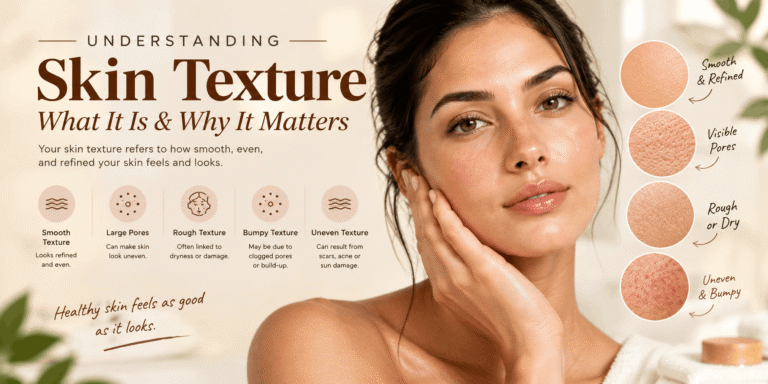
Uneven skin tone is a broad term rather than a single skin condition. It can describe hyperpigmentation, redness, visible spots, or differences in color and texture. Identifying the likely cause is an important first step because a product that helps one type of discoloration may do very little for another.
One common cause is post-inflammatory hyperpigmentation. After acne, an insect bite, a burn, or another form of irritation, the skin may leave behind a brown, gray, or darker mark. These marks can remain after the original problem has disappeared, particularly in skin tones that produce more visible pigmentation following inflammation.
Sun exposure is another major factor. Ultraviolet radiation can stimulate pigment production and contribute to freckles, sun spots, and uneven coloration over time. Hormonal changes can also contribute to melasma, which often appears as larger brown patches on the cheeks, forehead, upper lip, or other areas of the face. Heat and visible light may worsen melasma in some people.
Sometimes the issue is not pigmentation at all. Dryness can make the surface look rough or patchy, while irritation from fragranced products, over-exfoliation, or harsh cleansers may cause redness and make discoloration more noticeable.
If a patch appears suddenly, changes rapidly, bleeds, becomes painful, or looks significantly different from your other spots, seek medical advice rather than treating it as ordinary pigmentation. Persistent or unexplained discoloration also deserves professional assessment, especially when the cause is unclear.
Everyday Habits That Help Your Skin Look More Even
Skincare products can support a more balanced complexion, but daily habits often determine whether your results last. You do not need an elaborate routine to get started. A few consistent choices can help reduce new discoloration and protect the progress you make.
Make Sun Protection a Daily Priority
If uneven skin tone is your main concern, sunscreen is one of the most useful products to add to your routine. Sun exposure can deepen existing dark marks and encourage new spots to develop, even when you are not spending the day at the beach.
Choose a broad-spectrum sunscreen with SPF 30 or higher. Apply it generously to exposed skin, including your face, neck, ears, and other uncovered areas. Reapply approximately every two hours when outdoors, and sooner after swimming, sweating heavily, or wiping your skin. Hats, shade, and protective clothing offer additional support.
People who experience melasma or persistent brown patches may benefit from a tinted sunscreen containing iron oxides. These formulas can provide some protection against visible light, which may contribute to pigmentation in susceptible skin. Check the product label, as not every tinted sunscreen contains iron oxides.
Sunscreen does not erase existing spots overnight. Its main role is to help prevent further darkening and allow other suitable treatments to work without repeated sun exposure undermining progress.
Keep Your Skin Hydrated Without Overcomplicating Your Routine
Hydration will not directly remove every dark mark, but it can improve the appearance and comfort of your skin. When the skin barrier is dry or irritated, the complexion may look dull, flaky, and uneven. A suitable moisturizer helps reduce water loss and supports the outer protective layer of the skin.
Look for ingredients such as glycerin, hyaluronic acid, ceramides, or other well-tolerated moisturizing agents. You do not need all of them in one formula; choose a product that feels comfortable and does not cause breakouts or irritation.
Drinking enough water is important for general health, but drinking excessive amounts will not specifically fade pigmentation. Focus on staying hydrated according to your needs and climate while using topical products to support the skin barrier.
A simple routine is often enough: a gentle cleanser, moisturizer, and sunscreen in the morning, followed by cleansing and moisturizing at night. If you are introducing a treatment ingredient, add it gradually rather than replacing your entire routine at once.
Be Careful With Foods, Drinks, and Skincare Claims
You may see claims that avoiding particular foods will automatically produce an even complexion. There is no universal list of foods that causes uneven skin tone in everyone, and restrictive diets are not a reliable pigmentation treatment.
A balanced eating pattern that includes fruits, vegetables, protein sources, healthy fats, and other nutrient-rich foods supports overall health. If a particular food consistently appears to trigger a skin problem for you, discuss the pattern with a qualified healthcare professional rather than cutting out entire food groups without a clear reason.
Also pay attention to products that sting, burn, or leave your skin persistently red. Frequent irritation can make some forms of discoloration worse, especially when it leads to inflammation. Strong scrubs, excessive cleansing, and layering several exfoliating acids may create more problems than they solve.
The goal is to keep your routine gentle enough to use consistently. A product does not need to tingle or peel your skin to be effective.
Skincare Ingredients That Can Improve the Appearance of Uneven Tone
Certain topical ingredients can help reduce the appearance of dark marks, support skin renewal, or improve the overall look of the complexion. Results depend on the cause of the discoloration, the formulation, how regularly the product is used, and whether your skin tolerates it.
Vitamin C for a Brighter-Looking Complexion
Vitamin C is an antioxidant used in many skincare products designed to improve dullness and the appearance of uneven pigmentation. It helps protect the skin against oxidative stress and can interfere with some processes involved in excess pigment production.
Serums containing vitamin C may be useful for people dealing with post-acne marks or a complexion that looks less radiant than usual. However, different forms of vitamin C vary in stability, strength, and how well they suit different skin types. A higher percentage is not automatically better.
Start with a formula designed for facial use and follow its directions. If your skin is sensitive, consider a lower-strength product or a gentler vitamin C derivative. Patch-test it before applying it widely, and stop using it if you develop persistent burning, swelling, or significant redness.
Vitamin C works best as part of a broader routine rather than as a replacement for sunscreen. If you are already using several active ingredients, introduce it separately so you can identify what is helping or irritating your skin.
Niacinamide for a More Balanced Appearance
Niacinamide, a form of vitamin B3, is a versatile skincare ingredient that may help improve the appearance of uneven skin tone. It can reduce the transfer of pigment-containing structures to skin cells, which may help some dark marks look less noticeable over time.
It also supports the skin barrier and can help improve the appearance of excess oil. This combination makes niacinamide an option for people who want to address discoloration without immediately turning to stronger exfoliating products.
Many products contain niacinamide at concentrations of around 2% to 5%, although formulations differ. Higher concentrations are not necessary for everyone and may cause irritation in some users. If your skin is reactive, start with a simple product and use it a few times a week before increasing frequency as tolerated.
You can often use niacinamide alongside moisturizer and sunscreen, and it is commonly combined with other ingredients. Still, adding one new product at a time makes it easier to monitor your skin and avoid unnecessary irritation.
Rosehip Oil for Dryness and Skin Comfort
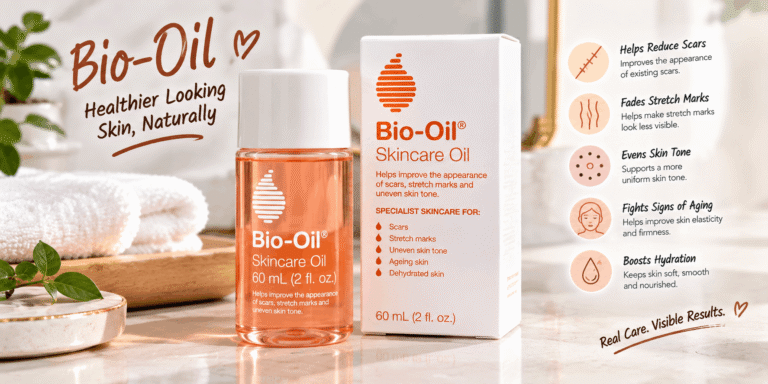
Rosehip oil is commonly used in moisturizers and facial oils because it contains fatty acids that help soften the skin and reduce moisture loss. Some products also contain naturally occurring compounds with antioxidant properties, although their levels can vary.
For skin that looks uneven because of dryness or rough texture, a suitable rosehip oil may help create a smoother, more comfortable appearance. It is not a guaranteed treatment for melasma, sun spots, or stubborn post-acne pigmentation, so keep expectations realistic.
Rosehip oil may suit some dry or normal skin types, while others may prefer a lighter moisturizer. Choose a product intended for facial use, follow the storage instructions, and discontinue it if it causes irritation or breakouts.
If your primary concern is dark spots, consider rosehip oil a supporting moisturizing product rather than your main pigment-targeting treatment. Sun protection and an ingredient with better evidence for your specific concern are likely to play a more central role.
Witch Hazel: Is It Necessary?
Witch hazel appears in some toners and products marketed for oily or blemish-prone skin. Depending on the formulation, it may temporarily make the skin feel less oily or give a tightening sensation. That feeling, however, does not mean that pigmentation is fading.
Some witch hazel products contain alcohol, fragrance, or other ingredients that can dry out or irritate the skin. This is particularly important if your uneven tone is associated with sensitivity, redness, or marks left after acne.
Witch hazel is not an essential step in an uneven-skin-tone routine. If you choose to use it, select a gentle formula and test it on a small area first. Stop if it leaves your skin tight, flaky, itchy, or irritated.
For many people, a gentle cleanser, a suitable moisturizer, sunscreen, and one well-chosen treatment ingredient are a more useful starting point than adding multiple toners.
Choosing the Right Approach for Stubborn Discoloration
When your complexion has several shades in different areas, it can be tempting to buy a strong brightening serum and expect every mark to fade. In reality, uneven skin tone is not one single problem. A brown mark left by an old breakout, a patch associated with hormonal changes, and redness caused by irritation may all need different approaches.
Before adding another product, look at how the discoloration developed. Did it appear after acne? Has it gradually become more noticeable following years of sun exposure? Does it form larger patches across the cheeks or forehead? These details can help you decide whether a simple skincare adjustment is reasonable or whether a dermatologist should assess the area.
The most useful routine is usually one you can follow without making your skin uncomfortable. Give products enough time to show whether they are helping, and avoid changing your entire routine every few days. If your skin becomes inflamed, treating that irritation may be more important than continuing a brightening product.
Could Kojic Acid Suit Your Skin?
Kojic acid is used in some cosmetic formulations intended for the appearance of dark spots. It affects tyrosinase, an enzyme involved in melanin production, which is why it appears in products designed for hyperpigmentation.
It may be worth considering if your main concern is localized discoloration rather than general redness or dryness. However, the results depend on the formulation and the reason the pigment developed. A product containing kojic acid cannot be expected to treat every type of uneven complexion.
Introduce it cautiously, especially if you already use acne treatments or exfoliating acids. Applying several active ingredients together can make it difficult to identify the source of irritation if your skin reacts. A patch test can help identify some immediate reactions, although it cannot guarantee that a product will never cause a problem.
Choose a properly formulated product from a reputable seller rather than mixing raw ingredients at home. If your skin develops persistent burning, itching, or swelling, stop using the product and seek advice when needed.
When Exfoliation Helps—and When It Becomes Too Much
Exfoliating ingredients can improve the appearance of rough texture and certain superficial marks, but they are not necessary for everyone. The key is choosing an ingredient for a specific purpose instead of treating every discoloration as a buildup of dead skin.
Glycolic Acid for a Smoother Surface
Glycolic acid belongs to the alpha hydroxy acid family. It helps loosen connections between surface skin cells, encouraging exfoliation and sometimes improving the look of dullness and uneven texture.
A carefully selected at-home formula may suit someone whose skin tolerates exfoliating acids. Begin with the product’s recommended frequency and avoid increasing use simply because results are not immediate. Excessive application can leave skin sore, flaky, or unusually sensitive.
If you have a history of developing dark marks after irritation, be particularly conservative. Inflammation from over-exfoliation can create the very discoloration you are trying to reduce. Daily sunscreen is also important when using exfoliating acids.
Salicylic Acid for Blemish-Prone Skin
Salicylic acid is an oil-soluble exfoliating ingredient often used to manage clogged pores and acne. Its value for uneven skin tone may come from helping reduce new blemishes that could otherwise leave lingering marks.
For example, if you repeatedly develop dark spots after breakouts, controlling the acne may help prevent additional marks from appearing. Existing discoloration may still need a separate treatment, and deep acne or scarring may require professional care.
Avoid combining multiple acne treatments without considering their combined effect. If your skin becomes tight, raw, or persistently irritated, reduce exposure and review your routine. More exfoliation does not automatically mean faster improvement.
Do Botanical Oils Deserve a Place in Your Routine?
Black seed oil, also known as nigella sativa oil, and other plant-derived products are often discussed in traditional skincare. Although some botanical ingredients have been investigated for biological properties, reliable evidence that black seed oil alone can substantially correct uneven facial pigmentation is limited.
That does not mean every botanical product is unsuitable. A well-formulated moisturizer containing plant-derived ingredients may help support skin comfort. The important distinction is between a product that moisturizes the skin and one that has demonstrated benefits for treating pigmentation.
Plant oils can also trigger allergic reactions or breakouts in some people. Avoid applying concentrated essential oils or untested homemade mixtures directly to the face. If you choose a botanical product, check its ingredient list, test it cautiously, and discontinue it if discomfort develops.
For persistent dark spots, a product with a clearer purpose and stronger supporting evidence may be a more sensible investment than relying on an oil simply because it is natural.
When Home Skincare May Not Be Enough
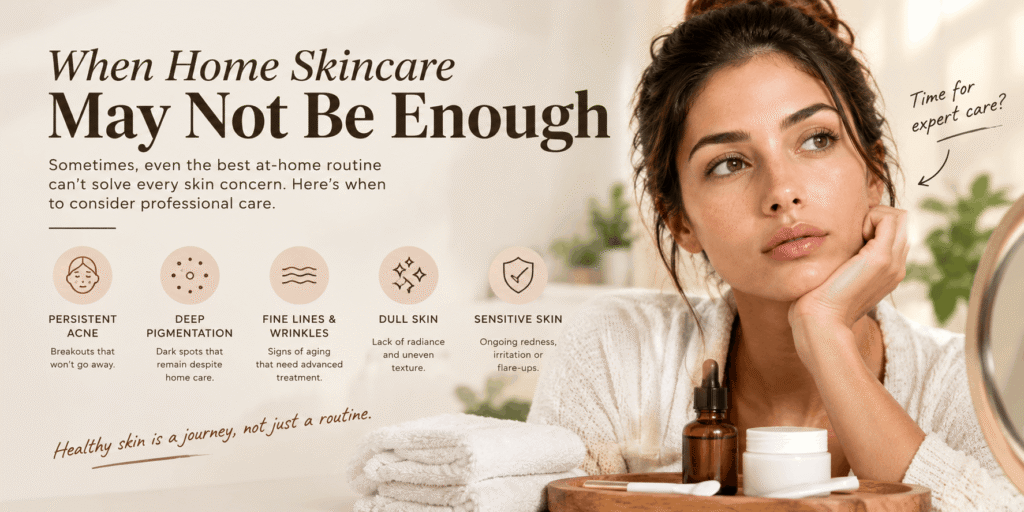
Some forms of discoloration improve with a consistent home routine, while others remain difficult to manage without professional assessment. If you have tried gentle skincare and sun protection without meaningful progress, a dermatologist can help identify the type of pigmentation and discuss suitable options.
Professional treatment is not automatically the fastest or safest route for every person. Certain procedures can cause irritation or trigger darker marks, particularly in skin that is prone to post-inflammatory hyperpigmentation. Before paying for a treatment, make sure you understand what it is designed to address.
Prescription Brightening Treatments Need Proper Supervision
Hydroquinone is a topical ingredient that can reduce melanin production and may be prescribed for certain pigmentation conditions. You might encounter products advertised as containing 4% hydroquinone, but that number alone does not establish whether a product is suitable for you.
The appropriate strength, treatment period, and monitoring depend on the diagnosis and local regulations. Unsupervised or prolonged use can cause adverse effects, including irritation and, rarely, exogenous ochronosis—a condition associated with persistent blue-black discoloration.
A dermatologist can determine whether hydroquinone is appropriate, explain how to use it, and discuss alternatives. Avoid products with unclear ingredients or sellers who promise dramatic skin lightening without explaining the risks.
The aim should be to treat a specific pigment concern safely, not to bleach your natural complexion. If you are pregnant, breastfeeding, or using other prescription skin treatments, discuss your circumstances with a qualified healthcare professional before starting a new medication.
Chemical Peels Require Careful Selection
A chemical peel uses a controlled chemical solution to exfoliate the skin. Different peels work at different depths, so their potential benefits, recovery periods, and risks are not identical.
A superficial peel may be considered for certain surface-level concerns, but deeper treatments require more caution. Possible complications include prolonged redness, burns, scarring, infection, and pigmentation changes.
Skin tone matters when choosing a peel. People with darker complexions may have a higher risk of developing post-inflammatory pigmentation after an overly aggressive procedure. Seek a qualified professional who regularly treats your skin type and can explain the likely outcome without making unrealistic promises.
Do not try to recreate a clinic treatment by purchasing a high-strength peel for home use. Concentration, application time, preparation, and aftercare all affect safety.
Are Lasers or Microdermabrasion Worth Considering?
Laser devices use selected wavelengths of light to target particular structures in the skin. Some may help with certain pigment spots, but the device and settings must be matched to the condition and the individual’s skin.
Melasma deserves particular care because heat and irritation from some procedures can aggravate it or lead to recurrence. A clinician should explain whether a laser is suitable, what improvement is realistic, and what alternatives are available.
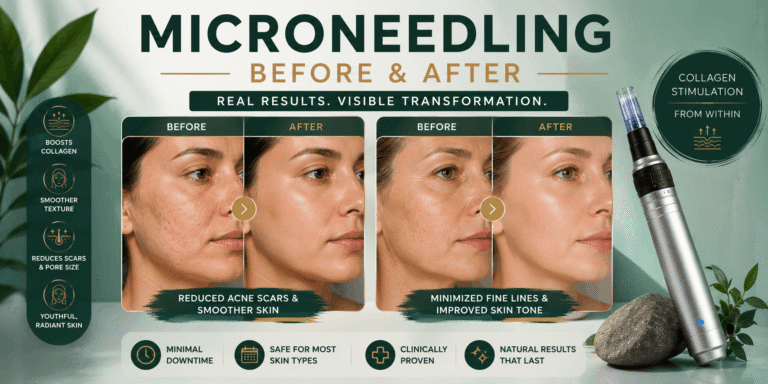
Microdermabrasion is different: it exfoliates the outer surface of the skin and is primarily used to improve texture. It may not meaningfully address pigment located deeper in the skin. Repeated or aggressive exfoliation can also produce irritation.
Before committing to either procedure, ask about the provider’s experience with your skin tone, expected recovery, possible side effects, and the likelihood that you will need maintenance. A thoughtful consultation is more useful than choosing a procedure based on a dramatic before-and-after photograph.
Be Skeptical of Injectable Skin-Lightening Claims
Injections and intravenous products promoted for skin lightening deserve special caution. Claims made about substances such as glutathione may be stronger than the evidence supporting their use for cosmetic pigmentation. Product quality, appropriate dosing, long-term safety, and effectiveness can also be uncertain.
Unverified products introduce additional risks because their ingredients or purity may not be reliable. Injecting substances without appropriate medical oversight can lead to serious complications, including infection and adverse reactions.
Do not purchase injectable lightening products from social media sellers or attempt to administer them yourself. If a medical professional proposes an injectable treatment, ask for evidence of its effectiveness, information about approved uses in your country, and a clear explanation of the risks.
Be similarly cautious of creams that promise to transform your skin color in a few days. Some unregulated lightening products have been found to contain harmful ingredients, including mercury or potent corticosteroids that may not be clearly disclosed.
How to Make Your Complexion Look More Uniform Today
Long-term skincare and immediate cosmetic coverage serve different purposes. You may need weeks or months to see changes in pigmentation, but makeup can reduce the visible contrast between marks and surrounding skin while you wait.
Start with a comfortable moisturizer if your skin is dry. Apply a thin layer of foundation, skin tint, or concealer where you want additional coverage, blending the edges rather than spreading heavy layers across your entire face.
Color correctors may also help. Green products can soften the appearance of redness, while peach or orange tones may help balance certain blue-gray or brown discolorations, depending on your natural skin tone. Choose shades carefully and apply small amounts to avoid creating another visible color difference.
If you use makeup regularly, remove it gently at night. Rubbing the skin aggressively can cause irritation, while leaving makeup on may be uncomfortable or contribute to clogged pores in some people. Look for products that suit your skin and discontinue any formula that repeatedly causes a reaction.
Makeup does not treat the underlying cause of pigmentation, but there is nothing wrong with using it for temporary coverage. You do not have to wait for every mark to disappear before feeling comfortable with your appearance.
Final Thoughts
A more even-looking complexion usually comes from making informed choices and giving them time—not from using the strongest product available. Start by understanding the type of discoloration you have, protect your skin from the sun, and keep the rest of your routine gentle.
Ingredients such as vitamin C, niacinamide, kojic acid, and selected exfoliating acids may have a role in particular routines, but none is a universal fix. Prescription products and in-office procedures need careful selection, especially when there is a risk of irritation or further pigmentation.
Avoid unverified skin-lightening products and be wary of claims promising instant transformation. Your natural skin tone does not need to be changed. A sensible goal is to support comfortable, healthy-looking skin and address specific marks safely, with professional guidance when needed.
That depends on the cause. Some temporary marks gradually fade, while conditions such as melasma can persist or return. A suitable routine may improve the appearance of discoloration, but complete removal cannot be guaranteed. Identifying the cause gives you a better chance of choosing an appropriate treatment.
There is no single ingredient that works best for everyone. Niacinamide may suit people looking for a relatively gentle addition, while vitamin C may be useful for some people concerned about dullness and dark marks. Exfoliating acids are more relevant to certain texture and acne concerns. Choose one product according to your needs and introduce it gradually.
Yes. Lemon juice, abrasive scrubs, concentrated essential oils, and other irritating mixtures may inflame the skin. That inflammation can sometimes leave darker marks, especially in people who are prone to post-inflammatory hyperpigmentation. Gentle, properly formulated products are generally a safer choice.