
An eyeliner can change the appearance of your eyes without requiring a complicated makeup routine. A narrow line along the lashes can make them appear more defined, while a thicker, softly blended line can add depth and drama. The challenge is finding a formula that gives you enough time to shape the line but does not smudge or disappear before you want it to. Choosing the right eyeliner pencil becomes much easier when you understand how different textures, tips, and finishes affect the final result.
Not every pencil is designed to create the same effect. Some glide across the eyelid with a creamy feel, making them suitable for smoky looks and blended edges. Others provide a firmer line that offers more control when working close to the lashes. Certain formulas are designed to resist moisture, while traditional pencils may be easier to adjust during application. Your ideal option depends on your makeup habits, eye shape, comfort preferences, and the kind of finish you enjoy wearing.
Rather than choosing a product simply because it is popular, consider how you actually apply eyeliner. Do you prefer a thin line for everyday makeup, a dramatic wing for evenings, or a soft shadow around the lash line? Answering that question can help you narrow down the choices and avoid spending money on a formula that does not suit your technique.
Finding the Right Formula for Your Eye Makeup 💄
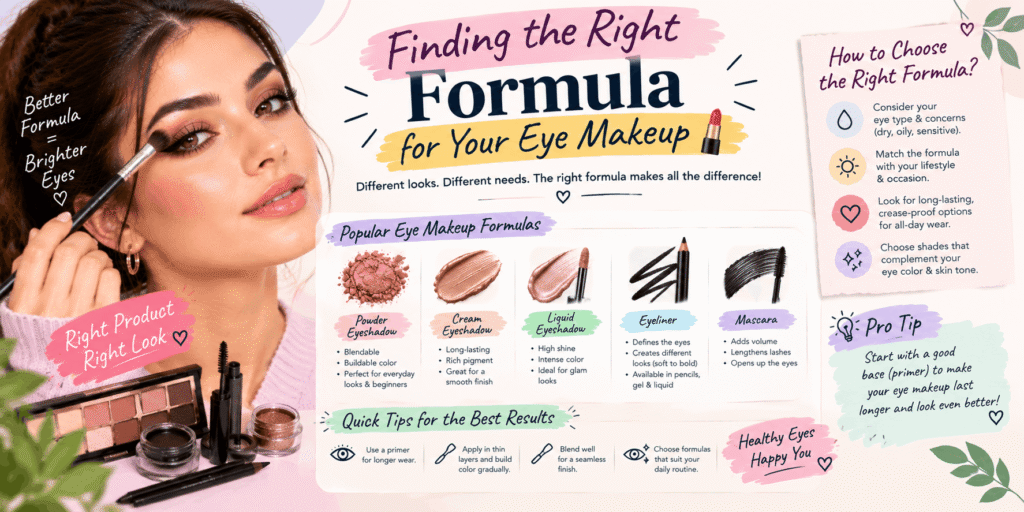
The texture of an eyeliner influences almost every stage of application. It affects how the product moves across the skin, how easily the line can be corrected, and how much pressure you need to apply. A pencil that feels effortless on one person’s eyelids may be too soft or too firm for someone else.
The Formulas Worth Understanding
Eyeliner pencils are popular with people who enjoy smooth application and softer definition. They can make it easier to create a diffused line, especially when the product is blended shortly after application. However, a very soft formula may transfer more readily on some eyelids, so wear time and setting technique are worth considering.
Gel-style pencils often aim to combine a smooth glide with more defined color. Depending on the specific formula, they may work well for precise lines or richer looks. Their performance varies considerably between products, so the label alone does not guarantee that a pencil will resist smudging or remain comfortable all day.
Traditional wooden pencils may offer a little more resistance during application. For some people, this extra control makes them useful for drawing a thin line near the lashes. Other users may prefer a softer texture that requires less pressure. If a pencil feels scratchy or causes discomfort, do not keep pressing harder to achieve a darker result.
Retractable designs are convenient because they usually do not require a separate sharpener. They can be practical for a makeup bag or travel routine, although the tip may need to be advanced carefully to avoid breaking it. Wooden pencils, on the other hand, can be sharpened to create a finer point when detailed application is important.
Match the Finish to the Look You Want
Black eyeliner creates strong definition and can make a makeup look feel more dramatic. Brown shades often provide softer contrast and can be useful for everyday styles, particularly when you want definition without a very sharp appearance. Charcoal, navy, plum, and olive offer additional options for people who want something different from standard black.
Finish matters as much as shade. A matte pencil can create a clean, understated line, while a satin or metallic finish introduces a subtle reflection. Shimmer and multicolored effects may be attractive for creative makeup, but they are not necessary for every occasion. If you are building a small collection, begin with a shade and finish you will use regularly before exploring more experimental options.
A Simple Way to Choose Your First Pencil
Think about the three qualities that matter most to you: ease of application, resistance to smudging, and color intensity. If you are new to eyeliner, a formula that moves comfortably and allows gentle correction may be easier to learn with. If your main concern is keeping a line in place for several hours, investigate wear claims and look for reliable information about the product’s performance.
You should also consider removal. A very resistant formula may suit a long event, but you will need a makeup remover capable of removing it without excessive rubbing. The best everyday product is one that performs well during wear and can be removed comfortably at the end of the day.
Eyeliner Styles That Call for Different Pencil Designs ✨
A eyeliner pencil does not need to produce every eyeliner style equally well. The way you want to shape the line can help determine whether a soft, flexible tip or a firmer, more precise one is the better choice.
For a Fine Line Along the Lashes
A thin line can create definition without becoming the main feature of your makeup. It is useful when you want your lashes to appear more noticeable while keeping the rest of the look understated.
For this style, a controlled tip is helpful. Work in short sections rather than attempting one long stroke from the inner corner to the outer edge. Small movements give you more opportunities to keep the line close to the lashes and adjust its thickness gradually. If the pencil is too blunt for the detail you want, sharpening a wooden version or carefully advancing a retractable tip may improve control.
Avoid stretching the eyelid aggressively while drawing the line. Instead, use a comfortable position and look slightly downward into a mirror if that makes the lash line easier to see. Take your time around the inner corner, where a thick line can quickly become more noticeable than intended.
For a Smoky or Softly Blended Look
A smoky effect relies on softened edges rather than a perfectly sharp outline. A creamy pencil can be useful because it may allow you to blend the line before the formula sets. Apply a small amount close to the lashes, then use a clean blending brush to soften the edge.
The key is to work gradually. Adding too much pigment at once can make the result difficult to control, especially when using a dark shade. Start with a narrow line and expand it only where you want additional depth. If you prefer a more structured shape, keep the darkest color close to the lashes and blend the upper edge outward.
Not every long-wearing pencil remains easy to blend for very long. Some formulas set quickly, so check the product instructions and work on one eye at a time when necessary. A formula that gives you enough blending time can make this style easier to achieve.
For a Winged Finish
Winged eyeliner depends on shape and symmetry as much as pigment. A pencil can create a softer wing than liquid liner, which may suit people who prefer a less sharply defined result. A firmer tip can help establish the direction of the wing, while a softer pencil can be useful for building color and blending the base.
Start by deciding where the outer edge should point. Make a small mark, then connect it to the outer portion of the lash line using short strokes. Keep the initial shape narrow and adjust the thickness after checking both eyes. It is usually easier to add a little more product than to correct a wing that has become too thick.
If you want a crisp, graphic wing, a pencil may need to be paired with another product to sharpen the edges. For a softer wing, gentle blending can make minor differences between the two sides less noticeable. The goal is to create a shape that complements your makeup rather than forcing both eyes to look perfectly identical.
Choosing an Eyeliner Pencil That Fits Your Routine
The best eyeliner pencil is not necessarily the one with the darkest pigment or the longest list of features. A product can look impressive in a swatch but feel difficult to control on the eyelid. Another may offer a comfortable texture yet require more frequent touch-ups than you prefer. Looking at how a pencil performs in everyday situations gives you a more useful basis for choosing one.
What to Check Before Buying
Start with the tip. It should allow you to create the line you want without requiring uncomfortable pressure. A very soft tip may be pleasant to apply but can break if too much product is exposed. A firm tip may offer more precision, although it should still move comfortably over the skin.
Next, consider the formula’s intended finish and wear characteristics. Words such as waterproof, water-resistant, smudge-resistant, and long-wearing describe different claims, and they should not automatically be treated as interchangeable. Read the product details carefully and remember that individual results can vary with eyelid oiliness, eye shape, weather, and the rest of your makeup.
Packaging can influence convenience, too. A retractable pencil is useful when you do not want to carry a sharpener. A traditional pencil may be more practical if you prefer to maintain a fine point. Check whether the cap closes securely and whether the mechanism advances the product smoothly.
Shade selection deserves more thought than simply choosing black. If you regularly wear warm brown eyeshadows, a deep brown liner may fit naturally into your routine. If your makeup often includes cool tones, charcoal or navy may offer a useful alternative. A colorful pencil can be a fun addition, but consider whether you will use it often enough to justify the purchase.
How to Compare Products Fairly
Product descriptions and promotional images can make almost every eyeliner appear flawless. To make a more informed choice, look for details that explain how the pencil behaves rather than relying only on dramatic before-and-after photographs.
Useful questions include:
- Does the formula glide without excessive pressure?
- Can you correct the line before it sets?
- Does the tip maintain its shape during use?
- Is the finish appropriate for the makeup looks you usually wear?
- Can the product be removed without repeated rubbing?
- Are the ingredients and usage instructions clearly provided?
Customer feedback can help identify recurring experiences, such as a tip that breaks easily or a formula that transfers onto the upper eyelid. However, one person’s experience does not establish how a product will perform for everyone. Look for consistent patterns across multiple reviews and consider whether the reviewer has similar preferences to yours.
Application Details That Can Make a Noticeable Difference
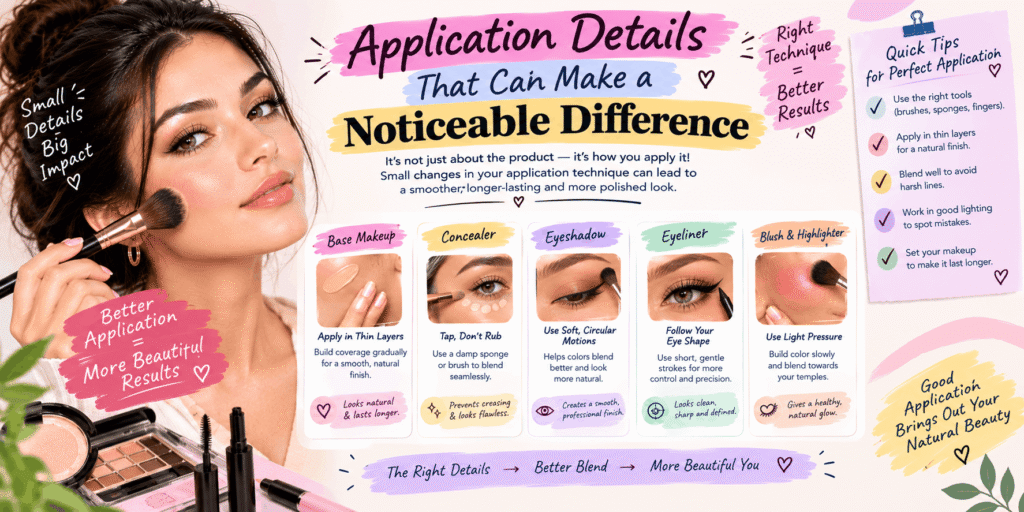
Even a suitable pencil can produce an uneven line when the application process is rushed. You do not need advanced makeup skills to improve your results; a stable hand, manageable strokes, and a little patience are often more useful than applying additional pigment.
Build the Line Gradually
Instead of trying to create your entire eyeliner shape in one movement, divide the process into small sections. Begin near the outer portion of the lash line and work toward the center, then fill in any gaps with short strokes. This gives you more control over thickness and helps prevent the line from becoming wider than intended.
If you are creating a wing, establish its direction before filling in the rest of the shape. Compare both eyes while the lines are still easy to adjust. Small differences are normal because the two sides of the face are not perfectly symmetrical. Focus on creating a balanced appearance rather than spending excessive time trying to make every detail identical.
A pencil can also be useful for creating a softer lower-lash definition. Use a light touch and concentrate the color where you want additional depth. Avoid applying a heavy dark line automatically, since it may create a stronger effect than you intended.
Make Removal Part of Your Routine
Long-lasting eyeliner can be useful, but it should not become difficult to remove at the end of the day. Use a makeup remover suitable for eye makeup and follow its directions. Allow the product to loosen the liner before gently wiping it away instead of scrubbing the eyelid.
Avoid pulling at the delicate skin around the eyes or repeatedly rubbing the lash line. If pigment remains, use a fresh cotton pad or another suitable applicator and repeat the removal process gently. Clean removal is especially important when wearing resistant formulas or layering eyeliner with other eye products.
Do not share eye pencils without following appropriate hygiene precautions, and avoid using a product if its texture, smell, or appearance changes unexpectedly. Replace products according to their packaging instructions and applicable cosmetic safety guidance.
Eye Comfort and Everyday Safety
A beautiful eyeliner look should not come at the expense of eye comfort. If you have sensitive eyes or wear contact lenses, read the product labeling and choose products intended for the area where you plan to apply them. Sensitivity varies from person to person, so a product that works well for one user may not suit another.
Be Careful Around the Waterline
The waterline is the moist inner edge of the eyelid. Applying makeup there can create a different appearance from placing eyeliner along the outer lash line, but it also puts the product closer to the eye’s surface. Not every pencil is intended for this area.
Check the manufacturer’s instructions before using an eyeliner on the waterline. Avoid applying a product there if its labeling does not support that use. If you experience burning, persistent watering, redness, or discomfort, stop using the product and remove it gently. Seek professional medical advice if symptoms persist or are severe.
When a Product Does Not Suit You
Discomfort should not be treated as something you have to tolerate for the sake of a makeup look. If a pencil repeatedly causes irritation, discontinue it rather than attempting to cover the symptoms with other cosmetics. Consider whether another product, application location, or formula may be more appropriate, and seek professional guidance if reactions continue.
People with known eye conditions or a history of reactions to cosmetics may benefit from discussing suitable products with a qualified healthcare professional. Product descriptions can provide useful information, but they cannot guarantee that a formula will be suitable for every individual.
Final Thoughts
Finding an eyeliner that suits you is less about chasing a universally perfect product and more about understanding your own preferences. The right choice should feel comfortable during application, create the finish you want, and fit the amount of time you are willing to spend on your makeup.
Pay attention to the texture, tip design, shade, wear claims, and removal process before making a purchase. Think about whether you need a precise line, a softly blended edge, a dramatic wing, or a versatile product that can handle several styles. These practical details can help you choose more confidently than popularity alone.
Once you have a suitable pencil, focus on technique. Work in small sections, build color gradually, and check the result before adding more product. Keep eye hygiene in mind, follow the manufacturer’s instructions, and stop using any formula that causes discomfort.
A well-chosen eyeliner pencil can become a useful part of your routine without requiring a complicated collection or elaborate application process. When the product matches your habits and your technique feels comfortable, creating anything from subtle lash definition to a more dramatic look becomes much more manageable.
A beginner may find a pencil with a comfortable texture and manageable tip easier to control than a formula that sets almost immediately. Brown or charcoal can be useful starting shades if you prefer a softer effect, while black works well when you want stronger definition. Choose based on your desired look and practice with short strokes before attempting a dramatic wing.
Begin by checking whether the formula is suitable for your eyelids and the conditions in which you wear makeup. Apply a controlled amount, allow the product to set when required, and avoid layering too much creamy product in one area. If your eyelids become oily, the right preparation and a compatible formula may help, although no product can guarantee a completely smudge-free result for everyone.
Neither option is automatically better for every situation. Waterproof formulas may be useful when moisture resistance is important, while other pencils may offer easier blending or simpler removal. Consider how long you need the makeup to last and how comfortably you can remove it afterward.

5 Comments