An undercut haircut is one of those men’s hairstyles that can look completely different from one person to another. The basic idea is simple: the sides and back are kept noticeably shorter than the hair on top, creating a clear contrast between the two sections. From a neat office-friendly version to a bold disconnected style, the haircut can be adapted to different hair lengths, textures, and personal preferences.
What makes the undercut especially interesting is the amount of freedom it gives you on top. You can keep the hair short and easy to manage, grow it to medium length for a quiff or side part, or let it become long enough to slick backward. The sides provide the structure while the top determines much of the personality of the finished look.
What Is an Undercut Haircut?
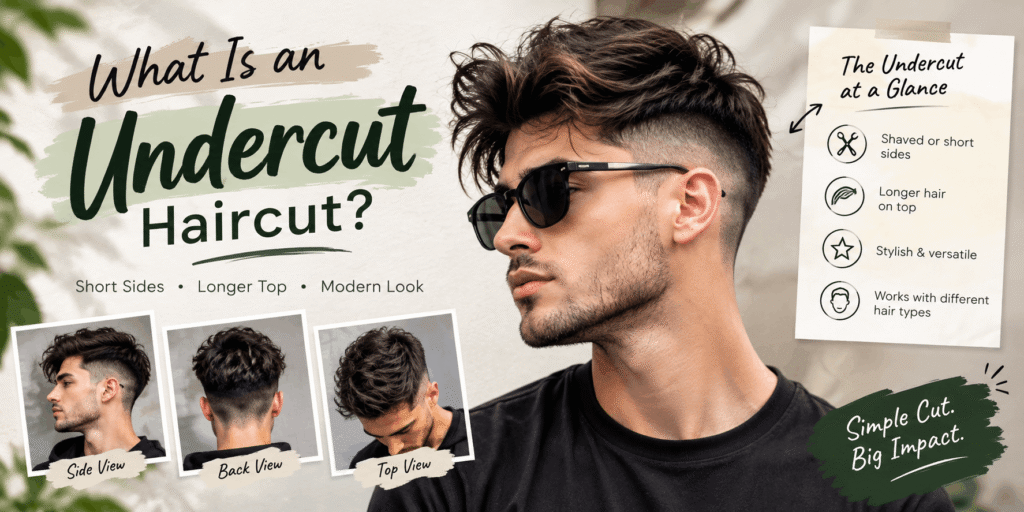
An undercut haircut separates the shorter sides and back from the longer hair above them. Unlike many traditional fades, the transition does not always have to gradually blend into the top. In some versions, the difference is intentionally obvious, giving the haircut its recognizable contrast.
The amount of contrast can be adjusted. Someone wanting a subtle everyday appearance might choose a softer undercut with a modest difference between the sides and top. Someone looking for a stronger statement can leave the top considerably longer and create a disconnected effect.
The shape of the top is just as important as the short sides. Hair can be pushed backward, swept to one side, lifted upward, left naturally textured, or allowed to fall toward the forehead. This means the same basic haircut can support several different styles without changing the entire cut.
Modern Undercut
The modern undercut takes the classic concept and makes it more adaptable to contemporary hairstyles. The sides and back are trimmed short while the top remains long enough to style according to the wearer’s preference.
A shorter top can make the haircut practical and low-effort, while a longer top creates more opportunities for volume and texture. The barber can also adjust the height of the undercut depending on how dramatic you want the contrast to appear.
For a cleaner everyday look, the top can be textured rather than heavily sculpted. This gives the hairstyle movement and prevents it from appearing overly rigid. A small amount of styling product can then help control loose strands.
Disconnected Undercut
A disconnected undercut makes the contrast between the top and sides much more noticeable. Instead of creating a gradual transition, the longer hair on top appears to sit separately from the very short sides.
This version has a stronger visual impact and works particularly well when the top has enough length to be styled backward, sideways, or upward. The sharp separation is part of the design, so it should be discussed clearly with your barber before the haircut begins.
Because the top is usually more prominent, keeping it healthy and manageable becomes important. Regular washing, conditioning, and occasional trimming of the longer section can help maintain its shape while the sides are kept short.
Undercut With a Fade
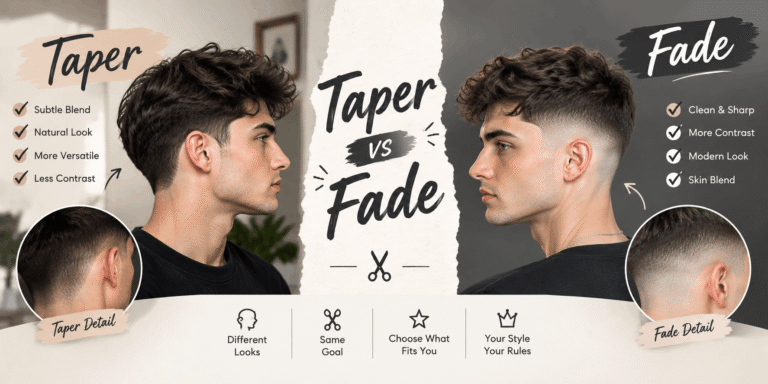
An undercut can also be combined with a fade when you want a softer transition around the sides. A low fade keeps the shorter section closer to the lower part of the head, while a higher fade creates more visible contrast.
This combination gives you more flexibility than a completely disconnected version. The barber can determine where the fade begins and how strongly it should contrast with the longer top.
The top can then be styled in several directions. A textured finish can create a relaxed appearance, while a slicked-back or side-parted finish can look more structured. The advantage of combining the two techniques is that you can control both the side profile and the personality of the top.
10 Undercut Haircut Styles for Men
There is no single way to wear an undercut. The length and texture of the top can completely change the result. If you’re considering one, looking at the different variations first can help you explain the type of finish you want instead of simply asking for an “undercut.”
Short Undercut
A short undercut is a practical choice for men who like the contrast of the style without dealing with a large amount of hair on top. The top remains short enough to manage quickly, while the sides are trimmed considerably closer.
Because there is less hair to work with, styling can be simple. You can use a small amount of matte product to add texture or leave the top relatively natural. This version can also work well for someone who wants a modern haircut without spending much time in front of the mirror.
The key is getting the proportions right. If the top is cut too short compared with the sides, the characteristic undercut contrast can become less obvious. A skilled barber can adjust the length according to the shape of your head and the density of your hair.
Medium Undercut
A medium undercut gives you more styling possibilities while remaining easier to manage than a very long version. The additional length on top allows you to experiment with a side part, brushed-back finish, textured styling, or a small amount of volume.
This length is particularly useful if you are unsure how much hair you want to leave on top. It provides enough flexibility to change the appearance from day to day without requiring an entirely different haircut.
For a natural finish, work a lightweight styling product through slightly damp or dry hair and shape it with your fingers. If you prefer a more polished appearance, a comb can create cleaner lines.
The sides can remain very short for stronger contrast or be blended with a fade for a softer profile. That small change can make the same medium undercut feel either bold or understated.
Long Undercut
A long undercut creates one of the strongest contrasts between the top and sides. The hair on top can extend far beyond the length of the sides, giving you enough material for styles such as slicked-back hair, a loose side sweep, or other textured finishes.
This version requires more attention because longer hair generally needs more time to style. The direction in which the hair naturally grows can also influence the finished look. Instead of forcing every strand into an unnatural position, it is often easier to work with the existing movement of the hair.
Longer hair also makes maintenance slightly different. While the sides may need frequent trimming to preserve the undercut shape, the top should not necessarily be cut every time. Your barber can focus on removing damaged or uneven ends while preserving the length you need for styling.
Wavy and Curly Undercut
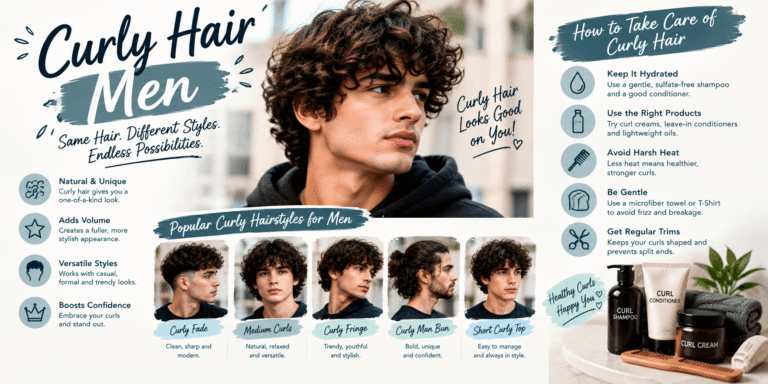
An undercut can work particularly well with naturally wavy or curly hair because the short sides create a strong frame around the texture on top. Rather than trying to make the curls completely uniform, the haircut can allow their natural movement to become the main feature.
For wavy hair, a textured top can produce a relaxed and effortless appearance. The sides provide contrast while the waves add volume and movement.
Curly hair can create an even more noticeable difference because the top may appear fuller against the closely trimmed sides. The amount removed from the sides should be considered carefully, though. Taking them extremely short can create a very dramatic contrast, while leaving slightly more length can produce a softer result.
Hair products should also match the texture. A lightweight curl-enhancing or moisturizing product can help define natural movement without making the hair feel unnecessarily heavy.
Undercut With Fringe
Adding a fringe changes the direction of the hairstyle completely. Instead of pushing the longer top backward or sideways, some of the hair is allowed to move toward the forehead.
The fringe can be short and structured or longer and more relaxed. A textured fringe can make the haircut feel casual, while a cleaner fringe creates a sharper appearance.
This variation is especially useful for men who like the contrast of an undercut but do not want the top to look permanently swept away from the face. The barber can adjust the fringe according to the length and natural movement of the hair.
The sides remain the defining feature of the undercut, but the fringe gives the top a separate visual identity. That combination makes it easy to create a hairstyle that feels different from the more familiar slicked-back versions.
What to Consider Before Getting an Undercut
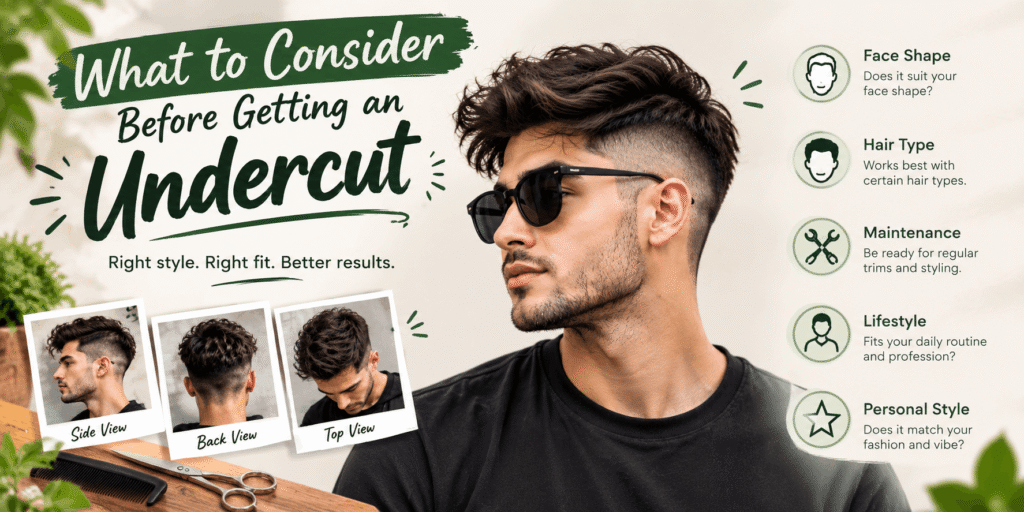
Before choosing an undercut, think about how much time you actually want to spend styling your hair. A photo may look impressive because the hair has been carefully prepared, but your everyday routine may require something simpler.
Your natural hair texture matters too. Straight, wavy, and curly hair can all work with an undercut, but they behave differently. Straight hair may need product or blow-drying to create volume, while naturally wavy or curly hair may already have plenty of movement.
The length you choose on top is another major decision. Shorter hair is generally quicker to style, while longer hair gives you more options but can require additional effort. If you are getting an undercut for the first time, a moderate top length can give you room to experiment before committing to a very dramatic contrast.
It is also worth thinking about maintenance. The sides and back are a major part of the haircut’s appearance, so once they grow out, the original contrast can become less defined. If you want the haircut to consistently look sharp, regular barber visits may be necessary.
Most importantly, bring a reference photo when visiting your barber. The word “undercut” can mean different things to different people. Showing the exact side profile, top length, and level of contrast you prefer can make communication much easier.
More Undercut Haircut Styles for Men
Undercut Quiff
An undercut quiff combines the clean sides of an undercut with a lifted, voluminous top. The front section is usually longer than the hair toward the back, allowing it to be pushed upward and slightly backward.
This style works well when you want your haircut to have noticeable height without making the entire top look overly formal. The contrast between the short sides and raised front also gives the hairstyle a defined silhouette.
For styling, start with a small amount of product and concentrate on the roots near the front. A blow dryer can help direct the hair upward while your fingers or a brush shape the quiff. Finish with a product that provides enough hold to keep the front in place.
The quiff does not have to be perfectly sculpted. A slightly textured finish can make it look more relaxed and easier to wear every day.
Side Part Undercut
The side part undercut brings a more traditional element into a modern haircut. The top is separated with a visible part, then combed toward one side while the shorter sides create the characteristic undercut contrast.
This is a useful option if you want something that can work in both casual and more polished settings. The part can be subtle for a natural appearance or more defined when you want the hairstyle to look sharper.
Hair with some natural thickness can make the style easier to shape, but thinner hair can also work with the right technique. Avoid using too much heavy product, as excessive weight can flatten the top and reduce the contrast that makes the style interesting.
A comb gives the cleanest result, while using your fingers instead can produce a less formal version.
Pompadour Undercut
The pompadour undercut takes volume to another level. The front and upper section are grown long enough to create a pronounced sweep backward, while the short sides keep the overall shape from becoming too bulky.
This style is particularly noticeable from the side because the top creates a curved, elevated profile. It can be styled with a smooth finish or given more texture depending on the product and technique you use.
Getting the shape right starts before the styling product goes in. Blow-drying the top in the direction you want can establish volume and make the final styling easier. A small amount of pomade or another suitable styling product can then help control the shape.
Because the pompadour relies heavily on length and volume, it generally requires more daily styling than a short undercut. If you enjoy experimenting with your hair, however, the extra effort can give you considerably more flexibility.
Slicked-Back Undercut
The slicked-back undercut is one of the most recognizable combinations of long top hair and short sides. Instead of allowing the hair to fall forward, the entire top is directed toward the back.
The finished appearance can range from glossy and formal to natural and textured. The difference usually comes down to the product and how tightly the hair is combed.
For a classic finish, apply product evenly through the top and use a comb to guide the hair backward. For a more contemporary appearance, use your fingers instead and leave some natural separation between sections.
The length of the top matters here. If it is too short, there may not be enough hair to maintain the backward direction. If it is very long, styling may take more time and require stronger control.
Undercut With a Mohawk
An undercut with a mohawk creates a much bolder appearance by keeping the central strip of hair more prominent while the sides are cut very short. The top can be worn upright for a dramatic shape or styled with texture for a less rigid interpretation.
This version is more distinctive than many everyday undercuts, so it is worth considering how comfortable you are with a stronger haircut before choosing it.
The width of the longer section can also change the overall effect. A narrower strip creates a more dramatic contrast, while a wider top can feel easier to style and less extreme.
For textured hair, the natural movement can become part of the design. Straight hair can instead be shaped upward with styling product and careful blow-drying.
Choosing the Right Undercut for Your Hair
An undercut haircut should not be selected simply because a particular photo looks good. The same style can behave differently depending on your hair’s thickness, texture, growth pattern, and the amount of time you want to spend maintaining it.
If your hair is naturally straight, you have plenty of options because the top can be directed in different ways. A side part, slicked-back finish, quiff, or textured style can all be created depending on the length.
Wavy hair can add natural movement to the top, making an undercut look less rigid. Instead of trying to remove that texture, you can use it as part of the finished hairstyle.
Curly hair creates a different effect again. The curls can provide volume and definition above the short sides, producing a strong contrast without requiring excessive styling.
Hair thickness also affects the result. Thick hair may need some weight removed from the top so that it sits properly, while finer hair can benefit from a cut and styling method that creates the appearance of additional volume.
Matching the Top Length to Your Style
Think about what you want your hair to do before deciding how much length to leave on top.
If convenience is your priority, keeping the top relatively short can reduce styling time. If you want a quiff, pompadour, or slicked-back appearance, more length will usually be necessary.
Medium length is often a flexible middle ground. It gives you enough hair to experiment with different directions without creating an especially demanding daily routine.
Longer hair provides the greatest number of styling possibilities, but it also makes the haircut more dependent on regular care. Longer strands can become harder to control if they are dry, damaged, or uneven.
Rather than choosing a length based only on a reference photo, explain your daily routine to your barber. Someone who rarely uses styling products may need a different cut from someone who enjoys spending time creating a specific shape.
What to Tell Your Barber
The word “undercut” alone may not communicate exactly what you want. A better conversation includes details about the sides, the back, the top, and the amount of contrast.
Show your barber a reference photo that resembles the result you want. If possible, use an image that clearly shows the side and back rather than only the front.
Tell them how much length you want to keep on top and whether you want the sides disconnected or blended. You can also explain whether you prefer a subtle appearance or a strong contrast.
If you’re uncertain about how short the sides should be, ask the barber to discuss the available options before starting. It is much easier to agree on the shape beforehand than to try to change it after the hair has been cut.
Your natural hair pattern should also be part of the conversation. If your hair grows in a particular direction or has areas that naturally sit differently, the barber can account for that when shaping the top.
Keeping the Sides Sharp
One of the most noticeable features of an undercut is the difference between the short sides and the longer top. As the sides grow, that contrast gradually becomes less defined.
How often you need a cleanup depends on how short you keep the sides and how quickly your hair grows. Some people prefer a frequent trim to keep the shape crisp, while others are comfortable allowing the haircut to become softer between appointments.
The neckline and area around the ears can also affect how tidy the haircut looks. Keeping these areas neat can make an older haircut appear more intentional even when the sides are no longer freshly trimmed.
If you are growing the haircut out, resist the temptation to make frequent major changes. Allowing the lengths to develop evenly can make it easier to transition into another style later.
Styling the Longer Top
The top is where most of the personality of an undercut comes from, so your styling routine should match the look you are trying to create.
For a natural finish, begin with a small amount of lightweight product and distribute it evenly rather than concentrating too much in one area. Use your fingers to create texture and let the hair retain some movement.
For a cleaner appearance, a comb can help establish a side part or direct the hair backward. If you need extra volume, blow-drying can help shape the roots before applying your finishing product.
Avoid assuming that more product automatically means better hold. Too much can make the hair heavy, greasy, or difficult to reshape. Starting with a small amount allows you to add more only if necessary.
Hair care matters as well. Shampooing according to your hair and scalp needs, using conditioner when appropriate, and avoiding unnecessary heat can help keep the longer top looking healthier. A good haircut is easier to style when the hair itself is in good condition.
How to Keep an Undercut Looking Fresh
An undercut haircut benefits from consistency. The sides can lose their sharp appearance as they grow, while the longer top may gradually become harder to control.
A simple maintenance routine can make a difference. Keep track of when the sides start looking noticeably different from the shape you originally wanted. That is usually a better indicator for a cleanup than following a fixed schedule that may not suit your hair.
The top does not always need to be shortened at every visit. If you are intentionally growing it for a quiff, pompadour, slicked-back style, or another longer look, tell your barber so they can maintain the shape without removing unnecessary length.
It is also useful to take occasional photos of your haircut when you like the way it looks. These can become helpful references during future barber appointments, especially if you want the same proportions again.
Final Thoughts
An undercut haircut gives men plenty of room to create a style that matches their hair and routine. The defining contrast between the shorter sides and longer top can be subtle or dramatic, while the top itself can be shaped into a quiff, side part, pompadour, slicked-back finish, or even a mohawk.
The best approach is to think beyond the initial haircut. Consider how your hair naturally behaves, how much styling you are willing to do, and how often you want to maintain the shorter sides. A reference photo and a clear conversation with your barber can also prevent misunderstandings about the amount of contrast or length you want.
Whether you prefer a simple short version or a more dramatic long-top design, the versatility of an undercut is what keeps it relevant. With the right proportions and a routine you can realistically maintain, it can become a hairstyle that works for both everyday wear and more polished occasions.
Yes, the undercut remains a versatile men’s hairstyle because it can be adapted with different top lengths, textures, and styling directions. Modern versions can be subtle, faded, disconnected, or more dramatic.
There is no single required length. A short top works for easy styling, while medium or long hair gives you more options such as a quiff, pompadour, side part, or slicked-back finish.
Yes. An undercut can work well with thick hair because removing length from the sides reduces some of the bulk around the head. The barber can also adjust the top to make the hair easier to manage.
2 Comments