A burst fade is one of those haircuts that can completely change the look of a hairstyle without requiring the entire sides to be faded. Its curved fade around the ears creates a distinctive shape, making everything from short textured cuts to curly mohawks look sharper.
But not every burst fade looks the same. The height of the fade, the length on top, your hair texture, and even a simple design detail can turn the same basic haircut into something completely different. Here are 27 styles worth considering before your next haircut.
What Is a Burst Fade?
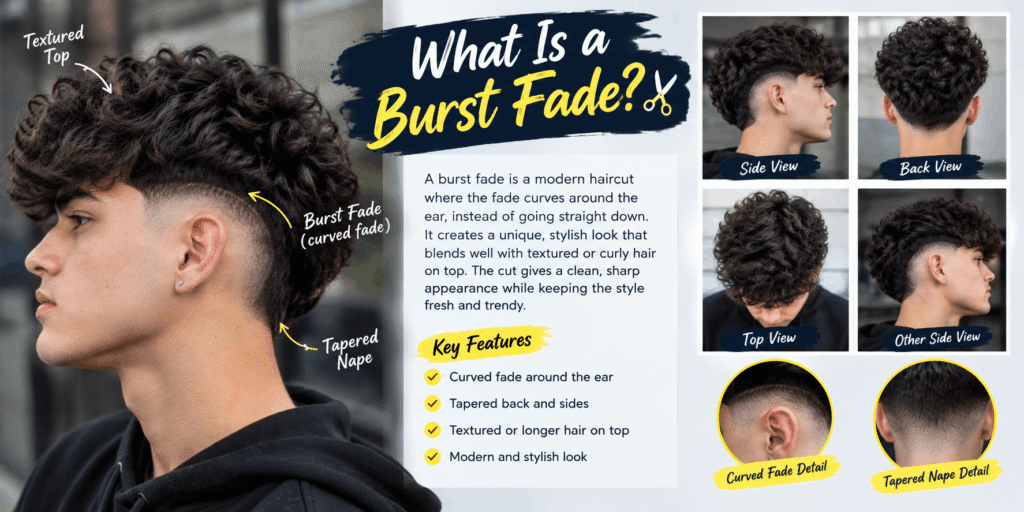
A burst fade is a type of fade that curves around the ear and gradually becomes shorter toward the sides and back. Unlike a traditional fade that usually travels horizontally around the head, the burst fade focuses on creating a rounded, “bursting” shape around the ear.
This makes it especially interesting for hairstyles that leave more length at the back or top. Mohawks, mullets, curls, textured styles, and even simple short cuts can all be paired with a burst fade.
The biggest advantage is versatility. You can keep the fade relatively low for a subtle appearance, take it higher for more contrast, or combine it with a skin fade for a much sharper finish.
Because the fade follows the natural shape around the ear, small changes in placement can make a noticeable difference. That is why it helps to choose the overall hairstyle first rather than treating the fade as the only part of the haircut.
Popular Burst Fade Haircuts
1. Low Burst Fade
A low burst fade is a great starting point if you want the characteristic curved shape without taking the fade too high. The shorter section stays closer to the ear, while more hair remains visible around the sides and back.
This makes the style relatively subtle while still giving a classic haircut a modern edge. It can work particularly well with textured, wavy, or slightly longer hair on top.
2. Textured Short Hair With Burst Fade
Short textured hair becomes more interesting when paired with a clean burst fade. The contrast between the controlled sides and the textured top creates a hairstyle that looks modern without being overly complicated.
A little natural movement on top can prevent the haircut from appearing too flat. This combination is also versatile enough to work with both casual and more polished looks.
3. Mid Burst Fade
A mid burst fade sits between a low and high version, creating a noticeable transition around the ear while leaving enough length above it.
It is a useful middle ground if you want the fade to be clearly visible but do not want the sides to look extremely short. Pairing it with a textured top can make the transition look even more defined.
4. Short Curly Hair With Sharp Burst Fade
Curls and a burst fade create an eye-catching contrast. The natural volume of the curls stays concentrated on top while the curved fade gives the sides a cleaner outline.
For short curly hair, the burst shape can also help emphasize the texture rather than hiding it. A clean finish around the edges can make the curls appear more intentional.
5. Burst Taper Fade
The burst taper fade offers a slightly softer interpretation of the haircut. Instead of creating an extremely dramatic transition, the taper keeps the overall appearance more gradual.
This can be a good option if you like the shape of a burst fade but prefer a less aggressive finish. The result can look neat without taking away too much of the natural hair around the sides.
6. Textured Long Hair With Burst Fade
Longer hair on top creates a stronger contrast with the faded section around the ear. The extra length can be worn naturally textured, pushed back, or allowed to fall forward.
This style is particularly useful if you want the haircut to have movement rather than a tightly controlled shape. The burst fade keeps the sides cleaner while allowing the top and back to remain expressive.
7. Brush Back With Burst Fade
A brushed-back style paired with a burst fade combines a classic top with a contemporary side profile. The longer hair is directed backward, while the fade creates definition around the ears.
The contrast can make the hairstyle look more structured without requiring an elaborate design. It is a particularly interesting choice for someone who likes traditional styling but wants a modern haircut underneath it.
8. High Burst Fade
A high burst fade creates more contrast because the shorter area travels higher around the sides. The remaining hair on top and toward the back therefore becomes much more prominent.
This version can make a hairstyle look bolder even when the top itself is relatively simple. It works especially well when there is enough texture or volume to create a clear difference between the faded and longer sections.
9. Curly Burst Fade Mohawk
The curly burst fade mohawk is one of the most recognizable combinations. The hair through the center remains longer, while the curved fade around the ears emphasizes the mohawk shape.
Natural curls can make the center section look fuller and more dimensional. Instead of trying to make every curl identical, the hairstyle can use the natural texture as part of its character.
10. Short, Messy Style With Burst Fade
A messy short haircut can look surprisingly sharp when combined with clean faded sides. The contrast between deliberately textured hair and a neat burst fade keeps the style from looking unstructured.
This is a good example of how the haircut does not have to be complicated to stand out. A simple textured top can become much more distinctive once the sides have a defined shape.
11. Long Fringe With Burst Fade and Shaved Design
A longer fringe gives this burst fade a completely different personality. The front can remain noticeably longer while the sides provide a clean contrast.
Adding a simple shaved design can make the haircut even more distinctive. However, the design should complement the shape of the fade rather than competing with the fringe.
12. Fresh Spiky Mohawk Burst Fade
For a more energetic appearance, combine a burst fade with a spiky mohawk. The longer center section creates height and texture, while the fade around the ears makes the silhouette easier to see.
The hairstyle can be kept relatively short or left longer for a more dramatic effect. Either way, the burst fade helps separate the central section from the sides.
13. Simple Crew Cut With Burst Fade and Beard
A crew cut proves that a burst fade does not have to be paired with a dramatic hairstyle. Keeping the top short creates a clean, straightforward appearance, while the curved fade adds an unexpected detail.
A short beard can visually connect the haircut with the lower part of the face, creating a more complete appearance. The key is keeping the overall shape balanced rather than making either the haircut or beard unnecessarily complicated.
14. Burst Skin Fade
A burst skin fade takes the contrast up another level by fading the shortest area down very close to the skin around the ear.
Because the difference between the longer hair and the faded section is more noticeable, this version can look especially crisp. It works best when the surrounding hairstyle has enough definition to make the contrast intentional.
More Burst Fade Haircuts to Try
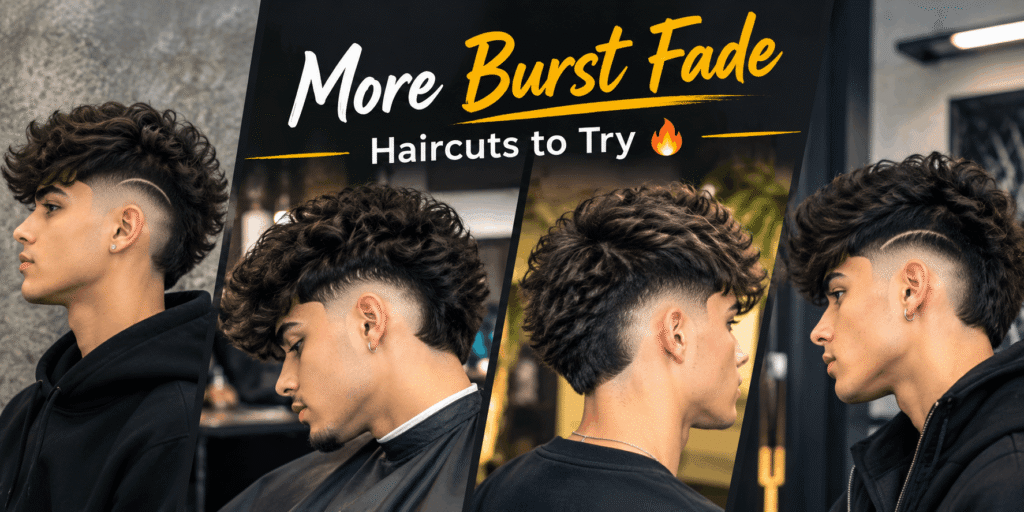
The first half showed how flexible a burst fade can be, but the more interesting combinations come when you start changing the texture, length, and shape of the hair on top. The following styles range from relaxed and messy to sharp and highly defined, so there is plenty of room to find a version that fits your usual look.
15. Short Fluffy Hair With Blunt Fringe and Burst Faded Sides
A short fluffy top with a blunt fringe gives the burst fade a youthful, textured appearance. The fringe creates a strong horizontal detail at the front, while the curved fade around the ears keeps the sides clean.
This combination works especially well when you want noticeable texture without committing to a long hairstyle. Keeping the top slightly fuller can also create contrast against the shorter sides.
16. Thick Curly Mullet With Low Burst Fade
A curly mullet already has plenty of personality, and a low burst fade can make its shape even more noticeable. The curls can remain fuller through the top and back while the area around the ears becomes cleaner.
The low placement keeps the fade from overpowering the natural texture. This makes it an interesting choice for someone who wants a distinctive haircut while still allowing their curls to be the main feature.
17. Sleek Mohawk Burst Fade
For a cleaner interpretation of the mohawk, keep the central section longer and style it with a smoother finish. The burst fade naturally emphasizes the difference between the center and sides.
Unlike a heavily textured mohawk, a sleek version can look more controlled and polished. The result depends largely on the contrast between the longer central strip and the curved faded sections.
18. Short Curls With Low Burst Fade and Line Up
Short curls can look particularly sharp when combined with a low burst fade and a clean line up. The curls provide texture on top, while the edges add definition.
This is a strong option if you want a relatively short haircut that still has visual interest. The low fade also leaves more hair around the upper sides, creating a balanced transition.
19. Low Burst Fade With Thick, Messy Waves
Thick waves can create natural volume without needing an elaborate hairstyle. Pairing them with a low burst fade gives the haircut a cleaner outline around the ears while preserving the movement on top.
The slightly messy finish is what gives this style its relaxed character. It does not need to look perfectly arranged to appear intentional.
20. Choppy Fringe Mohawk With Burst Fade
A choppy fringe adds an uneven, textured detail to the front of a mohawk-inspired hairstyle. Combined with a burst fade, it creates several different layers of texture and contrast.
This look can be adapted to different hair lengths, but keeping the overall shape balanced is important. Too many competing details can make a haircut appear unnecessarily busy.
21. Burst Fade With V-Shaped Design
A V-shaped design adds a geometric element to an already distinctive fade. The design can emphasize the shape of the haircut and create an additional focal point around the back or sides.
Because the burst fade already has a curved silhouette, a simple geometric detail can create an interesting contrast. The design should complement the haircut rather than distract from it.
22. Textured Top and Tapered Burst Fade With Short Beard
A textured top paired with a tapered burst fade creates a balanced combination of volume and clean edges. Adding a short beard can extend that visual structure below the haircut.
This style works particularly well when the top has natural movement rather than being completely flat. The beard does not need to be long; a neatly maintained short beard can be enough to complete the look.
23. Disheveled Mohawk Taper Fade
The disheveled mohawk is deliberately less polished than a sleek version. The hair remains textured and somewhat loose, while the taper keeps the sides from becoming visually heavy.
This is a good choice for anyone who likes hairstyles that look effortless rather than perfectly arranged. The contrast between messy texture and controlled sides gives the haircut its character.
24. Flowing and Textured Hair With Burst Faded Sides
Longer flowing hair can make a burst fade feel softer and more natural. Instead of creating a rigid silhouette, the longer top and back move freely while the sides remain defined.
This combination is particularly appealing when the natural texture already provides plenty of movement. Waves and loose curls can make the transition between lengths look even more dimensional.
25. Burst Fade With Beard
A burst fade does not need a complicated top to make an impression. Pairing a clean fade with a short, neatly maintained beard can create a simple but cohesive appearance.
The important part is balance. If the haircut is extremely sharp while the beard is much fuller and less defined, the two can compete visually. Keeping both elements intentional usually creates a more polished result.
26. Burst Fade With Highlights
Highlights can add another layer of dimension to a burst fade, particularly when the top contains plenty of texture. Lighter strands can make waves, curls, spikes, or a messy finish more noticeable.
You do not necessarily need dramatic contrast. Subtle highlights can add visual movement while allowing the haircut itself to remain the main focus.
27. South of France
The South of France is one of the most recognizable hairstyles associated with the burst fade. It combines a relatively narrow strip of longer hair through the center with closely faded sides, often creating a mohawk-like silhouette without being as extreme as a traditional mohawk.
Curly or textured hair can make this style especially distinctive. Because the haircut relies heavily on the shape of the fade, finding a barber who is familiar with this style can make a significant difference.
How to Choose the Right Burst Fade for Your Hair
Choosing a burst fade is not simply about deciding between low, mid, or high. Your natural hair texture and the amount of length you want to keep can have an even bigger impact on the final appearance.
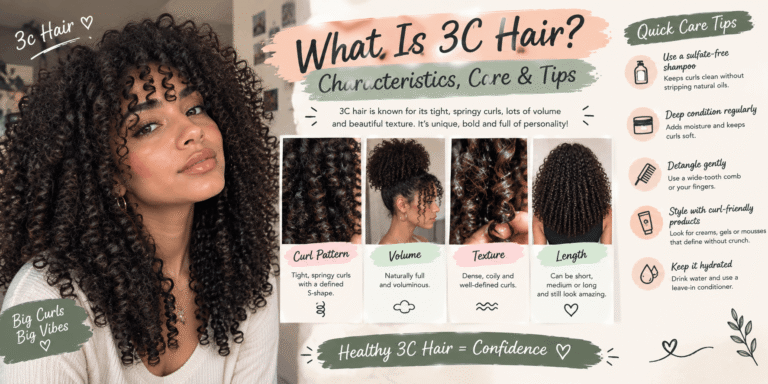
If you have curly or wavy hair, consider styles that allow the natural texture to remain visible. Curly mullets, short curls, textured tops, and the South of France can all use natural movement as part of the hairstyle.
Straight hair gives you more flexibility with structured styles such as brushed-back hair, blunt fringes, spiky tops, and sleek mohawks. The smoother texture can make geometric details and sharp transitions particularly noticeable.
You should also think about how much contrast you actually want. A low burst fade generally creates a softer transition, while a high burst fade or burst skin fade makes the shorter section much more prominent.
Consider Your Maintenance Preferences
A haircut that looks impressive on the day of the appointment may not be the best choice if you do not want frequent maintenance. Very sharp fades, defined line ups, and detailed designs can lose their crisp appearance as the hair grows.
A simpler burst fade with a textured or naturally styled top may be easier to live with between appointments. If you prefer a consistently sharp appearance, you may be more comfortable with a style that you are willing to maintain regularly.
Burst Fade vs. Drop Fade: What’s the Difference?
Both burst fades and drop fades create curved transitions, but their shapes and placement are different.
A burst fade primarily curves around the ear, creating a rounded area of shorter hair while leaving more length through the back. This makes it especially suitable for mohawks, mullets, curls, and similar hairstyles.
A drop fade, on the other hand, follows a descending line toward the back of the head. Instead of concentrating the curved effect around the ear, the fade drops lower as it moves toward the rear.
The difference can seem subtle in a description, but it changes the overall silhouette of the haircut. If you want the area around the ears to be the main focus of the fade, a burst fade may be the better match. If you prefer a fade that follows the natural curve toward the back of the head, a drop fade may be more suitable.
Final Thoughts
The burst fade is more than just a fade around the ears—it is a versatile haircut detail that can completely change the character of a hairstyle. From a subtle low burst fade with short curls to a bold mohawk, mullet, or South of France, there is a version for almost every style preference.
The key is choosing the right combination of fade height, hair length, and natural texture. Thick curls can make a burst fade look fuller and more dramatic, while straight or wavy hair can be shaped into textured, spiky, brushed-back, or fringe styles.
If you want something easy to wear, a low or tapered burst fade can be a great starting point. If you want more contrast, a high burst fade or skin fade creates a sharper appearance. And for something truly distinctive, adding a simple design, highlights, or a longer textured top can take the haircut in a completely different direction.
Before your next haircut, think about how much maintenance you are comfortable with and how you want the style to look as your hair grows. A good burst fade haircut should not only look impressive when freshly cut—it should also fit your everyday style.
With 27 different ideas to choose from, you can use these styles as inspiration and work with your barber to create a burst fade that suits your hair and the look you want.
2 Comments