Choosing the perfect wedding dress is one of the most exciting parts of preparing for a wedding. A wedding dress is more than just an outfit; it represents personal style, romance, tradition, and the beginning of a beautiful new chapter. Every bride wants to feel confident, comfortable, and special on her big day. With so many designs, fabrics, colors, and silhouettes available, finding the right dress can feel overwhelming, especially when there are countless beautiful options to explore.
Wedding dresses come in many different styles, ranging from traditional ball gowns to modern minimalist designs. Some brides prefer luxurious dresses decorated with lace, pearls, and sparkling details, while others love simple and elegant gowns with clean lines. The best choice depends on personal preferences, wedding themes, body proportions, seasonal conditions, and budget.
Understanding different wedding dress styles and their features can make the shopping experience easier. Whether someone dreams of a classic princess-inspired gown, a romantic lace dress, or a contemporary bridal outfit, there are plenty of beautiful possibilities. This guide explores popular wedding dress styles, fabrics, colors, current design trends, and practical tips for selecting a dress that creates a memorable bridal look.
Understanding Different Wedding Dress Styles
Wedding dresses are available in several silhouettes, and each creates a different appearance. Understanding these shapes is helpful because the silhouette influences how a dress fits, moves, and looks.
A-Line Wedding Dresses
A-line wedding dresses are among the most popular choices because they offer a balanced and timeless appearance. These dresses usually have a fitted bodice that gradually widens from the waist, creating a shape similar to the letter A.
The design works beautifully for different wedding themes, including traditional ceremonies, outdoor celebrations, and elegant indoor receptions. A-line dresses can feature simple satin fabrics, delicate lace, embroidered details, or flowing tulle skirts.
Another advantage is their versatility. Brides who want a graceful appearance without wearing an extremely full skirt often find this style appealing. It provides enough movement for walking and dancing while maintaining an elegant shape.
Ball Gown Wedding Dresses
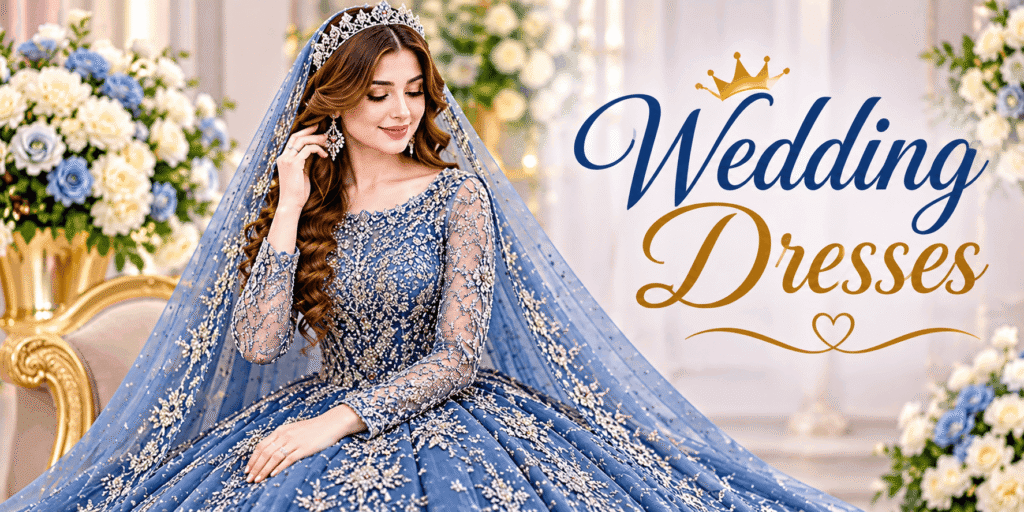
Ball gown wedding dresses are perfect for brides who love dramatic and romantic bridal fashion. They typically feature a fitted bodice and a large, voluminous skirt that creates a princess-inspired appearance.
These gowns often include layers of tulle, organza, satin, or other structured materials. Some designs feature long trains, decorative lace, sparkling beads, and detailed embroidery.
Ball gowns are especially popular for formal weddings and grand celebrations. Their dramatic appearance makes them a beautiful choice for brides who want a traditional fairytale-inspired look.
However, the fuller skirt can make movement slightly more difficult, particularly in crowded spaces. Choosing a comfortable structure and suitable fabric can help improve the overall experience.
Mermaid Wedding Dresses
Mermaid wedding dresses are known for their fitted and glamorous silhouette. They usually follow the body’s natural shape through the chest, waist, and hips before flaring outward near the knees.
This design creates a dramatic appearance and is often selected by brides who prefer modern and sophisticated bridal fashion.
Mermaid gowns are available in satin, lace, crepe, and embroidered fabrics. Some feature strapless necklines, while others include long sleeves, illusion details, or decorative lace patterns.
Because these dresses have a close-fitting structure, proper sizing and comfortable movement are important. Brides should try sitting, walking, and dancing in the dress before making their final decision.
Sheath and Column Wedding Dresses
Sheath and column wedding dresses offer a simple, elegant, and contemporary appearance. Unlike ball gowns and A-line designs, these dresses generally follow a straight silhouette from the upper body toward the hem.
They are often made using lightweight fabrics such as silk, crepe, satin, or chiffon. Their clean appearance makes them suitable for modern weddings, beach ceremonies, courthouse celebrations, and intimate gatherings.
Minimalist sheath dresses are particularly attractive to brides who prefer understated fashion instead of heavy decorations.
Fit-and-Flare Wedding Dresses
Fit-and-flare wedding dresses combine elements of mermaid and A-line designs. They remain fitted through the upper body and hips before gradually widening into a flowing skirt.
This silhouette creates a beautiful balance between a structured shape and comfortable movement. It is available in both traditional and contemporary designs.
Brides can find fit-and-flare gowns with lace sleeves, sweetheart necklines, embroidered bodices, and decorative trains.
Popular Wedding Dress Fabrics and Their Features
The fabric of a wedding dress plays an important role in its overall appearance, comfort, and structure. Different materials create different textures, levels of movement, and visual effects. Choosing the right fabric is especially important because the wedding season and venue can influence comfort.
Satin and Silk
Satin is a popular fabric for wedding dresses because of its smooth surface and elegant shine. It creates a luxurious appearance and works beautifully with structured gowns, minimalist dresses, and modern bridal designs.
Silk is another beautiful option known for its natural softness and lightweight feel. It has a sophisticated finish that makes it suitable for brides who appreciate luxurious and timeless fashion.
Both materials can look stunning in simple designs because their natural appearance does not require excessive decoration.
Lace
Lace is one of the most recognizable materials in bridal fashion. It adds romance, texture, and delicate detailing to wedding gowns.
Different lace patterns create different appearances. Floral lace offers a soft and romantic feel, while geometric lace can look more modern. Some gowns use lace throughout the entire dress, while others include it only on the sleeves, neckline, or bodice.
Lace is also frequently combined with satin, tulle, and chiffon to create beautiful layered designs.
Tulle
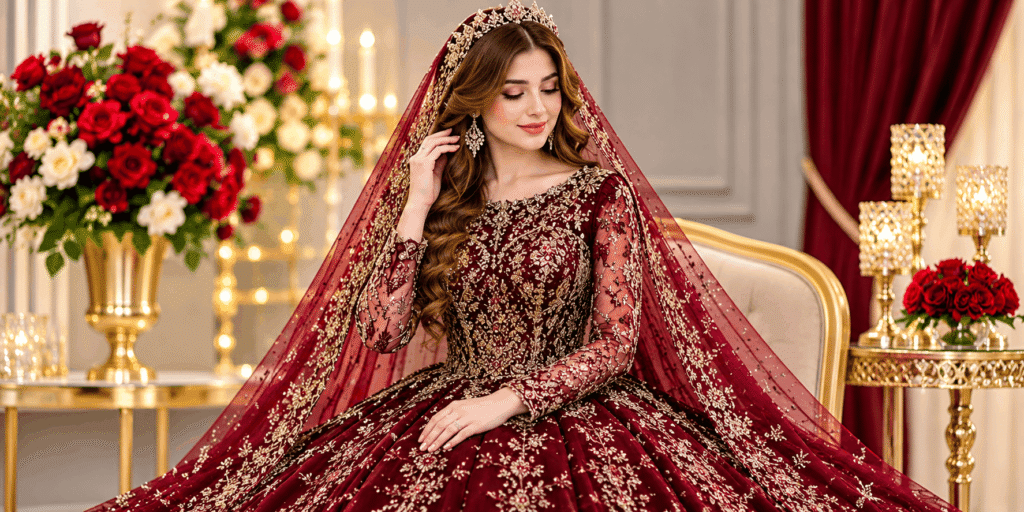
Tulle is a lightweight net-like fabric commonly used in wedding dresses with flowing skirts. It is especially popular for ball gowns and romantic A-line designs.
Multiple layers of tulle create volume without making the dress appear excessively heavy. Some designs include embroidered flowers, lace appliques, or subtle glitter details.
Tulle is an excellent choice for brides who want a soft, dreamy, and fairytale-inspired appearance.
Chiffon and Organza
Chiffon is a lightweight and flowing fabric that creates a soft, graceful appearance. It is particularly suitable for beach weddings, outdoor ceremonies, and warm-weather celebrations.
Organza is also lightweight but generally has more structure than chiffon. It creates a slightly crisp appearance and is often used in layered skirts, sleeves, and decorative details.
Both fabrics are excellent choices for brides who prefer movement and a delicate bridal look.
Popular Wedding Dress Necklines and Sleeve Designs
The neckline and sleeves can completely change the appearance of a wedding dress. These details help define the overall style, whether the bride wants something romantic, modest, glamorous, or modern.
Strapless and Sweetheart Necklines
Strapless wedding dresses are designed without shoulder straps and often feature a structured bodice. They create an elegant appearance and work beautifully with ball gowns, A-line dresses, and mermaid silhouettes.
Sweetheart necklines have a curved shape resembling the upper part of a heart. They add a romantic touch and are frequently seen in traditional bridal gowns.
V-Neck and Square Necklines
V-neck wedding dresses feature a neckline that forms a V shape. They can create an elongated appearance and are available in both subtle and deeper designs.
Square necklines have straight horizontal and vertical edges, creating a structured and sophisticated look. They are especially popular in modern minimalist bridal fashion.
Long Sleeves and Off-Shoulder Designs
Long-sleeved wedding dresses offer an elegant and sometimes traditional appearance. They can feature transparent lace, embroidered patterns, fitted cuffs, or soft flowing sleeves.
Off-shoulder designs expose the shoulders while maintaining fabric around the upper arms. This style creates a romantic and graceful bridal appearance.
Other popular sleeve options include puff sleeves, cap sleeves, bell sleeves, and illusion sleeves. Each offers a different level of coverage and visual detail.
Wedding Dress Colors and Modern Bridal Choices
White remains one of the most recognizable wedding dress colors, but modern bridal fashion offers many beautiful alternatives. Brides increasingly explore different shades depending on their personal preferences, cultural traditions, and wedding themes.
Classic White Wedding Dresses
White wedding dresses create a timeless and traditional bridal appearance. They are available in many different fabrics and silhouettes, from simple satin gowns to heavily decorated ball gowns.
A bright white dress can create a fresh and elegant look, especially when combined with delicate accessories and natural makeup.
Ivory and Champagne Wedding Dresses
Ivory is a softer alternative to pure white. It has a slightly warm appearance and is commonly used in traditional and contemporary wedding collections.
Champagne wedding dresses offer a subtle golden or beige tone. They create a luxurious appearance and look beautiful with pearl decorations, gold accessories, and delicate embroidery.
Blush and Other Soft Colors
Blush wedding dresses have a gentle pink appearance that adds a romantic touch to bridal fashion. Other options include light beige, pale blue, soft lavender, and muted gold.
These colors are suitable for brides who want something different while maintaining an elegant wedding appearance.
Wedding Dress Trends for Modern Brides
Bridal fashion continues to evolve, combining traditional details with contemporary design ideas. Modern wedding dress trends offer more variety, allowing brides to choose outfits that reflect their individual personalities.
Minimalist Wedding Dresses
Minimalist wedding dresses focus on simplicity, clean lines, and beautiful fabrics. They often feature smooth satin, elegant crepe, simple necklines, and limited decoration.
This style is ideal for brides who appreciate timeless fashion and want a dress that looks sophisticated without excessive details.
Floral Embroidery and 3D Appliques
Floral embroidery adds texture and artistic beauty to bridal gowns. Some dresses feature delicate floral patterns across the bodice, while others include decorative flowers on the skirt.
Three-dimensional floral appliques create raised details that make the dress appear more decorative. These designs are particularly popular in romantic and garden-inspired bridal fashion.
Detachable Sleeves and Overskirts
Detachable wedding dress elements allow brides to create more than one look during their celebration.
For example, a gown may include removable sleeves, a detachable overskirt, or a dramatic bow. A bride can wear the complete design during the ceremony and remove certain elements for the reception.
This approach offers flexibility without requiring an entirely different outfit.
Vintage-Inspired Wedding Dresses
Vintage-inspired wedding dresses bring classic fashion details into modern bridal collections. Popular features include high necklines, delicate lace, long sleeves, pearl decorations, and detailed buttons.
Some designs take inspiration from earlier fashion periods, creating an elegant and nostalgic appearance.
Open-Back and Illusion Designs
Open-back wedding dresses add a modern and glamorous touch. They may feature low backs, delicate straps, decorative buttons, or lace details.
Illusion designs use transparent fabric to create the appearance of delicate patterns resting directly on the skin. They are commonly used around the neckline, sleeves, and back.
How to Choose the Perfect Wedding Dress
Finding the right wedding dress involves more than selecting a beautiful design. The dress should reflect personal taste, match the wedding setting, and provide enough comfort for the entire celebration.
Consider Your Personal Style
Start by identifying the type of bridal appearance you love. Some brides prefer traditional gowns with full skirts and detailed lace, while others feel more comfortable in simple and modern designs.
Looking through bridal collections can help identify favorite silhouettes, fabrics, and decorative features.
It is also helpful to create a small collection of inspiration images. This makes it easier to explain preferences when visiting bridal boutiques or speaking with a dress designer.
Think About the Wedding Venue
The wedding location can influence the most suitable dress design.
A grand ballroom wedding may look beautiful with a dramatic ball gown or a dress featuring a long train. A beach ceremony may be more comfortable with a lightweight chiffon or simple sheath dress.
Garden weddings often work beautifully with floral embroidery, flowing skirts, and romantic lace details.
Choosing a dress that matches the venue helps create a balanced overall appearance.
Choose a Comfortable Fit
Comfort is one of the most important factors when selecting wedding dresses. A bride may spend several hours wearing the same outfit, so the dress should allow comfortable walking, sitting, standing, and dancing.
The bodice should provide suitable support without feeling too tight. The skirt should allow enough movement, and the fabric should feel comfortable against the skin.
Trying the dress with the shoes and undergarments planned for the wedding can help identify fitting problems before the final alterations.
Set a Realistic Budget
Wedding dresses are available at different price levels. The final cost depends on the designer, fabric, construction, decoration, and customization.
Before shopping, establish a realistic budget that also includes possible additional expenses.
These may include:
- Dress alterations and tailoring.
- Veils and hair accessories.
- Bridal shoes.
- Undergarments and support garments.
- Cleaning and preservation.
- Delivery or shipping charges.
Having a clear budget helps narrow down options and prevents unnecessary spending.
Wedding Dresses for Different Seasons
The wedding season can influence fabric selection, sleeve length, and overall dress design. Choosing materials that suit the weather helps maintain comfort throughout the celebration.
Spring Wedding Dresses
Spring weddings often feature soft colors, floral decorations, and romantic themes. Lightweight fabrics such as chiffon, tulle, and lace work beautifully during this season.
Floral embroidery and delicate sleeves can complement the natural beauty of spring celebrations.
Summer Wedding Dresses
Summer weddings usually require breathable and lightweight materials. Chiffon, organza, and lightweight silk are suitable options because they allow better movement and can feel more comfortable in warm weather.
Simple silhouettes and limited layers may also help prevent overheating.
Autumn Wedding Dresses
Autumn bridal fashion often includes richer textures, long sleeves, and warmer color combinations. Satin, structured lace, and layered fabrics can create a beautiful seasonal appearance.
Ivory, champagne, and soft beige shades are also popular choices for autumn-inspired bridal looks.
Winter Wedding Dresses
Winter wedding dresses often feature heavier fabrics, long sleeves, high necklines, and elegant layering.
Satin and structured materials can create a luxurious appearance. Brides may also consider bridal capes, faux-fur wraps, or elegant jackets to stay warm while maintaining their wedding style.
Wedding Dress Accessories That Complete the Bridal Look
Accessories help bring the entire bridal outfit together. Even a simple wedding dress can look extraordinary when paired with carefully selected details.
A veil is one of the most traditional bridal accessories. It comes in different lengths, including birdcage, shoulder-length, fingertip, chapel, and cathedral styles. The right choice depends on the dress silhouette and the overall wedding theme.
Jewelry should complement the dress rather than compete with it. Pearl earrings, delicate necklaces, and simple bracelets can add elegance to a bridal outfit.
Bridal shoes are another important consideration. High heels can create a formal appearance, while elegant flats offer additional comfort. The shoe style should work with the dress length and wedding location.
Hair accessories such as decorative combs, pearl pins, tiaras, and floral crowns can add a personal touch. Brides should consider their hairstyle and veil before choosing these pieces.
Finally, a beautiful bridal bouquet can complete the overall appearance. Flowers that complement the dress color and wedding decorations help create a coordinated look.
Wedding Dress Shopping and Fitting Tips
Wedding dress shopping can be an exciting experience, but planning ahead makes the process much easier. Many bridal gowns require alterations, so it is important to allow enough time between purchasing the dress and the wedding day.
Start researching styles early to understand what designs are available. Visiting bridal boutiques allows brides to compare fabrics, examine construction quality, and try different silhouettes.
When attending appointments, wearing suitable undergarments can help provide a more accurate idea of how the dress will fit. Bringing along the shoes planned for the wedding can also help determine the correct dress length.
Avoid choosing a dress only because it looks beautiful on a mannequin or in a photograph. Every body has different proportions, and the same design can look different depending on the fit.
During fittings, pay attention to the shoulders, bust, waist, hips, and hemline. The dress should remain comfortable while standing and sitting.
It is also important to inspect the stitching, zippers, buttons, lining, and decorative elements. High-quality construction helps ensure that the dress remains secure and beautiful throughout the event.
For customized wedding dresses, communicate clearly with the designer about measurements, fabric preferences, sleeve designs, and decorative details.
Caring for and Preserving Your Wedding Dress
A wedding dress often holds emotional and sentimental value, making proper care important both before and after the celebration.
Before the wedding, store the dress in a clean and dry location away from direct sunlight. Avoid hanging heavy gowns for long periods if their structure could stretch under their own weight. A suitable garment bag can help protect the fabric from dust and accidental damage.
On the wedding day, be careful around food, drinks, makeup, and outdoor surfaces. Having a small emergency kit with basic sewing supplies, safety pins, and stain-removal materials can be helpful.
After the celebration, consider professional cleaning, especially if the dress has visible stains or delicate decorations. Different fabrics require different cleaning methods, so it is best to use a specialist familiar with bridal garments.
For long-term preservation, the dress should be completely clean and dry before being placed in an appropriate storage box or garment container. Keeping it away from moisture, heat, and sunlight can help protect its appearance.
Proper preservation allows the dress to remain a meaningful reminder of one of life’s most special occasions.
Final Thoughts
Wedding dresses are an important part of bridal fashion, offering countless opportunities to express personal style and celebrate a special moment. From traditional ball gowns and romantic lace designs to modern minimalist dresses and elegant mermaid silhouettes, every bride can find an option that reflects her personality.
The perfect dress is not necessarily the most expensive or heavily decorated one. It is the dress that feels comfortable, fits beautifully, matches the wedding setting, and makes the bride feel confident. Paying attention to fabric, silhouette, neckline, color, and accessories can make the selection process easier.
With thoughtful planning, a realistic budget, and enough time for fittings, finding a beautiful wedding dress can become an enjoyable experience. Ultimately, the best bridal look is one that makes the bride feel happy, comfortable, and unforgettable on her wedding day.
Some popular wedding dress styles include A-line, ball gown, mermaid, sheath, column, and fit-and-flare designs. Each offers a different silhouette and appearance.
Satin, silk, lace, chiffon, organza, and tulle are popular wedding dress fabrics. The best choice depends on the wedding season, desired appearance, and personal comfort.
White and ivory are traditional choices, while champagne, blush, beige, and other soft shades offer modern alternatives. Brides can select a color that matches their preferences and wedding theme.
Many brides begin shopping around 9 to 12 months before their wedding. This provides time for ordering, delivery, fittings, and alterations. However, timelines vary depending on the designer and dress availability.