Old money outfits are all about understated elegance, classic clothing, and a polished appearance that never depends on temporary fashion trends. Inspired by traditional upper-class dressing, this style focuses on well-fitted garments, refined fabrics, neutral colors, and thoughtful combinations that look sophisticated without appearing overly styled. Instead of relying on large logos or attention-grabbing designs, old money fashion makes a statement through simplicity and quality.
What makes this aesthetic so appealing is its ability to turn ordinary wardrobe pieces into beautifully coordinated outfits. A crisp white shirt, tailored trousers, a fine-knit sweater, or a structured blazer can create an elegant appearance when styled with the right proportions. These pieces may seem simple individually, but together they produce a look that feels timeless and intentional.
Old money fashion is also surprisingly practical. You do not need an entirely new wardrobe or expensive designer labels to explore this style. Many outfits can be created using classic clothing you already own, provided the fit, fabric, and overall coordination are right. Whether you prefer relaxed weekend clothing, sophisticated office combinations, or elegant evening looks, this aesthetic offers plenty of inspiration.
The secret is understanding how to balance simplicity with refinement. From choosing the right colors to selecting versatile wardrobe essentials, a few thoughtful decisions can help you create outfits that look elegant across different seasons and occasions.
Understanding the Old Money Fashion Aesthetic
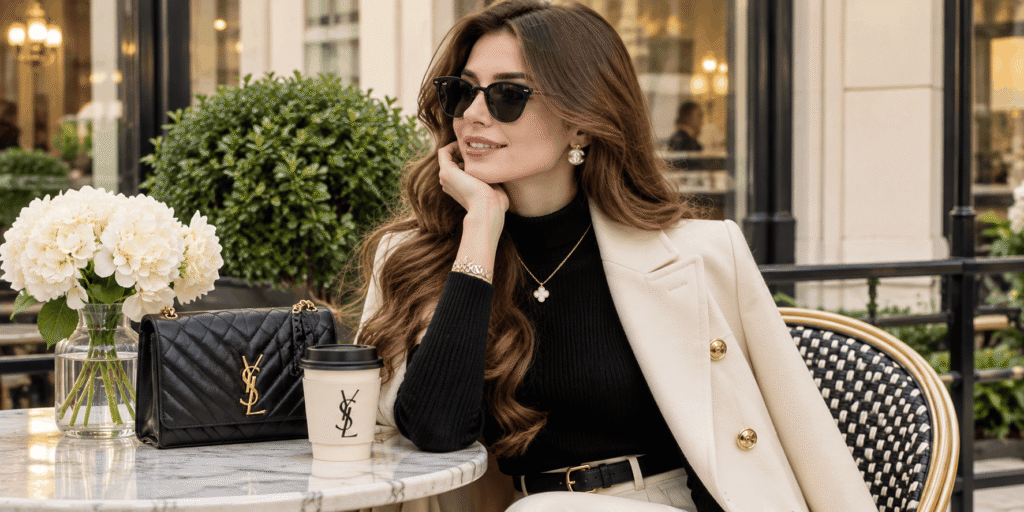
The old money outfit aesthetic takes inspiration from traditional, understated dressing associated with established families and classic social settings. Its appearance is often connected with tailored clothing, heritage-inspired pieces, timeless accessories, and a preference for quality over visible branding.
However, modern old money fashion is not about pretending to belong to a particular social class. It is simply a style direction that appreciates elegant clothing, thoughtful details, and pieces that remain wearable for years.
Unlike trend-focused outfits, this aesthetic rarely depends on dramatic cuts, oversized logos, or excessive decoration. Instead, it emphasizes clothing that looks balanced and feels appropriate for different situations.
For example, a cream sweater paired with tailored beige trousers can create a sophisticated everyday outfit. A navy blazer worn over a white shirt offers a more structured appearance, while a simple knit dress with elegant flats provides an effortless option for casual outings.
Another defining feature is versatility. Most pieces can be combined with several other items, making it easier to build different outfits without constantly purchasing new clothing.
The overall impression should feel natural rather than forced. Clothing should fit properly, colors should complement each other, and accessories should add to the outfit instead of becoming its main attraction.
Old Money Outfits That Define Timeless Style
The best way to understand this aesthetic is to explore the combinations that give it character. Some outfits are inspired by traditional European dressing, while others take a more contemporary approach using relaxed silhouettes and modern wardrobe essentials.
1. White Shirt With Tailored Trousers
A crisp white shirt and tailored trousers create one of the most recognizable old money combinations. The outfit looks clean, balanced, and suitable for several occasions without requiring complicated styling.
Choose a shirt with a neat collar and a comfortable fit. Pair it with straight-leg or slightly relaxed trousers in beige, navy, charcoal, or cream.
You can tuck the shirt in for a more polished appearance or leave it slightly relaxed for a casual interpretation. A leather belt, simple watch, and loafers complete the combination beautifully.
2. Beige Trousers With a Knit Sweater
Neutral trousers and a fine-knit sweater create an outfit that feels comfortable while maintaining a refined appearance.
A cream, oatmeal, or light brown sweater works particularly well with beige trousers. You can also introduce darker shades such as chocolate brown or navy for additional contrast.
This combination is suitable for everyday activities, relaxed dinners, and casual social gatherings. Minimal jewelry and classic footwear help maintain the understated character of the look.
3. Navy Blazer With Straight-Leg Jeans
Old money fashion does not require every outfit to look formal. Combining a structured blazer with classic denim creates a comfortable balance between traditional and casual clothing.
Choose dark blue straight-leg jeans without excessive distressing. Add a white shirt, simple knit top, or lightweight blouse underneath a navy blazer.
Leather loafers or understated sneakers can complete the outfit. This is an excellent option when you want something polished but not overly formal.
4. Matching Knitwear Sets
Matching knitwear sets offer a coordinated appearance with very little effort. They may include a sweater and matching trousers, a cardigan with a skirt, or a comfortable two-piece ensemble.
Look for soft neutral colors such as cream, taupe, grey, and muted brown. Fine-knit textures and simple finishes work particularly well for this aesthetic.
These outfits are ideal for travel, relaxed weekends, and casual gatherings. Their appeal comes from looking organized without feeling restrictive.
5. White Blouse With a Pleated Skirt
A white blouse paired with a pleated skirt creates a feminine interpretation of old money fashion.
Choose a skirt in navy, beige, brown, or grey. A blouse with subtle buttons, a classic collar, or delicate sleeve details can add interest without making the outfit overly decorative.
Complete the look with ballet flats, loafers, or low heels. A structured handbag can provide a refined finishing touch.
6. Tailored Blazer With Matching Pants
A coordinated blazer and trouser combination is a dependable choice for anyone who enjoys sophisticated clothing.
Neutral shades such as charcoal, beige, cream, and navy are particularly useful. The most important detail is the fit: shoulders should sit correctly, sleeves should have an appropriate length, and trousers should fall naturally.
Wear the set with a simple top or lightweight shirt. You can also separate the pieces and style them with other wardrobe essentials, making the outfit more versatile.
7. Striped Shirt With White Trousers
Striped shirts bring a subtle nautical influence to old money fashion. Blue-and-white stripes are especially popular because they create a fresh and classic appearance.
Combine the shirt with white or cream trousers and simple leather accessories. Roll the sleeves slightly for a relaxed finish, particularly during warmer weather.
This combination works beautifully for daytime outings, vacations, and casual lunches.
8. Sweater Over the Shoulders
Wearing a sweater over the shoulders is a classic styling technique that adds another layer without making the outfit feel heavy.
Start with a simple shirt, polo top, or fitted blouse. Choose a lightweight sweater in a complementary shade and place it naturally over your shoulders.
This detail works particularly well with tailored trousers, straight-leg jeans, and simple skirts. It introduces a traditional preppy influence while keeping the overall appearance relaxed.
9. Polo Shirt With Tailored Shorts
Old money fashion can also work in warm weather. A fitted or slightly relaxed polo shirt paired with tailored shorts creates an easy summer combination.
Choose shorts with a clean finish and a comfortable waist. Beige, white, navy, and olive are practical options.
Leather sandals, loafers, or understated canvas shoes can complete the outfit. Avoid overly sporty designs if you want to maintain the classic appearance.
10. Elegant Midi Dress With Minimal Accessories
A simple midi dress is an excellent option when you want a feminine outfit without excessive detailing.
Look for clean silhouettes, quality fabric, and subtle necklines. Neutral shades such as navy, cream, black, and muted brown work particularly well.
A structured handbag, delicate jewelry, and classic flats can make the outfit suitable for brunches, dinners, and daytime events.
11. Cardigan With a Classic Shirt
A cardigan layered over a button-down shirt creates a comfortable outfit with a traditional feel.
You can choose a fitted cardigan for a neat appearance or a slightly relaxed version for modern styling. Pair it with straight-leg trousers, dark denim, or a pleated skirt.
Small buttons, simple textures, and understated colors help preserve the elegance of this combination.
12. Long Coat With Neutral Separates
Outerwear plays an important role in colder-weather old money outfits. A long wool-style coat can make even a basic combination feel more refined.
Choose camel, charcoal, navy, or chocolate brown. Wear it over a simple sweater, tailored trousers, and leather boots.
The coat should have a clean shape without excessive decorative elements. This allows the fabric and silhouette to become the main features.
The Best Colors for an Old Money Wardrobe
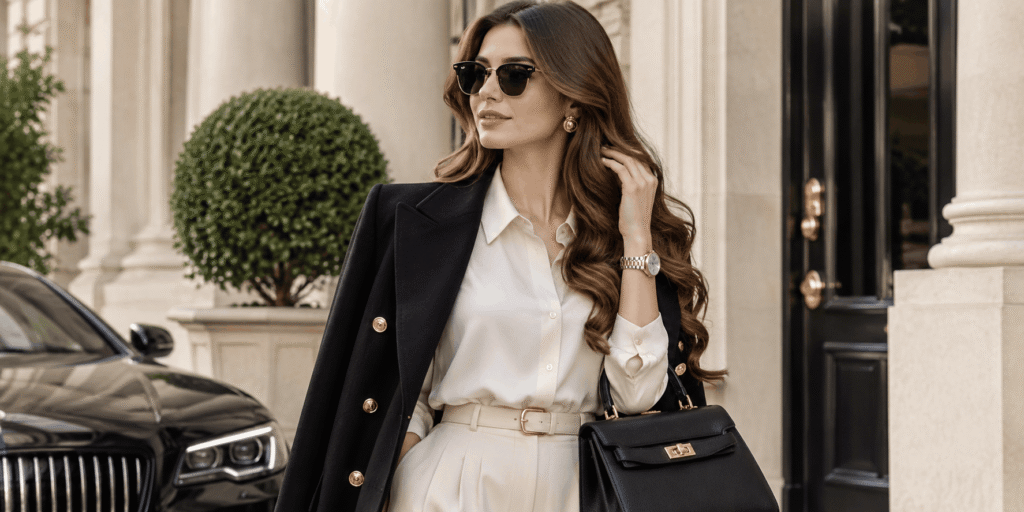
Color selection is one of the easiest ways to give an outfit a sophisticated appearance. The old money aesthetic generally favors shades that coordinate naturally rather than compete for attention.
Cream and ivory: These shades provide a soft foundation for elegant outfits. They work beautifully with beige, brown, navy, and muted green.
Beige and camel: Warm neutrals are particularly useful for trousers, coats, sweaters, and accessories. They create a classic appearance without relying on strong color contrasts.
Navy blue: Navy is one of the most versatile colors for traditional dressing. It works with white, grey, cream, burgundy, and several earthy shades.
Chocolate brown: Deep brown introduces warmth and richness. It is an attractive alternative to black and pairs particularly well with cream, tan, and muted blue.
Charcoal grey: This shade offers a polished appearance and works for professional outfits, tailored trousers, knitwear, and outerwear.
White: A clean white shirt, blouse, or pair of trousers can brighten almost any combination. It is especially effective when paired with darker neutral pieces.
Olive green: Olive introduces a subtle connection to natural colors. It works particularly well with beige, cream, brown, and navy.
Burgundy: Although slightly richer than traditional neutrals, burgundy can add depth to an understated wardrobe. It is especially useful for knitwear, accessories, and autumn outfits.
You do not need to wear only neutral colors to achieve this aesthetic. The important thing is to select shades that complement each other and maintain a balanced overall appearance.
Essential Clothing Pieces for Building an Old Money Wardrobe
Creating an old money outfit wardrobe becomes easier when you focus on versatile essentials rather than purchasing complete outfits individually.
A few carefully selected pieces can provide the foundation for dozens of combinations.
Crisp button-down shirts: White, pale blue, and subtle striped shirts are useful for casual and formal styling. They can be worn alone, layered under sweaters, or paired with tailored jackets.
Tailored trousers: Straight-leg and relaxed-fit trousers in neutral shades are particularly valuable. They work with shirts, knitwear, blazers, and simple tops.
Structured blazers: A well-fitted blazer instantly adds definition to an outfit. Navy, beige, charcoal, and brown are useful starting colors.
Fine-knit sweaters: Lightweight knitwear offers comfort and can be worn throughout different seasons. Crewneck, V-neck, and cardigan styles are all worth considering.
Classic denim: Dark blue or medium-wash straight-leg jeans are easy to style. Avoid excessive distressing if you prefer a traditional appearance.
Pleated skirts: These provide a feminine option that works with shirts, sweaters, and fitted tops.
Midi dresses: Simple dresses with clean silhouettes can be styled for different occasions through footwear and accessories.
Long coats: A neutral coat is a valuable investment for colder weather because it can complement almost every outfit in your wardrobe.
Leather loafers: Loafers offer a classic alternative to casual sneakers and can work with trousers, skirts, dresses, and denim.
Simple handbags: Structured bags with minimal branding help create a polished finish. Choose a shape and color that can work with several outfits.
The goal is not to collect every item on this list immediately. Start with pieces that fit your lifestyle and gradually build a wardrobe around them.
Old Money Outfits for Different Seasons
A timeless wardrobe should work throughout the year. The old money aesthetic is particularly adaptable because its main elements can be adjusted through fabric weight, layering, and color combinations.
Spring Outfits
Spring is an ideal season for lightweight layers and softer colors. Try combining beige trousers with a white shirt and a lightweight cardigan.
Pleated skirts, cotton blouses, and fine-knit sweaters also work beautifully during this period.
You can introduce pastel shades through accessories or knitwear while keeping the main outfit relatively neutral. Ballet flats, loafers, and simple leather bags provide an appropriate finish.
Summer Outfits
Summer dressing should prioritize breathable fabrics and comfortable silhouettes.
Linen trousers, cotton shirts, tailored shorts, and simple midi dresses are all practical choices. White, cream, beige, and pale blue can create a fresh appearance.
A sleeveless knit top with wide-leg trousers is another attractive option. Finish with understated sandals, sunglasses, and a structured summer bag.
Avoid choosing heavy fabrics simply for their appearance. Comfortable materials make it easier to maintain an elegant look throughout warm days.
Autumn Outfits
Autumn offers more opportunities to experiment with layering and deeper colors.
Chocolate brown sweaters, camel coats, navy trousers, and olive jackets can create attractive seasonal combinations.
You can also combine a lightweight turtleneck with tailored pants or wear a cardigan over a button-down shirt.
Leather boots, simple belts, and structured handbags add warmth and texture without making the outfit feel excessive.
Winter Outfits
Winter old money outfits often rely on structured outerwear and carefully selected layers.
A wool-style coat worn over a fine-knit sweater and tailored trousers is a classic combination. You can also choose a midi skirt with tights, boots, and a fitted cardigan.
Colors such as charcoal, camel, burgundy, cream, and dark brown work particularly well.
Pay attention to fabric quality and layering. A well-organized combination of warm pieces will generally look more polished than wearing too many bulky garments together.
How to Style Old Money Outfits for Different Occasions
One reason this aesthetic remains popular is its ability to adapt to different settings. You can create casual, professional, and dressy outfits using many of the same wardrobe essentials.
Office and Workwear
For professional environments, focus on tailored trousers, button-down shirts, and structured blazers.
A navy blazer with cream trousers creates a balanced combination, while a charcoal suit with a simple blouse offers a more traditional appearance.
Keep jewelry minimal and choose comfortable footwear that suits your workplace. A structured handbag can complete the outfit without unnecessary decoration.
Casual Weekend Outfits
Weekend outfits can be relaxed without losing their polished appearance.
Try straight-leg jeans with a white T-shirt and a lightweight cardigan. You can also wear beige trousers with a simple polo shirt or striped blouse.
Loafers, ballet flats, and clean sneakers are useful footwear choices. The idea is to make everyday clothing look intentional rather than overly formal.
Dinner and Evening Outfits
For evening plans, consider a simple midi dress, tailored trousers with a refined blouse, or a coordinated blazer set.
Dark navy, chocolate brown, black, and burgundy can create a sophisticated appearance. Satin-style fabrics and subtle accessories can introduce a little elegance without making the outfit look overly decorative.
Vacation and Travel Looks
Travel outfits should balance comfort with practicality.
Linen trousers, breathable shirts, knit tops, and lightweight cardigans are useful choices. They can be combined in several ways while taking up relatively little space in your luggage.
Neutral colors also make packing easier because most pieces can be mixed and matched.
A pair of comfortable loafers or simple sandals can complete several different outfits without requiring multiple footwear options.
Accessories That Complete the Old Money Aesthetic
Accessories play a supporting role in this style. Rather than choosing pieces that immediately attract attention, focus on items with clean designs, practical shapes, and timeless appeal.
Leather belts: A simple leather belt can define the waist and bring together trousers, jeans, and skirts. Brown and black are particularly versatile.
Classic watches: A watch with a simple face and understated strap can add a polished touch to everyday clothing.
Pearl jewelry: Pearl earrings and delicate necklaces offer a traditional appearance. They work particularly well with blouses, dresses, and knitwear.
Silk scarves: A scarf can be worn around the neck, tied to a handbag, or styled in the hair. Subtle patterns and elegant colors make it especially versatile.
Structured handbags: Bags with clean lines and minimal decoration complement tailored clothing. Choose a practical size and a color that coordinates with your wardrobe.
Sunglasses: Classic frames can complete summer outfits. Choose a shape that suits your face and feels comfortable to wear.
Loafers and ballet flats: These footwear styles are useful for creating a refined appearance without relying on high heels.
Remember that accessories should support the outfit. Wearing too many statement pieces together can move the look away from the understated character of this aesthetic.
Choosing Fabrics That Give Outfits a Refined Finish
Fabric quality can influence how clothing looks, moves, and holds its shape. Even a simple outfit can appear more polished when the materials are selected carefully.
Cotton: Cotton is breathable, comfortable, and useful for everyday shirts, dresses, and casual trousers. A well-finished cotton shirt is one of the most practical wardrobe essentials.
Linen: Linen is particularly suitable for warm weather. Its natural texture adds character to trousers, shirts, dresses, and summer jackets. Its tendency to wrinkle is part of its appearance.
Wool: Wool is commonly used for coats, trousers, and sweaters. It offers warmth and can provide the structure needed for classic tailoring.
Cashmere: Cashmere is valued for its softness and lightweight warmth. Fine-knit sweaters and cardigans made with cashmere can create an elegant appearance, although they require careful maintenance.
Silk: Silk has a natural sheen and fluid movement. It works beautifully for blouses, scarves, dresses, and refined evening pieces.
Tweed: Tweed is associated with traditional heritage clothing. It is often used for jackets, skirts, and coats, adding texture to otherwise simple combinations.
Leather: Leather is a useful material for belts, handbags, shoes, and selected outerwear. Smooth, well-maintained leather accessories can complement a classic wardrobe.
You do not have to purchase the most expensive fabric available. Focus on how the material feels, how it hangs, and whether it suits the purpose of the garment.
Common Mistakes That Can Ruin an Old Money Outfit
Although old money fashion appears simple, a few styling mistakes can affect the overall result.
One common mistake is wearing clothing that does not fit properly. Oversized pieces can look attractive when intentionally styled, but excessively loose shirts, poorly fitted shoulders, and trousers that bunch around the shoes can make an outfit appear unfinished.
Another issue is relying too heavily on visible branding. Large logos and obvious designer labels are not necessary for this aesthetic. Clean designs and thoughtful proportions are much more important.
Choosing too many contrasting colors can also make an outfit feel less cohesive. This does not mean every item must be neutral, but the shades should work together naturally.
Accessories can create similar problems. Large statement jewelry, heavily decorated handbags, and overly elaborate footwear may compete with an otherwise simple outfit.
Fabric maintenance is another detail worth considering. Wrinkled shirts, dusty shoes, and poorly stored knitwear can affect the appearance of even expensive clothing.
Finally, avoid confusing old money fashion with purchasing luxury products. The aesthetic is based on classic styling rather than the price tag attached to individual items.
How to Create Old Money Outfits on a Budget
You do not need a designer wardrobe to achieve a sophisticated appearance. A thoughtful approach to shopping can help you create attractive combinations without spending unnecessarily.
Start by reviewing your existing clothing. You may already own white shirts, neutral trousers, cardigans, or simple dresses that fit the aesthetic.
Next, identify the pieces that are missing. Instead of buying several similar items, choose versatile clothing that works with multiple outfits.
Pay attention to secondhand stores and clothing sales. Classic pieces such as blazers, wool coats, leather belts, and structured handbags can sometimes be found at reasonable prices.
When shopping, prioritize fit and condition. A well-fitting affordable blazer can look more polished than an expensive one with unsuitable proportions.
You can also make small alterations when necessary. Adjusting trouser length, shortening sleeves, or improving the fit around the waist can make a noticeable difference.
Finally, take care of what you purchase. Proper washing, ironing, storage, and occasional repairs help extend the life of your wardrobe.
A smaller collection of well-maintained clothing is often more useful than a closet filled with items that rarely work together.
Building a Timeless Wardrobe Without Following Every Trend
The real appeal of old money fashion is that it encourages a more thoughtful approach to personal style. Instead of constantly replacing clothing, you can build a wardrobe around pieces that remain useful across seasons.
Begin with a few dependable combinations. A white shirt with tailored trousers, a knit sweater with dark denim, and a blazer with a simple top can provide a strong foundation.
Once these basics are in place, introduce additional pieces that reflect your preferences. This might include a pleated skirt, a fine-knit cardigan, a classic coat, or a simple midi dress.
You can also experiment with textures and subtle patterns. Pinstripes, small checks, cable-knit designs, and delicate stripes can add interest without making the outfit feel overly fashionable.
The most important thing is to choose clothing that fits your lifestyle. Someone who spends most of the day at work may need more tailored trousers and blazers, while someone who prefers relaxed dressing might benefit from knitwear, comfortable denim, and versatile shirts.
A timeless wardrobe should make getting dressed easier, not create additional pressure to follow a particular image.
Final Thoughts
Old money outfits offer a refreshing approach to modern fashion by focusing on timeless silhouettes, elegant colors, quality fabrics, and understated accessories. From crisp white shirts and tailored trousers to classic knitwear, structured blazers, and simple midi dresses, these combinations show that sophisticated dressing does not need to be complicated.
The best way to embrace this aesthetic is to start with versatile wardrobe essentials and build outfits around pieces that complement one another. Pay attention to fit, fabric, and small finishing details instead of depending on expensive labels or temporary trends.
Whether you are dressing for work, enjoying a weekend outing, planning a vacation, or attending an evening event, old money fashion provides plenty of ways to look polished while remaining comfortable.
Ultimately, timeless style is not about how much you spend on clothing. It is about choosing pieces thoughtfully, wearing them confidently, and creating combinations that continue to feel elegant long after current trends have changed.

3 Comments