
Have you ever received an invitation, looked at the words semi-formal attire, and wondered what you are actually supposed to wear? You are not alone. Semi-formal dressing can be surprisingly confusing because it sits somewhere between everyday clothing and full evening glamour. A casual outfit may look too relaxed, while a dramatic formal gown might feel completely out of place. The secret is finding an outfit that looks polished, feels comfortable, and suits the atmosphere without appearing as though you tried too hard.
Semi formal dresses make this balance easier because they come in countless silhouettes, fabrics, lengths, and styles. You might choose a graceful midi dress for a daytime celebration, a sleek satin design for an evening event, or a playful cocktail dress for a party. Even a simple dress can become memorable when its fit, color, accessories, and details work together.
The interesting part is that semi-formal style does not have one fixed appearance. The right outfit for a wedding may be different from what you would wear to a work dinner, graduation celebration, or birthday party. Understanding the occasion is what helps you make a choice that feels natural rather than simply following a fashion rule.
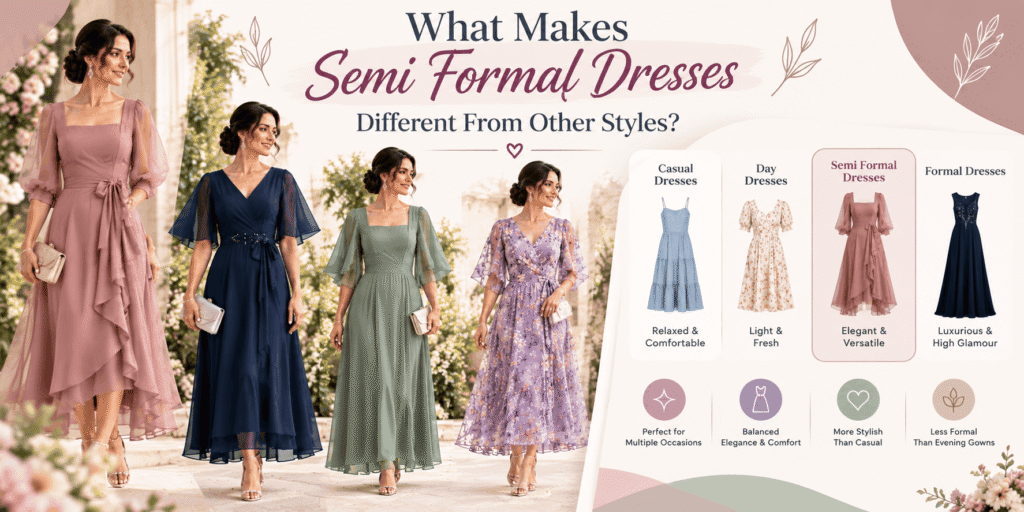
What Makes Semi Formal Dresses Different From Other Styles?
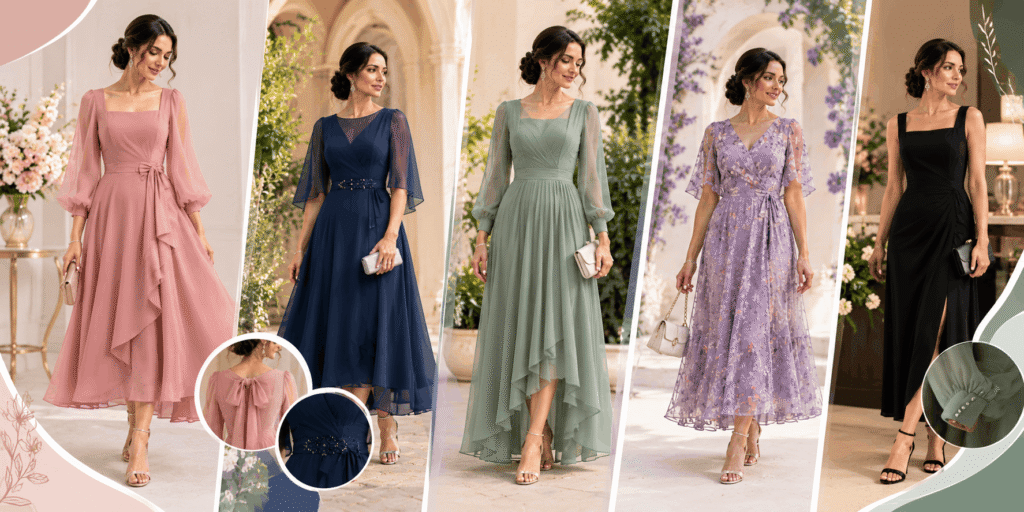
Semi-formal dress clothing occupies the space between casual and formal dressing. It is more refined than everyday outfits but generally less elaborate than black-tie or traditional evening attire. Think of a beautiful cocktail dress, a polished midi design, an elegant wrap dress, or a sophisticated jumpsuit. These choices can look dressed up without requiring a floor-length gown or dramatic accessories.
One reason semi-formal fashion is so appealing is its flexibility. You can wear a dress that feels comfortable enough for several hours while still looking appropriate for an important occasion. A structured knee-length dress may work for a daytime celebration, while a satin midi dress can feel more suitable for an evening reception. The same basic style can even look completely different when paired with different shoes and accessories.
However, semi-formal does not mean wearing anything slightly nicer than your usual clothes. The outfit should still look intentional. A casual cotton sundress, for example, may be too relaxed for an evening wedding, even if its color is beautiful. On the other hand, a heavily embellished gown with a long train might be more formal than the invitation suggests.
The best way to understand the dress code is to consider three things: the event, the time, and the venue. A semi-formal event at a hotel may call for a different outfit from a garden party or rooftop dinner. Afternoon occasions often allow lighter fabrics and softer colors, while evening events may feel more suited to richer shades, elegant textures, and slightly more polished silhouettes.
If the invitation provides additional details, use them as your starting point. Words such as cocktail attire, dressy casual, or evening chic can offer clues about the expected look. When the wording is unclear, asking the host is perfectly reasonable. It is much easier to choose confidently when you understand the atmosphere you are dressing for.
The Dress Styles That Make Getting Ready Easier
Finding the right dress does not require following every new trend. In fact, some of the most attractive semi-formal outfits come from classic designs with one interesting feature. A flattering neckline, an unusual sleeve, a beautiful fabric, or a carefully placed detail can make a simple dress feel special.
The Midi Dress: The Easy Balance Between Casual and Elegant
Midi dresses are among the most versatile choices for semi-formal occasions. Their hemlines usually fall between the knee and ankle, creating a polished appearance without the length of a traditional evening gown. They can work beautifully for weddings, graduation parties, family celebrations, and dinner events.
A fitted midi dress can create a sleek silhouette, while a flowing A-line design offers more movement. If you prefer something romantic, consider a dress with a soft pleated skirt, delicate floral pattern, or lightly gathered waist. For a cleaner appearance, a solid-color midi dress with a square neckline or subtle draping can be an excellent choice.
The fabric makes a noticeable difference. A cotton midi dress may look casual, whereas satin, crepe, chiffon, and textured jacquard can give the same length a more dressed-up appearance. You should also consider the shoes. Elegant heels can make a midi dress feel more formal, while simple flats may create a relaxed daytime look.
Cocktail Dresses That Bring Personality to an Outfit
Cocktail dresses are a natural match for many semi-formal events. They often feature knee-length or slightly shorter hemlines, although modern designs also include midi options. Their appeal comes from the variety of shapes available, allowing you to choose something understated, playful, sophisticated, or dramatic.
A little black dress is a classic starting point, but there is no reason to limit yourself to black. Emerald, burgundy, navy, dusty rose, and deep blue can create equally elegant looks. A square-neck cocktail dress may feel modern and minimal, while a sweetheart neckline can add a softer, romantic touch.
If you want something with more personality, look for asymmetrical details, puff sleeves, a draped bodice, or a subtle side slit. These features add visual interest without requiring heavy embellishments. The goal is to choose one or two details that make the dress memorable rather than combining every trend in a single outfit.
Wrap Dresses for a Comfortable, Refined Look
Wrap dresses are popular because their adjustable shape can provide a comfortable fit around the waist. The overlapping front creates a flattering neckline, while the tie detail adds definition without making the design feel overly structured.
A wrap dress in a rich solid color can be suitable for a dinner party or semi-formal gathering. Floral versions may work particularly well for daytime celebrations and outdoor events. If you prefer a more understated appearance, choose a design with minimal prints and a smooth fabric.
Pay attention to the neckline and fastening. Some wrap dresses may open more than you expect when sitting or moving, so check that the design feels secure. A small hidden fastening or suitable underlayer can help you feel more comfortable throughout the event.
Satin and Slip Dresses for a Modern Evening Look
A satin dress can look luxurious without needing elaborate decoration. Its smooth surface catches the light, creating a naturally elegant appearance. Slip dresses, in particular, offer a simple silhouette that can be styled in several ways depending on the occasion.
A satin midi dress in champagne, navy, chocolate brown, or burgundy may work beautifully for an evening celebration. For a softer look, consider pastel pink or muted blue. If you prefer more coverage, choose a design with wider straps, a higher neckline, or a matching lightweight jacket.
The key is to consider the finish and fit. Satin can highlight wrinkles and may cling differently depending on the fabric’s construction. Try sitting and walking in the dress before deciding whether it feels comfortable. A well-fitted satin design often needs very little styling because the fabric already provides visual interest.
A-Line and Fit-and-Flare Dresses for Easy Movement
A-line dresses gradually widen from the waist, creating a balanced shape that allows the skirt to move freely. Fit-and-flare styles follow a similar idea but may have a more defined waist and a fuller skirt. Both can work well for semi-formal events because they offer a polished appearance without restricting movement.
These silhouettes are especially useful when the occasion includes dinner, photographs, and dancing. You can choose a simple design in crepe or satin, or explore floral patterns, lace overlays, and subtle embroidery.
If you prefer a more structured look, consider a dress with a defined waist and clean neckline. For something softer, a chiffon skirt or gently pleated fabric can create beautiful movement. The best option is the one that feels comfortable while still matching the event’s atmosphere.
Modern Alternatives to Traditional Dresses
A dress is not the only way to dress semi-formally. A well-tailored jumpsuit can be an elegant alternative, particularly when it features a defined waist, wide-leg trousers, or a refined neckline. A matching two-piece set can also work when the fabric and construction feel polished.
For people who prefer trousers, a tailored outfit with a sophisticated blouse can be suitable for some semi-formal occasions. The important thing is to avoid pieces that look too much like everyday office clothing. Choose elevated fabrics, coordinated colors, and accessories that make the outfit feel appropriate for a celebration.
How to Choose the Right Color Without Overthinking It
Color can completely change the mood of a dress. The same silhouette may look soft and romantic in blush, bold in red, sophisticated in navy, or dramatic in black. Instead of choosing a shade simply because it is popular, consider the occasion, time of day, season, and colors you naturally enjoy wearing.
Black remains a reliable option for evening events. It can look minimal, elegant, and modern, especially when paired with a clean silhouette or interesting neckline. A black midi dress with delicate jewelry can be just as polished as a heavily decorated outfit.
Navy is another versatile shade. It offers depth without the strong contrast of black and works well with silver, gold, nude, and metallic accessories. Burgundy and wine tones create a richer appearance that can feel especially suitable for autumn and winter celebrations.
For daytime events, softer colors may be appealing. Dusty rose, lavender, pale blue, sage green, and muted peach can create a fresh appearance. These shades often work well with floral prints, chiffon, and flowing silhouettes.
If you prefer something more noticeable, consider emerald, cobalt blue, ruby red, or a metallic finish. These colors can make a simple design stand out without requiring complicated details. However, if you are attending a wedding, remember to consider the couple’s preferences and avoid shades that may be reserved for the bridal outfit.
Neutral shades deserve attention, too. Champagne, taupe, beige, and chocolate brown can create a refined look, especially when the fabric has an interesting texture. Just make sure very pale shades are appropriate for the event, particularly when attending a wedding.
You do not have to follow seasonal color rules strictly. A light dress can look beautiful at a winter event, and a deep jewel tone can work perfectly in summer. Fabric weight and overall styling often matter more than the calendar.
Prints, Fabrics, and Details That Make a Dress Interesting
Sometimes the difference between an ordinary dress and a memorable one comes down to its fabric or detailing. You do not need a complicated design to look stylish. A well-chosen material can give even a simple silhouette a distinctive appearance.
Floral prints are a popular choice for daytime semi-formal occasions. Small botanical patterns can create a delicate look, while larger flowers add a more expressive touch. If the print is bold, keep the rest of the outfit relatively simple so the dress remains the main focus.
Polka dots, abstract patterns, and subtle geometric designs can also work well. A printed dress can be especially useful when you want an outfit that feels lively without relying on bright colors or sparkling details. Look for patterns that complement the dress’s shape rather than overpowering it.
Chiffon is lightweight and often used for flowing skirts, sleeves, and layered designs. It can create a soft appearance and is particularly suitable for warmer weather. Crepe offers a smoother, more structured finish and can work well for fitted dresses or modern silhouettes.
Lace adds texture and a romantic quality. It may appear across the entire dress or in smaller areas such as sleeves, necklines, and bodices. A lace overlay can make a simple design feel more detailed without the need for extensive embellishments.
Velvet is a richer fabric that may suit cooler-weather celebrations. Its texture creates depth, particularly in darker colors such as emerald, burgundy, navy, and plum. Satin, meanwhile, offers a smooth finish that can feel especially elegant for evening events.
Other details worth exploring include pleats, ruching, draping, bows, subtle sequins, and delicate embroidery. A dress with a draped waist can create visual interest, while a small bow or asymmetrical neckline may provide a modern touch.
One useful styling principle is to choose a main feature. If the dress has a dramatic sleeve, you may not need a large necklace. If it includes sparkling embellishments, simple shoes and a small clutch can keep the look balanced. This approach helps an outfit feel thoughtfully styled instead of overcrowded.
Getting the Dress Code Right for Different Occasions
Not every semi-formal dress invitation means the same thing. A wedding, graduation party, business dinner, birthday celebration, and holiday event each have their own atmosphere. Understanding the occasion helps you avoid choosing an outfit that feels too casual or too elaborate.
For a semi-formal wedding, a midi or cocktail dress is often a practical option. You can choose a floral design for an outdoor ceremony or a sleek satin dress for an evening reception. Avoid anything that looks too much like a bridal gown, and check whether the couple has specific color preferences.
Graduation celebrations usually offer room for a polished but comfortable outfit. A structured midi dress, wrap design, or elegant A-line silhouette can work well. Consider the venue and whether you will be walking across a stage, sitting for a long ceremony, or attending an outdoor celebration afterward.
For a dinner party, think about the location and time. A simple black dress, satin slip design, or elegant wrap dress may be enough for a restaurant setting. If the event takes place in a more upscale venue, refined jewelry and dress shoes can make the outfit feel more complete.
Work-related dinners and professional celebrations require a slightly different approach. A tailored midi dress, elegant sheath design, or polished jumpsuit can create a sophisticated appearance. Avoid overly revealing cuts or distracting embellishments if the event includes colleagues, clients, or senior professionals.
Birthday parties and evening celebrations allow more room for personality. You might choose a bright cocktail dress, a one-shoulder design, or a dress with subtle sparkle. The best choice depends on the host’s plans and whether the gathering is relaxed or more formal.
Holiday events can be an opportunity to explore velvet, metallic accents, jewel tones, and elegant textures. However, you do not need to wear sequins to look festive. A beautiful fabric and a well-fitted silhouette can create just as much impact.
The Small Styling Decisions That Change Everything
Once you have chosen your dress, the right accessories can bring the entire outfit together. However, styling is not about adding as many pieces as possible. It is about choosing details that complement the dress and suit the event.
Shoes That Match the Occasion
Shoes can influence whether a dress looks relaxed or formal. Classic pumps are a versatile choice for many semi-formal occasions, while strappy heels can complement evening dresses and cocktail styles. Block heels may be more comfortable for outdoor celebrations, especially when walking on grass or uneven surfaces.
Flats are also an option. A polished pair with a refined shape or subtle decoration can look elegant without requiring heels. If you plan to dance or stand for several hours, comfort should be part of your decision.
Consider the hemline when choosing footwear. Midi dresses may look particularly balanced with heels that show some of the ankle, while longer dresses may require a shoe height that prevents the hem from dragging. Always try the shoes with the dress before the event.
Jewelry That Complements Rather Than Competes
Jewelry should work with the neckline and overall design. A V-neck dress may pair well with a delicate pendant, while an off-the-shoulder style can look beautiful with earrings that draw attention toward the face.
If your dress includes sequins, embroidery, or a detailed neckline, simpler jewelry may create a more balanced appearance. A minimal dress, however, can provide an opportunity to wear a statement necklace or bold earrings.
You do not have to match every metal or accessory perfectly. Gold, silver, and mixed-metal pieces can all work depending on the dress and overall color palette. Choose pieces that look intentional together rather than trying to follow a strict matching rule.
Handbags and Extra Layers
A small clutch or elegant evening bag is often practical for semi-formal events. Choose a size that holds your essentials without becoming difficult to carry. Neutral shades are versatile, while a metallic or contrasting color can add a little interest to a simple outfit.
A blazer, cropped jacket, shawl, or lightweight wrap can provide extra coverage when needed. This is especially useful for outdoor ceremonies, cooler evenings, or venues with strong air conditioning. The layer should complement the dress’s shape and fabric rather than hide its most attractive details.
Hair and Makeup for a Balanced Finish
Your hairstyle can change the overall mood of an outfit. Soft waves may suit a romantic floral dress, while a sleek bun can complement a structured neckline. A half-up hairstyle offers a middle ground when you want your hair away from your face without wearing a fully formal updo.
Makeup should suit the event and your personal preferences. A natural look can work beautifully for daytime occasions, while a slightly more defined eye or deeper lip color may feel appropriate for an evening celebration. You do not need to match your makeup exactly to your dress.
If your outfit already includes bold colors or detailed embellishments, a balanced beauty look can keep everything harmonious. The aim is to feel polished while still looking like yourself.
Common Mistakes That Can Make Semi-Formal Dressing Difficult
One of the most common mistakes is assuming that semi-formal means casual. A simple everyday sundress, basic T-shirt dress, or overly relaxed outfit may not meet the expectations of the event. Even when the dress is comfortable, its fabric, fit, and overall finish should feel appropriate for the invitation.
The opposite mistake is dressing too formally. A heavily embellished gown with a dramatic train may look out of place at a relaxed cocktail gathering. Before choosing an outfit, think about the venue and the kind of celebration the host is planning.
Another mistake is buying a dress without considering movement. A fitted design may look beautiful while standing in front of a mirror but become uncomfortable when sitting, walking, or dancing. Try moving naturally while wearing it before making your final decision.
Ignoring the fabric can also lead to disappointment. Some materials wrinkle easily, cling in warm weather, or feel uncomfortable against the skin. Check the care label and consider how the fabric will behave throughout the event.
Do not leave alterations until the last minute. A dress that needs a hem adjustment, strap repair, or waist alteration may take longer to prepare than expected. Shopping early gives you time to make changes without unnecessary stress.
Finally, avoid choosing an outfit simply because it looks fashionable on someone else. Trends can provide inspiration, but your dress should suit your own preferences, comfort, and proportions. Confidence usually comes from wearing something that feels right rather than copying a complete look.
Final Thoughts
Semi formal dresses offer the perfect opportunity to look polished without going all the way to traditional formalwear. From graceful midi designs and playful cocktail dresses to satin slips, wrap styles, and modern jumpsuits, there are many ways to create an outfit that suits your personality and the occasion.
The most important step is understanding the event before choosing your dress. Consider its location, time, dress code, and atmosphere, then explore colors, fabrics, and silhouettes that make you feel comfortable. A thoughtful combination of fit, shoes, jewelry, and small details can make a simple outfit feel special.
You do not need an expensive designer dress or an elaborate styling routine to look elegant. Sometimes the most memorable outfit is the one that fits beautifully, moves naturally, and allows you to enjoy the event without constantly adjusting what you are wearing. Choose a look that feels like you, and let the occasion be the reason you dress up.
Semi formal dresses are outfits that fall between casual and formal styles. They offer a polished appearance without the extravagance of black-tie gowns and are commonly worn to weddings, parties, dinners, and special celebrations.
Knee-length, midi, and some floor-length dresses can all work for semi-formal occasions. The best length depends on the event, venue, and dress code.
Yes, a long dress can be appropriate if its design is not overly formal. A simple maxi dress in chiffon, satin, or crepe can create an elegant semi-formal look.


4 Comments