
A good hair wraps can make a surprising difference to how your hair looks when you wake up. Instead of spending the morning trying to bring back your curls, smooth down frizz, or fix flattened sections, covering your hair while you sleep can help protect the style you already created.
Silk and satin wraps have become especially popular because they offer a smoother surface than many traditional fabrics. Whether you have curls, coils, waves, braids, or simply want to reduce overnight friction, choosing the right material, size, and fit can make your nighttime routine much easier. But with so many options available, what should you actually look for?
Hair Wrap Styles Worth Considering
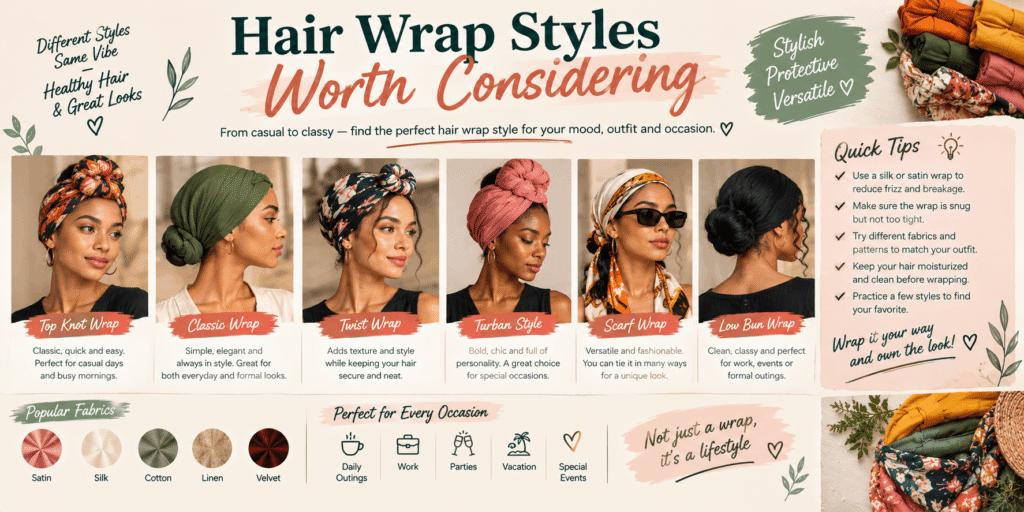
The best hair wrap is not necessarily the most expensive or the one with the most luxurious-looking fabric. What matters is how comfortably it fits, whether it stays in place while you sleep, and whether it gives your hair enough room without creating unnecessary pressure. A wrap that constantly slips off may not be useful, while one that feels too tight can quickly become uncomfortable.
Silk wraps are often appreciated for their naturally smooth surface and lightweight feel. They can be particularly appealing if you want a softer fabric against your hair and are looking for a more premium option. Depending on the construction, silk wraps can also have a delicate appearance that makes them feel like part of a nighttime beauty routine rather than simply another hair accessory.
Satin wraps are another popular choice because satin refers to a type of weave rather than one specific fiber. This means satin can be made from different materials, including synthetic fibers. A well-made satin wrap can still provide the smooth surface people look for when trying to minimize friction between their hair and the fabric.
When comparing different wraps, pay attention to the inside surface, stretch, closure, and overall coverage. A wide wrap may work better for longer or fuller hairstyles because it provides additional room, while a more compact design may feel easier to manage for shorter hair. The goal is to find something that covers the hair comfortably without making the nighttime routine complicated.
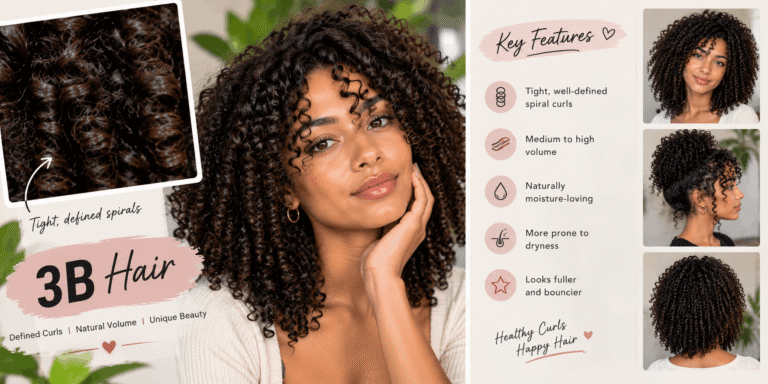
For curly and coily hair, coverage can be particularly important. Hair that has been carefully styled can become flattened or disturbed when it repeatedly rubs against a pillowcase throughout the night. A hair wrap creates a barrier between the hairstyle and the surrounding fabric, helping the hair stay contained while you sleep.
Another useful feature is adjustability. Some wraps use ties, elastic edges, or flexible construction so they can accommodate different amounts of hair. This can be more practical than choosing a one-size design that feels either too loose or too restrictive.
Color and appearance are obviously personal choices, but they can make a difference if you plan to use the wrap every night. Neutral colors may feel understated, while colorful or patterned designs can turn the accessory into a small part of your personal style. Since functionality is the main purpose, however, comfort and coverage should come before appearance.
Why Hair Wraps Have Become a Nighttime Hair Essential
A hair wrap is essentially a fabric covering designed to protect or contain the hair, particularly during sleep. It can cover most or all of the hair and may be secured using ties, elastic, buttons, or another fastening method. The exact design varies widely, which is why two wraps that look similar can feel completely different when worn.
The concept is not new. Hair coverings have long been used in different cultures and communities for hair protection, styling, and personal care. Modern silk and satin versions have become particularly popular because they combine traditional hair-protection practices with materials that are designed to feel smooth against the hair.
The main reason people choose these wraps is friction. Hair can move against a pillowcase throughout the night, and that repeated contact may disturb certain hairstyles or contribute to a rougher, more tangled appearance. A smooth covering can help reduce that interaction.
This does not mean a wrap can completely prevent frizz, tangling, or changes in your hairstyle. Hair naturally moves, and factors such as moisture, texture, styling products, sleep position, and the hairstyle itself can all influence what it looks like the next morning. A wrap is better viewed as one helpful part of a nighttime routine rather than a guaranteed solution.
Silk or Satin: Which One Makes More Sense?
The silk-versus-satin question can be confusing because the two terms describe different things. Silk is a natural fiber, while satin describes a particular type of weave. Satin fabrics can therefore be produced from several different fibers, including synthetic materials.
Silk is often chosen for its smooth feel, breathability, and luxurious texture. It can be a good choice if you specifically want a natural-fiber option and are comfortable with the additional care that some silk products require.
Satin can offer a more accessible alternative and is available in a wide variety of constructions and price ranges. A quality satin hair wrap can provide the smooth surface that many people want without requiring a natural silk fabric.
The best choice ultimately depends on your priorities. If the fiber itself matters to you, you may prefer silk. If you mainly want a smooth covering that fits comfortably and works well with your hair routine, a good satin option can also make sense.
Rather than choosing based only on the word “silk” or “satin” on the label, look at the actual construction of the product. Consider whether the wrap feels smooth, whether it covers your hairstyle adequately, and whether it stays secure without being uncomfortable.
What Your Hair Can Gain From a Nighttime Wrap
One of the biggest reasons people use a hair wrap is to help reduce overnight friction. When hair repeatedly moves against bedding, strands can become disturbed, and carefully styled curls or waves may lose some of their shape. Keeping the hair contained can reduce how much movement occurs between the hair and the pillow.
For textured hair, this can be particularly useful because curls and coils can be more prone to becoming tangled or losing their defined appearance. A wrap may help preserve the general shape of a hairstyle so that less restyling is needed the following morning.
A wrap can also help keep hair contained. Instead of allowing long hair, braids, curls, or other styles to spread across the pillow, the covering keeps them gathered in one place. This can make a nighttime routine feel more organized.
Another potential advantage is helping maintain the condition of a finished hairstyle. If you have spent time creating curls, twists, or another style, covering the hair can help reduce the amount of disturbance it experiences while you sleep.
However, expectations should remain realistic. A hair wrap does not replace regular cleansing, conditioning, moisturizing, or gentle hair care. It works best as one part of a broader routine designed around your particular hair texture and styling needs.
Who Might Benefit From Using One?
People with curly, coily, or wavy hair often use wraps because their hairstyles can be particularly sensitive to overnight friction and movement. A wrap can help keep curls together and reduce the amount of work needed to refresh the style the next day.
People with braids, twists, protective hairstyles, or longer hair may also appreciate the extra coverage. Instead of leaving the hairstyle exposed throughout the night, a wrap can keep everything gathered and protected.
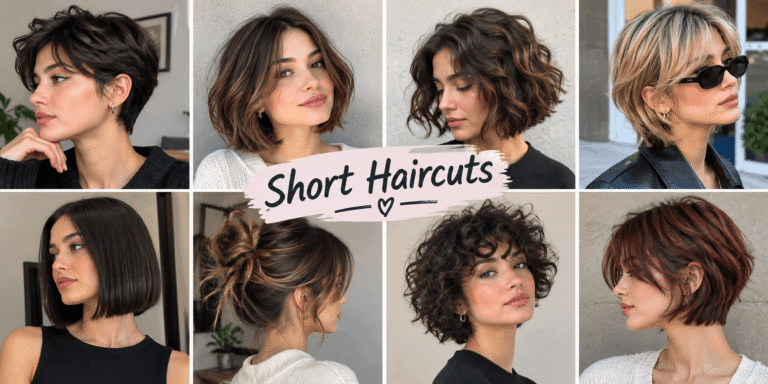
Even people with relatively straight hair can choose to use one. A nighttime covering can help keep longer hair contained and may reduce the amount of movement against bedding. The benefits and results will naturally differ from person to person.
A wrap can also be useful simply because some people prefer the feeling of having their hair secured while sleeping. There is no requirement to have a particular hair type to use one. Comfort, coverage, and personal preference are more important factors.
If you are trying a wrap for the first time, give yourself time to find a comfortable way to wear it. Different designs can feel very different, and the most effective option is one that you can comfortably keep on throughout the night.
How to Use a Hair Wrap Without Flattening Your Style
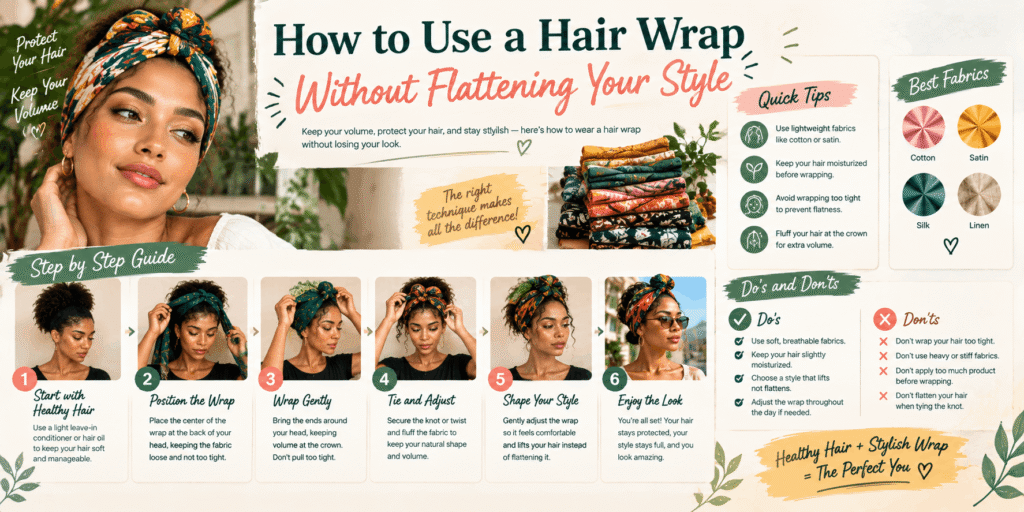
Using a hair wrap at night is simple, but the way you wear it can make a noticeable difference. The wrap should feel secure enough to stay in place while you sleep without feeling overly tight or uncomfortable. Your hair should be gathered gently rather than pulled firmly, especially if you are trying to preserve curls, waves, braids, or another defined style.
Before putting on the wrap, make sure your hair is arranged in a way that does not create unnecessary tension. For curls and waves, loosely gathering the hair toward the top of the head can help protect its shape while you sleep. If you have braids, twists, or another protective style, choose a wrap with enough room to cover everything without compressing it.
The fit is just as important as the fabric. A wrap that constantly slips off can be frustrating, while one that is too snug may not feel comfortable throughout the night. Adjustable edges, flexible bands, and generous coverage can make a wrap easier to wear regularly.
Choosing the Right Hair Wrap for Your Hair Type
There is no single hair wrap that works exactly the same way for everyone. Your hair texture, length, hairstyle, and personal comfort can all influence which design makes the most sense.
For curly and coily hair, a roomy wrap can be especially useful because it gives the hair space while helping reduce overnight friction. If your hair is long or particularly full, look for a larger design rather than trying to squeeze everything into a small cap.
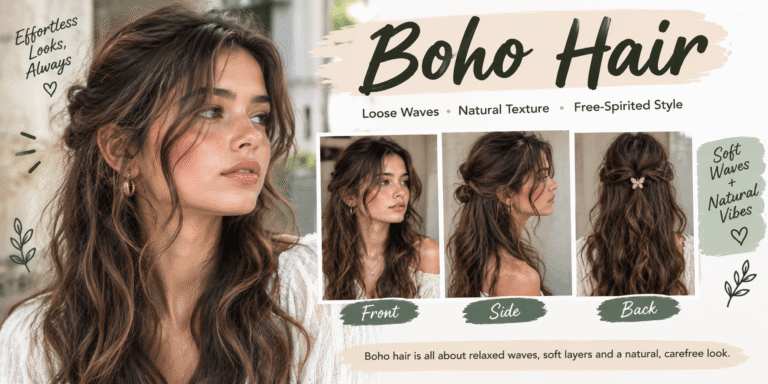
Wavy hair can also benefit from a smooth nighttime covering because tossing and turning against rough bedding can disturb the hair’s natural pattern. A lightweight wrap can help keep the hair contained without making the style feel overly compressed.
For straight hair, the main appeal may be keeping strands smoother and reducing the amount of friction they experience overnight. A wrap can also help keep longer hair from becoming tangled while you move around in your sleep.
If you regularly wear braids, twists, locs, or other protective hairstyles, coverage becomes even more important. In this case, consider the overall size and depth of the wrap rather than focusing only on the fabric.
Silk vs. Satin Hair Wraps: What Should You Look For?
When shopping for a hair wrap, fabric is only one part of the decision. Construction, size, stitching, elastic, and overall comfort can be just as important.
Silk is a natural fiber known for its smooth surface and soft feel. Satin, on the other hand, describes a type of weave and can be produced from different fibers. This means two satin wraps may feel quite different depending on what they are made from.
If you prefer natural fibers and do not mind paying more, silk may be appealing. Satin can offer a more budget-friendly option while still providing the smooth surface many people want from a nighttime hair wrap.
It is also worth checking how the edges are finished. A soft, comfortable band can make a major difference if you plan to wear the wrap for several hours. The best design is usually one that stays in position without making you constantly aware that you are wearing it.
Common Hair Wrap Mistakes to Avoid
One common mistake is choosing a wrap based only on appearance. A beautiful color or pattern may catch your attention, but the wrap still needs to fit comfortably and provide enough space for your hairstyle.
Another mistake is choosing a size that is too small. If your hair feels compressed or you have difficulty fitting all of it inside, a larger option may be more practical.
It is also important not to treat a hair wrap as a complete hair-care routine. A wrap can help protect your hair while you sleep, but it cannot replace gentle handling, suitable conditioning, regular cleansing, or other habits that work for your particular hair type.
Keeping the wrap clean matters too. Hair products, natural oils, and everyday buildup can accumulate on the fabric over time. Following the manufacturer’s washing instructions can help keep the wrap fresh and comfortable.
How to Make a Hair Wrap Part of Your Nighttime Routine
The easiest way to stay consistent is to make your wrap part of something you already do before bed. Once your nighttime hair routine is finished, gently arrange your hair and put the wrap on before getting into bed.
You can also pair it with a smooth pillowcase for an extra layer of protection if that feels comfortable for you. The goal is not to create a complicated routine but to make nighttime hair protection easy enough that you will actually keep doing it.
Remember that results can vary. Some people notice a difference in how their curls look the next morning, while others mainly appreciate having fewer tangles or a smoother feel. Give yourself time to figure out what works best for your own hair.
Why Trust Us
When considering a satin or silk hair wrap, we focus on practical features that matter beyond appearance. Fabric quality, coverage, comfort, construction, adjustability, and suitability for different hair textures are all important when comparing options.
A good hair wrap should fit naturally into your routine rather than making nighttime care more complicated. That is why the best choices are not necessarily the most expensive ones—they are the wraps that combine comfortable construction with a smooth surface and a fit that works for your hairstyle.
Final Thoughts
A satin or silk hair wrap can be a simple addition to a nighttime routine, especially if you want to protect curls, reduce overnight friction, or keep longer hair more contained while you sleep. The most important factors are not just the fabric but also the fit, coverage, comfort, and construction.
Whether you choose silk for its natural fiber or satin for its variety and affordability, look for a wrap that works with your actual hairstyle and feels comfortable enough to use consistently. The right hair wrap should make nighttime hair care easier—not more complicated.

3 Comments