Changing your hairstyle does not always mean making a dramatic transformation. Sometimes, removing a few inches and reshaping the hair can completely refresh your look. The right cut can make styling easier, bring out natural texture, and give everyday hair a more intentional finish.
From timeless bobs to textured pixies and modern cropped styles, there are plenty of short haircuts to choose from. The key is finding one that works with your hair texture, preferred styling routine, and the overall look you want to create.
Why Short Haircuts Are So Popular Right Now
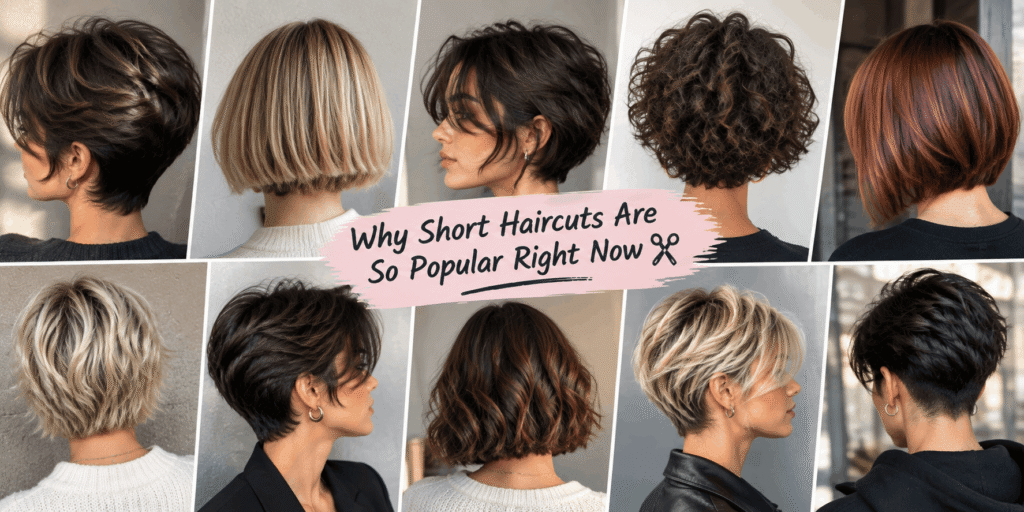
One reason short haircuts continue to attract attention is their versatility. Short hair does not have to mean one particular aesthetic. A polished bob can look completely different from a choppy pixie, while a curly crop can have a softer appearance than a structured geometric cut.
Shorter lengths can also make the natural movement of hair more noticeable. Waves may become easier to define, curls can appear more prominent, and layers can create movement without relying on excessive styling.
Another advantage is that many shorter styles can be customized. Your stylist can adjust the length around the face, change the amount of layering, soften the edges, or add bangs to create a version that feels more personal.
However, shorter does not automatically mean maintenance-free. Some cuts need frequent trims to keep their shape, while others are designed to grow out more gradually. Before choosing a style, it is worth considering how much time you want to spend styling and maintaining it.
20 Short Haircuts Worth Trying
1. Classic Pixie Cut
The classic pixie is one of the most recognizable short haircuts for women. It keeps the sides and back relatively close while leaving enough length on top to create shape.
Its simplicity makes it surprisingly adaptable. The top can be brushed neatly for a polished appearance or given a little texture for a more relaxed finish. A pixie also allows facial features and accessories to become more noticeable because there is less hair surrounding the face.
2. Long Pixie With Side-Swept Bangs
A longer pixie is a useful choice if you want the convenience of a short style without going extremely short. Extra length through the top and front creates more styling possibilities.
Side-swept bangs can soften the overall shape and give the haircut movement. They can also be changed from one side to another when you want to create a slightly different appearance without cutting the hair again.
3. Textured Pixie Cut
A textured pixie takes the classic shape and gives it a more piecey finish. Instead of making every section look perfectly uniform, strategic layers create separation and movement.
This style can work particularly well when you enjoy a less structured hairstyle. A small amount of styling product can emphasize individual sections and prevent the cut from looking too flat.
4. Blunt Bob
The blunt bob is defined by a clean, relatively even perimeter. It can sit around the jawline, chin, or slightly below it depending on the desired length.
Because the ends are kept visually strong, this cut can create a crisp and polished appearance. A center part gives it a sleek finish, while a side part can make the same haircut feel softer.
5. Layered Bob
A layered bob adds movement to the traditional bob shape. Instead of allowing the ends to fall as one solid line, shorter internal or visible layers help create a more dynamic silhouette.
This can be especially useful for hair that tends to look heavy in one-length styles. The layers can be subtle or more noticeable depending on the amount of movement you want.
6. French Bob
The French bob has a distinctly classic character, often featuring a shorter length around the jaw and a fringe or face-framing detail.
Its appeal comes from looking intentionally effortless rather than overly styled. Slight natural texture can make the cut feel relaxed, while smoother styling gives it a more refined appearance.
7. A-Line Bob
An A-line bob is shorter toward the back and gradually becomes longer toward the front. The angle does not have to be dramatic; even a subtle difference can create a noticeable shape.
This design adds structure while keeping enough length around the face for versatility. It can be worn straight for a sharp finish or styled with waves for softer movement.
8. Inverted Bob
The inverted bob takes the angled concept further by creating more noticeable graduation toward the back. The stacked shape can add dimension and make the haircut look fuller.
It is a good option for someone who likes a structured silhouette but does not want a completely traditional bob. The back can be kept relatively neat while the front remains long enough to frame the face.
9. Asymmetrical Bob
An asymmetrical bob intentionally uses uneven lengths. One side may be slightly longer than the other, or the difference can be more dramatic for a stronger statement.
The asymmetry gives an otherwise familiar bob a distinctive personality. Because the haircut itself provides visual interest, you can keep the rest of your styling simple.
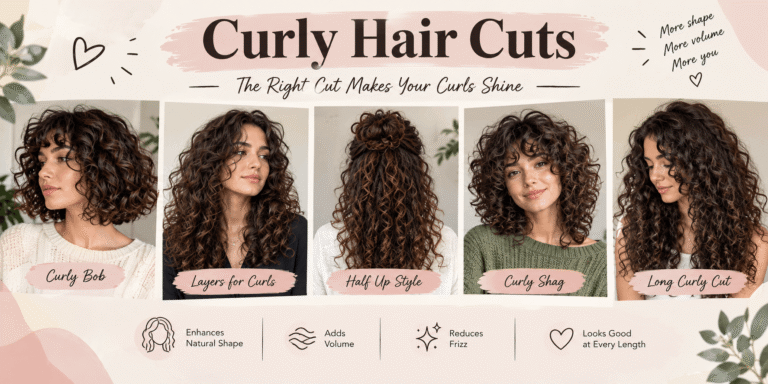
10. Curly Bob
A curly bob allows natural curls to become the main feature of the haircut. The length can be customized according to curl pattern and desired shape.
Proper layering is important because curls can spring upward as they dry. A stylist who understands curly texture can shape the cut so the curls sit in a balanced way rather than creating unwanted bulk in one area.
11. Short Shag
A short shag combines layers, texture, and an intentionally undone finish. Instead of relying on a perfectly smooth outline, the haircut uses different lengths to create movement.
It can work beautifully with natural waves, but straight hair can also be styled to emphasize the layers. The overall effect is casual and expressive rather than overly polished.
12. Modern Choppy Layers
Choppy layers create visible variation throughout the haircut. Unlike extremely soft layers, these pieces are designed to give the hair more separation and movement.
This can be a useful approach for someone who wants a short style that does not look overly traditional. Styling the ends in slightly different directions can emphasize the layered effect.
13. Tapered Short Cut
A tapered cut gradually becomes shorter around selected areas, particularly near the sides and neckline, while maintaining more length toward the top.
The result is clean without necessarily looking severe. The top can be styled upward, sideways, or left with natural texture depending on the hair type.
14. Short Undercut
An undercut removes or significantly reduces the hair underneath while leaving more length over the top. The contrast can be subtle or very noticeable.
It can also be personalized in several ways. The longer section may be worn down to partially conceal the undercut or styled away from it to make the shorter section part of the overall look.
15. Buzz Cut
A buzz cut is one of the boldest options in this collection because the hair is kept very short and relatively uniform.
Its simplicity means there are fewer styling decisions to make each morning. The final appearance depends heavily on the exact length chosen, so discussing the desired result with a professional before cutting is important.
16. Bowl Cut
A modern bowl cut is very different from the exaggerated versions associated with older trends. Today’s interpretations can include textured edges, tapered sides, softer transitions, or longer pieces around the face.
The shape is naturally distinctive, so it can be an excellent choice for someone who wants their haircut to become the main feature of their look.
17. Faux Hawk
A short faux hawk uses extra length through the center while keeping the sides shorter. Unlike a traditional mohawk, the sides do not necessarily need to be shaved.
The central section can be styled upward or toward the middle to create height. For a softer version, the top can simply be textured rather than pushed dramatically upward.
18. Short Cropped Curls
Short cropped curls keep the hair relatively close while allowing the natural curl pattern to remain visible. The shape can be adjusted according to curl density and shrinkage.
This style works best when the cut is designed around the natural behavior of the curls rather than forcing them into a completely different shape. A lightweight curl product can help define the texture without making the hair feel heavy.
19. Finger-Wave Bob
A finger-wave bob brings a vintage-inspired detail into a shorter contemporary shape. Defined waves are arranged close to the head, creating a sculpted appearance.
It is particularly effective for events or occasions when you want your hairstyle to feel more deliberate. The bob length keeps the vintage technique from becoming overwhelming.
20. Short Wavy Bob
A short wavy bob combines the recognizable bob silhouette with loose movement. The waves can be natural or created with styling tools, depending on your hair texture.
The style can be worn with a middle part for a balanced appearance or shifted slightly to one side for a less symmetrical finish. Keeping the ends from looking too uniform can help the waves appear more natural.
How to Choose the Right Short Haircut for You
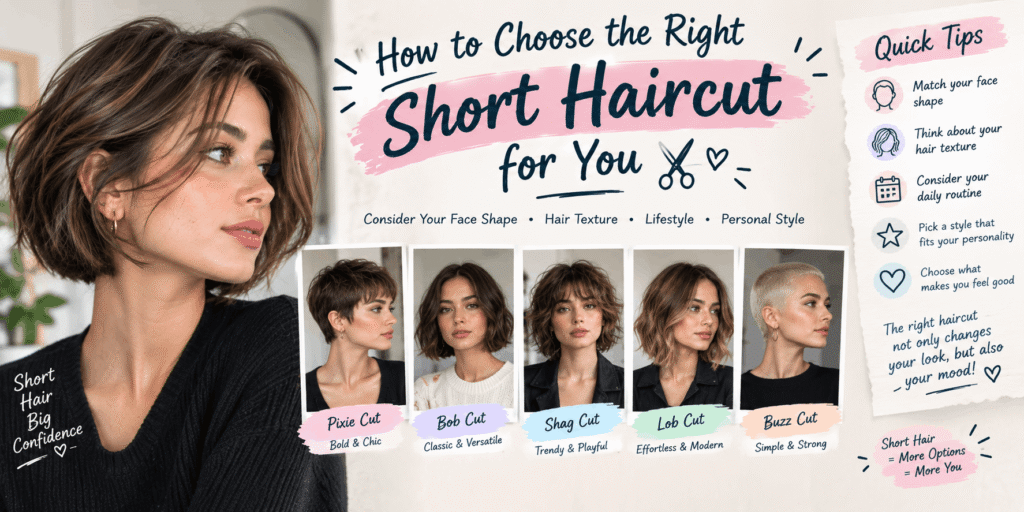
Choosing between different short haircuts is easier when you start with your natural hair rather than a photo alone. A hairstyle may look one way on straight, thick hair and completely different on fine, curly, or wavy hair.
Match the Cut to Your Hair Texture
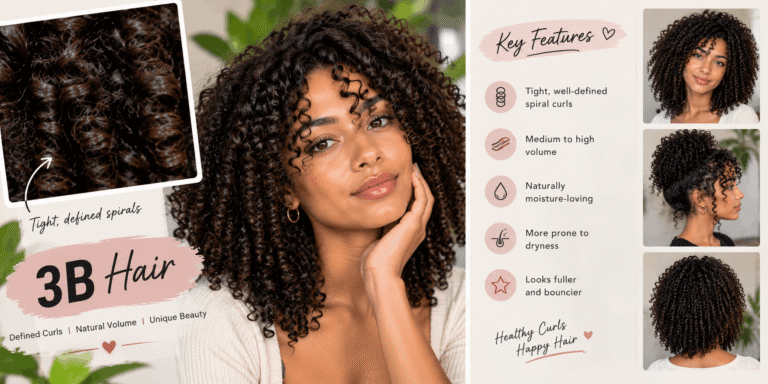
Straight hair often shows clean lines and geometric shapes clearly. Wavy hair can benefit from layers that encourage movement, while curly hair usually needs shaping that accounts for shrinkage and curl pattern.
Fine hair may benefit from carefully placed layers rather than excessive thinning. Thick hair, meanwhile, may need internal weight removal to keep the finished shape manageable.
Consider Your Daily Styling Routine
Think about how much effort you realistically want to spend on your hair. A highly structured haircut may look excellent after styling but require regular work to maintain that appearance.
If you prefer a quick routine, consider a shape that looks intentional with minimal styling. If you enjoy experimenting with your hair, a longer pixie, bob, or layered crop can provide more options.
Think About Length, Layers, and Bangs
Small changes can make a major difference. Two bobs may have the same basic shape but look completely different because one has bangs and the other does not.
The same applies to layers. Soft layers can create movement without dramatically changing the outline, while choppier layers can give the haircut a more noticeable textured effect.
Bring the Right Reference to Your Stylist
A reference photo is useful, but it should be treated as inspiration rather than an exact template. Show your stylist several examples and explain which details you like.
It can help to point out the length, texture, fringe, layering, or shape you prefer. Your stylist can then adapt those features to your own hair rather than attempting to copy someone else’s haircut exactly.
How to Style Short Haircuts Without Making Them Look Flat
The right styling technique can completely change the appearance of short haircuts. You do not necessarily need a large collection of products. In many cases, one suitable styling product and the right drying method are enough.
Add Texture Where You Need It
Texture can help shorter hair look more dimensional. Instead of applying product everywhere, focus on areas where you want separation or movement.
For a sleek style, use a smoothing product and direct the hair into place while drying. For a textured finish, use your fingers to separate sections instead of brushing everything into one uniform shape.
Use the Right Styling Products
The best product depends on your hair type and desired finish. Lightweight creams can provide control without making some hair types feel heavy, while texture products can emphasize layers.
Start with a small amount. Adding more product is easier than trying to remove excess product after the hair becomes weighed down.
Refresh the Shape Between Washes
Short hair can sometimes show changes in shape more quickly than longer hair. A quick restyle with water, a blow dryer, or a small amount of product can help restore the original direction.
Avoid repeatedly applying heavy products simply to refresh the hair. Sometimes reshaping the hair with slightly damp hands is enough.
Keep the Ends Looking Healthy
Because the ends are highly visible in shorter styles, keeping them in good condition can make the entire haircut look cleaner. Gentle washing, conditioning, and sensible heat styling can help maintain the overall finish.
How to Maintain Short Haircuts Longer
One important thing to remember about short haircuts is that their shape can change as they grow. A small amount of new growth may alter the balance of a pixie, taper, or sharply angled bob.
When to Book a Trim
The ideal trimming schedule depends on the haircut. Highly structured cuts generally need more frequent maintenance, while softer bobs and layered styles may continue looking intentional as they grow.
Instead of following a fixed calendar, pay attention to when the original shape starts disappearing. That is usually a better indication that the haircut needs refreshing.
Keeping Layers and Shape Defined
Regular trims can prevent layers from becoming uneven or losing their intended movement. If your haircut includes bangs or a strong neckline, these areas may need attention sooner than the rest.
Ask your stylist what parts of the cut are most important to maintain. This can help you focus your appointments on the areas that define the hairstyle.
Managing Growing-Out Stages
Every haircut eventually reaches an awkward growing-out stage. Rather than immediately changing the entire style, small adjustments can help you transition toward a longer shape.
For example, a pixie can gradually become a longer crop, while a bob can be reshaped as it moves toward a longer length. Planning the transition with your stylist can make the process much easier.
Short Haircuts for Different Hair Types
There is no single haircut that works identically for everyone. The same style can require different cutting techniques depending on texture, density, and natural movement.
Fine Hair
For fine hair, the goal is often to create a shape that does not remove too much visible density. Blunt bobs and carefully structured pixies can work well because they maintain a stronger outline.
Excessive layering may sometimes make fine hair appear less substantial, so discuss the amount of layering with your stylist.
Thick Hair
Thick hair can carry many different short haircuts, but managing weight becomes important. Internal layers or strategic shaping can help prevent the haircut from becoming too bulky.
A layered bob, tapered cut, or textured short style can create movement while making the overall shape easier to manage.
Wavy Hair
Wavy hair can make a short haircut look naturally textured. Bobs and shags are particularly adaptable because their shapes can work with the movement already present in the hair.
Avoid choosing a cut solely from a straight-hair reference if your natural texture is very different. Ask how the style will behave when your waves are left natural.
Curly Hair
Curly hair benefits from a haircut that respects the curl pattern. Short bobs, cropped curls, and carefully layered styles can all work, but the exact length needs to account for shrinkage.
A stylist experienced with curly hair can help determine where the hair should be shortened and how much layering will create the desired shape.
Straight Hair
Straight hair naturally highlights clean lines, making it suitable for polished bobs, pixies, undercuts, and geometric shapes.
If you prefer something less structured, adding layers or texture can prevent the finished haircut from appearing too uniform.
Final Thoughts
The best short haircuts are not necessarily the most dramatic ones. A successful haircut is one that fits your natural texture, feels comfortable with your routine, and gives you enough flexibility to style it the way you enjoy.
A classic bob can provide a polished everyday shape, while a pixie offers a lighter and more expressive option. Shags, curls, layered cuts, undercuts, and textured styles provide even more possibilities.
Before making the change, consider your hair’s natural behavior, how often you want to visit the salon, and how much styling you actually enjoy. With those factors in mind, choosing among different short haircuts becomes much easier—and the final result is more likely to feel genuinely suited to you.
One Comment