
What if dullness, uneven texture, and visible signs of aging could be addressed without choosing just one type of treatment? Skin rejuvenation covers a wide range of professional and cosmetic approaches designed to improve the appearance of the skin, from gentle facials and peels to lasers, microneedling, light-based treatments, and injectables.
But with so many options available, choosing the right treatment can quickly become confusing. One treatment may focus on pigmentation, another on texture, while some are primarily used to soften the appearance of lines or restore facial volume.
The right choice depends on your skin concerns, treatment goals, sensitivity, downtime preferences, and the advice of a qualified professional. In this guide, we will break down popular skin rejuvenation treatments, explain how they differ, and explore what you should know before deciding which option may be suitable for you.
Understanding Skin Rejuvenation
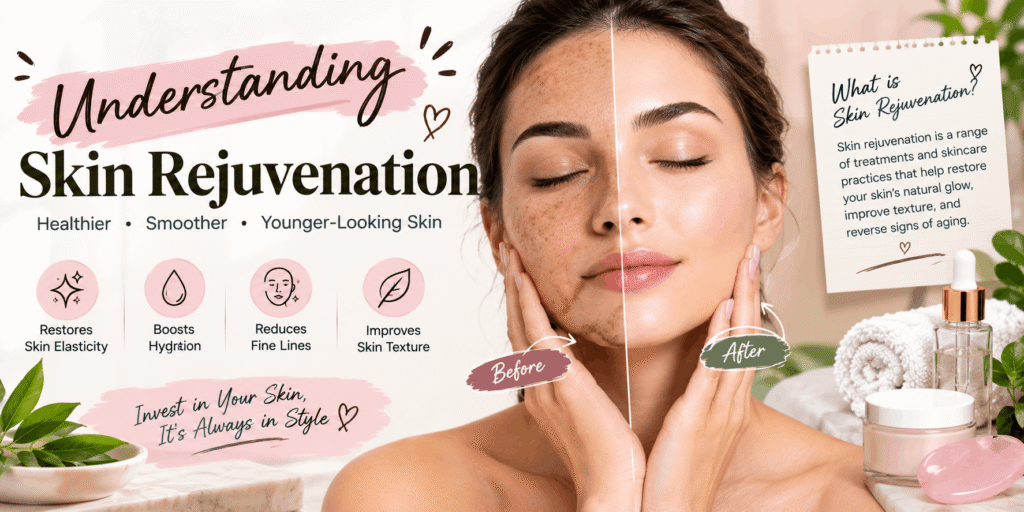
Skin rejuvenation is a broad term used for cosmetic approaches intended to improve the appearance of the skin. Depending on the procedure, the goal may include improving the look of uneven texture, fine lines, pigmentation, dullness, or other visible changes associated with aging or environmental exposure.
The term does not refer to one specific procedure. Instead, it includes a large category of treatments that work in different ways.
Some treatments focus on the surface of the skin, while others target deeper layers. Some rely on controlled exfoliation, others use energy-based devices, and some involve injectable products.
The Science Behind Skin Rejuvenation
Different treatments work through different mechanisms. Exfoliating treatments remove or loosen superficial layers of dead skin cells, while certain energy-based treatments deliver controlled heat or light to targeted areas.
Microneedling, for example, uses tiny needles to create controlled micro-injuries in the skin. This process is intended to stimulate the body’s wound-healing response and support collagen production.
Other procedures work by temporarily relaxing specific facial muscles or restoring volume in targeted areas. Because the mechanisms and risks vary significantly, treatment selection should be based on your specific concerns rather than simply choosing the most advanced-sounding procedure.
Skin Rejuvenation vs. Skin Resurfacing
The terms skin rejuvenation and skin resurfacing are sometimes used interchangeably, but they can describe somewhat different treatment approaches.
Skin Rejuvenation: Broad and Diverse
Skin rejuvenation is the broader category. It can include relatively gentle treatments intended to refresh the appearance of the skin as well as more intensive procedures.
Facials, chemical peels, IPL, microneedling, certain laser treatments, and injectables may all fall under the larger umbrella of skin rejuvenation.
The goal can be cosmetic improvement in several different areas rather than focusing on one particular layer of skin.
Skin Resurfacing: Focused and Intense
Skin resurfacing generally refers to treatments that specifically target the skin’s surface or deeper layers to improve texture and appearance.
Laser resurfacing and dermabrasion are examples of treatments that can be more intensive. Depending on the procedure, they may involve greater downtime and a longer recovery period than gentler rejuvenation options.
This distinction is useful when comparing treatments because the strongest option is not necessarily the most appropriate one.
Popular Skin Rejuvenation Treatments
There are many options available, and each is designed with different goals in mind. A professional consultation can help determine which treatment matches your skin and expectations.
Anti-Wrinkle Injections
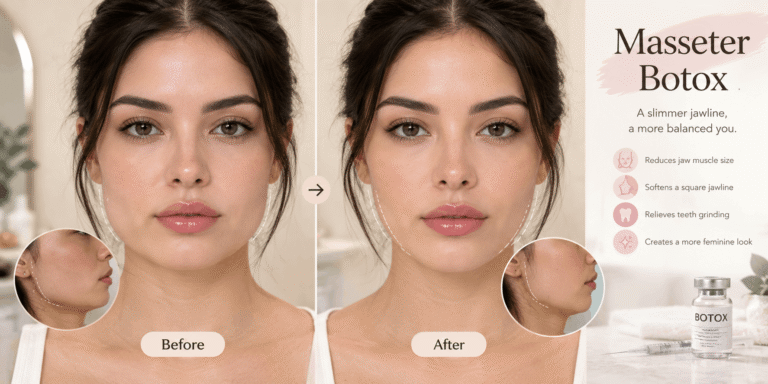
Anti-wrinkle injections are designed to temporarily reduce the appearance of certain dynamic wrinkles by affecting targeted facial muscles.
They are commonly used in areas where repeated facial movement contributes to visible lines. The results and duration vary, and treatment should only be performed by an appropriately qualified professional.
These injections do not address every type of skin aging. They are primarily focused on muscle movement rather than skin texture or pigmentation.
Dermal Fillers
Dermal fillers are injectable products used to restore or add volume in selected areas of the face.
Depending on the product and treatment area, fillers may be used to create a fuller appearance, soften the look of certain folds, or enhance facial contours.
Because fillers are injected beneath the skin, choosing an appropriately qualified medical professional is particularly important. Results depend on the product, amount used, placement, and individual anatomy.
Chemical Peels
Chemical peels use specific chemical solutions to exfoliate the skin to varying degrees.
They range from relatively superficial treatments to deeper procedures. The appropriate strength depends on the skin concern, skin type, and desired outcome.
A professional can determine whether a peel is suitable and which formulation is appropriate.
What Is Laser Skin Resurfacing?
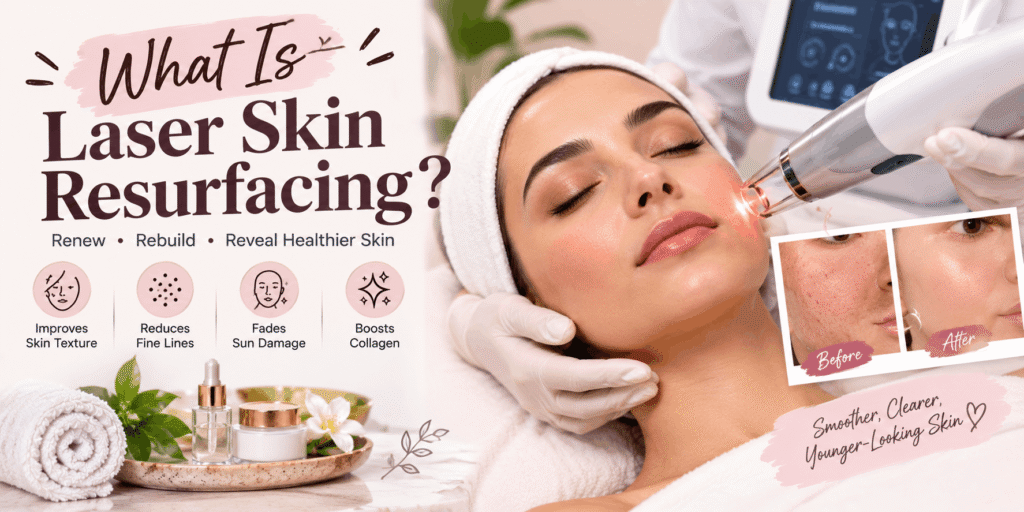
Laser skin resurfacing uses laser energy to target the skin in a controlled way. Depending on the technology, the procedure can remove portions of the outer skin layer or stimulate changes in deeper tissue without removing the entire surface.
Laser treatments can be used for several cosmetic concerns, including the appearance of uneven texture, certain pigmentation issues, and signs of aging.
The type of laser makes a major difference in how intensive the procedure is.
Ablative Lasers
Ablative lasers remove controlled amounts of the outer skin layer. Because the treatment is more intensive, recovery can involve redness, peeling, and other temporary changes.
These treatments can produce significant cosmetic results, but they also require careful professional assessment and aftercare.
Non-Ablative Lasers
Non-ablative lasers generally target deeper tissue without removing the entire outer layer of skin.
They are often associated with less downtime than ablative procedures, although the exact recovery and results depend on the specific device and treatment settings.
A consultation is important because different lasers are designed for different skin concerns and skin types.
Transforming Skin With Chemical Peels
Chemical peels can be useful when the goal is to improve the appearance of dullness, uneven texture, or certain pigmentation concerns.
The strength of the peel affects both the expected result and the amount of recovery involved.
Light vs. Deep Chemical Peels
Light peels generally target the superficial layers of skin and may involve less downtime. They can be used as part of a recurring cosmetic routine when appropriate.
Deeper peels penetrate further and can produce more significant effects, but they also carry greater risks and require more careful professional management.
Because peel strength varies considerably, these treatments should not be selected simply based on the promise of faster results.
The Role of Microneedling in Skin Rejuvenation
Microneedling has become a popular cosmetic procedure because it uses controlled stimulation rather than traditional exfoliation.
The device creates tiny punctures in the skin, which triggers a wound-healing response. This can stimulate collagen and elastin production over time.
How Microneedling Improves Your Skin
Microneedling is commonly used to improve the appearance of uneven texture, acne scars, and fine lines.
Results are not immediate because the skin needs time to go through its natural repair process. Multiple treatments may sometimes be recommended depending on the concern and treatment plan.
Professional technique matters because excessive pressure, incorrect needle depth, or poor hygiene can increase the risk of complications.
IPL (Intense Pulsed Light) Therapy
IPL uses broad-spectrum pulses of light rather than a traditional laser wavelength.
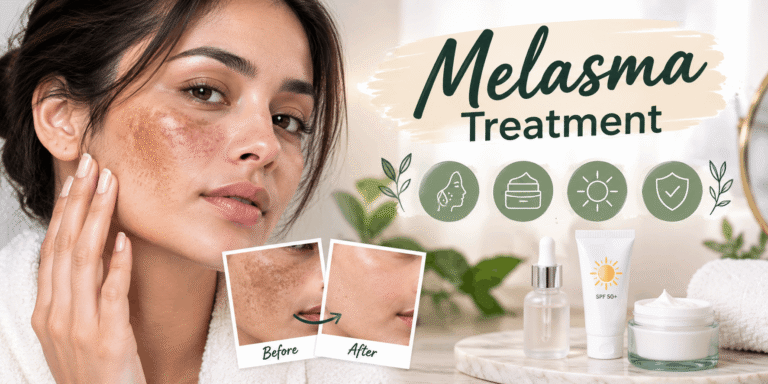
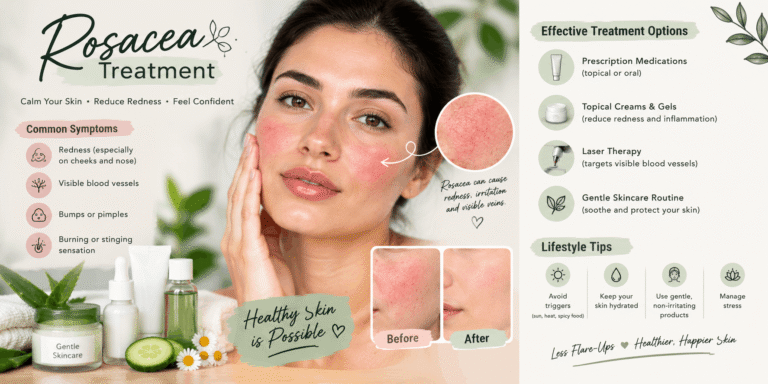
It can be used for several cosmetic concerns involving pigmentation and visible redness, depending on the device and the individual’s skin.
Skin Concerns That IPL Treats
IPL may be used to target the appearance of sun-related pigmentation, freckles, certain forms of redness, and uneven-looking skin tone.
The treatment is not suitable for every skin type or every concern. A qualified professional should evaluate the skin before treatment because the wrong settings can increase the risk of burns or unwanted pigmentation changes.
Preparing for Professional Skin Rejuvenation
Preparation depends heavily on the treatment you choose. A professional may recommend avoiding certain skincare products or cosmetic procedures beforehand.
Tell your provider about your current skincare routine, medications, recent cosmetic procedures, and any history of unusual reactions to skincare products.
Why a Consultation Matters
A consultation allows the professional to examine your skin, understand your goals, and discuss realistic expectations.
It is also the time to ask about downtime, possible side effects, number of sessions, costs, and aftercare.
Non-Surgical Facial Rejuvenation Techniques
Not every skin rejuvenation treatment requires injections, surgery, or significant downtime. Many non-surgical options are designed to refresh the appearance of the skin while fitting more easily into a regular beauty routine.
The right choice depends on the concern being treated. Someone mainly bothered by dull-looking skin may prefer a gentle facial or exfoliating treatment, while someone concerned about texture may consider microneedling or resurfacing after a professional assessment.
Cryofacials
Cryofacials use controlled cold as part of a cosmetic facial experience. They are generally promoted for a refreshed, temporarily brighter-looking appearance.
Because the treatment relies on cold exposure, it should be performed with appropriate equipment and professional guidance. It is not a substitute for medical treatment of inflammation or skin conditions.
Laser Skin Resurfacing
Laser resurfacing can be more intensive than many basic facial treatments. Depending on the type of laser used, it can target the outer layers of the skin or stimulate changes below the surface.
Because different lasers have different settings and indications, the procedure should be selected according to skin type, pigmentation, texture, and treatment goals.
Microdermabrasion
Microdermabrasion is a mechanical exfoliation procedure that removes some of the outermost dead skin cells. It is generally less intensive than many laser resurfacing procedures and may be used to improve the appearance of dullness and uneven texture.
Recovery varies, but it is often considered a lower-downtime cosmetic treatment. A professional can determine whether it is appropriate for your skin.
Other Treatments for Skin Rejuvenation
The number of available cosmetic treatments can make choosing one confusing. Two procedures may both be marketed as rejuvenating but work in completely different ways.
Dermabrasion
Dermabrasion is more intensive than microdermabrasion and involves controlled removal of the outer layers of skin using specialized equipment.
It can be used for certain scars, texture concerns, and other cosmetic purposes, but it requires professional evaluation and has more recovery considerations than gentler exfoliation.
Hydrafacial MD
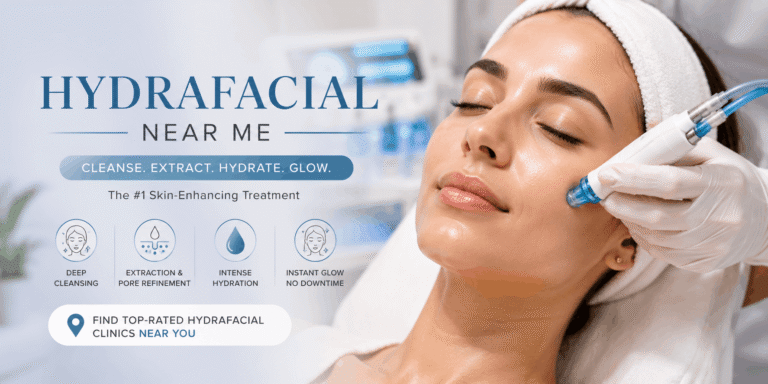
HydraFacial is a branded treatment that combines cleansing, exfoliation, extraction, and hydration in a multi-step procedure.
It is often chosen by people who want a refreshed-looking complexion without the downtime associated with more aggressive resurfacing procedures. Exact protocols can vary between providers, so ask what your appointment includes.
Radio Frequency Therapy
Radio-frequency treatments use energy to heat tissue beneath the skin’s surface. They are commonly marketed for improving the appearance of skin firmness and texture.
Different devices use different technologies and treatment approaches. Results vary, and multiple sessions may be recommended depending on the device and treatment plan.
Injectables and Rejuvenation
Injectable treatments represent another category of cosmetic rejuvenation. Anti-wrinkle injections and dermal fillers work differently and target different aspects of facial aging.
Anti-wrinkle injections primarily affect muscle movement, while fillers are designed to add or restore volume in selected areas.
Because injections involve placing substances beneath the skin, they should be performed by an appropriately qualified medical professional who understands facial anatomy and the specific product being used.
Making the Right Choice for Your Skin
Choosing among skin rejuvenation treatments should start with your actual concern rather than a trendy procedure.
Think about whether your main goal is improving the appearance of texture, pigmentation, fine lines, dullness, visible redness, or loss of volume. A professional consultation can help identify which treatment category makes the most sense.
You should also consider how much downtime you can realistically manage. A treatment that requires several days of recovery may not be practical if you have work, school, travel, or an upcoming event.
Home Treatments vs. Professional Treatments
At-home skincare products can support general skin care, but they should not be treated as equivalent to professional procedures.
Gentle exfoliating products, moisturizers, sunscreen, and other daily skincare can help maintain the appearance of the skin. More intensive treatments involving lasers, needles, strong peels, or specialized devices require appropriate professional training.
Avoid trying to recreate a medical or professional procedure at home using unregulated equipment or concentrated products.
Selecting the Appropriate Treatment Based on Age
Age alone should not determine which cosmetic treatment you receive. Two people of the same age can have completely different skin concerns and treatment goals.
A younger person may be interested mainly in maintaining hydration or addressing uneven-looking skin, while an older person may be more focused on texture, lines, or volume. Skin type, medical history, previous treatments, and personal preferences are more useful factors than age alone.
Advanced Treatments and Innovations
Technology continues to expand the options available for cosmetic skin rejuvenation. New devices and combinations of treatments are continually being developed, but newer does not automatically mean better.
The safest choice is generally the treatment with a clear purpose, appropriate evidence, and a qualified professional who can explain the expected outcome and possible risks.
Combining Different Treatments
Some providers combine procedures to address several cosmetic concerns at once. For example, a person might receive an exfoliating treatment alongside a hydration-focused facial, depending on their skin and the provider’s protocol.
More treatments are not always better, though. Combining several intensive procedures can increase irritation and recovery time, so treatments should be planned carefully.
Realistic Expectations Matter
Professional rejuvenation can improve the appearance of skin, but no cosmetic procedure can permanently stop natural aging.
Results may be temporary, gradual, or require several sessions. The outcome can also vary according to skin type, age, lifestyle, treatment settings, and the skill of the provider.
Ensuring Safety: Consult a Professional
Safety should be one of the first considerations when selecting a rejuvenation procedure.
Before treatment, tell the provider about your skincare routine, allergies or sensitivities, medications, recent cosmetic procedures, and any relevant medical history. These details can affect which treatments are appropriate.
Ask exactly what device, product, or technique will be used and who will perform the procedure. You should also understand expected downtime, possible side effects, aftercare requirements, and what results are realistic.
Do not feel pressured to book a treatment simply because a provider recommends it. A reputable professional should be willing to explain your options and answer reasonable questions.
When to Postpone Treatment
Some procedures may need to be delayed when the skin is irritated, sunburned, injured, or undergoing another treatment.
The appropriate timing depends on the procedure, so discuss recent skincare and cosmetic treatments with your provider beforehand.
When to Seek Medical Advice
If you experience severe or persistent redness, swelling, pain, blistering, infection-like symptoms, or changes in vision after a procedure involving the face or eyes, seek appropriate medical care promptly.
final Thoughts
Skin rejuvenation is a broad category, and the best treatment is the one that matches your specific skin concerns rather than the one that sounds the most advanced. Facials, chemical peels, microdermabrasion, microneedling, IPL, lasers, radio-frequency treatments, and injectables all work differently and have different recovery requirements.
Start by identifying what you actually want to improve. If the concern is dullness, a gentle exfoliating or hydrating treatment may be enough. If texture, pigmentation, lines, or volume are bigger concerns, a qualified professional can explain more targeted options.
Your tolerance for downtime should also influence the decision. A procedure that produces a stronger result but requires significant recovery may not fit your schedule, while a gentler treatment may be easier to incorporate into regular care.
Most importantly, don’t choose a treatment based solely on marketing, price, or popularity. Ask who will perform it, which device or product will be used, what results are realistic, how much recovery is expected, and what risks are involved.
Professional skin rejuvenation can be a useful part of a cosmetic skincare routine, but healthy-looking skin also depends on everyday habits such as gentle cleansing, moisturizing, and consistent sun protection. With realistic expectations and qualified professional guidance, you can choose treatments more thoughtfully and focus on results that look natural and suit your individual needs.
6 Comments