
Introduction 🌸
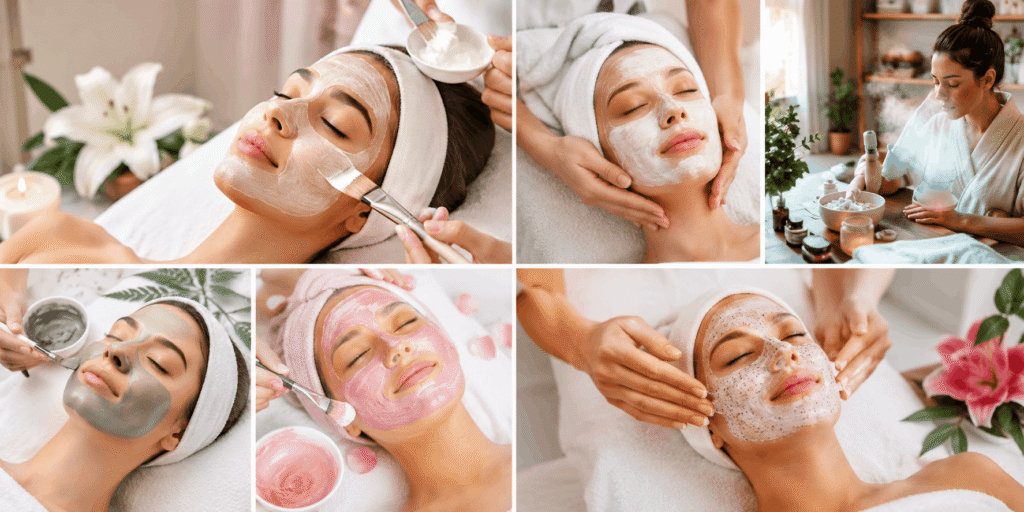
What if your skin could look more refreshed without completely changing your makeup routine? That is one reason a facial treatment has become such a popular part of modern skincare. A facial is not simply about sitting back while someone applies a few products to your face. Depending on the type of treatment, it can involve cleansing, exfoliation, hydration, massage, masks, extractions, or specialized techniques designed around particular skin concerns.
The interesting part is that there is no single facial treatment that works exactly the same way for everyone. Dry skin may benefit from a deeply hydrating approach, while someone dealing with excess oil may prefer a treatment focused on cleansing and balancing. Other facials are designed to improve the appearance of dull skin, provide temporary radiance, or create a smoother-looking complexion before a special occasion.
And then there is the question most people have before booking: Which facial is actually right for me? With so many names and treatment options available, choosing one can feel surprisingly confusing. A luxurious-sounding treatment is not automatically the right choice for your skin.
In this guide, we will explore what a facial treatment really involves, the most popular types, how treatments differ, what happens during an appointment, how to prepare, what aftercare may involve, and how to choose a professional service. We will also look at common skincare mistakes, questions to ask before booking, and what you should realistically expect from a facial.
Whether you are looking for a relaxing self-care experience, temporary skin refreshment, or a treatment designed around a particular cosmetic concern, understanding the basics can help you choose more confidently and enjoy the experience much more.
What Is a Facial Treatment? ✨
A facial treatment is a professional skincare service designed to cleanse, exfoliate, hydrate, massage, or otherwise care for the skin of the face. The exact process depends on the treatment and the professional providing it.
Some facials are gentle and relaxing, while others involve more active ingredients or specialized equipment. A professional may adjust the service according to your skin type, current condition, and personal goals.
What Can a Facial Include?
A traditional facial may include several basic steps such as cleansing, exfoliation, a mask, moisturizing, and facial massage.
Some treatments may also include extractions or specialized cosmetic technologies.
Why Do People Get Facial Treatments?
People choose facials for many different reasons. Some enjoy them as part of a regular self-care routine, while others book a facial treatment before an event when they want their skin to look refreshed.
A facial can also provide an opportunity to have your skin professionally observed and receive product recommendations based on what the practitioner sees.
However, facials should not be viewed as a universal solution for every skin condition. Persistent or serious concerns may require evaluation by a dermatologist or other qualified healthcare professional.
Popular Types of Facial Treatments 💆
Hydrating Facial
A hydrating facial focuses on supporting the skin’s moisture levels and creating a softer, more comfortable appearance.
It may be especially appealing when skin feels dry or looks dull. The exact products and techniques vary between providers.
Deep-Cleansing Facial
A deep-cleansing facial usually focuses on removing surface buildup, excess oil, and impurities.
Depending on the service, it may include gentle exfoliation and other cleansing steps.
Exfoliating Facial
Exfoliating treatments are designed to remove dead skin cells from the surface of the skin.
Different professionals may use physical or chemical exfoliation depending on the treatment and the client’s skin.
Brightening Facial
A brightening facial is generally designed to improve the appearance of dull or uneven-looking skin.
Products containing ingredients such as vitamin C or other brightening agents may be included depending on the treatment.
Anti-Aging Facial
Some facials focus on improving the appearance of fine lines, uneven texture, or loss of radiance.
These treatments may include specialized ingredients or technologies, but results vary between individuals.
Choosing a Facial Treatment for Your Skin Type 🧴
One of the most important steps is identifying what your skin actually needs. The right facial treatment should be selected according to your skin type, sensitivity, goals, and the recommendations of a qualified professional.
Dry Skin
Dry skin may benefit from a treatment emphasizing hydration and gentle care. Harsh exfoliation may not be appropriate for everyone with dry or sensitive skin.
Oily Skin
A treatment focusing on cleansing and balancing excess oil may be more suitable for oily skin.
However, aggressively stripping all oil from the skin is not necessarily beneficial.
Combination Skin
Combination skin can include both oily and dry areas, so a professional may adjust the treatment accordingly.
Sensitive Skin
Sensitive skin may require especially gentle products and techniques. Always mention sensitivity before treatment and let the professional know about any products or procedures that have caused irritation in the past.
What Happens During a Facial Treatment? 🧖
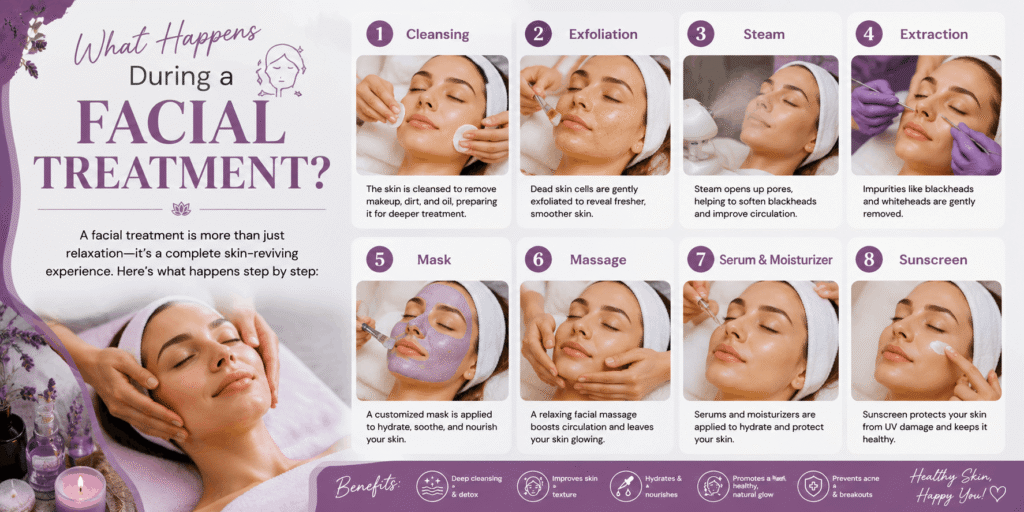
A facial treatment usually starts with a consultation or quick discussion about your skin and what you want from the appointment.
The professional may examine your skin before choosing the products or techniques to use.
Cleansing
The first step is usually cleansing to remove makeup, oil, sunscreen, and surface impurities.
Exfoliation
Depending on the facial, exfoliation may be used to remove surface dead skin cells.
Mask
A mask may then be applied according to the goals of the treatment. Hydrating, soothing, clay-based, or other masks can be selected depending on the service.
Moisturizing
The final steps often include moisturizing and protecting the skin.
The exact sequence varies depending on the facial.
Facial Massage and Relaxation 🌿
Many facials include some form of facial massage because it can make the experience feel relaxing.
Gentle massage may be incorporated around the cheeks, jawline, forehead, or other areas.
The massage is generally part of the overall spa experience rather than a treatment for a medical condition.
How to Prepare for a Facial Treatment 📝
Preparation can help make the appointment smoother.
Arrive with clean skin when possible, and tell the practitioner about your current skincare routine.
Mention Active Skincare Products
If you use products containing strong active ingredients, mention them before treatment. The professional may need to adjust the facial depending on your current routine.
Tell Them About Recent Treatments
If you recently had a peel, laser treatment, waxing, or another cosmetic procedure, tell the professional before starting a facial.
This information can help them determine whether the treatment should be modified or postponed.
How Often Should You Get a Facial? 📅
There is no universal schedule.
Some people book facials occasionally for relaxation or before important events, while others prefer regular appointments as part of their skincare routine.
How often you should receive a facial treatment depends on your skin, the type of treatment, your goals, and professional recommendations.
More frequent treatment is not automatically better.
Facial Treatment for Special Occasions 💍
Booking a facial treatment before a major event can sound appealing, but timing matters.
A gentle facial may leave the skin looking refreshed, while stronger treatments may temporarily cause redness or sensitivity.
For an important event, consider having a new treatment well in advance rather than trying it for the first time immediately beforehand.
Before Weddings
A familiar and gentle facial may be preferable before a wedding or major celebration.
Avoid experimenting with an unfamiliar aggressive treatment at the last minute.
Before Photoshoots
A well-planned facial may help create a smooth, refreshed-looking appearance, but the ideal timing depends on the specific treatment.
Facial Treatment Aftercare 🌞
Aftercare depends on what was done during the appointment.
Your professional may recommend avoiding certain skincare products, excessive heat, direct sun exposure, or intense exfoliation for a certain period.
Keep Your Routine Simple
Immediately after some facials, a gentle skincare routine may be more comfortable than using numerous active products.
Protect Your Skin From the Sun
Sun protection is an important part of general skincare, especially after treatments that can increase temporary sensitivity.
Common Facial Treatment Mistakes ⚠️
One mistake is choosing a facial treatment simply because it sounds popular rather than considering whether it suits your skin.
Another is not telling the practitioner about your skincare products or recent cosmetic procedures.
Some people also assume that stronger treatments automatically create better results. That is not necessarily true.
A treatment should be appropriate for your skin rather than chosen based on how intense it sounds.
How to Choose a Facial Treatment Professional 🔎
Look for a professional who is appropriately trained for the service they provide and who clearly explains the treatment before beginning.
Check customer reviews, available services, hygiene practices, and the professional’s experience with the type of facial treatment you want.
Ask About Products
Ask which products will be used and whether they are suitable for your skin type.
Ask About Possible Reactions
A reputable professional should be willing to explain what temporary redness, sensitivity, or other reactions might occur after the treatment.
Facial Treatments for Different Skin Concerns ✨
A facial treatment can be customized according to the appearance and condition of the skin. Instead of choosing a facial simply because it is popular, it can be more helpful to understand what you want to improve and then discuss suitable options with a qualified professional.
Some people are mainly interested in hydration and a refreshed appearance, while others want to address visible congestion, uneven-looking texture, or dullness. A professional can help determine which type of treatment may be appropriate based on your skin and current routine.
Facial Treatments for Dull-Looking Skin
When skin looks tired or lacks radiance, a facial may focus on gentle cleansing, exfoliation, hydration, and products designed to improve the appearance of brightness.
A soft exfoliating treatment followed by moisturizing products can leave the skin feeling smoother and refreshed. The exact approach should depend on your skin’s sensitivity.
Facial Treatments for Dry Skin
A hydration-focused facial may be suitable when the skin feels dry or uncomfortable.
The treatment may include moisturizing masks, gentle massage, and hydrating products. Very aggressive exfoliation may not be appropriate for skin that is already irritated or extremely sensitive.
Facial Treatments for Oily or Congested Skin
Some facials focus on cleansing and removing surface buildup from oily skin.
These may include gentle exfoliation or professional extractions, depending on the practitioner’s approach.
The goal should not be to remove every trace of natural oil. Skin still needs its protective barrier, so aggressive treatments can sometimes cause unnecessary irritation.
Advanced Facial Treatments 💎
In addition to traditional facials, modern beauty clinics and spas may offer specialized treatments using devices or concentrated cosmetic ingredients.
HydraFacial-Style Treatments
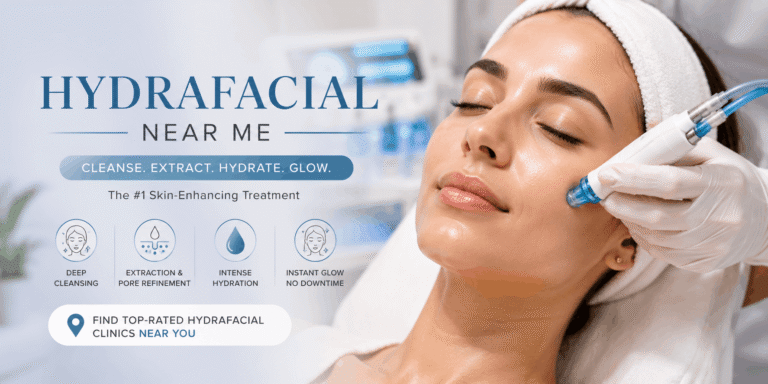
HydraFacial is a branded treatment involving multiple steps designed to cleanse, exfoliate, extract, and hydrate the skin.
Because technology and protocols can vary between providers, ask the clinic exactly what is included in the service before booking.
Microdermabrasion
Microdermabrasion is a cosmetic exfoliation technique that removes the outermost layer of dead skin cells using a specialized device.
It is often marketed for improving the appearance of uneven texture and dullness. The appropriate treatment schedule depends on the individual’s skin and the professional’s assessment.
Chemical Peels
Chemical peels use specific chemical solutions to exfoliate layers of the skin. They vary considerably in strength and ingredients.
A mild cosmetic peel may involve less downtime than a stronger professional peel, but the appropriate option depends on your skin and the goals of the treatment.
Because peels can cause irritation or sensitivity, professional guidance is important.
Facial Treatment and Extractions 🧼
Extractions are sometimes included in facials to remove certain types of clogged material from pores.
They should be performed carefully by an appropriately trained professional.
Trying to forcefully extract blemishes at home can increase irritation and may contribute to skin damage.
If your facial includes extractions, ask the practitioner what areas will be treated and what aftercare they recommend.
Facial Treatment and Sensitive Skin 🌿
Sensitive skin may require a gentler approach. Before the appointment, explain any known sensitivities and tell the professional about products that have previously caused problems.
A practitioner may choose fewer active ingredients, avoid aggressive exfoliation, or recommend a different treatment altogether.
Patch Testing
For certain professional products or treatments, a practitioner may recommend a patch test. Follow their guidance, especially if you have a history of cosmetic reactions.
If you experience significant irritation after a treatment, stop using products that may be contributing to it and seek appropriate professional advice.
Combining Facial Treatments With Other Beauty Services 💆
Some people combine facials with other cosmetic services, but timing matters.
For example, waxing, threading, chemical exfoliation, or other treatments can increase skin sensitivity. Combining several services too closely together may not be suitable for everyone.
Tell your beauty professional about all recent and upcoming treatments so they can advise on appropriate timing.
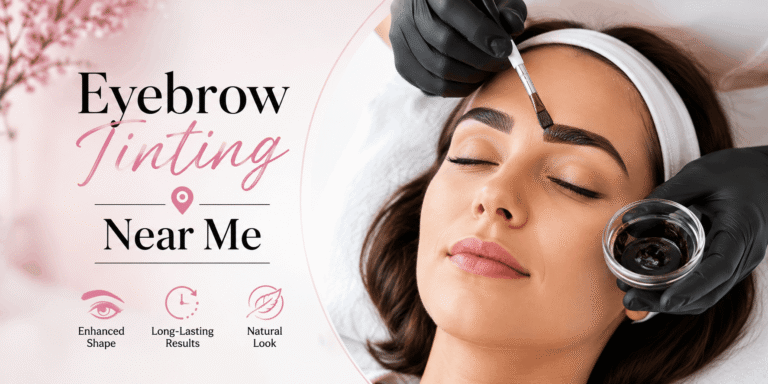
Facial and Eyebrow Services
If you are also planning eyebrow threading or waxing, ask whether it should happen before or after the facial. The best order can depend on the products and techniques involved.
Facial and Makeup
After some facials, the skin may appear temporarily red or sensitive. If you have an important event, schedule the treatment early enough to allow your skin to settle.
How to Find a Good Facial Treatment Provider 📍
Choosing the right professional is just as important as choosing the facial itself.
Start by checking the provider’s qualifications, experience, services, and customer feedback. Look for clear explanations of what the treatment includes rather than vague promises.
A professional should also ask about your skincare routine and relevant sensitivities before beginning.
Hygiene and Cleanliness
A clean treatment environment is essential. Equipment and reusable tools should be handled according to appropriate hygiene procedures.
If a clinic appears poorly maintained, it is reasonable to ask questions or choose another provider.
Clear Pricing
Before booking, confirm exactly what is included in the listed price. Some providers may charge extra for extractions, advanced devices, masks, or other add-ons.
A clear price breakdown can help prevent surprises.
How Much Does a Facial Treatment Cost? 💰
Prices vary widely depending on location, treatment type, provider experience, technology, duration, and products used.
A basic facial is typically less complex than an advanced treatment involving specialized equipment.
When comparing prices, consider the complete service rather than choosing solely based on the lowest cost. Experience, hygiene, treatment quality, and appropriate professional guidance are important factors.
Signs You May Need a Simpler Facial 🧴
More intensive does not always mean better.
A simple hydrating or cleansing facial may be more appropriate if your skin is already sensitive or irritated.
You do not need an advanced treatment simply because it is more expensive or technically complicated.
Listen to Your Skin
If your skin is uncomfortable, irritated, peeling, or unusually reactive, discuss this with the professional before proceeding.
A knowledgeable practitioner should be willing to modify or postpone a treatment when necessary.
What to Do After a Facial Treatment 🌸
Aftercare depends on what was performed.
A gentle routine may be recommended after some treatments. This could include cleansing, moisturizing, and appropriate sun protection.
Avoid adding several new skincare products immediately after a facial because it can make it difficult to determine how your skin is responding.
Give Your Skin Time
If the treatment involves exfoliation or another active process, follow the provider’s recommendations regarding exercise, heat, sun exposure, makeup, and skincare products.
Do not assume that every facial requires the same recovery process.
Final Thoughts 🌿
A facial treatment can be an enjoyable way to support a skincare routine, relax, and temporarily improve the appearance of the complexion. However, the most effective choice is not necessarily the most expensive or intensive treatment. What matters is whether the facial is appropriate for your skin and your goals.
Before booking, understand what the treatment includes and discuss your current skincare routine, sensitivities, and recent cosmetic procedures with the professional. Ask about the products, techniques, possible temporary reactions, aftercare, and total cost.
A basic hydrating or cleansing facial may be ideal for someone who wants a simple refresh, while more specialized treatments such as microdermabrasion, chemical peels, or HydraFacial-style services may be appropriate for different cosmetic goals. These treatments can vary significantly, so professional guidance is important.
Most importantly, treat a facial as part of a broader skincare routine rather than a one-time solution to every skin concern. Gentle daily cleansing, moisturizing, sun protection, and appropriate skincare habits remain important between appointments.
With realistic expectations, a qualified provider, and a treatment suited to your individual skin, a facial can become a pleasant and useful part of your beauty and self-care routine.
6 Comments