
If your blonde hair looks too bright, your highlights seem overly blended, or your natural dimension has disappeared, reverse balayage may be the colour technique worth considering. Instead of adding lighter pieces to the hair, this approach introduces darker tones to create depth, contrast, and a more natural-looking finish. It can help soften an all-over blonde appearance without requiring you to abandon lighter hair completely.
Reverse balayage is particularly appealing if you want a lived-in colour effect that looks dimensional rather than flat. However, the right shade placement, colour selection, and blending technique all make a difference to the final result. Understanding how the process works can help you decide whether it suits your hair, maintenance preferences, and desired look.
What Is Reverse Balayage?
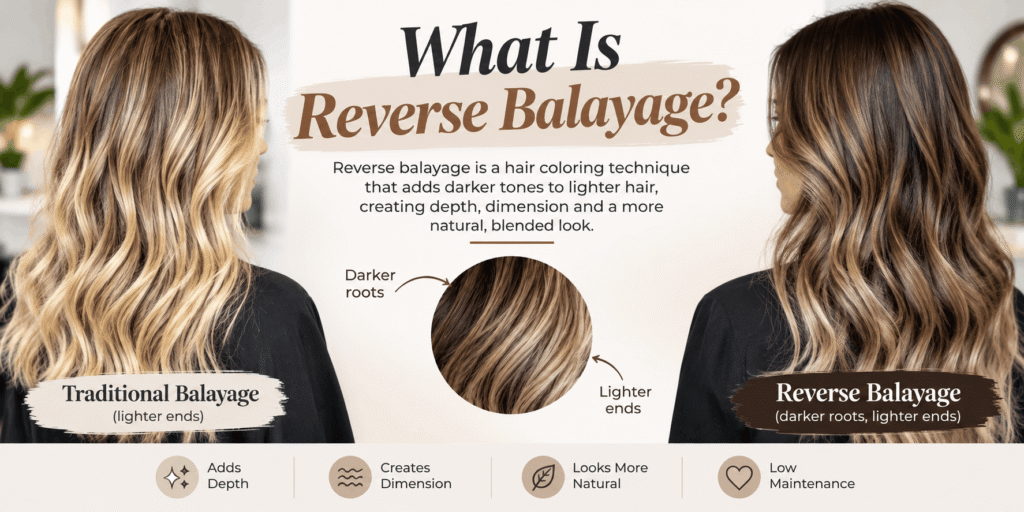
Reverse balayage is a hair-colouring technique that adds darker sections to hair that is already light, highlighted, or blonde. Traditional balayage generally creates lighter pieces that blend gradually through the hair, whereas reverse balayage introduces deeper tones to restore contrast and dimension.
For example, someone with very light blonde highlights may find that their hair looks almost the same colour from the roots to the ends. A colourist can introduce carefully selected lowlights in shades such as beige blonde, caramel brown, or light chestnut. These darker pieces create visual separation between the lighter sections, helping the overall colour look softer and more natural.
The word reverse refers to the direction of the colour effect, not a completely opposite application process. The aim is not necessarily to turn blonde hair into dark brown hair. Instead, the colourist works with the existing lightness and adds darker tones where they will improve balance.
The technique can be customised for different starting colours. Some people want subtle depth that is barely noticeable, while others prefer a more pronounced contrast between blonde and brunette sections. The final result depends on your existing colour, hair condition, chosen shades, and how much dimension you want to achieve.
Reverse Balayage vs. Traditional Balayage
Traditional balayage is commonly used to create a sun-kissed effect by painting lighter colour onto selected sections of hair. The result often includes brighter pieces around the face, through the mid-lengths, or towards the ends. Because the colour can be blended gradually, it may grow out more softly than a uniform root-to-tip colour.
Reverse balayage uses darker tones to achieve a different visual effect. Rather than increasing brightness, it brings back depth that may have been lost through repeated highlighting or extensive lightening.
Imagine two people with blonde hair. The first has a traditional balayage with lighter ribbons that make the hair look brighter. The second has reverse balayage, where darker ribbons are placed among the blonde sections to create contrast. Both techniques can look blended and natural, but they serve different purposes.
The two methods can also be combined. A colourist might preserve selected bright pieces around the face while adding lowlights elsewhere. This approach can maintain the brightness you enjoy while preventing the rest of your hair from appearing too uniform.
What Is the Difference Between Reverse Balayage and Lowlights?
The terms are closely related, but they do not always describe exactly the same thing. Lowlights are darker strands added to hair to create depth. They may be applied using foils, a freehand technique, or another colour-placement method.
Reverse balayage describes an overall colour approach that introduces darker tones into lighter hair. Lowlights are often the main technique used to achieve it, but the placement and blending may be tailored to create a balayage-inspired finish.
In other words, lowlights describe the darker pieces themselves, while reverse balayage describes the broader colouring effect. Your stylist may use both terms when discussing a plan for your hair.
How Do Colorists Achieve a Reverse Balayage?
A successful result begins with assessing the existing colour rather than immediately applying a darker shade. The colourist considers where your hair is lightest, how much of your natural colour remains, and whether previous colour treatments have created uneven sections.
The process is individual to each person. Someone with pale blonde highlights may need a different colour combination from someone whose hair is naturally light brown with a few golden pieces. The goal is to create a balanced result without making the darker sections look like obvious stripes.
Assessing Your Current Hair Colour
Before choosing the formula, the colourist examines the roots, mid-lengths, and ends. Hair may have different levels of lightness in these areas, particularly if it has been highlighted several times. The ends may also be more porous than the roots, meaning they can absorb colour differently.
Your stylist may ask about previous colour services, at-home dye, toners, and chemical treatments. This information helps them plan a more predictable result. If the hair has been heavily lightened, they may recommend a strand test to see how it responds before colouring the entire head.
It is also important to discuss your expectations. If you want to remain noticeably blonde, a few strategically placed lowlights may be enough. If you prefer a deeper, more brunette-inspired appearance, a greater number of darker pieces may be appropriate.
Choosing the Right Darker Shades
Shade selection is one of the most important parts of reverse balayage. The darker colour should complement your existing blonde or highlighted sections rather than create an unwanted contrast.
For a soft, natural finish, colourists often consider beige, neutral brown, sandy brunette, caramel, or other tones that work with the hair’s underlying colour. Cooler shades may suit certain ash-blonde looks, while warmer shades can complement golden blonde and honey-coloured hair.
The darkest option is not automatically the most effective. A very deep brown placed among pale blonde sections can produce a strong contrast that may look more dramatic than intended. A softer shade can create dimension without taking away too much brightness.
Your natural base colour is another useful guide. If your roots are naturally dark blonde or light brown, incorporating a similar shade into the highlighted lengths may help the overall colour feel more connected. The colourist should also consider your skin’s undertones and personal preferences, but the starting hair colour and desired result remain central to the decision.
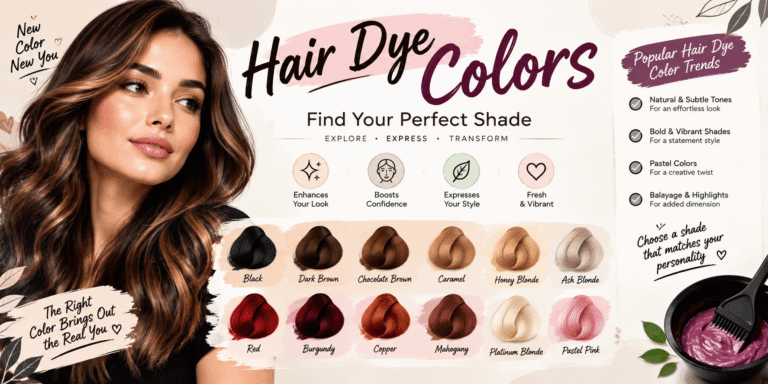
Find Your Perfect Shade
When discussing shades with a colourist, bring photographs that show the type of contrast you want rather than relying on a colour name alone. Words such as caramel, beige, and ash brown can describe different results depending on the brand, lighting, and existing hair colour.
Ask whether the proposed darker pieces will be noticeable or subtle, how they will blend with your blonde sections, and whether the colour is expected to fade warmer or cooler. A strand test can be especially helpful when your hair has a complicated colour history.
If you want to preserve a bright blonde appearance, explain which sections you would like to keep light. If you prefer a more natural, low-contrast result, discuss whether the colourist can incorporate tones close to your natural base. A clear conversation before the appointment can prevent a mismatch between the expected and actual result.
Applying and Blending the Colour
Once the colour plan has been agreed upon, the stylist separates the hair into sections and applies darker colour selectively. Placement is important: adding depth in the wrong areas can make the result look patchy, while well-positioned sections can create a more balanced appearance.
Some colourists use foils to keep selected sections separate. Others use freehand application or a combination of methods, depending on the hair and the desired finish. The colour may be concentrated in areas where the hair looks overly light, with selected blonde pieces left untouched to preserve brightness.
The stylist then follows the product’s recommended development time and checks the colour as needed. Depending on the starting shade and formula, a toner or gloss may be used to refine the final tone. Not every appointment requires the same combination of products.
After the colour is processed, the hair is rinsed and styled so that the blend can be assessed. The finished appearance should be considered in different areas of the hair, not only around the face. A well-planned result creates depth while allowing the remaining light sections to contribute to the overall look.
Why Reverse Balayage Is So Popular
One reason reverse balayage appeals to many people is that it offers a way to change the appearance of blonde hair without automatically returning to a solid, all-over brunette colour. It can preserve the highlights that make the hair feel bright while introducing enough depth to make the colour look more balanced.
The technique is also flexible. It can be subtle enough for someone who wants a natural transition or more noticeable for someone who prefers stronger contrast. Because the colour placement is customised, the result can be adapted to different hair lengths, textures, and starting shades.
It Restores Dimension to Overly Light Hair
Repeated highlighting can sometimes leave the hair looking almost one-dimensional. When too many sections become similarly light, the contrast between the base colour and the highlights becomes less visible.
Adding darker pieces can restore that contrast. The light and dark sections work together to create a sense of depth, which may make the overall colour appear richer and more defined. This can be particularly useful when blonde hair looks washed out or lacks separation between individual strands.
The result does not have to be dramatic. A small amount of carefully placed depth may be enough to make the blonde sections stand out again.
It Can Create a Softer Grow-Out
When the colour is placed strategically, reverse balayage may help the hair transition more naturally as it grows. Darker tones that complement your natural roots can reduce the visual difference between the roots and the lighter lengths.
However, maintenance depends on the exact technique and how quickly your natural hair grows. If the darker colour is applied as a distinct band or if your natural roots contrast strongly with the rest of the hair, regrowth may still be noticeable. A blended result is more likely when the colour plan accounts for your natural base from the beginning.
It Offers a Way to Move Towards a Deeper Colour
Some people eventually want a break from very light blonde hair but are not ready to switch to a uniform dark shade. Reverse balayage can provide an intermediate option by gradually introducing darker tones while leaving some brightness in place.
This can be useful when you want to explore a more brunette-inspired look without making every section dark at once. The colourist can adjust the amount and depth of the lowlights according to your preferences and the condition of your hair.
It is important to remember that adding darker colour does not automatically reverse all the effects of bleaching. Previously lightened hair remains chemically altered, even after it has been coloured darker. Gentle care and realistic expectations are still essential.
Reverse Balayage Ideas for Different Hair Colours
Reverse balayage can look different depending on your starting shade, the amount of contrast you prefer, and how much of your original blonde you want to keep. The most flattering result usually comes from choosing darker tones that work with your existing colour rather than selecting a shade simply because it is popular.
Reverse Balayage on Blonde Hair
Blonde hair is one of the most common starting points for reverse balayage because darker pieces can restore contrast between sections that have become uniformly light. The colourist may add beige blonde, sandy brown, or a soft brunette shade while preserving some of the brightest strands.
If your blonde is very pale, a gradual change can look more balanced than introducing an extremely dark colour immediately. A few deeper pieces through the mid-lengths and underneath the hair may create enough dimension without dramatically changing the overall blonde appearance.
For a brighter finish, you can keep selected sections around the face and ends lighter. This creates a combination of depth and brightness rather than making the hair look consistently darker from root to tip.
Reverse Balayage on Ash Blonde Hair
Ash blonde generally has a cooler appearance, so neutral or cool-toned lowlights may help maintain a cohesive colour. Depending on the existing shade, options might include mushroom brown, cool beige, or a soft ash brown.
The important consideration is avoiding a colour that looks disconnected from the rest of the hair. A very warm brown placed among cool blonde sections may create a noticeable contrast that you might not want. However, a deliberate warm-and-cool combination can also be attractive when it is planned carefully.
Ask your colourist to assess the existing tone before choosing the formula. Ash blonde can become dull-looking if the overall colour lacks variation, and adding depth can help the lighter pieces appear more distinct.
Reverse Balayage on Golden or Honey Blonde Hair
Golden and honey blonde shades can pair well with caramel, warm beige, and light chestnut tones. These colours introduce depth while preserving the warmth that gives the hair its sunny appearance.
If your hair already has golden highlights, the darker sections do not necessarily need to be very deep. A shade close to your natural base may be enough to create a more dimensional result.
For a soft finish, the colourist can leave selected golden pieces untouched. The contrast between these brighter strands and the deeper sections can help the hair look richer without losing its warm character.
Reverse Balayage on Light Brown Hair With Highlights
Reverse balayage is not limited to people with fully blonde hair. If your natural base is light brown and you have scattered blonde highlights, adding darker or more natural-looking pieces can make the overall colour feel less uniform.
The colourist may use tones close to your natural brown, depending on the existing highlights and the amount of contrast you want. Some blonde sections can remain visible, creating a mixed colour effect that looks more natural than an all-over colour change.
This approach may also be worth considering if you want to move away from frequent highlighting. Your stylist can discuss a gradual plan that works with your roots and the condition of your hair.
How to Maintain Reverse Balayage
The right aftercare routine can help preserve the appearance of your colour and keep your hair feeling manageable. Reverse balayage may involve darker colour on previously lightened strands, so it is useful to consider both colour maintenance and the condition of the hair itself.
Use Hair Products Suitable for Coloured Hair
Choose a shampoo and conditioner designed for colour-treated hair if they suit your scalp and hair type. These products may help support colour retention and reduce dryness, although results vary by formula and individual hair condition.
Avoid assuming that every colour-safe product will produce the same effect. If your hair is fine, you may prefer a lightweight conditioner, while dry or coarse hair may benefit from a richer formula. Your stylist can recommend a routine based on the products used during your appointment.
Wash your hair according to your needs rather than following a strict schedule that does not suit your scalp. Frequent washing can contribute to colour fading for some people, but leaving the scalp uncomfortable or excessively oily is not a useful trade-off.
Limit Excessive Heat Styling
Repeated use of hot styling tools can make coloured hair feel drier and more fragile, particularly when the hair has previously been bleached. Whenever possible, let your hair air-dry partially or use a lower heat setting.
If you use a hair dryer, straightener, or curling iron, apply a suitable heat protectant and follow its instructions. Avoid repeatedly passing a hot tool over the same section in an attempt to achieve a smoother finish.
Reducing unnecessary heat can help your hair remain easier to style between colour appointments. It will not reverse existing chemical damage, but gentler styling habits can help prevent additional stress.
Protect Your Hair From Sun and Pool Exposure
Sun exposure, swimming, and frequent contact with chlorinated water may affect the appearance and condition of coloured hair. The extent of the change depends on the hair, the environment, and the products involved.
When spending time outdoors, consider a hat or hair product specifically designed to provide UV protection. Before swimming, wetting your hair with clean water and following the pool’s recommended hair-care precautions may help reduce some exposure to pool water.
After swimming, rinse your hair thoroughly and use a suitable conditioner if needed. If you notice a sudden change in tone or texture, consult your colourist before attempting to correct it with another chemical treatment.
Schedule Colour Appointments According to Your Results
Reverse balayage does not follow one universal maintenance schedule. Some people may be happy with the result as it gradually fades, while others prefer regular appointments to keep the darker sections defined.
Your timing will depend on your natural regrowth, the shades used, how quickly your colour fades, and whether you want to preserve a particular pattern. A blended result may not require frequent root touch-ups, but that does not mean it will remain identical indefinitely.
Ask your stylist when to reassess the colour rather than booking repeated treatments automatically. Sometimes a gloss or toner may be enough to refresh the appearance; in other cases, additional lowlights may be appropriate.
Common Reverse Balayage Mistakes to Avoid
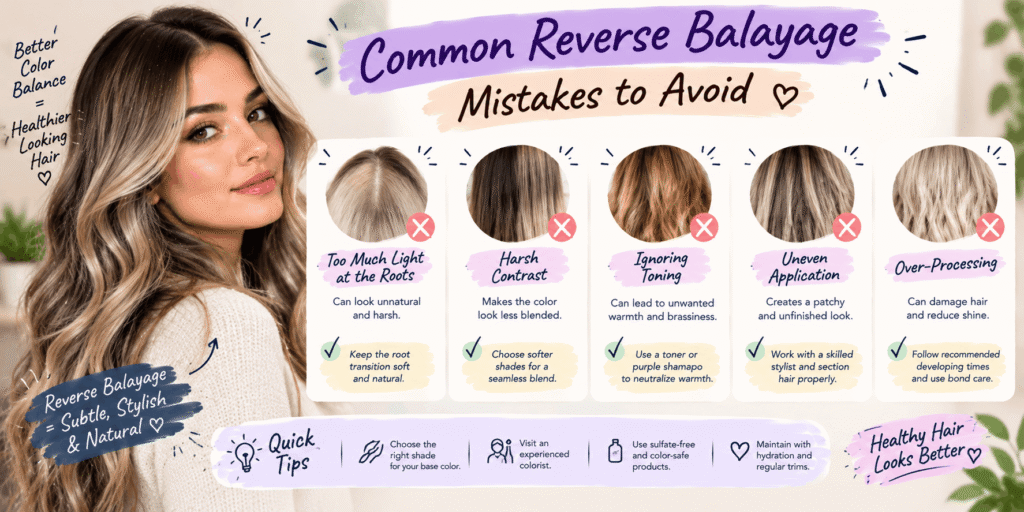
Reverse balayage can create beautiful depth, but choosing the wrong shades or applying colour without considering the existing highlights can produce an uneven result. Understanding the common problems can help you communicate more clearly with your stylist.
Choosing a Shade That Is Too Dark
One of the most noticeable mistakes is selecting a darker colour that creates more contrast than intended. If your goal is a soft, natural finish, very deep brown pieces among pale blonde hair may look too strong.
This does not mean dark lowlights are always unsuitable. They can work well when a dramatic result is the goal. The important point is to agree on the desired level of contrast before the colour is applied.
Photographs can help, but discuss how the example compares with your current hair colour. A look created on naturally dark blonde hair may produce a very different result on heavily bleached platinum hair.
Applying Colour Without Considering Hair Porosity
Previously lightened hair can have different levels of porosity across the head. Some sections may absorb colour quickly, while others respond differently. This can make the final shade uneven if the colourist does not account for the hair’s condition.
A professional assessment and, when appropriate, a strand test can help identify how the hair may respond. The colour formula and processing method should be selected according to the product instructions and the condition of the hair.
Avoid trying to correct an uneven result by immediately applying another permanent colour at home. Additional processing may create more variation or stress already fragile strands.
Making Every Section the Same Colour
If the goal is dimensional hair, colouring every section to one uniform dark shade may remove the contrast that makes reverse balayage distinctive. The result could resemble an all-over colour rather than a blended combination of light and dark pieces.
A colourist can preserve selected highlights and place darker sections where they will contribute to the desired shape. The number of lowlights and their placement should reflect the overall plan, not a fixed formula that is identical for every person.
Expecting Reverse Balayage to Repair Damaged Hair
Adding darker colour may change how the hair looks, but it does not restore the original structure of bleached strands. Hair that feels rough, breaks easily, or tangles frequently may need a more cautious approach before another colour service.
Discuss the condition of your hair honestly with your stylist. They may suggest postponing the appointment, reducing the amount of processing, or choosing a different approach. Gentle handling, suitable conditioning products, and careful heat use can help manage the hair, but severe damage cannot simply be erased by colouring it darker.
Attempting a Major Colour Change Without Professional Guidance
At-home colouring can be tempting, especially when you want a quick change. However, adding darker tones to heavily highlighted hair can be more complicated than applying one colour all over.
The result depends on the starting shade, previous chemical services, product formulation, and how the hair absorbs colour. A poorly planned application can leave visible bands, muddy tones, or an uneven finish.
If you have very light blonde hair, a history of multiple colour treatments, or significant damage, professional guidance is generally the more cautious option. If you choose an at-home product, follow its instructions, complete the required allergy alert test, and perform a strand test where recommended. Never use a product on your hair if its label does not support that use.
Final Thoughts
Reverse balayage is a useful option for anyone who wants to bring depth back into overly bright blonde or highlighted hair without necessarily choosing a solid, all-over darker colour. By introducing carefully selected lowlights, the technique can create contrast, soften the appearance of very light sections, and produce a more dimensional finish.
The best results depend on selecting shades that complement your existing colour, preserving the lighter pieces you want to keep, and considering the condition of your hair before any chemical service. Maintenance will also depend on your preferred look, the products used, and how your colour changes over time.
If you are considering reverse balayage, begin with a clear idea of how much depth you want and discuss it with a qualified colourist. With thoughtful colour placement and suitable aftercare, reverse balayage can offer a balanced transition between bright blonde and a richer, more natural-looking colour.
Yes, reverse balayage introduces darker tones into lighter hair, so the overall appearance may become deeper. However, the result does not have to look fully brunette. The colourist can leave some highlights untouched to preserve brightness and create contrast.
It can be suitable for dark hair that already has lighter highlights or coloured sections. The technique is most useful when there is sufficient lightness to create a visible contrast with the darker pieces. If your hair is completely dark and has no lighter sections, another colouring approach may be more appropriate.
Reverse balayage can reduce the overall brightness of heavily highlighted hair by introducing darker strands between the light pieces. It does not necessarily cover every highlight. In many cases, keeping some lighter sections is part of the intended result.
If your goal is to hide all previous highlights, explain that to your stylist because an all-over colour service may be more suitable than reverse balayage.

One Comment