
Healthy skin is not simply about having a smooth complexion or using the latest skincare products. The condition of your skin barrier also plays an important role in how your skin feels, holds moisture, and responds to everyday environmental stress. When this protective layer becomes weakened, your face may feel tight after cleansing, look unusually dry, or react to products that previously caused no problems.
Skin barrier repair focuses on supporting the skin’s natural protective functions rather than trying to fix every concern with another active ingredient. A thoughtful routine, gentle cleansing, suitable moisturising products, and patience can help improve skin comfort over time. Understanding what your barrier does and what may be disrupting it is the first step toward building a routine that supports healthier-looking skin.
What Is the Skin Barrier and Why Does It Matter?
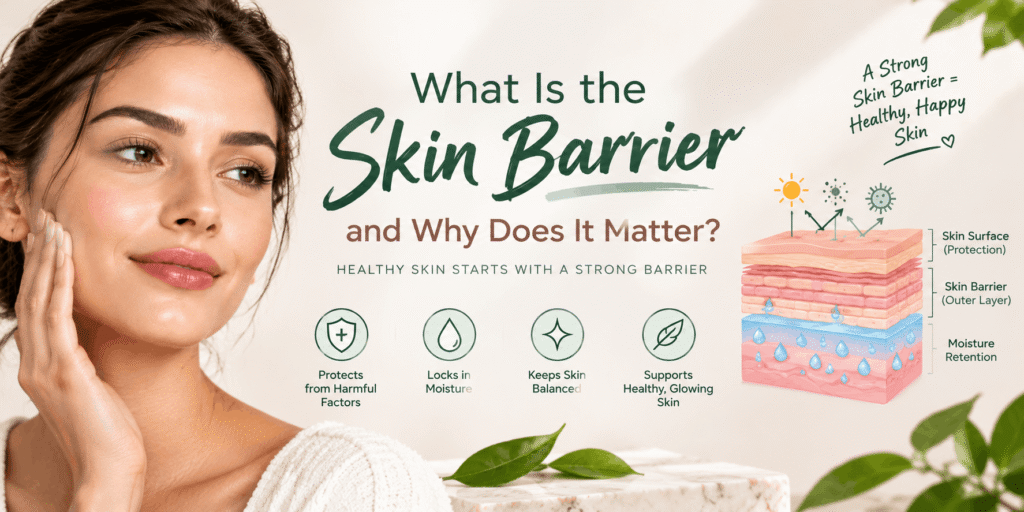
The skin barrier refers mainly to the outermost layer of the epidermis, known as the stratum corneum. It contains flattened skin cells surrounded by lipids, including ceramides, cholesterol, and fatty acids. These components work together to reduce excessive water loss and help protect the body from external irritants.
You can think of this layer as a carefully organised protective surface. The skin cells provide structure, while the surrounding lipids help fill the spaces between them. When this arrangement functions properly, the skin can retain moisture more effectively and maintain a comfortable surface. The barrier does not block everything from entering, but it helps regulate what passes through and limits exposure to potential irritants.
A weakened barrier may allow water to escape more readily, a process associated with increased transepidermal water loss. The skin can consequently feel rough, dry, tight, or sensitive. Some people also notice redness, flaking, or a stinging sensation when applying skincare products. These signs can have different causes, however, so they should not automatically be attributed to barrier damage alone.
How to Recognise a Potentially Weakened Skin Barrier
One common sign is persistent tightness, particularly after washing your face. Your skin may feel uncomfortable even when it does not look visibly dry. Makeup can also settle unevenly around rough patches, making the surface appear less smooth than usual.
Another possible sign is increased sensitivity. A moisturiser or serum that once felt comfortable might begin to sting, especially if your skin has recently been exposed to strong exfoliants, frequent cleansing, or several new products. You may also notice that redness lasts longer after washing or that flaky areas appear around the nose, cheeks, or mouth.
Changes in texture can provide additional clues. The skin might feel rough in some areas while remaining oily in others. This does not necessarily mean that your skin type has permanently changed. A person with naturally oily skin can still experience surface dehydration or irritation.
It is important to distinguish these signs from other skin concerns. Eczema, rosacea, contact dermatitis, and certain infections can produce overlapping symptoms. If you experience persistent burning, significant inflammation, cracking, swelling, or symptoms that continue despite simplifying your routine, consult a qualified healthcare professional for an appropriate assessment.
What Can Damage or Disrupt the Skin Barrier?
The skin barrier is naturally exposed to changes in weather, cleansing products, friction, and environmental conditions. Occasional exposure does not necessarily cause a problem, but repeated irritation can make it harder for the outer layer to maintain a comfortable balance.
Over-cleansing is one possible contributor. Washing too frequently, using very hot water, or choosing a cleanser that leaves the face feeling stripped may remove too much surface oil and increase discomfort. The goal of cleansing is to remove dirt, sunscreen, and excess oil without leaving the skin unpleasantly tight.
Excessive exfoliation is another common issue. Products containing ingredients such as glycolic acid, lactic acid, or salicylic acid can be useful for particular skincare goals, but using them too frequently or combining several exfoliating products may irritate the skin. Retinoids can also cause dryness and peeling, particularly when someone starts using them or increases application too quickly.
Environmental conditions matter as well. Cold weather, low humidity, wind, and indoor heating can contribute to dryness. In hot conditions, sweat, friction, and frequent washing may create different challenges. A routine that feels comfortable in one season may need adjustments in another.
Skincare Habits That May Make Irritation Worse
Sometimes, the problem is not one individual product but the way several products are used together. Applying a strong exfoliant, a retinoid, and other potentially irritating treatments in the same routine can increase the likelihood of discomfort, especially when the skin is not accustomed to them.
Switching products repeatedly can also make it difficult to identify the source of a reaction. If you introduce several new items within a few days, you may not know which product is contributing to redness or stinging. Keeping your routine simple while the skin settles can make it easier to evaluate what works.
Scrubbing the face with rough cloths, cleansing brushes, or abrasive scrubs may add unnecessary friction. Picking at flakes can further irritate the surface, even when the intention is to make the skin look smoother. Allow loose skin to shed naturally rather than trying to remove it manually.
Fragrance and other ingredients may also bother certain individuals. This does not mean every fragranced product is harmful or every product labelled for sensitive skin is suitable for everyone. Individual tolerance varies, so pay attention to how your own skin responds instead of relying exclusively on marketing claims.
Building a Gentle Routine for Skin Barrier Repair
When your skin feels irritated or unusually dry, adding more products is not always the best solution. A simpler routine can reduce unnecessary exposure to potential irritants while allowing you to identify which products your skin tolerates comfortably.
The basic approach is to cleanse gently, moisturise consistently, and protect your skin from excessive sun exposure. You may not need a separate serum, essence, toner, facial oil, and treatment cream to accomplish these goals. A small number of suitable products can provide a practical foundation.
Step 1: Use a Gentle Cleanser
Choose a cleanser that removes everyday buildup without leaving your face feeling stripped. A mild, fragrance-free formula may be a reasonable starting point if your skin is currently sensitive. Avoid water that is uncomfortably hot, and use your fingertips rather than scrubbing the skin aggressively.
In the morning, some people with dry or sensitive skin may find that rinsing with lukewarm water is sufficient. Others may prefer a gentle cleanser, especially if they use heavier skincare products overnight. In the evening, cleansing is generally useful for removing sunscreen, makeup, sweat, and accumulated debris.
The right frequency depends on your skin and daily activities. If your face consistently feels tight after cleansing, reassess the product, the water temperature, and how often you wash. A cleanser does not need to create a squeaky-clean sensation to be effective.
Step 2: Choose a Moisturiser That Supports the Barrier
Moisturising is an important part of skin barrier repair because it helps reduce water loss and improves skin comfort. Different moisturisers work in different ways. Humectants, such as glycerin, help attract water; emollients soften the surface; and occlusive ingredients help reduce moisture escaping from the skin.
A product containing ceramides may be useful because ceramides are naturally present in the skin’s protective lipid structure. Other ingredients, including glycerin, petrolatum, and certain emollients, can also help support hydration and comfort. You do not need every ingredient in one product to create a useful routine.
The texture should suit your skin and the conditions you live in. A cream may feel more comfortable on dry skin, while a lighter lotion may be easier to use on an oilier complexion. Neither texture is universally superior. The best option is one that you can apply comfortably and consistently without causing additional irritation.
Apply moisturiser according to the product directions. Many people find it convenient to use after cleansing while the skin is still slightly damp, provided the formula feels comfortable. If a product repeatedly causes burning, itching, or increased redness, stop using it and consider whether an ingredient or another skin condition may be responsible.
Step 3: Protect Your Skin During the Day
Sun protection is an important part of maintaining healthy skin. Ultraviolet exposure can contribute to inflammation, premature skin ageing, and other forms of skin damage. When the barrier is already uncomfortable, sun exposure may add another source of stress.
Choose a broad-spectrum sunscreen with an SPF of 30 or higher, and select a formula that feels comfortable on your skin. Apply it according to the label and reapply as directed, particularly after sweating, swimming, or wiping your face. Shade, hats, and other protective clothing can provide additional support.
If sunscreen stings, avoid assuming that you must simply tolerate the sensation. You may need to try a different formulation, but persistent reactions deserve attention, especially when accompanied by swelling or a rash. A healthcare professional can help you distinguish sensitivity to a product from an underlying skin condition.
Daily protection does not require a complicated routine. A gentle cleanser, suitable moisturiser, and sunscreen can form the core of a practical approach while you reassess products that may be contributing to irritation.
Healthy skin is not simply about having a smooth complexion or using the latest skincare products. The condition of your skin barrier also plays an important role in how your skin feels, holds moisture, and responds to everyday environmental stress. When this protective layer becomes weakened, your face may feel tight after cleansing, look unusually dry, or react to products that previously caused no problems.
Skin barrier repair focuses on supporting the skin’s natural protective functions rather than trying to fix every concern with another active ingredient. A thoughtful routine, gentle cleansing, suitable moisturising products, and patience can help improve skin comfort over time. Understanding what your barrier does and what may be disrupting it is the first step toward building a routine that supports healthier-looking skin.
What Is the Skin Barrier and Why Does It Matter?
The skin barrier refers mainly to the outermost layer of the epidermis, known as the stratum corneum. It contains flattened skin cells surrounded by lipids, including ceramides, cholesterol, and fatty acids. These components work together to reduce excessive water loss and help protect the body from external irritants.
You can think of this layer as a carefully organised protective surface. The skin cells provide structure, while the surrounding lipids help fill the spaces between them. When this arrangement functions properly, the skin can retain moisture more effectively and maintain a comfortable surface. The barrier does not block everything from entering, but it helps regulate what passes through and limits exposure to potential irritants.
A weakened barrier may allow water to escape more readily, a process associated with increased transepidermal water loss. The skin can consequently feel rough, dry, tight, or sensitive. Some people also notice redness, flaking, or a stinging sensation when applying skincare products. These signs can have different causes, however, so they should not automatically be attributed to barrier damage alone.
How to Recognise a Potentially Weakened Skin Barrier
One common sign is persistent tightness, particularly after washing your face. Your skin may feel uncomfortable even when it does not look visibly dry. Makeup can also settle unevenly around rough patches, making the surface appear less smooth than usual.
Another possible sign is increased sensitivity. A moisturiser or serum that once felt comfortable might begin to sting, especially if your skin has recently been exposed to strong exfoliants, frequent cleansing, or several new products. You may also notice that redness lasts longer after washing or that flaky areas appear around the nose, cheeks, or mouth.
Changes in texture can provide additional clues. The skin might feel rough in some areas while remaining oily in others. This does not necessarily mean that your skin type has permanently changed. A person with naturally oily skin can still experience surface dehydration or irritation.
It is important to distinguish these signs from other skin concerns. Eczema, rosacea, contact dermatitis, and certain infections can produce overlapping symptoms. If you experience persistent burning, significant inflammation, cracking, swelling, or symptoms that continue despite simplifying your routine, consult a qualified healthcare professional for an appropriate assessment.
What Can Damage or Disrupt the Skin Barrier?
The skin barrier is naturally exposed to changes in weather, cleansing products, friction, and environmental conditions. Occasional exposure does not necessarily cause a problem, but repeated irritation can make it harder for the outer layer to maintain a comfortable balance.
Over-cleansing is one possible contributor. Washing too frequently, using very hot water, or choosing a cleanser that leaves the face feeling stripped may remove too much surface oil and increase discomfort. The goal of cleansing is to remove dirt, sunscreen, and excess oil without leaving the skin unpleasantly tight.
Excessive exfoliation is another common issue. Products containing ingredients such as glycolic acid, lactic acid, or salicylic acid can be useful for particular skincare goals, but using them too frequently or combining several exfoliating products may irritate the skin. Retinoids can also cause dryness and peeling, particularly when someone starts using them or increases application too quickly.
Environmental conditions matter as well. Cold weather, low humidity, wind, and indoor heating can contribute to dryness. In hot conditions, sweat, friction, and frequent washing may create different challenges. A routine that feels comfortable in one season may need adjustments in another.
Skincare Habits That May Make Irritation Worse
Sometimes, the problem is not one individual product but the way several products are used together. Applying a strong exfoliant, a retinoid, and other potentially irritating treatments in the same routine can increase the likelihood of discomfort, especially when the skin is not accustomed to them.
Switching products repeatedly can also make it difficult to identify the source of a reaction. If you introduce several new items within a few days, you may not know which product is contributing to redness or stinging. Keeping your routine simple while the skin settles can make it easier to evaluate what works.
Scrubbing the face with rough cloths, cleansing brushes, or abrasive scrubs may add unnecessary friction. Picking at flakes can further irritate the surface, even when the intention is to make the skin look smoother. Allow loose skin to shed naturally rather than trying to remove it manually.
Fragrance and other ingredients may also bother certain individuals. This does not mean every fragranced product is harmful or every product labelled for sensitive skin is suitable for everyone. Individual tolerance varies, so pay attention to how your own skin responds instead of relying exclusively on marketing claims.
Building a Gentle Routine for Skin Barrier Repair
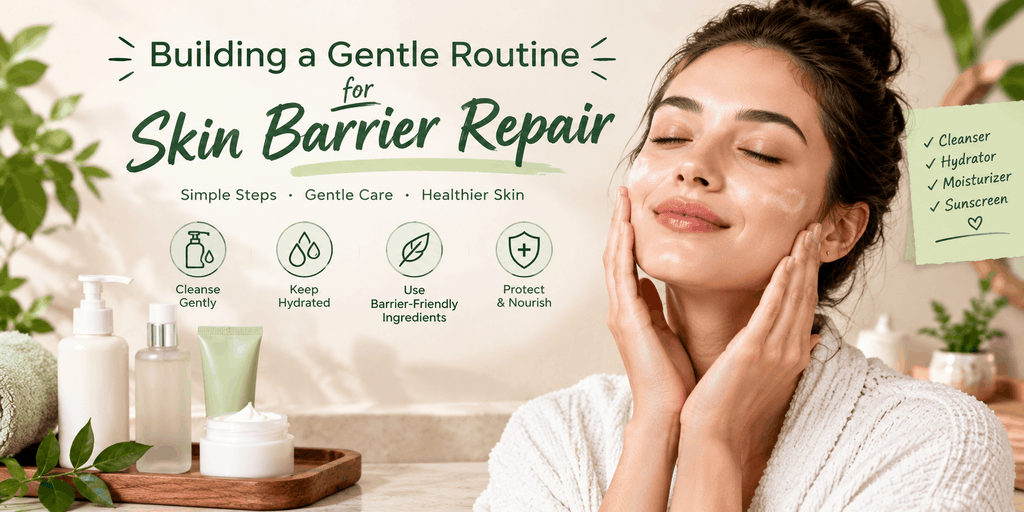
When your skin feels irritated or unusually dry, adding more products is not always the best solution. A simpler routine can reduce unnecessary exposure to potential irritants while allowing you to identify which products your skin tolerates comfortably.
The basic approach is to cleanse gently, moisturise consistently, and protect your skin from excessive sun exposure. You may not need a separate serum, essence, toner, facial oil, and treatment cream to accomplish these goals. A small number of suitable products can provide a practical foundation.
Step 1: Use a Gentle Cleanser
Choose a cleanser that removes everyday buildup without leaving your face feeling stripped. A mild, fragrance-free formula may be a reasonable starting point if your skin is currently sensitive. Avoid water that is uncomfortably hot, and use your fingertips rather than scrubbing the skin aggressively.
In the morning, some people with dry or sensitive skin may find that rinsing with lukewarm water is sufficient. Others may prefer a gentle cleanser, especially if they use heavier skincare products overnight. In the evening, cleansing is generally useful for removing sunscreen, makeup, sweat, and accumulated debris.
The right frequency depends on your skin and daily activities. If your face consistently feels tight after cleansing, reassess the product, the water temperature, and how often you wash. A cleanser does not need to create a squeaky-clean sensation to be effective.
Step 2: Choose a Moisturiser That Supports the Barrier
Moisturising is an important part of skin barrier repair because it helps reduce water loss and improves skin comfort. Different moisturisers work in different ways. Humectants, such as glycerin, help attract water; emollients soften the surface; and occlusive ingredients help reduce moisture escaping from the skin.
A product containing ceramides may be useful because ceramides are naturally present in the skin’s protective lipid structure. Other ingredients, including glycerin, petrolatum, and certain emollients, can also help support hydration and comfort. You do not need every ingredient in one product to create a useful routine.
The texture should suit your skin and the conditions you live in. A cream may feel more comfortable on dry skin, while a lighter lotion may be easier to use on an oilier complexion. Neither texture is universally superior. The best option is one that you can apply comfortably and consistently without causing additional irritation.
Apply moisturiser according to the product directions. Many people find it convenient to use after cleansing while the skin is still slightly damp, provided the formula feels comfortable. If a product repeatedly causes burning, itching, or increased redness, stop using it and consider whether an ingredient or another skin condition may be responsible.
Step 3: Protect Your Skin During the Day
Sun protection is an important part of maintaining healthy skin. Ultraviolet exposure can contribute to inflammation, premature skin ageing, and other forms of skin damage. When the barrier is already uncomfortable, sun exposure may add another source of stress.
Choose a broad-spectrum sunscreen with an SPF of 30 or higher, and select a formula that feels comfortable on your skin. Apply it according to the label and reapply as directed, particularly after sweating, swimming, or wiping your face. Shade, hats, and other protective clothing can provide additional support.
If sunscreen stings, avoid assuming that you must simply tolerate the sensation. You may need to try a different formulation, but persistent reactions deserve attention, especially when accompanied by swelling or a rash. A healthcare professional can help you distinguish sensitivity to a product from an underlying skin condition.
Daily protection does not require a complicated routine. A gentle cleanser, suitable moisturiser, and sunscreen can form the core of a practical approach while you reassess products that may be contributing to irritation.
Ingredients That Help Support Skin Barrier Repair
The right skincare ingredients can make a damaged or irritated skin barrier easier to manage. Instead of using several products at once, focus on ingredients that help maintain moisture, reduce dryness, and support the skin’s natural protective layer. A simple formula with a few useful ingredients may be more suitable than a complicated routine filled with strong treatments.
Ceramides, Glycerin, and Hyaluronic Acid
Ceramides are naturally present in the outer layer of the skin, where they help hold skin cells together and limit moisture loss. When your skin feels rough, tight, or unusually dry, a moisturiser containing ceramides may help support the barrier. These products are particularly useful when cleansing or environmental conditions leave the skin feeling uncomfortable.
Glycerin is another valuable ingredient because it attracts water and helps the skin retain moisture. It is commonly found in lightweight lotions as well as richer creams, making it suitable for many skin types. Hyaluronic acid also helps attract and hold water, which can temporarily improve the appearance of dehydrated skin. Both ingredients work well when followed by a moisturiser that helps prevent moisture from escaping.
Panthenol, Petrolatum, and Other Moisturising Ingredients
Panthenol, also known as provitamin B5, is often included in products designed for dry or sensitive skin. It helps support hydration and can improve the feeling of comfort when the skin is irritated. It may be a useful option if your usual skincare products suddenly begin to feel uncomfortable.
Petrolatum creates a protective layer over the skin that slows water loss. It can be helpful for very dry areas, flaky patches, and places that need extra protection. However, a thick ointment may feel too heavy for some people, especially when applied over the entire face. You can try a small amount on particularly dry areas instead.
Other useful ingredients include squalane and colloidal oatmeal. Squalane helps soften the skin, while colloidal oatmeal is commonly used in products for dry, itchy, or sensitive skin. Remember that no ingredient works perfectly for everyone. Introduce new products gradually and stop using anything that causes persistent burning, swelling, or worsening irritation.
Skin Barrier Repair Routine for Different Skin Types
A skin barrier repair routine should reflect your skin’s current condition rather than relying only on whether your skin is naturally oily or dry. Even oily skin can become dehydrated, and naturally dry skin may react differently to certain creams. The aim is to keep the routine gentle and consistent while avoiding unnecessary products.
Dry and Dehydrated Skin
Dry skin often needs a moisturiser with a richer texture to reduce tightness and improve softness. Look for a formula containing ingredients such as ceramides, glycerin, or petrolatum. Apply moisturiser after washing your face while the skin is still slightly damp, provided this does not cause discomfort.
Avoid washing your face with very hot water because excessive heat can worsen dryness. You may also need to reduce the use of exfoliating acids, retinoids, or other strong treatments until your skin feels comfortable again. If your skin remains rough despite regular moisturising, consider whether your cleanser is too drying or whether environmental conditions are contributing to the problem.
Oily and Acne-Prone Skin
Oily skin still requires moisture. When the skin feels tight or starts peeling, using harsh cleansers to remove every trace of oil can make the situation worse. Choose a gentle cleanser and a lightweight, non-comedogenic moisturiser that feels comfortable on your skin.
If you have acne, resist the temptation to add several spot treatments or exfoliating products at the same time. Ingredients such as salicylic acid and benzoyl peroxide can be useful for acne, but they may also cause dryness or irritation. If your barrier seems compromised, temporarily reducing their frequency may help. Follow product instructions and seek advice from a dermatologist if acne is persistent or severe.
Sensitive and Combination Skin
Sensitive skin may react to fragrance, essential oils, strong exfoliants, or frequent product changes. A shorter routine can make it easier to identify potential triggers. Start with a gentle cleanser, a suitable moisturiser, and broad-spectrum sunscreen during the day.
Combination skin may need different textures in different areas. For example, you might prefer a lightweight lotion across the forehead and nose but a richer cream on dry cheeks. There is no need to apply the same amount of product everywhere. Choose what feels comfortable, and avoid adding extra products simply because one area of your face behaves differently from another.
Skincare Mistakes to Avoid During Skin Barrier Repair
One common mistake is continuing an intensive skincare routine even when the skin begins to sting, peel, or feel unusually tight. Products that previously worked well may become uncomfortable when the skin is irritated. Temporarily simplifying your routine can help you identify what your skin tolerates.
Another mistake is exfoliating too frequently. Scrubs, exfoliating acids, and other resurfacing treatments can increase irritation when used excessively. If your skin is already uncomfortable, take a break from non-essential exfoliation and focus on gentle cleansing and moisturising. Reintroduce active ingredients slowly once your skin has settled.
Changing products every few days can also make progress difficult to assess. Your skin needs time to respond to a routine, and frequent changes may introduce new irritants. Whenever possible, introduce one new product at a time and observe how your skin responds.
You should also avoid assuming that a product is suitable simply because it is labelled natural, organic, or designed for sensitive skin. Botanical extracts and fragrance ingredients can still irritate some people. Read the ingredient list, consider your known sensitivities, and patch-test new products before applying them widely.
Finally, do not ignore persistent symptoms. Redness, itching, burning, scaling, or cracking can sometimes be associated with eczema, contact dermatitis, rosacea, or another skin condition rather than barrier damage alone. If symptoms are severe, keep returning, or fail to improve with gentle care, consult a qualified healthcare professional.
How Long Does Skin Barrier Repair Take?
The time needed for skin barrier recovery depends on what caused the irritation, how severe it is, and whether the triggering factors have been removed. Mild dryness caused by over-cleansing may improve within several days of using a gentler routine. More noticeable irritation can take a few weeks or longer to settle.
During recovery, pay attention to gradual changes rather than expecting your skin to look completely different overnight. You may notice less tightness after washing, fewer flaky patches, and improved comfort when applying moisturiser. These changes can suggest that your routine is becoming more suitable, although they do not prove that a particular condition has fully resolved.
Consistency matters more than the number of products you use. Keep cleansing gentle, moisturise regularly, and protect your skin from sun exposure. Avoid repeatedly testing strong treatments to see whether your skin has recovered. If a product burns or causes a noticeable flare-up, stop using it and reassess your routine.
If symptoms continue for several weeks despite gentle skincare, or if you experience significant pain, swelling, open cracks, oozing, or spreading redness, seek medical advice. A healthcare professional can help determine whether another condition needs treatment.
Final Thoughts
Supporting your skin barrier does not require an expensive collection of skincare products. A gentle cleanser, a moisturiser suited to your skin, and daily sun protection provide a practical starting point. Ingredients such as ceramides, glycerin, panthenol, and petrolatum may also help manage dryness and support moisture retention.
The most important part of skin barrier repair is understanding when your skin needs a simpler routine. Avoid excessive exfoliation, introduce new products carefully, and give your skin time to respond. What works for one person may not work for another, so focus on comfort, consistency, and products you can tolerate.
If irritation does not improve, or you develop severe redness, swelling, pain, or persistent itching, consult a qualified healthcare professional. With a suitable routine and attention to possible triggers, you can help your skin maintain moisture and support its natural protective function.
The most practical first step is to remove unnecessary sources of irritation. Use a gentle cleanser, apply a moisturiser that your skin tolerates, and wear broad-spectrum sunscreen during the day. Pause non-essential exfoliants and strong active ingredients if they are causing discomfort. Recovery time varies, so avoid expecting an instant result.
Retinol may worsen dryness, peeling, or irritation when the skin barrier is already uncomfortable. It is generally sensible to pause retinol if your skin is stinging, visibly irritated, or unusually sensitive. Once your skin has settled, consider reintroducing it gradually according to product directions. If you use prescription retinoids, ask your prescribing clinician before making changes to your treatment.
Petrolatum, the main ingredient in Vaseline, helps reduce water loss by forming a protective layer over the skin. This can be helpful for dry or flaky patches. It does not replace every part of a skincare routine, but it can complement moisturising when used appropriately. If you are prone to breakouts or find it uncomfortable on your face, try a small area first.


One Comment