
Luxury watches for women are more than beautiful accessories. They combine thoughtful craftsmanship, practical timekeeping, and personal style in a way that can make an outfit feel more complete. From delicate watches with slim bracelets to bold statement pieces featuring intricate mechanical movements, the world of luxury timepieces offers something for different tastes, lifestyles, and occasions. Some women prefer understated designs that remain elegant for years, while others enjoy distinctive details, precious materials, and recognizable watchmaking traditions.
Choosing the right luxury watch is not simply about selecting an expensive brand. It involves understanding materials, movement types, proportions, comfort, durability, and the design details that make a timepiece meaningful. Whether you are purchasing your first premium watch, building a collection, or looking for a memorable gift, knowing what separates a well-made watch from an ordinary fashion accessory can help you make a more confident decision.
What Makes a Watch Truly Luxurious?
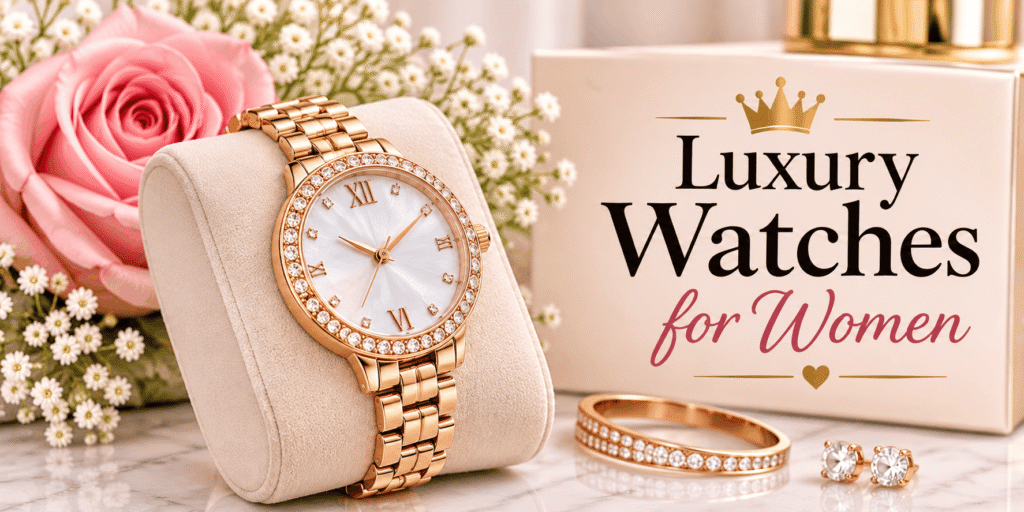
A luxury watch is defined by more than its price tag or the name printed on its dial. Its value often comes from a combination of engineering, finishing, materials, design consistency, brand heritage, and the care involved in producing each component. While some luxury watches are recognized immediately because of their distinctive appearance, others are appreciated by enthusiasts for details that may not be obvious at first glance.
Craftsmanship is one of the most important characteristics. High-quality watchmakers pay attention to the smallest elements, including the movement, dial finishing, case edges, bracelet links, hands, and crown. These details influence how the watch looks, feels, and performs over time. A carefully finished timepiece can maintain an attractive appearance even when its design is relatively simple.
Materials also contribute to the overall experience. Stainless steel, precious metals, sapphire crystal, ceramic, and carefully selected leather are commonly used in premium watches. The quality of these materials affects durability, comfort, appearance, and maintenance requirements.
Another important factor is the movement, which is the mechanism responsible for keeping time. Some luxury watches use mechanical movements powered by a wound spring, while others use quartz technology or automatic mechanisms that draw energy from the wearer’s movement. Each option has its own advantages, and the best choice depends on personal preferences.
A genuinely well-chosen luxury watch should feel appropriate for the person wearing it. Expensive materials and prestigious branding can be attractive, but comfort, reliability, and long-term satisfaction matter just as much.
Popular Styles of Luxury Watches for Women
The design of a watch can influence how easily it fits into a wardrobe. Some styles are created for everyday versatility, while others are intended to stand out during formal occasions. Understanding the main design categories can help narrow down the options.
Classic and Minimalist Watches
Classic watches are popular because they focus on balanced proportions and clean details. They often feature simple dials, slim cases, refined markers, and understated bracelets or leather straps. Instead of relying on complicated decorations, these designs emphasize clarity and elegance.
A minimalist luxury watch can work with office clothing, casual outfits, and formal dresses. Neutral dial colors such as white, silver, champagne, and black are especially versatile because they coordinate with many wardrobe choices.
These watches are also appealing to people who prefer accessories that do not feel tied to short-lived trends. A simple design can remain attractive for many years, making it a practical option for someone purchasing a first luxury timepiece.
Diamond and Gemstone Watches
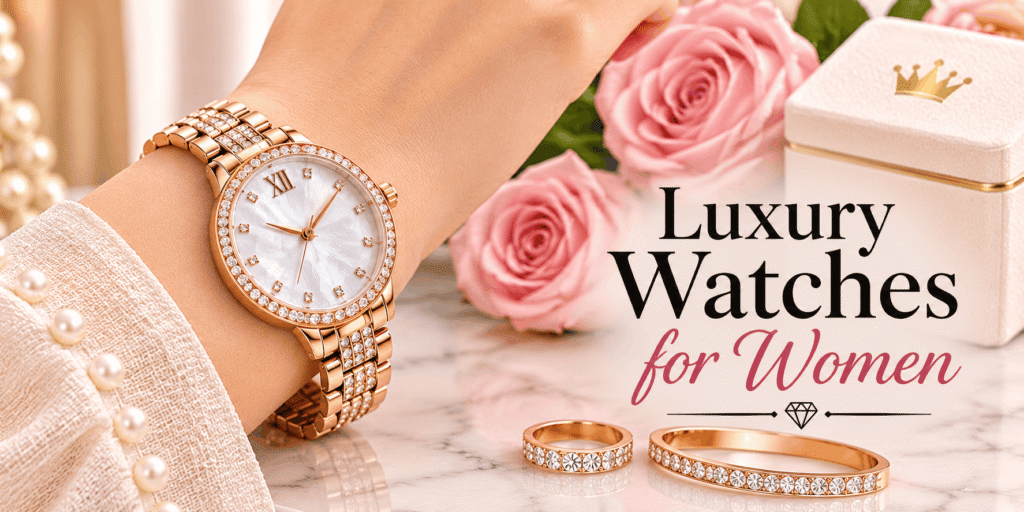
Diamond watches add decorative detail through carefully positioned stones on the dial, bezel, or bracelet. Some designs use a few small diamonds as hour markers, while others feature more elaborate settings that make the watch resemble fine jewelry.
Gemstone watches may also incorporate colored stones or decorative mother-of-pearl dials. These elements create visual interest and can make a timepiece feel particularly suitable for celebrations and formal events.
When considering a diamond watch, pay attention to the quality of the setting and the overall balance of the design. Decorative stones should complement the watch rather than make it difficult to read. It is also worth checking whether the stones are natural, laboratory-grown, or another type of decorative material, as this can influence price and resale expectations.
Bracelet Watches
Metal bracelet watches are among the most versatile choices in the luxury category. Their linked construction gives them a structured appearance, while different finishes can make the same basic design look sporty, polished, or sophisticated.
Stainless steel bracelets are particularly practical because they can be worn with a wide range of clothing. Two-tone bracelets combine different metal colors, creating a more decorative appearance that can coordinate with both silver and gold jewelry.
The bracelet should fit comfortably without feeling too tight or sliding excessively around the wrist. A properly adjusted bracelet improves the wearing experience and helps the watch sit naturally.
Leather Strap Watches
Leather strap watches offer a softer and often more traditional appearance. Depending on the color and finish, they can look professional, relaxed, or elegant. Black and brown straps are classic options, while burgundy, navy, and lighter neutral shades provide additional variety.
Leather is comfortable for many wearers, but it requires more care than some metal bracelets. Repeated exposure to sweat, moisture, perfume, and direct sunlight can affect its appearance and lifespan.
A leather strap also gives a watch flexibility because it can sometimes be replaced with another compatible strap. This allows the owner to refresh the look without purchasing an entirely different timepiece.
Modern and Statement Watches
Some women prefer watches with larger cases, unusual dial shapes, distinctive colors, or architectural details. These designs can become the main focus of an outfit and are often selected by people who enjoy accessories with a strong visual identity.
Statement watches may feature geometric cases, unusual bracelet structures, textured dials, or contrasting materials. Their appeal comes from individuality rather than traditional styling rules.
A bold watch can be especially effective with simple clothing because it adds character without requiring several additional accessories. However, it is important to consider weight and wrist proportions before choosing a large design.
Well-Known Luxury Watch Brands for Women
Luxury watch brands have different design identities, histories, and areas of expertise. Some are recognized for traditional Swiss watchmaking, while others are known for jewelry-inspired creations, distinctive shapes, or modern engineering. Exploring a brand’s design philosophy can help identify the type of watch that matches your preferences.
Rolex
<text> </text>
Rolex is widely recognized for its watchmaking history, durable construction, and instantly recognizable designs. Women’s collections include elegant and versatile options, with models such as the Datejust offering different case sizes, dial styles, bracelet designs, and material combinations.
A Rolex watch may appeal to someone who values a combination of everyday wearability and established brand recognition. However, availability and pricing can vary significantly depending on the model, condition, materials, and market demand.
Cartier
Cartier is especially well known for combining watchmaking with jewelry design. Its collections include distinctive shapes and refined details that make many models recognizable beyond the watch industry.
The Tank is known for its rectangular case and balanced proportions, while the Panthère de Cartier has a more jewelry-like bracelet appearance. These designs can appeal to women who want a timepiece that feels closely connected to fine jewelry.
Omega
Omega combines technical watchmaking with a range of classic and contemporary designs. Its women’s collections include elegant models as well as watches with more prominent cases and sporty details.
The Constellation collection is particularly associated with recognizable design elements and refined styling. Omega may suit someone who appreciates technical heritage while still wanting a watch that works with everyday clothing.
Patek Philippe
Patek Philippe is associated with traditional high-end watchmaking, mechanical expertise, and carefully finished timepieces. Its collections include elegant watches with different complications, case materials, and dial designs.
The brand is often considered by serious collectors who value watchmaking tradition and craftsmanship. Some models are produced in limited quantities, and availability can be difficult depending on the specific reference.
Audemars Piguet
Audemars Piguet is known for distinctive watch designs and its role in modern luxury sports-watch culture. The Royal Oak, with its recognizable octagonal bezel and integrated bracelet, has become one of the brand’s most recognizable designs.
For women who enjoy a stronger wrist presence, certain Royal Oak models offer a combination of bold geometry and fine finishing. The design is distinctive, so it may be especially appealing to people who prefer statement accessories.
Chanel
Chanel brings a fashion-focused design perspective to luxury watchmaking. Collections such as J12 are recognized for their ceramic construction and modern appearance, while other designs draw inspiration from the brand’s wider fashion and jewelry identity.
Chanel watches may appeal to people who want a contemporary timepiece that feels closely connected to fashion. The materials and design language can make them different from more traditional metal watches.
Bulgari
Bulgari combines Italian design influences with Swiss watchmaking expertise. Its watches often feature bold shapes, distinctive proportions, and decorative elements inspired by the brand’s jewelry heritage.
Collections such as Serpenti are known for their recognizable forms and sculptural appearance. These designs can work particularly well for people who view a watch as an expressive jewelry piece.
How to Choose the Right Luxury Watch
Selecting a luxury watch becomes easier when you begin with your lifestyle rather than the brand name. A timepiece intended for daily office wear may need different features from one purchased for special events or occasional use.
Start by considering how often you expect to wear it. If the watch will become part of your everyday routine, comfort, durability, readability, and versatility should be priorities. A medium-sized stainless steel model with a simple dial may offer more flexibility than a heavily decorated design.
If you want a watch for formal occasions, you may prefer a slim case, polished finish, precious-metal details, or a decorative dial. These features can create an elegant appearance without making the watch feel too casual.
Wrist size and case proportions are also important. A watch should look balanced rather than overwhelming or excessively small. Case diameter alone does not determine how large a watch appears; lug length, case thickness, dial design, and bracelet structure also affect its visual presence.
Before purchasing, try the watch on if possible. Check how it feels when your wrist moves, whether the crown presses into your hand, and whether the bracelet or strap sits comfortably. A beautiful watch that feels inconvenient may spend more time in a jewelry box than on your wrist.
Understanding Watch Movements
The movement is the internal mechanism that powers the watch. Understanding the main types can help you choose a timepiece that suits your expectations.
Quartz watches use a battery and an electronic oscillator regulated by a quartz crystal. They are generally convenient, accurate, and relatively easy to maintain. People who want a dependable watch without regular winding may appreciate this option.
Automatic watches are mechanical timepieces that wind themselves through the movement of the wearer’s wrist. They do not normally require a battery, although they may need manual winding if left unused for a period. Their appeal often comes from traditional mechanical engineering and the craftsmanship involved.
Manual mechanical watches require the wearer to wind the crown regularly. Some collectors enjoy this interaction because it creates a closer connection with the mechanism.
Neither mechanical nor quartz technology is automatically superior for every buyer. Quartz can be more convenient for everyday accuracy, while mechanical watches may appeal to those who value traditional watchmaking.
Materials, Durability, and Everyday Comfort
The materials used in a luxury watch affect its appearance, weight, maintenance, and long-term condition. Stainless steel is a common choice because it offers a practical balance of durability and versatility. It can be worn with casual clothing, business outfits, and many formal looks.
Gold watches provide a warmer and more traditional luxury appearance. Depending on the model, they may be made from solid gold or use gold in a particular case or bracelet construction. Buyers should check the exact material description instead of assuming that a gold-colored watch contains solid gold.
Ceramic is another popular material in modern watch design. It can offer a smooth finish and good resistance to everyday scratching, although ceramic components can be vulnerable to certain types of impact.
Sapphire crystal is commonly used in premium watches because it is highly resistant to scratches compared with many other watch crystal materials. However, it is not indestructible and can still be damaged under certain conditions.
Comfort also depends on weight and strap design. Some people prefer lightweight watches that they barely notice, while others enjoy the substantial feel of a heavier metal bracelet. The ideal choice is personal, so it is worth considering how the watch feels after several minutes of wear rather than judging it only by appearance.
Styling Luxury Watches for Different Occasions
A luxury watch can become one of the most frequently worn pieces in a personal accessory collection. The key is choosing a design that complements the occasion without looking out of place.
For professional settings, a classic metal bracelet or understated leather strap can create a polished appearance. Neutral dial colors and clean markers generally work well with office clothing because they add refinement without attracting too much attention.
For everyday outfits, versatile stainless steel watches, simple two-tone designs, and smaller minimalist models are practical choices. They can be paired with jeans, tailored trousers, dresses, and relaxed clothing.
For formal events, a slim gold-tone watch, a diamond-accented model, or a refined leather strap design can complement eveningwear. If you are wearing other jewelry, consider matching or thoughtfully mixing metal tones so the overall look feels intentional.
A statement watch can also work with a simple outfit. Instead of combining several bold accessories, allow the watch to remain the main feature. This creates a balanced look and makes the design easier to appreciate.
There is no strict rule that women must wear small or delicate watches. Larger designs can look equally elegant when their proportions and styling suit the wearer.
How to Care for a Luxury Watch
Proper care helps maintain a watch’s appearance, performance, and long-term condition. Even a well-made luxury timepiece needs attention, especially if it is worn regularly.
Start by following the manufacturer’s cleaning instructions. Many metal bracelet watches can be gently cleaned with a soft cloth, while more detailed cleaning may require professional assistance. Avoid using household chemicals or abrasive materials because they can damage finishes, seals, or other components.
Water resistance should never be assumed from appearance alone. A watch described as water-resistant has a specific rating and limitations. Water resistance can also change over time as seals age or become damaged. Have the watch checked according to the manufacturer’s recommendations, especially before swimming or other water-related activities.
Leather straps need extra protection from moisture, perfume, and excessive heat. Allow the strap to dry naturally if it becomes damp, and avoid storing it in a humid environment.
Mechanical watches may require periodic servicing, depending on the movement and manufacturer’s guidance. Professional servicing helps maintain performance and allows a watchmaker to inspect internal components. Avoid opening the case yourself because this can compromise its protection.
When the watch is not being worn, store it in a clean, dry place away from extreme temperatures, strong magnetic fields, and unnecessary impact. Keeping the original box, warranty documents, and purchase records can also be useful for future servicing or resale.
Buying a Luxury Watch: Authenticity and Long-Term Value
Purchasing a luxury watch requires careful attention, particularly when buying from the secondary market. High demand for famous models has also created opportunities for counterfeit products, misleading listings, and watches with replaced or non-original components.
Buy from an authorized retailer or a reputable seller with a clear authentication and return policy. If you are considering a pre-owned watch, request detailed photographs, service records, relevant documentation, and information about its condition. A professional inspection by a qualified watchmaker or authentication specialist can provide additional confidence.
Serial and reference numbers should be checked where appropriate, but documentation alone does not guarantee authenticity. Counterfeit watches can imitate packaging and paperwork, so the physical watch should also be examined.
It is equally important to understand that luxury watches are not guaranteed investments. Some models may retain their value or become more desirable, but prices depend on brand reputation, condition, production, demand, originality, and broader market conditions. Many watches lose value after purchase, particularly when bought at inflated retail or resale prices.
Choose a watch primarily because you appreciate its design, craftsmanship, and usefulness. If resale value matters to you, research the specific model’s market history rather than relying on general claims about a brand.
Final Thoughts
Luxury watches for women bring together personal style, precision, and craftsmanship. Whether you prefer the timeless appearance of a Cartier-inspired design, the recognizable character of a Rolex, the technical heritage of Omega, or the bold shapes associated with Bulgari and Audemars Piguet, the right timepiece should reflect your own preferences.
A thoughtful purchase involves looking beyond the logo. Consider the movement, materials, proportions, comfort, maintenance needs, and authenticity before making a decision. A watch that fits your lifestyle and feels meaningful to wear can remain a valued part of your collection for years.
Luxury does not always have to mean the most expensive or decorated option. Sometimes, the most elegant choice is a simple, well-crafted watch that feels right every time you put it on.





One Comment