
Colored contact lenses offer a simple way to change or enhance the appearance of your eyes without making a permanent change. Whether you want a subtle enhancement for everyday wear, a noticeable color transformation for a special occasion, or a new look that complements your personal style, these lenses come in a wide range of shades and designs. However, choosing the right pair involves more than finding an attractive color. Comfort, proper fit, eye health, and responsible lens care are equally important.
Unlike ordinary cosmetic accessories, contact lenses sit directly on the surface of your eyes. Even lenses purchased for appearance rather than vision correction are medical devices that require proper fitting and safe handling. Understanding the different types, available colors, benefits, limitations, and care requirements can help you enjoy a fresh look while protecting your eyesight.
What Are Colored Contact Lenses?
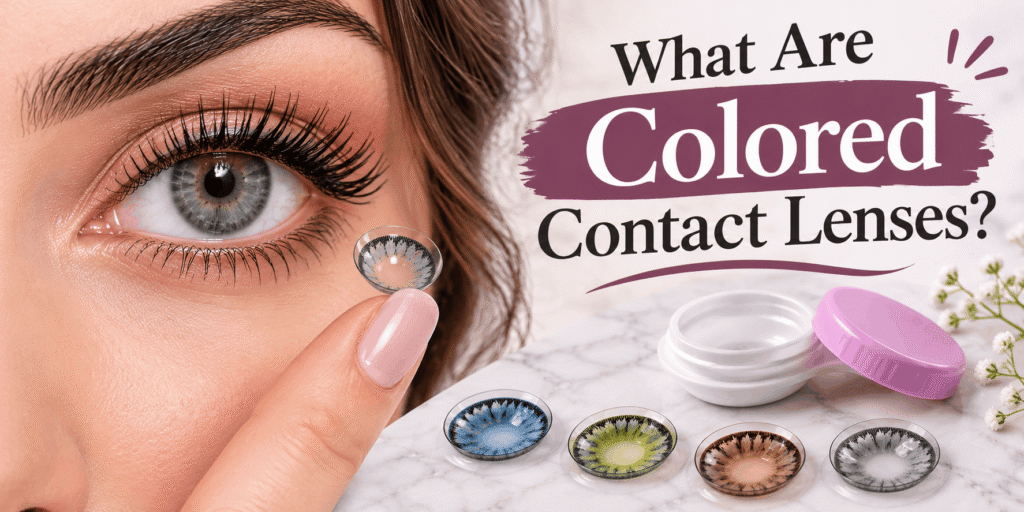
Colored contact lenses are specially designed lenses that change, enhance, or emphasize the natural appearance of your iris. The iris is the colored part of the eye surrounding the pupil. These lenses contain a tinted pattern that creates a different visual effect while leaving the central area clear enough for normal vision.
Some colored lenses are purely cosmetic, meaning they are designed for people who do not need vision correction. Others combine an attractive color with a prescription, allowing people with nearsightedness or farsightedness to improve their eyesight while changing their eye color.
The appearance of a colored lens depends on several factors, including its shade, opacity, printed pattern, and how it interacts with your natural eye color. A lens that looks light and subtle on one person may appear much stronger on someone with a different iris shade.
It is also important to understand that colored contact lenses are not one-size-fits-all fashion products. Their base curve, diameter, and other measurements must suit your eyes. An unsuitable lens can cause discomfort, irritation, blurred vision, or more serious complications.
Different Types of Colored Contact Lenses
Understanding the main types of colored lenses makes it easier to choose a design that matches your desired appearance. Manufacturers use different tinting techniques to create natural-looking enhancements, noticeable transformations, and dramatic effects.
Enhancement Tint Lenses
Enhancement tint lenses are designed to make your natural eye color look more noticeable rather than completely replacing it. They usually have a translucent tint that adds depth, brightness, or definition to the existing iris.
These lenses are often a suitable choice for people with naturally light eyes who want a slightly richer appearance. For example, someone with pale blue eyes may choose an enhancement lens to create a deeper blue tone. A person with green eyes might prefer a shade that makes the existing color look more vivid.
Because the tint is relatively transparent, enhancement lenses may not create a dramatic transformation on darker eyes. Their final appearance depends heavily on your original iris color.
Opaque Colored Lenses
Opaque lenses contain a more solid color pattern intended to cover much of the natural iris shade. They are commonly selected by people who want a more noticeable change, especially when their natural eyes are dark brown or nearly black.
Popular options include gray, blue, green, hazel, and honey. Some designs use several shades in one lens to create a more dimensional appearance.
Although opaque lenses can produce a stronger color change, the result is not identical for everyone. Your natural iris pattern, pupil size, lighting, and the lens design can influence how the final color looks.
Visibility Tint Lenses
Visibility tint lenses have a very light tint that helps users see the lens more easily when handling it. Their primary purpose is practical rather than cosmetic.
These lenses are not intended to change the appearance of your eyes significantly. The tint is usually subtle and does not provide the same color transformation as cosmetic colored lenses.
Costume and Special-Effect Lenses
Costume lenses are designed to create unusual or theatrical eye appearances. They may feature patterns inspired by fictional characters, animals, fantasy themes, or dramatic visual effects.
People often wear them for costume parties, performances, themed photography, and entertainment events. However, their unusual appearance does not make them safer or less demanding than ordinary contact lenses.
Costume lenses should also be professionally fitted and obtained from a legitimate source. Poor-quality decorative lenses can damage the eye, even when worn for a relatively short period.
Popular Colored Contact Lens Shades
The color you choose has a major influence on your overall appearance. Some shades create a soft and natural enhancement, while others provide a bold contrast that makes the eyes stand out.
Blue Colored Contact Lenses
Blue lenses are among the most recognizable cosmetic options. They can create a cool, bright, or sophisticated appearance depending on the exact shade.
Light blue may provide a noticeable transformation, while darker blue can look more understated. Some designs combine different blue tones with a darker outer ring to create depth around the iris.
Blue lenses may be particularly noticeable on naturally dark eyes when they have an opaque color pattern. However, the final effect depends on the product design and individual eye color.
Green Colored Contact Lenses
Green lenses offer a fresh appearance that can range from soft olive to bright emerald. Their versatility makes them suitable for people who prefer a color that looks distinctive without being as conventional as blue.
Olive green often creates a warmer, more muted effect, while emerald shades produce a brighter transformation. Some green lenses also include brown or golden details to create a more natural-looking pattern.
Gray Colored Contact Lenses
Gray lenses are popular because they can create a cool, understated appearance. Depending on the design, they may look silver, smoky, blue-gray, or slightly green.
Light gray can make the eyes appear brighter, while darker gray may provide a more natural enhancement. Some designs include a darker outer edge that gives the iris additional definition.
Hazel Colored Contact Lenses
Hazel lenses combine brown, green, and golden tones to produce a multi-dimensional appearance. They are often chosen by people who want a warm eye color that does not look completely uniform.
Some hazel lenses are predominantly golden brown, while others have a noticeable green influence. This variety makes it possible to choose a shade that complements your natural coloring and preferred style.
Honey and Brown Colored Contact Lenses
Honey and brown lenses create warm eye tones that can look particularly natural on people with darker irises. Honey shades often contain golden or amber details, while deeper brown designs add richness and definition.
These colors are useful when you want a visible enhancement without choosing an extremely light or unusual shade.
Violet and Unusual Colors
Violet, turquoise, and other unusual shades are often used for creative styling and special occasions. They can produce a distinctive look, particularly when paired with coordinated makeup or costumes.
However, dramatic shades may look less natural in everyday settings. If you prefer a softer appearance, consider a design that blends several tones rather than using one solid color.
How to Choose Colored Contact Lenses for Your Natural Eye Color
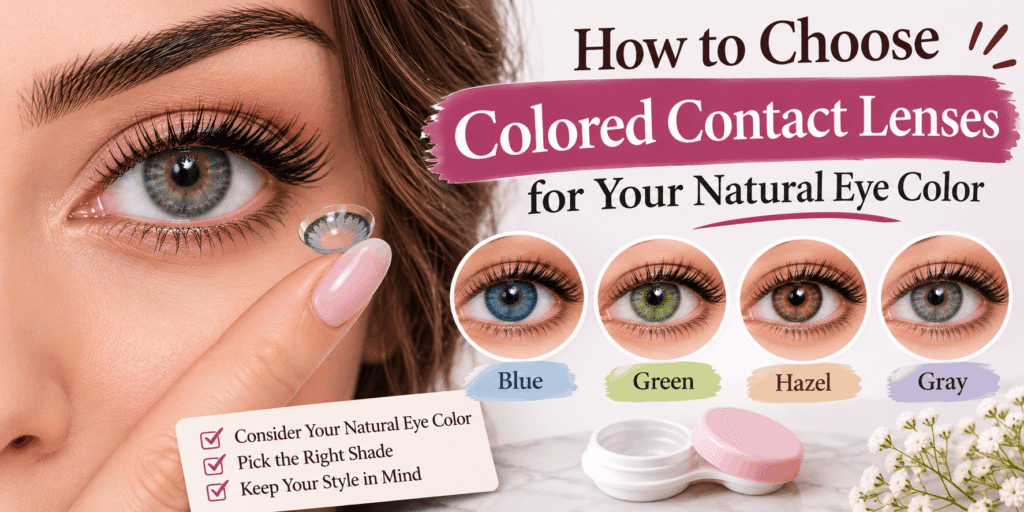
Selecting the right lenses becomes easier when you consider your natural iris shade. The same product can create very different results depending on the original eye color.
People with light brown eyes may find that green, gray, hazel, and blue lenses create noticeable changes. Those with dark brown eyes generally need more opaque designs to achieve a strong transformation. People with naturally blue or green eyes may prefer enhancement tints or complementary shades that add depth without completely changing their appearance.
It is also useful to consider the overall effect you want. If you prefer a natural result, choose a color that works with your existing iris pattern. For a more dramatic transformation, select a shade with stronger coverage and a clearly defined design.
Before buying, look at product photographs that show the lenses on eyes with a natural color similar to yours. Manufacturer images can be helpful, but they may not represent the exact result you will get. If possible, consult an eye care professional about suitable options and fitting.
How to Choose Lenses That Complement Your Skin Tone
Your skin tone can help guide your color selection, although there are no strict rules about which eye colors you can wear. Personal preference matters more than following a fixed beauty formula.
People with warm undertones may enjoy honey, amber, olive green, and warm brown shades. These colors can create a coordinated appearance with golden or peachy makeup.
Cool undertones may pair well with gray, blue, cool green, and certain violet shades. These options can create a balanced look, particularly when combined with cooler makeup colors.
Neutral undertones offer flexibility because both warm and cool shades may complement them. You can experiment with hazel, gray, green, or blue depending on the effect you prefer.
Rather than choosing a lens only because it is recommended for a particular complexion, consider your hair color, personal style, and the occasions when you plan to wear it.
Prescription vs. Non-Prescription Colored Contact Lenses
One important decision is whether you need vision correction. Colored contact lenses are available in both prescription and non-prescription versions.
Prescription colored lenses are designed to correct refractive errors while also changing or enhancing eye color. They can be useful for people who already wear contact lenses and want a cosmetic option.
Non-prescription colored lenses are designed for people who do not need vision correction. However, the absence of a prescription does not mean they can be purchased or worn without professional guidance.
Both types require an appropriate fit and proper instructions from an eye care professional. A lens can have the correct cosmetic shade but still be unsuitable for your eye shape or measurements.
Never use someone else’s prescription lenses, even if the color and design appear suitable. Contact lens prescriptions include specific details that cannot be determined by looking at the product.
Benefits of Wearing Colored Contact Lenses
Colored lenses offer several cosmetic advantages when they are properly fitted and used according to professional guidance.
One of their biggest attractions is the ability to experiment with different eye colors without making a permanent change. You can choose a subtle enhancement for everyday use or a more dramatic shade for an event.
They also provide styling flexibility. Changing your eye color can influence how your makeup, clothing, and overall appearance come together. For example, green lenses may create a different effect with neutral makeup than blue or gray lenses.
People who already require vision correction may also appreciate prescription colored lenses because they can combine visual assistance with cosmetic styling. This allows them to enjoy a different appearance without necessarily giving up their usual vision correction.
Another advantage is the variety of available designs. Modern lenses come in multiple shades, patterns, and replacement schedules, giving users several options to discuss with their eye care professional.
However, these benefits should never outweigh eye safety. Cosmetic appeal is not a reason to ignore discomfort, poor fitting, or hygiene requirements.
How to Wear Colored Contact Lenses Safely
Safe handling is essential whenever you place a contact lens on your eye. Even a high-quality product can cause problems if it is handled incorrectly.
Before touching your lenses, wash your hands thoroughly with soap and water. Dry them with a clean, lint-free towel so that dust, fibers, and moisture do not transfer to the lens.
Check each lens before inserting it. Make sure it is not torn, damaged, or contaminated. Follow the instructions supplied by the manufacturer and your eye care professional.
Place the lens gently on the eye using the method you were taught during your fitting appointment. Avoid rubbing your eyes or applying unnecessary pressure while inserting or removing it.
If you experience pain, redness, unusual watering, light sensitivity, or blurred vision, remove the lenses if you can do so safely and seek advice from an eye care professional promptly. Sudden or significant vision changes require urgent attention.
Never sleep in colored contact lenses unless the specific lens is approved for overnight wear and your eye care professional has explicitly recommended that schedule. Many lenses are intended for daytime use only.
Cleaning and Caring for Colored Contact Lenses
Proper lens care helps reduce the risk of irritation and eye infections. Contact lenses can collect deposits, dust, and microorganisms during wear, so cleaning and storage instructions should be followed carefully.
Always use the contact lens solution recommended for your specific lenses. Do not use tap water, bottled water, homemade saline, or saliva to clean or store them. Water can contain microorganisms that may cause serious eye infections.
After removing reusable lenses, clean and disinfect them according to the product instructions. Use fresh solution each time rather than adding new solution to an old amount in the case.
Your contact lens case also needs regular attention. Empty it after use, clean it as directed, and allow it to air-dry. Replace the case at the intervals recommended by your eye care professional or the manufacturer.
Do not share colored contact lenses with friends or family members. Sharing lenses can transfer bacteria and other microorganisms between users, even when the lenses appear clean.
It is equally important to follow the replacement schedule. Daily disposable lenses should be discarded after one use. Reusable lenses must be replaced according to their specified schedule, even if they still look comfortable or appear undamaged.
Common Mistakes to Avoid
Many contact lens problems occur because users underestimate the importance of hygiene and fitting. Avoiding a few common mistakes can make lens use safer and more comfortable.
One major mistake is purchasing lenses from unverified sellers simply because they offer attractive prices. Products without reliable manufacturing information or appropriate quality controls may have poor materials, inaccurate measurements, or unsafe designs.
Another mistake is wearing lenses for longer than recommended. Extending the wearing period can increase discomfort and the risk of complications. Follow the schedule given by your eye care professional rather than deciding based on how comfortable the lenses feel.
Some people also make the mistake of sleeping, showering, or swimming while wearing lenses that are not approved for those activities. Water exposure can introduce harmful microorganisms, and overnight wear may reduce the oxygen reaching the cornea.
Using ordinary water to rinse lenses or cases is another unsafe practice. Only use the appropriate contact lens products and follow their instructions.
Finally, never ignore persistent redness, pain, or blurred vision. Continuing to wear lenses when your eyes are irritated can make an existing problem worse.
Are Colored Contact Lenses Safe?
Colored contact lenses can be safe when they are properly prescribed or fitted, purchased from legitimate sources, and used according to professional instructions. However, they are not risk-free.
An incorrectly fitted lens may scratch or irritate the cornea. Poor cleaning habits can increase the risk of infection, while wearing lenses for too long may contribute to dryness and other complications.
In serious cases, contact lens-related infections can cause corneal ulcers and permanent vision damage. This is why professional fitting and proper hygiene are essential, even for lenses used only for cosmetic purposes.
The safest approach is to arrange an eye examination before purchasing colored lenses. An eye care professional can assess your eye health, determine suitable lens measurements, and explain the correct wearing and cleaning routine.
Possible Side Effects of Colored Contact Lenses
Some users may experience mild dryness or irritation, particularly when they are new to contact lenses or spend long periods in dry environments.
Other possible symptoms include redness, watering, a feeling that something is stuck in the eye, and temporary blurred vision. These symptoms should not automatically be considered normal adjustments.
More serious complications can include corneal scratches, inflammation, and infections. Warning signs may involve increasing pain, sensitivity to light, discharge, swelling, or reduced vision.
If these symptoms occur, stop wearing the lenses and seek prompt professional care. Do not try to treat a potentially serious eye problem by simply switching to another lens color or brand.
Can You Wear Colored Contact Lenses Every Day?
Some colored contact lenses are designed for regular use, while others are intended for occasional wear. Whether daily use is suitable depends on the lens material, replacement schedule, wearing instructions, and your individual eye health.
If you want to wear colored lenses frequently, discuss your routine with an eye care professional. They can help determine whether a particular product is appropriate and how long it can safely be worn each day.
Daily disposable lenses may be convenient for occasional use because they are discarded after removal. Reusable lenses require consistent cleaning and storage, making their care routine especially important.
Even if you wear lenses regularly, give your eyes a break when advised by your eye care professional. Never extend the recommended wearing time simply because you have become accustomed to the lenses.
How to Make Colored Contact Lenses Look Natural
A natural-looking result depends on more than the color printed on the lens. The relationship between the lens pattern and your original iris plays an important role.
Choosing a shade that blends with your natural eye color can help avoid an overly artificial appearance. For example, people with brown eyes may prefer warm hazel, honey, or olive tones if they want a gentle change.
Lens designs with multiple shades and subtle patterns can also create more depth than a single flat color. A defined outer ring may make the iris appear more noticeable, while softer edges can produce a blended effect.
Makeup can complement the final look, but it should be applied carefully. Put your contact lenses in before applying eye makeup, and remove them before taking makeup off. Avoid allowing mascara, eyeliner, powder, or other cosmetics to enter the eye or collect on the lens.
The most important factor is choosing a comfortable, professionally fitted lens. A natural appearance is not worth compromising eye health.
Colored Contact Lenses for Special Occasions
Colored lenses can be used to complement different looks for celebrations, photography, performances, and themed events. A carefully selected shade can add an interesting detail without requiring a permanent change to your appearance.
For weddings or formal occasions, soft gray, hazel, or natural green may work well with elegant makeup. For parties and fashion photography, brighter blue or violet shades may create a more noticeable effect.
Costume lenses can also help complete a character-inspired look. However, special-event use does not remove the need for proper fitting, hygiene, and safe wearing practices.
If you only need lenses for an occasional event, discuss suitable disposable options with an eye care professional. Do not borrow lenses from another person or purchase unverified products at the last minute.
How to Buy Quality Colored Contact Lenses
Choosing a trustworthy seller is an important part of protecting your eyes. Before buying, check whether the product comes from a legitimate manufacturer and includes clear information about its material, dimensions, replacement schedule, and care instructions.
Look for appropriate regulatory information and avoid products that make unrealistic claims about comfort or safety. A low price should not be the only factor influencing your decision.
A professional eye examination should come before the purchase. Even if you have perfect eyesight, you still need the correct measurements for cosmetic contact lenses.
Check the packaging carefully when your lenses arrive. Do not use products with damaged, opened, expired, or unclear packaging. If the lens appears defective or does not match the prescribed specifications, contact the seller and your eye care professional rather than attempting to use it.
Final Thoughts
Colored contact lenses provide an exciting way to enhance your natural eye color or experiment with a completely different appearance. From subtle hazel and honey shades to striking blue, green, gray, and special-effect designs, there are many options for different preferences and occasions.
However, cosmetic appeal should always come second to eye health. The right lenses are not simply the ones with the most attractive color; they are the ones that fit properly, come from a reliable source, and suit your individual needs.
Before choosing a pair, arrange a professional fitting, understand the recommended wearing schedule, and learn how to clean and store your lenses correctly. With responsible selection and consistent care, you can enjoy the appearance you want while making your eye health a priority.
Colored contact lenses are specially designed lenses that change or enhance the natural appearance of your iris. They are available in cosmetic and prescription options.
Yes. Opaque colored contact lenses can create a noticeable change on dark brown eyes. The final appearance depends on the lens shade, opacity, and design.
They can be safe when professionally fitted, purchased from reliable sources, and used according to proper instructions. Poor fitting and improper hygiene can increase the risk of eye infections and injuries.


2 Comments