
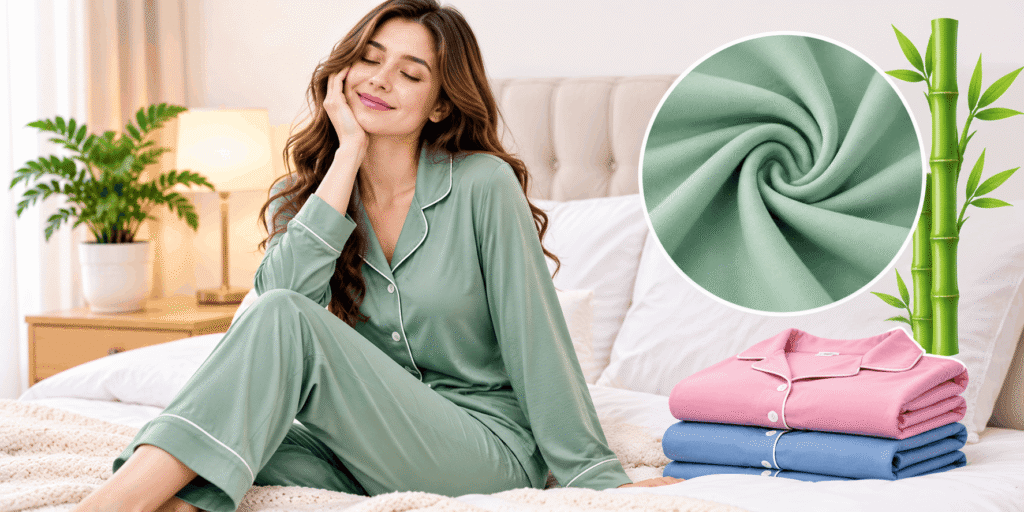
Bamboo pajamas have become an increasingly popular choice for people who want comfortable sleepwear with a soft texture and a relaxed fit. From everyday bedtime clothing to matching family sleepwear, bamboo pajamas are attracting attention because of their smooth feel, lightweight construction, and modern designs. Many shoppers are also interested in bamboo fabric because it is often connected with sustainability and natural materials.
However, bamboo pajamas are more than a fashionable sleepwear trend. Their appeal comes from the combination of fabric characteristics, practical design, and the experience they offer during rest. Understanding what bamboo pajamas are, how they are manufactured, and what makes them different from other sleepwear can help shoppers make more informed decisions.
The term bamboo pajamas usually refers to sleepwear made from bamboo-derived textile fibers. These fibers are commonly processed into rayon, viscose, or lyocell before being turned into fabric. The finished material can feel exceptionally smooth and soft, making it suitable for clothing that stays close to the skin throughout the night.
Bamboo pajamas are available in numerous styles, including short-sleeve sets, long-sleeve tops, shorts, full-length pants, nightgowns, and baby sleepwear. Their versatility allows different age groups and personal preferences to find suitable options.
Although bamboo pajamas are often marketed as naturally antibacterial, completely chemical-free, or automatically sustainable, these descriptions require careful consideration. The actual characteristics depend on the fiber production method, fabric construction, finishing treatments, and manufacturing practices.
What Are Bamboo Pajamas?
Bamboo pajamas are sleepwear made using textile fibers derived from bamboo plants. The bamboo itself does not directly become the soft fabric people wear. Instead, the plant material undergoes processing to produce fibers that can be spun into yarn and woven or knitted into fabric.
Most bamboo pajamas available in clothing stores are made from bamboo viscose or bamboo rayon. These materials are created through a manufacturing process that transforms bamboo cellulose into usable textile fibers. Bamboo lyocell is another option, although it is less common in many sleepwear collections.
The finished fabric is generally valued for its smooth surface, flexible structure, and comfortable feel. Depending on the knitting technique, bamboo pajamas may have a stretchy quality that allows the garment to move naturally with the body.
A common feature of bamboo sleepwear is its lightweight construction. Unlike heavier cotton pajamas or thick fleece sets, many bamboo pajamas feel relatively light against the skin. This characteristic makes them attractive to people who prefer sleepwear that does not feel bulky.
Bamboo pajamas also come in different fabric blends. Some manufacturers combine bamboo-derived fibers with cotton, elastane, or other materials to change the stretch, durability, or overall texture. A bamboo-cotton blend, for example, may offer a different feel from a garment made entirely from bamboo viscose.
When shopping for bamboo pajamas, checking the fabric composition is important. Two products described as bamboo sleepwear may have noticeably different characteristics depending on the materials used and how the fabric is manufactured.
How Bamboo Pajamas Are Made
The production of bamboo pajamas begins with harvesting bamboo and preparing it for textile manufacturing. Bamboo plants contain cellulose, which can be processed into fibers suitable for clothing.
In the production of bamboo viscose, bamboo cellulose is extracted and transformed through chemical processing. The resulting material is converted into a solution, which is then used to form textile fibers. These fibers are washed, prepared into yarn, and eventually made into fabric.
The fabric can be knitted or woven depending on the intended design. Knitted bamboo fabric is particularly common in pajamas because it offers flexibility and a soft, comfortable structure.
After the fabric is produced, manufacturers cut and sew it into different sleepwear designs. These may include elastic waistbands, decorative buttons, cuffs, pockets, and other details that improve functionality.
The final product is influenced by several factors, including the fiber type, fabric weight, yarn quality, finishing process, and garment construction. This is why bamboo pajamas from different brands can vary considerably in comfort and performance.
Understanding this process also helps explain why bamboo pajamas should not automatically be described as completely natural or chemical-free. Bamboo is a plant-based raw material, but turning it into textile fibers often involves industrial processing.
Benefits of Bamboo Pajamas
Bamboo pajamas offer several characteristics that make them appealing for everyday sleepwear. Their popularity is largely connected to softness, lightweight comfort, moisture management, and the availability of breathable fabric designs.
The following benefits explain why many shoppers consider bamboo pajamas when choosing new bedtime clothing.
Environmental Sustainability
Bamboo is frequently discussed as an environmentally interesting plant because many bamboo varieties grow rapidly and can regenerate from their existing root systems. Certain species can reach maturity much faster than trees commonly used for timber.
Bamboo cultivation may also require fewer agricultural inputs under suitable growing conditions. Depending on the location and farming practices, it can grow with relatively limited irrigation and without intensive pesticide use.
These characteristics make bamboo an attractive raw material for different industries, including construction, paper manufacturing, and textiles.
However, the environmental advantages of bamboo pajamas depend on more than the plant itself. Textile manufacturing also involves water, energy, chemicals, transportation, and waste management.
For example, bamboo viscose production can require substantial chemical processing. If manufacturing facilities do not properly recover chemicals or manage wastewater, environmental benefits associated with bamboo cultivation may be reduced.
Bamboo lyocell generally uses a different production approach, with a solvent-recovery system designed to reuse much of the processing solvent. This can make it a more environmentally considerate option when produced responsibly.
For shoppers interested in sustainable bamboo pajamas, the manufacturing process matters just as much as the raw material. Certifications, transparent sourcing, and clear information about fiber production can provide useful guidance.
No Chemical Substances During the Production Process
Bamboo pajamas are sometimes advertised as being manufactured without chemicals. This description is not accurate for every bamboo textile.
Most bamboo viscose and rayon fabrics require chemical processing to convert plant cellulose into textile fibers. These chemicals are part of the manufacturing process rather than necessarily being substances intentionally added to the finished pajamas.
The important distinction is between chemicals used during production and harmful residues remaining in the final garment.
Responsible manufacturers use processing controls, washing, and quality checks to ensure that finished fabrics meet applicable safety requirements. Properly manufactured bamboo pajamas should be suitable for their intended clothing use.
Consumers who are concerned about chemical exposure can look for relevant textile certifications and information about manufacturing standards. Certifications such as OEKO-TEX Standard 100 assess textile products for certain harmful substances according to established testing requirements.
A product’s safety should be evaluated through reliable manufacturing information rather than claims that bamboo fabric contains absolutely no chemicals.
Ready to Use
Bamboo pajamas are designed to be worn directly as sleepwear once purchased and, when appropriate, washed before their first use.
Their soft texture and flexible construction make them suitable for everyday bedtime routines. Many designs are comfortable enough to wear around the home during relaxed mornings or evenings.
Unlike certain specialized garments that require complicated preparation, bamboo pajamas generally need only ordinary clothing care. The exact washing instructions depend on the fabric composition, dyeing method, and garment construction.
Most bamboo viscose sleepwear benefits from gentle washing and avoiding excessive heat. Following the manufacturer’s care instructions can help maintain softness and prevent unnecessary fabric damage.
This practical quality makes bamboo pajamas convenient for people who want comfortable clothing without a complicated maintenance routine.
Fast Growth Rate
One reason bamboo attracts attention is its growth rate. Many bamboo species develop quickly compared with traditional timber trees, making bamboo cultivation an interesting option for producing renewable plant materials.
Bamboo is also capable of regrowing from established underground rhizomes. In many varieties, harvesting mature stems does not require replanting the entire crop, which can support continued cultivation.
This growth pattern makes bamboo useful in discussions about renewable resources. However, the environmental impact of bamboo pajamas still depends on how the plant is cultivated, harvested, transported, and processed into textile fibers.
The fast growth of bamboo should not automatically be treated as proof that every bamboo textile is sustainable. Responsible production practices remain essential for reducing environmental impact.
Moisture Absorption and Sweat Wicking
Moisture management is another reason bamboo pajamas attract attention. Their lightweight fabric construction can help create a comfortable sleepwear experience, especially when the material is designed to allow air movement.
Bamboo-derived viscose fibers can absorb moisture, which may help the fabric take up perspiration from the skin. This quality can be useful for people who prefer sleepwear that does not feel excessively heavy or stiff.
However, moisture absorption and sweat wicking are not exactly the same thing. Absorption describes how much moisture a fiber can take in, while wicking refers to how moisture moves across or through the fabric.
The ability of bamboo pajamas to manage moisture depends on the fiber, yarn structure, knitting pattern, and fabric finish. A well-designed fabric may distribute moisture effectively, but bamboo sleepwear does not automatically guarantee that a person will remain completely dry throughout the night.
People who experience night sweating may also need to consider room temperature, bedding materials, and the overall thickness of their pajamas.
Bamboo Fiber, Hypoallergenic Properties, and Antibacterial Claims
Bamboo pajamas are frequently marketed as hypoallergenic or naturally antibacterial. These descriptions are popular among shoppers who prefer gentle clothing and want sleepwear that feels comfortable against their skin.
The smooth texture of bamboo-derived fabric may feel pleasant for people who dislike rough or stiff materials. Soft fabric can also reduce the sensation of friction when clothing moves against the body.
However, bamboo viscose should not automatically be considered hypoallergenic. Individual reactions depend on personal skin sensitivity, dyes, finishing agents, detergent residues, and other factors.
Similarly, claims that bamboo fabric naturally kills bacteria or prevents odors require caution. Some bamboo plants contain compounds studied for antimicrobial properties, but those characteristics do not necessarily remain in commercially processed bamboo viscose fabric.
Consumers should avoid assuming that bamboo pajamas provide medical protection against skin irritation, infections, or allergies.
For people with sensitive skin, choosing a soft fabric with minimal irritating finishes and washing new sleepwear before wearing it may be a sensible approach.
Bamboo Clothes Are Easily Dyed
Bamboo-derived textile fibers can be dyed in a wide range of colors, allowing manufacturers to create bamboo pajamas with different visual styles.
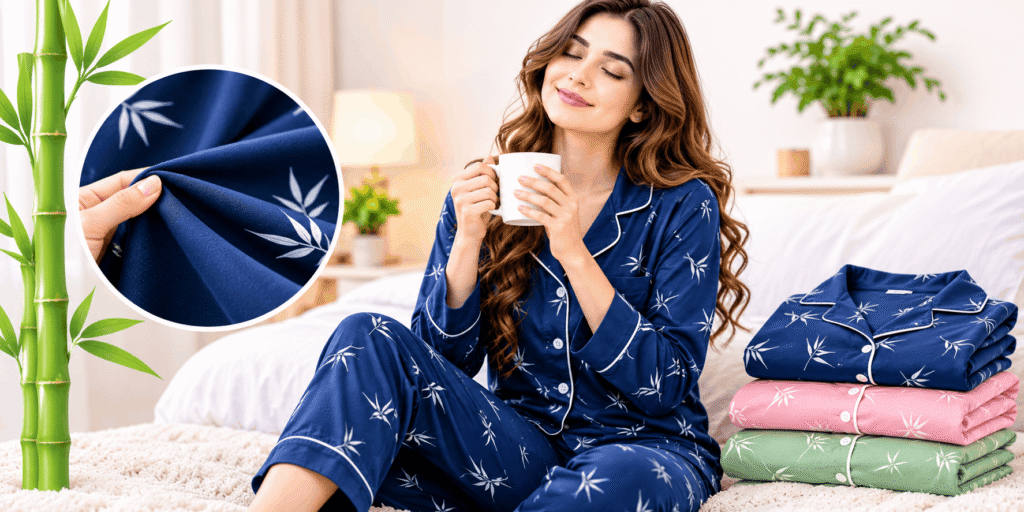
The smooth surface of many bamboo viscose fabrics can contribute to an attractive appearance and a pleasant feel. Manufacturers may produce pastel shades, darker colors, printed patterns, and seasonal designs.
This versatility makes bamboo pajamas suitable for different preferences. Some shoppers prefer neutral colors such as beige, cream, grey, and navy, while others choose floral prints, playful patterns, or colorful matching sets.
Dyeing quality depends on the manufacturing process, the type of colorants used, and the finishing techniques applied to the fabric. Good quality control can help improve color consistency and reduce problems such as uneven coloring.
When selecting bamboo pajamas, buyers should also consider whether the fabric is likely to retain its appearance after repeated washing. Following care instructions can help preserve the original color and texture.
Comfort and Durability of Bamboo Pajamas
Comfort and durability are two important factors when choosing sleepwear. Bamboo pajamas are often appreciated for their soft texture, but their long-term performance depends on fabric quality and proper garment care.
A comfortable pair of pajamas should allow natural movement, feel pleasant against the skin, and remain practical throughout regular use.
Comfort
Comfort is one of the strongest reasons people choose bamboo pajamas. Many bamboo-derived fabrics have a smooth surface that creates a soft sensation when worn.
This softness can make bamboo sleepwear appealing to people who prefer lightweight clothing during rest. The fabric may also drape naturally around the body, creating a relaxed appearance rather than a stiff or structured fit.
Another important feature is flexibility. Bamboo pajamas made from knitted fabric or stretch blends can move easily when sitting, lying down, or changing sleeping positions.
The comfort of bamboo pajamas also depends on the garment’s design. A relaxed waistband, suitable sleeve length, and comfortable seams can improve the overall experience.
People who sleep in warm rooms may prefer lightweight bamboo pajamas with a relatively thin fabric construction. Those who prefer more coverage can choose long-sleeve sets or full-length pants without necessarily selecting heavy sleepwear.
Comfort is personal, so the best bamboo pajamas are those that suit an individual’s temperature preferences, fabric sensitivity, and preferred fit.
Durability
The durability of bamboo pajamas depends on several factors, including fiber quality, fabric construction, stitching, and washing habits.
Bamboo viscose can feel soft and flexible, but it may require more careful handling than some heavier cotton fabrics. Excessive heat, rough washing cycles, and repeated friction can contribute to fabric wear.
High-quality bamboo pajamas can remain comfortable for regular use when properly maintained. Gentle washing, appropriate detergent, and avoiding unnecessary high-temperature drying may help preserve their condition.
Fabric blends can also influence durability. Some manufacturers combine bamboo-derived fibers with elastane or other materials to improve stretch and fit. The resulting performance depends on the quality and proportions of the blend.
When purchasing bamboo pajamas, shoppers should examine stitching, waistband construction, fabric thickness, and care instructions rather than judging quality only by softness.
Is Bamboo Fiber Sustainable?
The sustainability of bamboo fiber is an important consideration for environmentally conscious shoppers. Bamboo is a rapidly growing plant, and some cultivation practices can offer advantages over slower-growing raw materials.
However, the sustainability of bamboo pajamas cannot be determined by the plant alone.
Bamboo viscose manufacturing involves transforming cellulose through chemical processing. The environmental impact depends on how chemicals are managed, how much energy is consumed, and whether wastewater is treated responsibly.
Bamboo lyocell can offer a different manufacturing approach because its production commonly uses a solvent-recovery system. This allows much of the processing solvent to be collected and reused.
Consumers interested in sustainable bamboo pajamas should look for products that provide clear information about their fiber type and manufacturing practices.
Useful considerations include:
- Fiber identification: Check whether the garment is made from bamboo viscose, bamboo rayon, bamboo lyocell, or a blend.
- Manufacturing transparency: Look for brands that explain where their materials come from and how their fabrics are produced.
- Textile certifications: Relevant certifications can provide information about product testing or manufacturing standards.
- Garment quality: Well-constructed pajamas that remain usable for longer may reduce the need for frequent replacement.
- Care requirements: Washing sleepwear responsibly can help reduce unnecessary wear and extend its useful life.
Sustainability also involves purchasing habits. Choosing pajamas that genuinely suit your needs and wearing them regularly can be more meaningful than buying several products simply because they are marketed as environmentally friendly.
Choosing the Best Bamboo Pajamas for Your Needs
Finding suitable bamboo pajamas becomes easier when you understand what matters most in everyday sleepwear.
First, consider the fabric composition. Bamboo viscose, bamboo rayon, and bamboo lyocell may have different manufacturing processes and characteristics. Reading the product label helps you understand what you are purchasing.
Second, consider the fit. Some bamboo pajamas are designed with a relaxed silhouette, while others have a closer fit. Choosing a comfortable size can help prevent unnecessary tightness around the waist, shoulders, or legs.
Third, think about the season. Lightweight short-sleeve bamboo pajamas may be suitable for warmer conditions, while long-sleeve sets provide more coverage during cooler evenings.
Finally, pay attention to the construction. Smooth seams, quality stitching, a comfortable waistband, and suitable fabric thickness can make a noticeable difference in everyday use.
Matching family bamboo pajamas have also become popular. These sets are often available in coordinated prints for adults, children, and babies. Their appeal comes from the combination of comfortable clothing and a consistent visual style for family photographs, holidays, and relaxed weekends.
For baby sleepwear, the correct size, safe construction, and appropriate sleepwear design are particularly important. Parents should always follow relevant infant sleep safety guidance rather than relying only on fabric marketing claims.
Why Bamboo Pajamas Continue to Gain Popularity
Bamboo pajamas have gained attention because they combine a modern textile trend with the everyday need for comfortable sleepwear.
Their smooth texture, lightweight feel, and flexible designs appeal to people who want clothing that feels relaxed at home. The wide range of colors, patterns, and matching sets also makes bamboo pajamas attractive to shoppers with different preferences.
Environmental awareness has contributed to their popularity as well. Many consumers are interested in materials that come from renewable plant sources, although responsible textile production remains essential.
As sleepwear brands continue developing new designs, bamboo pajamas are likely to remain an interesting option within the broader clothing market.
Their appeal is ultimately based on a combination of fabric quality, garment construction, comfort, and personal preference. Understanding these factors makes it easier to choose bamboo pajamas that offer genuine value rather than relying entirely on marketing descriptions.
Final Thoughts
Bamboo pajamas have become a popular sleepwear choice because of their soft texture, lightweight feel, and comfortable designs. Their smooth fabric, flexible construction, and variety of styles make them suitable for different preferences and bedtime routines.
Beyond comfort, bamboo pajamas also attract attention because bamboo is a rapidly growing plant. However, the sustainability of bamboo clothing depends on responsible cultivation, textile processing, and manufacturing practices.
Choosing the right bamboo pajamas involves considering fabric quality, fit, durability, and care requirements. When these factors are carefully evaluated, bamboo pajamas can become a comfortable and practical addition to everyday sleepwear.
With their combination of modern designs and relaxed comfort, bamboo pajamas continue to offer an appealing option for people looking for soft, stylish, and functional bedtime clothing.
Bamboo pajamas are usually made from bamboo-derived viscose, rayon, or lyocell fibers. These materials create a soft and smooth fabric suitable for sleepwear.
Yes, bamboo pajamas are popular for their lightweight, smooth texture and breathable feel, making them comfortable for many people during sleep.
Bamboo pajamas can feel comfortable in warm weather because many bamboo-derived fabrics are lightweight and help manage moisture. Their comfort also depends on fabric thickness and construction.
Most bamboo pajamas should be washed with cold water on a gentle cycle and dried on low heat or air-dried. Always follow the care instructions provided by the manufacturer.



2 Comments