
A dermaplaning facial is a popular skincare treatment designed to remove dead surface cells and fine facial hair, leaving the skin feeling noticeably smoother and looking more refreshed. It uses a specialized sterile blade to gently exfoliate the outermost layer of the skin without relying on harsh scrubs or chemical peeling agents. Many people choose this treatment because they want a softer skin texture, a more polished appearance, and a smoother base for applying makeup.
Unlike complicated skincare procedures that involve several active ingredients, dermaplaning focuses on controlled physical exfoliation. It can help reduce the appearance of surface dullness, remove peach fuzz, and create a more even-looking complexion. The treatment is often performed in professional skincare clinics, although at-home dermaplaning tools are also available.
However, achieving good results involves more than simply removing facial hair. Understanding how the procedure works, who should consider it, and how to care for the skin afterward can help you decide whether this facial treatment belongs in your skincare routine.
What Is a Dermaplaning Facial?
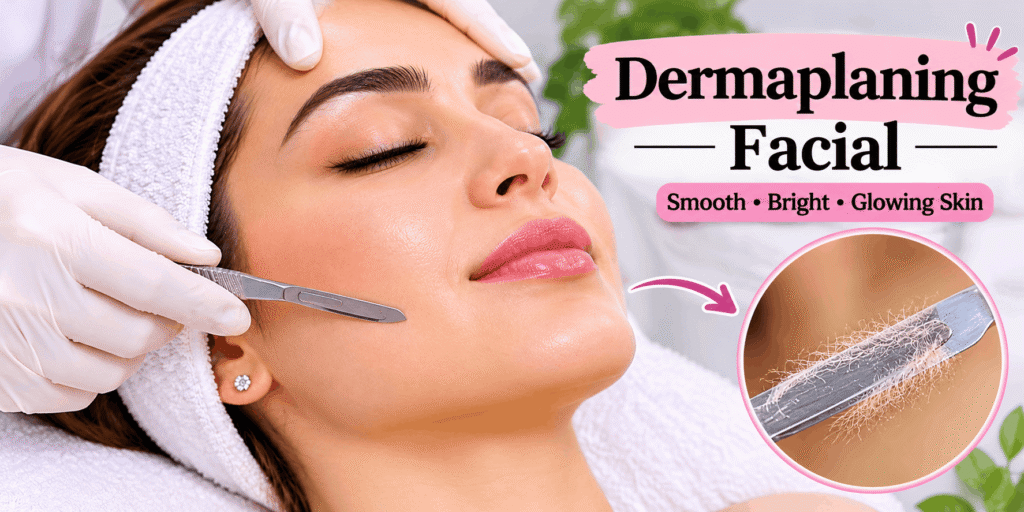
A dermaplaning facial is a non-invasive exfoliating treatment that uses a sterile surgical-grade blade to remove dead skin cells and fine vellus hair, commonly known as peach fuzz, from the surface of the facial
The treatment does not remove the deeper layers of skin or change the natural structure of hair follicles. It works primarily on the outer surface, which is why the results are generally immediate but temporary.
Dermaplaning is often included as part of a broader facial appointment. Depending on the clinic, the treatment may be followed by a hydrating mask, soothing serum, or moisturizer to help maintain skin comfort.
One reason this procedure attracts attention is its relatively straightforward approach. It does not require needles, injections, or an extended recovery period for most suitable candidates. Nevertheless, professional technique and proper hygiene are essential because the treatment involves a sharp blade touching the skin.
Why Dermaplaning Has Become a Popular Skincare Treatment
Many people want smoother skin without adding several complicated steps to their daily routine. Dermaplaning offers a simple way to remove surface buildup and fine facial hair in one appointment.
One noticeable attraction is the immediate change in skin texture. After treatment, the face may feel softer because the rough outer layer of dead cells and fine hairs has been removed.
Makeup application is another reason people consider this facial. Foundation and other complexion products may spread more evenly over freshly exfoliated skin because there is less surface hair and buildup to interfere with application.
The treatment can also improve the appearance of dullness. When dead surface cells accumulate, the complexion may look less fresh. Removing some of this buildup can create a brighter-looking appearance.
Another appealing feature is that professional dermaplaning does not use chemical exfoliating acids as its primary method. This makes it an alternative worth discussing for people who prefer physical exfoliation, although it is not automatically suitable for sensitive or reactive skin.
It is important to remember that popularity does not mean the procedure is necessary for everyone. A gentle cleansing and moisturizing routine may be sufficient for people who already have comfortable, smooth skin.
Main Benefits of a Dermaplaning Facial
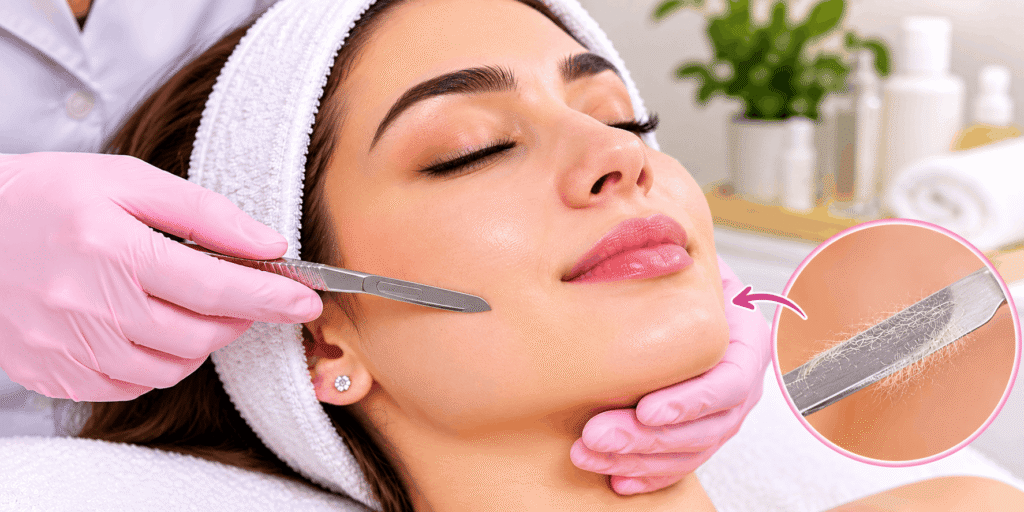
Dermaplaning facial offers several cosmetic benefits, particularly for people who want to improve the surface appearance and feel of their skin. The results depend on individual skin conditions, professional technique, and aftercare.
Smoother Skin Texture
One of the most noticeable benefits is a smoother surface. Dead skin cells can accumulate naturally as part of the skin renewal process. Dermaplaning removes some of this buildup, helping the face feel softer and more polished.
This can be especially appealing when the skin feels rough or makeup tends to settle unevenly across certain areas.
Removal of Fine Facial Hair
Fine facial hair is completely normal, but some people prefer a less noticeable appearance. Dermaplaning removes these tiny hairs from the surface, creating a temporarily smoother finish.
The procedure does not permanently eliminate hair or affect its growth pattern. New hair develops according to its natural cycle.
Brighter-Looking Complexion
Dead skin cells can make the complexion appear dull, particularly when the surface feels dry or uneven. Removing some of these cells may reveal a fresher-looking layer underneath.
The result is usually a temporary improvement in surface brightness rather than a permanent change in natural skin color.
More Even Makeup Application
Peach fuzz can sometimes make complexion products appear less uniform, especially when foundation is applied in multiple layers.
By removing fine surface hair and dead cells, dermaplaning may create a smoother base for makeup. Foundation, concealer, and tinted products can feel easier to distribute across the treated area.
However, good makeup application still depends on skin preparation, product selection, and application technique.
Improved Appearance of Surface Dryness
Dry, flaky skin can interfere with the appearance of makeup and make the face feel uneven. Dermaplaning can remove loose surface flakes, although it does not treat the underlying causes of dryness.
Following the treatment with an appropriate moisturizer helps maintain a comfortable skin barrier.
Better Surface Preparation for Skincare
After dead surface cells are removed, some topical skincare products may spread more evenly. This can make the skincare routine feel smoother and more comfortable.
However, dermaplaning does not guarantee deeper product absorption or make every active ingredient more effective. Strong skincare ingredients may actually become more irritating immediately after exfoliation.
How Does a Dermaplaning Facial Work?
A professional dermaplaning facial usually follows a structured process. Each stage helps prepare the skin, reduce unnecessary irritation, and maintain hygiene throughout the treatment.
Skin Cleansing and Preparation
The appointment generally begins with a thorough facial cleansing. Makeup, sunscreen, excess oil, and everyday impurities are removed so the professional can work on a clean surface.
The skin is then dried and examined to identify areas that may be unsuitable for treatment. Active acne, open wounds, infections, irritation, or certain inflammatory skin conditions may require avoiding dermaplaning.
A professional should also ask about your skincare products, recent treatments, and any history of skin sensitivity.
The Exfoliation Process
Once the skin is prepared, the professional uses a sterile, single-use blade or an appropriate sterile instrument designed for dermaplaning.
The blade is held at a controlled angle while the skin is gently supported. Short, careful movements remove fine facial hair and loose surface cells.
The treatment generally focuses on suitable areas such as the cheeks, forehead, chin, and jawline. Delicate areas require particular care, and the professional should avoid the eyelids, lips, and any unsuitable skin.
You may notice a light scraping sensation, but the treatment should not involve painful pressure or aggressive scraping.
Applying Soothing Skincare Products
After exfoliation, the skin may feel slightly sensitive or appear mildly pink. The professional may apply a gentle hydrating serum, soothing moisturizer, or another suitable product.
Ingredients such as glycerin, hyaluronic acid, and ceramides can help support hydration and skin comfort.
Strong exfoliating acids, retinoids, and potentially irritating products are generally avoided immediately after the procedure.
Finishing the Facial
The final stage usually involves applying moisturizer and broad-spectrum sunscreen if the treatment is performed during the day.
Because exfoliation can make the skin more sensitive to environmental exposure, sun protection is an important part of aftercare.
A professional may also provide instructions about when to resume your usual skincare products.
Who Is a Good Candidate for Dermaplaning?
Dermaplaning may suit adults who want to improve the appearance of surface texture and remove fine facial hair without using a chemical exfoliating treatment.
People with normal skin who experience mild surface roughness may appreciate the smoother feel after treatment.
Those who frequently wear foundation may also consider it because removing peach fuzz can create a more even-looking makeup base.
Individuals with dry-looking surface flakes may benefit from the removal of loose dead skin cells, provided the skin is not irritated or damaged.
However, having a particular skin type does not automatically make someone suitable. A professional assessment is important because certain conditions increase the risk of irritation or complications.
Skin Conditions That Require Extra Caution
People with active inflammatory acne, especially raised or irritated breakouts, may not be suitable candidates. Passing a blade over active lesions can cause discomfort and potentially spread bacteria across the treatment area.
Those experiencing eczema, psoriasis, rosacea flare-ups, or other inflammatory skin conditions should consult an appropriately qualified healthcare professional before considering dermaplaning.
People with cold sores around the mouth should avoid treatment in affected areas because friction can aggravate the condition.
Anyone with cuts, sunburn, infections, or a damaged skin barrier should postpone the procedure until the skin has recovered.
If you have a history of raised scars or unusual healing responses, discuss the risks with a dermatologist before treatment.
Dermaplaning Facial vs. Other Exfoliation Treatments
Choosing the right exfoliation method depends on your skin concerns and how your skin responds to different treatments. Dermaplaning is only one option among several commonly used approaches.
Dermaplaning vs. Chemical Peels
Dermaplaning uses a blade to remove fine facial hair and loose surface cells. Chemical peels use carefully selected acids to exfoliate the skin through a chemical process.
A mild chemical peel may address concerns such as uneven pigmentation, certain types of acne, and surface texture. Stronger peels can reach deeper layers and require more recovery time.
Dermaplaning does not provide the same treatment depth as medium or deep chemical peels. The two procedures serve different purposes and should not be considered interchangeable.
Dermaplaning vs. Microdermabrasion
Microdermabrasion uses a specialized device to exfoliate the outer surface of the skin through mechanical abrasion or controlled crystal-based methods.
Both treatments focus on surface exfoliation, but dermaplaning also removes fine facial hair.
Microdermabrasion does not provide the same hair-removal effect. The appropriate choice depends on your skin concerns, tolerance, and professional assessment.
Dermaplaning vs. Facial Scrubs
Traditional facial scrubs use small particles to physically exfoliate the skin through rubbing.
Dermaplaning uses a specialized blade rather than exfoliating particles. This means the technique and potential risks are different.
Scrubs can be too abrasive when used aggressively, while dermaplaning can cause cuts, irritation, or other problems if performed incorrectly.
Neither approach should involve excessive pressure. Gentle treatment and suitable aftercare are more important than how much exfoliation takes place.
What to Expect After a Dermaplaning Facial
Most suitable candidates can return to their regular activities shortly after professional dermaplaning. However, the skin may feel different during the first few hours.
Immediately after treatment, the face often feels noticeably smooth. Some people experience mild temporary redness or sensitivity, especially if their skin is naturally reactive.
The complexion may appear slightly brighter because surface buildup and fine facial hair have been removed.
Makeup can usually be resumed when the skin feels comfortable and the professional’s aftercare instructions allow it. However, giving the skin some time without heavy products is often a sensible choice.
Avoid vigorous exfoliation, unnecessary touching, and irritating skincare ingredients while the skin settles.
If you experience significant pain, persistent redness, swelling, blistering, or signs of infection, seek medical advice rather than assuming these symptoms are normal.
How to Care for Your Skin After Dermaplaning
Aftercare plays an important role in maintaining comfort and reducing the possibility of irritation. Since the procedure removes some of the outermost dead skin cells, your skin may temporarily respond more strongly to products and environmental conditions.
Start with a gentle cleanser that does not contain harsh exfoliating ingredients. Avoid products that create a strong tingling sensation or leave the skin feeling tight.
Focus on Hydration
Moisturizing is particularly important after dermaplaning. Choose a simple moisturizer containing ingredients such as glycerin, ceramides, or hyaluronic acid.
These ingredients help support hydration and maintain a comfortable skin barrier.
Avoid introducing several new skincare products immediately after the appointment. Keeping the routine simple makes it easier to identify any ingredient that causes irritation.
Protect Your Skin From Sun Exposure
Sun protection should be a regular habit, but it becomes especially important after exfoliating treatments.
Apply a broad-spectrum sunscreen with SPF 30 or higher to exposed skin. Reapply according to the product instructions, especially when spending extended periods outdoors.
Wearing a hat and seeking shade can provide additional protection.
Pause Strong Active Ingredients
Avoid immediately returning to strong exfoliating products. Glycolic acid, salicylic acid, retinoids, and other potentially irritating treatments may need to be paused temporarily.
The appropriate waiting period depends on your skin condition, the products you use, and the professional’s instructions.
Do not combine several exfoliating methods simply because your skin feels smooth after the appointment.
Avoid Excessive Heat and Friction
For the first day or as advised by your provider, avoid activities that cause excessive sweating, overheating, or friction against the treated skin.
Very hot showers, steam rooms, intense exfoliation, and rough facial cleansing tools may increase discomfort.
Let your skin settle before returning to treatments that involve strong physical or chemical exfoliation.
How Often Should You Get a Dermaplaning Facial?
Dermaplaning does not need to be performed every week. Your skin requires time to complete its natural renewal process, and frequent exfoliation may increase the possibility of irritation.
Many professional providers suggest spacing appointments approximately three to four weeks apart, although the ideal schedule depends on individual skin conditions and the provider’s assessment.
Some people may prefer less frequent appointments, especially if their skin becomes dry or sensitive easily.
The treatment schedule should also depend on your goals. Someone interested mainly in removing peach fuzz may not need the same frequency as someone seeking occasional surface exfoliation.
If your skin develops persistent dryness, redness, or sensitivity after treatment, reduce the frequency or discontinue the procedure until a professional has evaluated the issue.
Regular dermaplaning is not essential for healthy skin. It is an optional cosmetic treatment rather than a requirement for maintaining a good skincare routine.
Common Myths About Dermaplaning
Despite its popularity, dermaplaning is surrounded by several misconceptions that can make people uncertain about trying it.
One common belief is that facial hair grows back thicker or darker after shaving or dermaplaning. This is not how hair growth works. The procedure cuts hair at the surface and does not change the follicle responsible for its growth.
Another misconception is that dermaplaning permanently removes peach fuzz. The treatment only removes existing hair above the skin’s surface. New growth continues according to the natural hair cycle.
Some people also assume that the procedure eliminates acne scars, deep wrinkles, or significant pigmentation. While it may improve the appearance of surface texture temporarily, it cannot correct deeper structural skin concerns.
There is also a belief that dermaplaning is suitable for every skin type. In reality, people with active acne, infections, irritated skin, or certain inflammatory conditions may need to avoid it.
Finally, smoother skin does not mean that additional exfoliation is necessary. Combining several treatments too quickly can damage the skin barrier rather than improve the complexion.
Professional Dermaplaning vs. At-Home Dermaplaning
Dermaplaning tools are available for home use, but professional treatment and at-home facial shaving are not identical.
Professional dermaplaning is performed by a trained provider using appropriate instruments, controlled techniques, and hygiene procedures. The skin is assessed before treatment, and unsuitable areas can be avoided.
At-home tools are generally designed for personal grooming and surface hair removal. They may provide a smoother feel, but they do not necessarily offer the same level of exfoliation or precision as professional equipment.
Advantages of Professional Treatment
A trained professional can examine your skin and determine whether dermaplaning is appropriate. They can also identify active breakouts, irritation, and other conditions that may increase treatment risks.
Professional technique helps reduce unnecessary pressure and improves control over the instrument.
Another advantage is access to suitable post-treatment skincare and guidance about when to resume your normal routine.
Things to Consider Before Trying It at Home
Home dermaplaning carries risks, particularly when people use unsuitable blades, share tools, or apply excessive pressure.
Never use a household razor or an improvised sharp instrument for facial exfoliation. Tools should be specifically designed for their intended use, kept clean, and never shared.
Avoid attempting the procedure over active acne, cuts, irritated skin, or areas with infections.
If you are uncertain about the correct technique or your skin’s suitability, professional treatment is a safer starting point.
Possible Side Effects and Risks of Dermaplaning
Although dermaplaning is generally considered a relatively low-intensity cosmetic procedure when performed correctly on suitable skin, it is not completely risk-free.
Temporary redness and mild sensitivity are among the possible reactions. These effects usually settle, but prolonged irritation should not be ignored.
Small cuts or abrasions can occur if the blade is handled incorrectly. Poor hygiene may also increase the risk of infection.
Some people experience dryness or irritation after treatment, particularly when they use strong skincare ingredients too soon.
People prone to cold sores should discuss their history with a professional because treatment around an active or vulnerable area may trigger problems.
Another concern is post-inflammatory hyperpigmentation. Skin irritation or injury can sometimes leave darker marks, particularly in people who are more prone to pigmentation changes.
A qualified provider should assess your skin before treatment and explain the possible risks based on your individual circumstances.
How to Choose the Right Dermaplaning Professional
The person performing your dermaplaning facial can make a significant difference to the experience and safety of the procedure.
Look for a properly trained and qualified skincare professional who understands facial anatomy, skin conditions, hygiene, and exfoliation techniques. Depending on local regulations, dermaplaning may be restricted to certain licensed professionals.
Ask whether sterile, single-use blades or properly sterilized instruments are used. Equipment hygiene should never be overlooked when choosing a clinic.
A professional should also ask about your skincare history, current products, allergies, previous treatments, and existing skin concerns.
Do not hesitate to ask how the treatment will be performed and what aftercare is recommended.
Be cautious of clinics promising permanent hair removal, complete scar removal, or dramatic anti-aging results from a single dermaplaning session. These claims do not accurately describe what the treatment can achieve.
A responsible provider will explain both the benefits and limitations before recommending the procedure.
Final Thoughts
A dermaplaning facial can be a useful option for people who want smoother skin, temporary removal of fine facial hair, and a fresher-looking complexion. Its straightforward exfoliation technique makes it an appealing choice for those who prefer a treatment without chemical peeling as the primary method.
However, the best results depend on selecting a suitable professional, understanding your skin’s needs, and following appropriate aftercare. It is not a permanent solution for unwanted hair, deep wrinkles, acne scars, or every type of uneven skin texture.
Healthy skincare does not require constant exfoliation or expensive treatments. A gentle cleanser, suitable moisturizer, daily sunscreen, and consistent habits remain the foundation of good skin maintenance.
If you are considering dermaplaning, consult a qualified professional to determine whether it is appropriate for your skin. A thoughtful approach can help you enjoy the cosmetic benefits while keeping your skin comfortable and protected.
2 Comments