
A designer handbag is more than an accessory for carrying everyday essentials. It can become a defining part of a personal style, bringing together craftsmanship, thoughtful design, practicality, and individuality. Whether someone prefers understated elegance, modern silhouettes, or eye-catching statement pieces, the right handbag can make an outfit feel more complete without requiring an entirely new wardrobe.
However, choosing a designer bag involves more than recognizing a famous logo or following the latest fashion trend. Materials, construction, proportions, functionality, and personal preferences all influence whether a handbag is worth adding to a collection. Some designs are created for everyday use, while others are better suited to special occasions or carefully styled outfits.
From understanding different handbag styles to recognizing quality materials and making smarter purchasing decisions, knowing what to look for can help you find a piece that feels beautiful and useful for years.
Understanding What Makes Designer Handbags Special
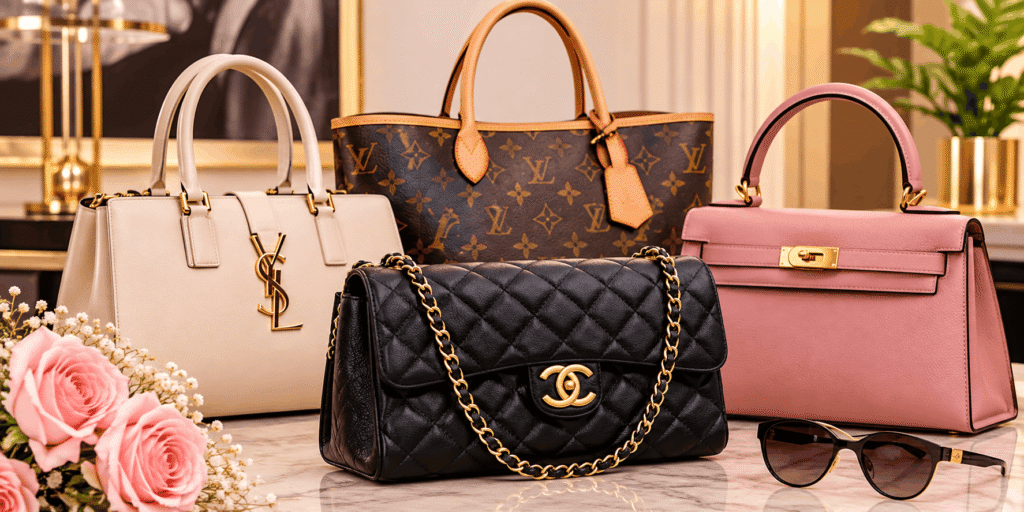
The appeal of designer handbags comes from the attention given to their overall construction and appearance. Unlike accessories selected purely for their decorative value, well-made designer pieces often combine carefully considered details with practical features.
The quality of a handbag depends on several elements, including its material, stitching, hardware, shape, lining, and finishing. Even a simple-looking bag can require considerable attention during production to achieve a balanced and polished result.
Another important factor is design consistency. Established fashion houses often develop recognizable visual details that make their accessories distinctive. These might include particular closures, handle shapes, decorative patterns, or carefully positioned branding.
Nevertheless, an expensive label does not automatically guarantee that a handbag will suit everyone’s needs. A beautiful piece should also fit comfortably into the owner’s lifestyle, wardrobe, and preferred way of dressing.
Popular Designer Handbag Styles Worth Knowing
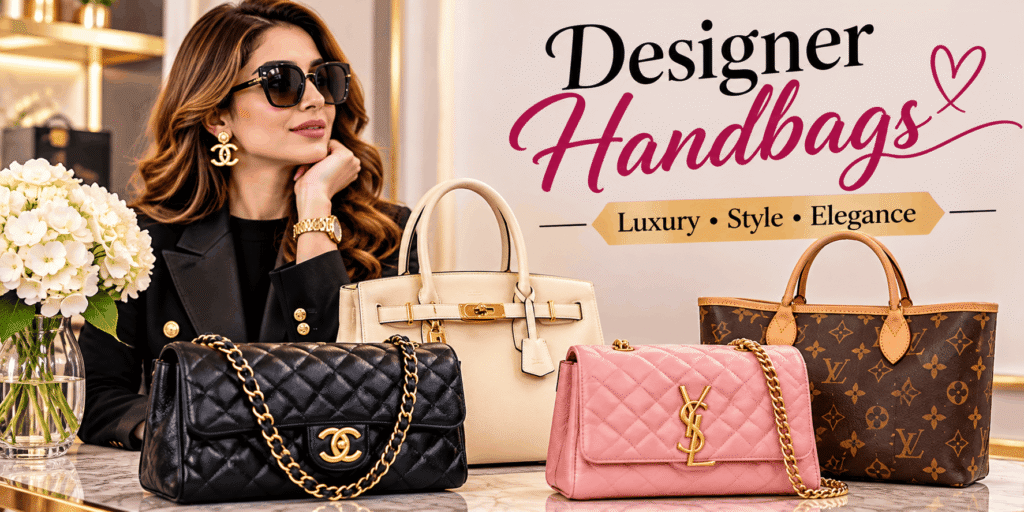
Designer handbags come in countless shapes and sizes, but certain designs remain particularly popular because they offer a useful combination of appearance and functionality. Understanding these styles makes it easier to identify which silhouettes deserve consideration.
Structured Handbags for a Refined Appearance
Structured handbags feature defined edges, firm panels, and carefully maintained shapes. Their polished appearance makes them suitable for professional environments, formal gatherings, and everyday outfits that benefit from a more organized finish.
These bags generally maintain their original silhouette even when carrying a few personal belongings. Their firm construction can also make it easier to organize items, especially when the interior includes separate compartments.
A structured handbag works particularly well with tailored trousers, blazers, fitted dresses, and coordinated outfits. Neutral colors such as beige, brown, cream, and navy offer additional versatility.
Shoulder Bags for Everyday Styling
Shoulder bags are among the most practical handbag designs because they allow comfortable carrying without requiring constant attention. Their straps usually rest naturally on the shoulder, leaving both hands relatively free.
Depending on the design, a shoulder bag can feature a compact profile or a spacious interior. Smaller versions work well for casual outings, while larger silhouettes can accommodate everyday essentials such as a wallet, phone, sunglasses, and makeup products.
Their versatility is another reason they remain popular. A leather shoulder bag can complement jeans and a simple top just as easily as it can accompany a more polished outfit.
Crossbody Bags for Convenience
Crossbody handbags are designed with longer straps that allow the bag to rest across the body. This arrangement distributes some of the carrying weight and provides convenient access to personal belongings.
They are especially useful during shopping trips, travel, outdoor activities, and busy days when carrying a handbag by hand becomes inconvenient.
Many luxury fashion brands offer crossbody styles with adjustable straps, removable details, and secure closures. These features make the bags adaptable to different heights and styling preferences.
For someone who values convenience, a medium-sized crossbody bag can be a particularly worthwhile addition to a handbag collection.
Tote Bags for Spacious Storage
Tote bags are recognized for their open interiors, larger dimensions, and comfortable handles. They are suitable for people who regularly carry several belongings throughout the day.
Depending on their construction, totes can accommodate notebooks, tablets, cosmetic pouches, water bottles, and other personal essentials. Some designs also include zipped compartments that help prevent smaller items from becoming difficult to find.
Leather totes often create a more sophisticated impression, while canvas versions offer a relaxed alternative for casual occasions.
When selecting a tote, pay attention to handle strength, interior organization, and the overall weight of the bag. A spacious design is only useful when it remains comfortable to carry.
Mini Handbags for Minimalist Outfits
Mini handbags have become a recognizable part of contemporary fashion. Their compact dimensions create a distinctive appearance while encouraging a more selective approach to everyday belongings.
These bags usually provide enough room for a few essentials, such as a phone, keys, cards, and lip balm. Although they may not replace a full-sized everyday handbag, they can be excellent companions for dinners, parties, and short outings.
Their smaller proportions also make them interesting styling accessories. A brightly colored mini bag can introduce contrast into a neutral outfit, while a simple leather version can create an understated finish.
Top-Handle Bags for Classic Elegance
Top-handle handbags feature one or two handles positioned at the top, allowing the bag to be carried by hand or sometimes over the forearm.
Their appearance often feels more formal than that of casual shoulder bags. This makes them suitable for office wear, celebrations, business meetings, and occasions where a refined accessory is desirable.
Some designs include detachable shoulder straps, offering additional carrying flexibility.
A top-handle bag in a timeless shade can remain useful across multiple seasons because its appeal does not depend heavily on short-lived fashion trends.
Recognizing Quality Materials and Craftsmanship
The material used in a handbag has a major influence on its appearance, durability, weight, and maintenance requirements. Two bags with similar silhouettes can feel completely different depending on the materials selected during production.
Understanding these differences can help shoppers make more informed purchasing decisions.
Full-Grain and Top-Grain Leather
Leather remains one of the most recognizable materials in premium handbag production. However, not all leather types have identical characteristics.
Full-grain leather retains the natural outer surface of the hide. It often displays subtle variations in texture and can develop a distinctive appearance as it ages. With appropriate care, it can remain attractive for many years.
Top-grain leather has its outer surface lightly processed to create a more consistent finish. It generally offers a smoother appearance and is commonly used in polished handbag designs.
Both materials can produce attractive and durable accessories. The better option depends on personal preferences, intended use, and the manufacturer’s construction standards.
Suede for a Softer Finish
Suede is known for its velvety texture and softer visual appearance. It creates an interesting contrast against smooth leather and can make a handbag feel more relaxed while remaining elegant.
However, suede usually requires more careful maintenance. Water, dust, and oily marks can affect its appearance, making protective treatments and suitable cleaning tools particularly useful.
Suede handbags are especially appealing during cooler seasons when their texture complements knitwear, coats, and boots.
Canvas and Fabric Options
Not every designer handbag needs to be made from leather. Canvas and other durable fabrics offer lightweight alternatives that can work particularly well for casual accessories.
Printed canvas designs often feature recognizable patterns, decorative motifs, or contrasting leather details. Their relaxed appearance makes them suitable for everyday outfits, weekend activities, and travel.
Fabric quality matters just as much as appearance. Strong weaving, reinforced corners, and well-finished seams contribute to a bag’s ability to withstand regular use.
Hardware and Stitching Details
Small construction details often reveal a great deal about a handbag’s quality.
Closures should operate smoothly without feeling excessively loose. Zippers should move consistently, while clasps and buckles should feel secure. Metal finishes should appear even, without obvious discoloration or rough edges.
Stitching deserves similar attention. Look for consistent spacing, secure thread ends, and clean alignment around handles, corners, and seams.
The lining is another detail worth examining. A properly finished interior improves the overall experience and helps the handbag feel complete rather than simply attractive from the outside.
Designer Handbags That Complement Different Personal Styles
Personal style plays an important role when selecting a handbag. A design that looks impressive in a fashion campaign might not feel appropriate for someone’s everyday wardrobe.
Instead of choosing an accessory solely because it is popular, consider how its shape, color, and overall personality fit the clothes already being worn.
For Minimalist Fashion Lovers
People who appreciate minimalist fashion often prefer clean silhouettes, restrained branding, and uncomplicated color combinations.
A structured shoulder bag, simple tote, or compact crossbody in black, cream, taupe, or chocolate brown can work particularly well.
These designs complement clothing built around quality basics, including straight-leg trousers, neutral shirts, tailored jackets, and simple dresses.
The main idea is to select a handbag that contributes to the outfit without competing for attention.
For Bold and Expressive Dressers
Those who enjoy experimenting with fashion may prefer handbags that introduce color, texture, or unusual proportions.
Bright red, cobalt blue, metallic finishes, animal-inspired patterns, and sculptural silhouettes can transform otherwise simple outfits.
For example, a vivid handbag can bring personality to a white shirt and denim combination. Similarly, a textured statement bag can add interest to a monochromatic outfit.
When choosing a more expressive design, consider whether it offers enough styling flexibility to justify its place in the wardrobe.
For Professional and Office Wear
Office handbags need to balance appearance with everyday functionality. A polished tote, structured satchel, or medium-sized top-handle design can be a practical choice.
Look for enough interior space to accommodate commonly used items without making the bag unnecessarily bulky.
Neutral shades are particularly useful because they complement different work outfits. Dark brown, burgundy, navy, and soft beige can all create a professional appearance.
Comfortable handles and secure compartments are equally important, especially for people who carry their bags throughout the working day.
For Casual and Relaxed Outfits
Casual dressing often benefits from handbags that feel comfortable and effortless.
Soft leather shoulder bags, compact crossbody styles, and relaxed totes work naturally with jeans, sneakers, oversized shirts, and simple knitwear.
A bag does not have to look formal to feel luxurious. Sometimes, a carefully designed everyday accessory creates a more natural impression than an overly decorative piece.
Choosing the Right Handbag Color
Color can determine how frequently a handbag becomes part of an everyday outfit. While personal preference should always come first, certain shades provide more styling opportunities than others.
Neutral Shades for Long-Term Versatility
Black remains a reliable option because it complements a wide range of clothing colors. It works with professional outfits, evening looks, and casual combinations.
Brown offers a softer alternative. From caramel and cognac to deep chocolate, brown handbags can introduce warmth into an outfit.
Beige and cream create a lighter appearance that works particularly well with spring and summer clothing. However, lighter materials may require more frequent cleaning.
Gray is another useful option for people who prefer understated accessories without choosing traditional black.
Rich Colors for Added Character
Burgundy, forest green, navy, and deep plum can provide visual interest without feeling excessively bright.
These shades work especially well when paired with neutral clothing. A burgundy shoulder bag, for example, can complement beige trousers, a cream sweater, and brown shoes.
Rich colors can also help create a more individual handbag collection without relying entirely on statement designs.
Bright Colors for Seasonal Styling
Yellow, orange, pink, turquoise, and vivid red are attractive options for people who enjoy noticeable accessories.
They can make simple outfits feel more energetic and are particularly effective when used as the main accent color.
However, a colorful handbag does not need to match every clothing item. Sometimes, allowing it to stand apart creates a more interesting overall appearance.
How to Choose a Designer Handbag That Fits Your Lifestyle
A handbag should support the way someone actually lives. Its appearance may attract attention initially, but everyday comfort and usability determine whether it becomes a regular favorite.
Before making a purchase, think about how the bag will be used.
Someone who spends most of the day outside may benefit from a lightweight crossbody design. A person who works in an office might prefer a spacious tote with separate compartments.
For occasional events, a mini bag or elegant clutch may be more appropriate.
It is also important to consider how much the handbag will weigh when empty. Some heavily structured designs can become uncomfortable after carrying personal belongings for several hours.
The strap length, handle placement, closure system, and opening width can also influence convenience.
A bag that looks beautiful but is difficult to open or uncomfortable to carry may spend more time sitting in a wardrobe than being used.
Designer Handbags for Different Occasions
Different occasions call for different handbag characteristics. Choosing an appropriate size and silhouette can help an outfit feel more coordinated.
Everyday Errands and Shopping
For regular activities, practical designs usually work best. Crossbody bags, medium-sized shoulder bags, and lightweight totes provide enough flexibility for carrying daily essentials.
Choose a design with secure compartments and comfortable straps, particularly if the bag will be carried for several hours.
Formal Events and Evening Gatherings
Evening occasions generally suit smaller and more refined handbags.
A compact clutch, mini top-handle bag, or delicate shoulder design can complement dresses, tailored outfits, and formal footwear.
Metallic accents, subtle embellishments, and interesting textures can introduce a little personality without making the accessory appear overwhelming.
Travel and Weekend Trips
Travel handbags should offer convenience, reliable construction, and enough room for frequently used belongings.
Crossbody designs are useful when exploring unfamiliar places because they keep essential items close. A larger tote can also be helpful for carrying travel documents, headphones, and other necessities.
Look for secure closures, adjustable straps, and easy-to-clean materials.
Business Meetings and Professional Events
For business settings, structured silhouettes often create a polished impression.
A medium-sized satchel or leather tote can accommodate everyday work essentials while maintaining a professional appearance.
Avoid choosing a bag that becomes excessively heavy or difficult to organize when filled with documents and personal items.
How to Build a Versatile Handbag Collection
Building a handbag collection does not require purchasing dozens of expensive accessories. A thoughtful selection of complementary designs can provide more styling possibilities than a wardrobe filled with similar-looking bags.
Start by identifying the situations in which a handbag is needed most frequently.
An everyday shoulder bag can serve as the foundation. A spacious tote can provide additional storage for work or travel, while a smaller crossbody can handle outings when carrying fewer belongings.
After establishing these practical options, consider adding a statement design.
This could be a brightly colored mini bag, a textured evening accessory, or an unusual silhouette that reflects personal taste.
The advantage of building a collection gradually is that every purchase can serve a clear purpose. It also reduces the likelihood of buying accessories that look appealing temporarily but rarely complement existing outfits.
Famous Fashion Houses Known for Designer Handbags
Several established fashion houses have influenced handbag design through recognizable silhouettes, signature details, and distinctive approaches to craftsmanship.
Their collections cover different aesthetic preferences, ranging from traditional luxury to contemporary statement fashion.
Chanel
Chanel is widely recognized for its quilted handbag designs, chain straps, and interlocking double-C emblem.
Its handbags often combine traditional styling with recognizable decorative details. The brand’s classic-inspired designs appeal to people who appreciate elegant accessories with a strong fashion identity.
Louis Vuitton
Louis Vuitton is particularly known for its monogram canvas and travel-inspired heritage.
Its handbag collections include recognizable printed designs, leather accessories, and contemporary silhouettes. The brand offers options for people who enjoy distinctive patterns as well as more understated leather pieces.
Gucci
Gucci is known for combining traditional Italian design influences with expressive contemporary fashion.
Its handbags frequently incorporate recognizable hardware, decorative details, textured materials, and distinctive branding.
The collection includes both statement accessories and designs with a more restrained appearance.
Prada
Prada has developed a reputation for modern silhouettes and distinctive material choices.
Its handbag designs range from polished leather pieces to nylon accessories with a more casual character.
People who prefer contemporary fashion and relatively clean shapes may find its aesthetic particularly appealing.
Dior
Dior is recognized for elegant handbag silhouettes, decorative craftsmanship, and distinctive design details.
Its collections often combine feminine styling with structured shapes and recognizable branding.
Hermès
Hermès is particularly associated with leather craftsmanship and carefully constructed handbags.
Its iconic designs are often discussed in connection with traditional luxury, exclusivity, and detailed production standards.
Each fashion house has its own design identity, so the right choice ultimately depends on individual preferences rather than brand popularity alone.
Smart Tips for Buying Authentic Designer Handbags
Purchasing a designer handbag requires careful attention, especially when shopping online or considering pre-owned accessories.
The popularity of luxury fashion has created a market where counterfeit products can sometimes look convincing in photographs. A few careful checks can help reduce the risk of an unpleasant purchase.
Buy From Reliable Retailers
Whenever possible, purchase directly from a brand’s official store or an authorized retail partner.
Established retailers generally provide clearer information about product specifications, return policies, and customer support.
When shopping through online marketplaces, investigate the seller’s reputation before completing an order.
Examine Product Details Carefully
Authentic designer handbags should have construction and finishing consistent with the manufacturer’s standards.
Examine photographs of the stitching, hardware, lining, logo placement, handles, and interior details.
Be cautious when a seller provides only a few unclear images or avoids answering reasonable questions about the product.
Understand Authentication Information
Some luxury handbags include product codes, serial details, authenticity documentation, or other identifying features.
However, these details vary between brands and models. A number or card alone should never be treated as conclusive proof of authenticity.
For expensive pre-owned purchases, an independent professional authentication service can provide additional reassurance.
Be Careful With Unusually Low Prices
A luxury handbag offered at a dramatically reduced price deserves extra attention.
There are legitimate reasons for price differences, particularly in the pre-owned market, but unusually attractive offers can also be associated with counterfeit products or misleading listings.
Compare the seller’s price with established retailers and reputable resale platforms before making a decision.
Are Pre-Owned Designer Handbags Worth Considering?
Pre-owned designer handbags can be an attractive alternative for people who want access to established luxury designs without paying the full price of a new item.
The resale market also provides opportunities to discover older collections, discontinued colors, and distinctive designs that may no longer be available through traditional retail channels.
Some carefully maintained handbags remain visually appealing for many years, making pre-owned shopping worth exploring.
However, the condition of the individual item matters considerably.
Before purchasing, check the corners, handles, interior lining, zipper, hardware, and leather surface. Pay attention to scratches, stains, unusual odors, and signs of previous repairs.
Ask for clear photographs of any damaged areas rather than relying on general descriptions such as excellent condition.
It is also useful to review the seller’s return policy and authentication process.
A well-maintained pre-owned handbag can offer excellent value, but the purchase should be based on verified condition and authenticity rather than the assumption that every older luxury bag is automatically a good investment.
How to Care for Designer Handbags
Proper maintenance helps preserve a handbag’s appearance and reduces unnecessary wear. Even durable materials can become damaged when exposed to unsuitable storage conditions or rough handling.
Store Bags Properly
When a handbag is not being used, place it in a clean dust bag and keep it somewhere dry.
Avoid storing accessories in direct sunlight or areas exposed to excessive heat and humidity.
For structured handbags, gently filling the interior with acid-free tissue paper can help maintain their original shape. Avoid overfilling, as excessive pressure can stretch the material.
Clean According to the Material
Different materials require different cleaning methods.
Smooth leather can generally be maintained with a soft, dry cloth and suitable leather-care products. Suede usually benefits from a specialized brush designed to lift its surface texture.
Canvas and fabric bags may require more cautious cleaning depending on their construction.
Always follow the manufacturer’s care recommendations and test suitable products on an inconspicuous area before applying them more widely.
Protect Against Moisture
Rain and accidental spills can affect certain handbag materials.
If a leather bag becomes wet, gently remove surface moisture with a clean cloth and allow it to dry naturally.
Do not place it near a heater or use direct heat to speed up the process.
For suede and other delicate materials, specialized protective products may help reduce the impact of everyday exposure.
Avoid Excessive Weight
Carrying too many belongings can place unnecessary pressure on handles, straps, and seams.
Remove items that are not needed and avoid using a compact handbag as a substitute for a heavy everyday tote.
This simple habit can help preserve the bag’s original shape and reduce stress on its construction.
Handle Hardware With Care
Metal closures, buckles, and decorative elements can develop scratches or discoloration through repeated contact with hard surfaces.
Keep hardware away from sharp objects and avoid placing the handbag directly on rough floors.
Regularly checking handles and closures can also help identify small problems before they become more noticeable.
Common Mistakes to Avoid When Shopping for Designer Handbags
Buying a luxury accessory can be exciting, but making a decision too quickly can result in an expensive purchase that does not meet expectations.
One common mistake is choosing a handbag only because it is trending. Fashion trends change frequently, and a design that receives considerable attention today may not remain appealing forever.
Another mistake is overlooking practicality. A beautiful mini handbag might be unsuitable for someone who regularly carries a tablet, notebook, and several everyday essentials.
Ignoring material maintenance is another issue. Delicate suede, light-colored leather, and heavily embellished designs may require more attention than expected.
Some shoppers also focus entirely on the exterior appearance while ignoring the interior. Poor organization, uncomfortable straps, and difficult closures can reduce everyday convenience.
Finally, buying without checking authenticity can create unnecessary financial risks. Always investigate the retailer, product information, and return conditions before completing an expensive purchase.
Are Designer Handbags a Good Long-Term Purchase?
Whether a designer handbag represents a worthwhile long-term purchase depends on how it is used, maintained, and valued by its owner.
A well-constructed handbag in a versatile design may remain useful for years. This can make it a satisfying purchase for someone who regularly enjoys wearing it.
However, designer handbags should not automatically be considered financial investments.
Although certain highly sought-after models from established fashion houses may retain significant resale value, this is not guaranteed. Market demand, condition, availability, brand reputation, and changing fashion preferences all influence resale prices.
A handbag purchased for personal enjoyment should ideally be worth owning even if its resale value never increases.
Instead of buying with the expectation of making a profit, consider whether the material, design, comfort, and craftsmanship justify the asking price.
This approach creates more realistic expectations and makes it easier to appreciate the handbag for what it actually offers.
Final Thoughts
Designer handbags bring together fashion, craftsmanship, and personal expression in a way that makes them much more than ordinary accessories. From spacious totes and practical crossbody designs to elegant top-handle bags and compact evening pieces, there is a wide range of styles suited to different wardrobes and lifestyles.
The most satisfying purchase is not necessarily the most expensive or recognizable option. It is the handbag that feels comfortable, offers useful functionality, complements existing outfits, and reflects individual taste.
By paying attention to materials, construction, authenticity, and proper maintenance, shoppers can make more confident decisions and enjoy their accessories for longer.
A thoughtfully selected handbag can become a reliable part of everyday dressing while adding a distinctive finishing touch to both simple and sophisticated outfits


One Comment