
Some shoes complete an outfit, while others become the reason people notice it in the first place. Tabi flats belong to the second category. Recognized by their distinctive split-toe shape, these shoes look different from traditional ballet flats, loafers, and everyday slip-ons. Their unusual design can make even the simplest outfit feel more considered, giving them a special place in contemporary fashion.
At first glance, tabi flats might seem difficult to style. Their divided toe creates a silhouette that some people immediately love and others need time to appreciate. Yet that same detail is what makes them memorable. They can look minimalist, artistic, elegant, or slightly rebellious depending on their material, color, and the clothes worn with them.
These shoes also have a story that goes beyond current fashion trends. Their shape draws inspiration from traditional Japanese tabi footwear, while modern designers have reinterpreted the split-toe concept for contemporary wardrobes. Today, tabi-inspired flats appear in leather, suede, fabric, and other materials, offering options for people who want something more distinctive than ordinary everyday shoes.
Whether you have already fallen in love with their unusual appearance or are simply curious about how to wear them, understanding their design, fit, and styling possibilities can help you decide whether tabi flats deserve a place in your wardrobe.
What Are Tabi Flats, and Why Do They Look Different?
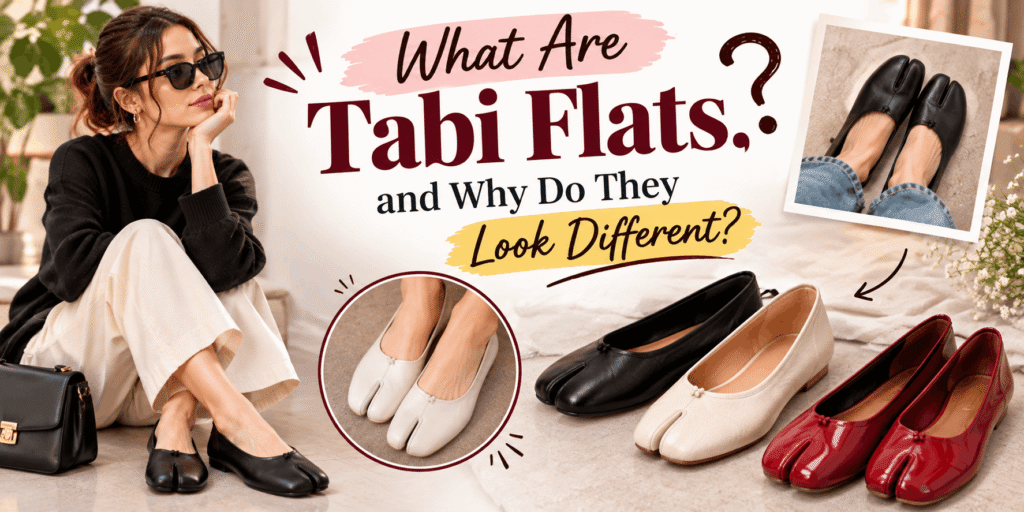
Tabi flats are flat or low-heeled shoes featuring a split-toe design. Instead of allowing all the toes to sit together inside one conventional shoe-shaped front, the design separates the big toe from the remaining toes. This creates the distinctive outline that immediately sets tabi footwear apart.
The concept comes from traditional Japanese tabi, which are divided-toe socks historically worn with certain types of footwear. Traditional tabi footwear has a long cultural history, but contemporary fashion versions have transformed the recognizable shape into a modern design statement.
One of the most influential interpretations came from the fashion house Maison Margiela, whose Tabi footwear helped introduce the split-toe silhouette to a wider international fashion audience. Since then, designers and footwear brands have explored different versions of the concept, including flats, boots, sandals, and other shoe styles.
Tabi flats are particularly appealing because they combine an unusual shape with the practicality of a flat shoe. Depending on their construction, they can be suitable for everyday outfits, creative workplaces, casual gatherings, and occasions where you want your footwear to add personality without relying on a high heel.
Their appearance is not the only thing that distinguishes them. The split-toe structure can change how the front of the shoe fits, so finding the right shape is important. Some versions have a rounded, soft appearance, while others feature a more sculptural outline that makes the toe division especially noticeable.
The Difference Between Traditional Tabi and Modern Tabi Flats
Traditional tabi are divided-toe socks, while modern tabi flats are actual shoes designed around the same distinctive toe separation. Although they share a visual inspiration, they serve different purposes and are made using different construction methods.
Traditional Japanese tabi footwear is connected to cultural practices and historical dress. Modern tabi flats, by contrast, are part of contemporary footwear fashion. They may be crafted from leather, suede, synthetic materials, or textiles, with different soles and fastening methods.
This distinction matters because the modern fashion version is not simply a traditional shoe copied into a new material. It is a reinterpretation of a recognizable design feature for present-day styling.
Some modern pairs look understated enough to wear with everyday basics, while others are intentionally dramatic. The range means you can choose a design that suits your personal taste rather than feeling that every pair must create the same bold effect.
Why Tabi Flats Have Become a Fashion Favorite
Fashion often moves between familiar shapes and unexpected details. Tabi flats bring these two ideas together by combining the practical outline of a flat shoe with a toe design that immediately catches the eye.
One reason people are drawn to them is that they offer a different way to express personal style. You can wear a simple outfit consisting of straight-leg trousers, a plain top, and a jacket, then introduce tabi flats as the defining detail. The shoes create interest without requiring bright colors, elaborate prints, or multiple accessories.
Their versatility also contributes to their appeal. Although the split toe may look unusual, the overall shape can work with many wardrobe staples. Black leather pairs can complement tailored clothing, while softer suede versions may suit relaxed outfits. Neutral shades can blend into an outfit, whereas metallic finishes or vivid colors make the footwear more noticeable.
Another reason for their popularity is their relationship with minimalist fashion. Minimalism does not necessarily mean wearing completely ordinary clothing. Sometimes, one unusual detail creates more impact than an outfit filled with competing trends. Tabi flats fit this approach because their shape does much of the visual work.
They can also appeal to people who enjoy fashion with a sense of history. The design connects contemporary footwear with an older tradition while presenting it in a new context. That connection gives the shoes a story beyond their appearance.
Still, tabi flats are not a universal preference, and they do not need to be. Their distinctive toe shape is part of their identity. If you enjoy footwear that feels individual rather than predictable, they may be worth exploring. If you prefer traditional shoe silhouettes, a more conventional flat may suit you better.
How to Choose Tabi Flats That Suit Your Style
The best pair of tabi flats is not necessarily the most expensive, the most recognizable, or the one receiving the most attention online. It is the pair that fits comfortably, suits your wardrobe, and feels natural when you wear it.
Start by considering the material. Leather tabi flats often have a polished appearance and can work well with tailored clothing. Depending on the leather and construction, they may soften with wear, although you should never assume that a shoe that feels painfully tight will eventually become comfortable.
Suede creates a softer visual effect. It can look particularly attractive with denim, knitwear, relaxed trousers, and other textured fabrics. However, suede generally requires more careful maintenance because moisture and stains can affect its surface.
Fabric versions may feel lighter and create a more casual appearance. Their suitability for regular use depends on the quality of the material, the sole, and the overall construction. If you plan to walk frequently, inspect these details rather than choosing based on appearance alone.
Next, consider the toe shape. Some tabi flats have a subtle split that becomes more apparent when viewed closely. Others emphasize the separation with a pronounced, rounded front. The difference can influence how dramatic the shoes look with your usual outfits.
Color is another important decision. Black is an easy starting point because it works with a wide range of clothing. Brown, beige, and cream can create a softer appearance, while burgundy or metallic shades can add a more expressive touch.
Finally, think about how often you will wear them. If you want an everyday pair, prioritize comfort, durable construction, and a color that coordinates with several outfits. If you are buying them mainly for special occasions or fashion-focused looks, you may have more freedom to experiment with unusual finishes.
Getting the Fit Right
Tabi flats deserve a careful fitting because their split-toe construction may feel different from conventional footwear. The big toe should sit comfortably in its designated section without being squeezed, while the remaining toes should have enough room to rest naturally.
Pay attention to the width of the shoe, especially across the front. If the material presses against your toes or the split feels restrictive, try another size or shape rather than assuming you will adjust to discomfort.
The heel should remain reasonably secure as you walk. Excessive slipping can make the shoes difficult to control, while a tight heel may cause rubbing. Walk around the store or your home, if the return policy allows, to check how the shoes behave during normal movement.
Also consider the sole. A flexible sole may feel more natural for casual walking, while a firmer construction can provide a different sense of support. Neither is automatically superior; the right choice depends on the shoe design and your needs.
Remember that the split-toe appearance alone does not make a shoe anatomically comfortable. Individual foot shapes vary, and the construction of each pair matters. If the design creates persistent pressure or pain, it is better to choose a different model.
Stylish Ways to Wear Tabi Flats
Tabi flats can seem challenging to style until you stop treating their unusual shape as a problem that needs to be hidden. Instead, consider them a distinctive accessory that can work with familiar clothing. The aim is not to make every outfit revolve around the shoes, but to create a combination where their shape feels intentional.
With Straight-Leg Jeans
Straight-leg jeans are one of the easiest partners for tabi flats. Their clean outline allows the shoes to remain visible without creating too much volume around the ankle.
Try blue denim with black tabi flats and a white T-shirt for a simple daytime outfit. Add a leather jacket or structured blazer if you want a sharper finish. For a softer look, choose cream or brown flats with light-wash jeans and a knit top.
The hem matters. Jeans that bunch heavily around the shoe can hide its distinctive shape and make the outfit look less polished. A hem that falls neatly near the ankle usually works well, although the ideal length depends on the cut and the shoes.
You can also wear cropped straight-leg jeans if you want the split-toe design to be more visible. Keep the rest of the outfit simple if you prefer a clean, understated appearance.
With Tailored Trousers
Pairing tabi flats with tailored trousers creates an interesting balance between traditional dressing and contemporary design. The trousers provide structure, while the shoes introduce a subtle sense of experimentation.
Black flats with charcoal trousers create a restrained combination suitable for many smart-casual environments. Beige trousers with dark brown flats offer a warmer alternative, while navy trousers can work with black, burgundy, or cream footwear.
A tucked-in shirt, fitted knit top, or relaxed blazer can complete the outfit. If your trousers have a wide leg, pay attention to their length so the shoes do not disappear completely beneath the fabric.
For a more relaxed interpretation, try pleated trousers with a simple T-shirt and tabi flats. This combination works particularly well when the trousers have a natural drape and the top does not overwhelm the overall silhouette.
With Dresses and Skirts
Tabi flats can look especially interesting with dresses and skirts because they introduce an unexpected detail beneath softer shapes.
A simple midi dress allows the shoes to stand out without competing with elaborate clothing. Choose a neutral dress for a minimalist result or use a patterned dress if you enjoy a more expressive style.
For skirts, consider the relationship between the hemline and the shoe. A straight skirt can create a clean silhouette, while a flowing skirt introduces movement. A denim skirt, simple top, and tabi flats can also create an easy casual outfit.
If you want the shoes to feel more noticeable, choose a hemline that leaves enough space around the ankle. However, there is no need to expose the entire shoe in every outfit. The best combination is the one that feels balanced and comfortable to you.
With Wide-Leg Pants
Wide-leg trousers and tabi flats can create a relaxed, contemporary silhouette. The trousers add movement, while the shoes provide a small but distinctive detail near the ground.
For this combination, consider the length carefully. Trousers that drag on the floor can damage the hem and conceal the shoes. A properly adjusted length helps the outfit look deliberate.
You can combine black flats with grey wide-leg trousers and a fitted top, or wear cream shoes with beige trousers and a loose shirt. If both the top and trousers are oversized, a tucked-in section or shorter layer can help create definition.
The goal is not to follow a strict rule about proportions. Instead, experiment with different combinations until the overall outline looks the way you want.
With Socks for a Layered Look
Depending on their construction, some tabi flats can be worn with split-toe socks designed for the shape. This creates a distinctive layered appearance and may provide an additional barrier between the foot and the shoe.
The socks must fit comfortably without bunching inside the footwear. Ordinary socks may not work with every split-toe design, so check the shoe’s construction before purchasing specialized pairs.
For a subtle look, choose socks in a color close to the shoes or trousers. If you enjoy more expressive styling, a contrasting shade can make the split-toe detail even more noticeable.
Sock styling is a matter of personal preference rather than a requirement. Some people prefer the clean appearance of bare ankles, while others enjoy the added texture and visual interest.
Choosing Colors That Work With Your Wardrobe
Color can determine whether tabi flats become an everyday staple or a statement purchase that rarely leaves your closet. The easiest approach is to consider the shades you already wear regularly.
Black tabi flats are a dependable option for people who prefer a versatile wardrobe. They work with dark denim, tailored trousers, neutral dresses, and many monochromatic outfits. A simple black pair can introduce an unusual shape without adding another color to the combination.
Brown flats create a softer effect. They work well with cream, beige, olive, denim, and other earthy shades. If your wardrobe includes warm neutrals, brown may be more harmonious than black.
Cream and beige styles can feel light and understated, particularly during spring and summer. They pair well with linen trousers, pale denim, cotton dresses, and soft knitwear. However, lighter materials may require more frequent cleaning, especially if you wear them regularly outdoors.
Burgundy can add depth without being as visually strong as a bright red. It looks interesting with navy, grey, cream, and chocolate brown, making it a useful choice for people who want color without abandoning versatility.
Metallic finishes and brighter shades are ideal for those who enjoy footwear as a statement piece. They can transform a simple outfit, but they may be less flexible than neutral options.
If this is your first pair, start with the color that matches the largest portion of your wardrobe. You can always experiment with a more adventurous shade later.
Are Tabi Flats Comfortable for Everyday Wear?
Tabi flats can be comfortable for everyday wear, but comfort depends on the specific design, fit, materials, and amount of walking involved. The split-toe construction may feel natural to some people and unfamiliar to others.
The most important consideration is how the shoe fits your individual foot. The big toe should not feel squeezed into its section, and the remaining toes should not be pressed together uncomfortably. A well-designed shoe should allow natural movement without creating persistent friction.
Sole construction also matters. Thin, flexible soles may suit short outings or certain casual settings, but they may not provide the support some people prefer for long days on hard surfaces. If you spend hours walking or standing, consider the cushioning, stability, and overall structure before purchasing.
The upper material can affect comfort as well. Soft leather may adapt to the foot over time, while stiff materials may need a more careful fitting. However, breaking in a shoe should not involve enduring significant pain, numbness, or repeated blistering.
Try new tabi flats for short periods before wearing them for an entire day. This allows you to notice any rubbing or pressure before committing to longer outings. If discomfort continues, stop wearing them and reassess the fit.
People with particular foot concerns may need footwear with specific support or space. In that situation, appearance should not take priority over comfort and function.
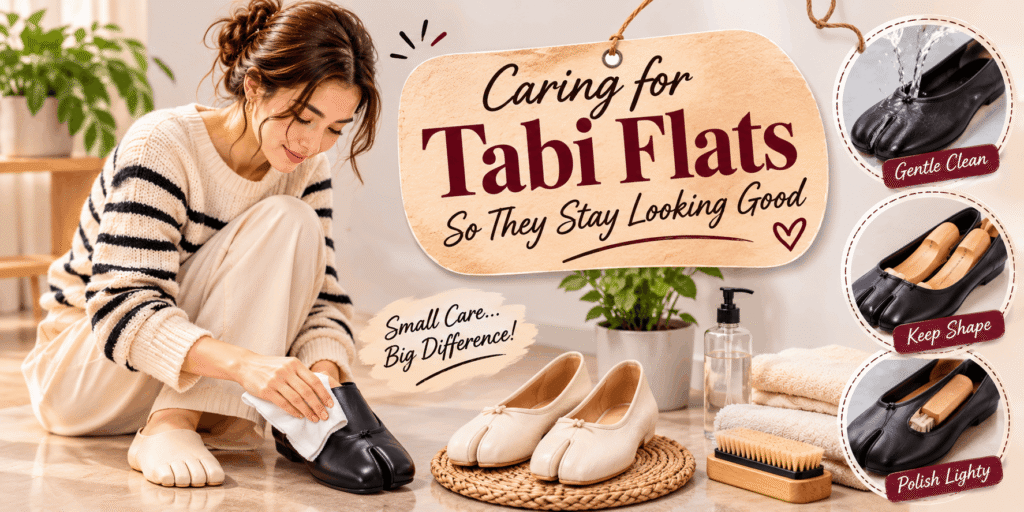
Caring for Tabi Flats So They Stay Looking Good
The split-toe design makes tabi flats distinctive, but their unusual shape does not require an entirely different care routine. The right approach depends mainly on the material and the manufacturer’s instructions.
For leather pairs, remove surface dust with a soft cloth and use suitable leather-care products when needed. Avoid applying products without checking whether they are appropriate for the specific finish. Excessive moisture can also affect certain leather constructions.
Suede requires a different approach. A suede brush can help remove light dirt and restore the surface, while products designed specifically for suede may help with maintenance. Avoid rubbing wet stains aggressively, as this can spread the mark or damage the texture.
Fabric shoes should be cleaned according to their care guidance. Some materials can tolerate gentle spot cleaning, while others may be damaged by water or strong cleaning agents.
Allow the shoes to dry naturally if they become damp. Keep them away from direct high heat, which may affect adhesives, leather, and other components. Once dry, store them in a clean place where they will not be crushed by heavier footwear.
It is also worth paying attention to the toe area. Because the front shape is a defining feature, repeated creasing or poor storage can affect the way the shoes look. Use appropriate storage methods and avoid folding or forcing the footwear into a tight space.
Regular care helps preserve the appearance of the shoes, but no material remains perfect forever. Choosing a pair that suits your routine is often the most effective way to keep it looking good.
Common Mistakes to Avoid When Wearing Tabi Flats
One common mistake is buying tabi flats purely because they are fashionable. Their distinctive shape may look appealing in photographs, but the design still needs to suit your feet and personal style. If you feel uncomfortable wearing them, you may not enjoy the purchase for long.
Another mistake is choosing the wrong size. Because the toe is divided, the fit may feel different from a conventional flat. Do not ignore pressure around the big toe or assume that discomfort will automatically disappear. Try different sizes or designs until you find a pair that feels secure and natural.
Poorly chosen trouser lengths can also affect the overall appearance. Extremely long hems may cover the shoes, while awkwardly short hems may interrupt the proportions of an outfit. Adjusting the length can make a significant difference.
Some people also try too hard to make the shoes the center of attention. Tabi flats already have a distinctive shape, so an outfit does not always need additional statement pieces. A simple combination often allows the footwear to look more intentional.
At the same time, you do not need to avoid interesting clothing just because your shoes are unusual. Prints, colors, and accessories can work beautifully when the overall outfit feels coordinated.
Finally, do not assume that all tabi flats are appropriate for every occasion. A casual fabric pair may not suit a formal event, while a polished leather design may feel too dressy for some relaxed settings. Consider the material, construction, and dress code before deciding what to wear.
Are Tabi Flats Worth Adding to Your Shoe Collection?
Whether tabi flats are worth buying depends on what you want from your wardrobe. If you appreciate distinctive design, enjoy experimenting with proportions, and want a shoe that looks different from conventional ballet flats, they may be a rewarding addition.
They can also be practical for people who prefer flat footwear but still want their shoes to make a visual impression. A neutral pair can work with jeans, tailored trousers, dresses, and skirts, giving you several styling possibilities without requiring a completely new wardrobe.
However, they are not automatically the right choice for everyone. Their split-toe design is distinctive, and some people simply prefer traditional silhouettes. The key is to choose footwear because you enjoy wearing it, not because it appears frequently in fashion photographs.
Before buying, think about your daily routine, the surfaces you walk on, your preferred clothing styles, and how much maintenance you are willing to provide. Try the shoes on if possible, walk around in them, and check that the fit feels comfortable.
A thoughtfully chosen pair can become a memorable part of your personal style. The best tabi flats are not necessarily the boldest or most expensive ones. They are the ones that feel right on your feet and work naturally with the clothes you already love.
Final Thoughts
Tabi flats prove that a small design detail can change the entire character of a shoe. Their split-toe shape connects traditional inspiration with contemporary fashion, creating footwear that feels distinctive without requiring complicated styling.
From straight-leg jeans and tailored trousers to flowing dresses and relaxed skirts, these shoes offer more flexibility than their unusual appearance might suggest. The secret is to pay attention to fit, material, color, and proportions while allowing your personal style to guide the final outfit.
If you are curious about trying them, begin with a comfortable pair in a versatile shade and experiment with combinations you already own. You do not need to follow every trend or build an outfit around fashion rules. Choose what feels natural, wear what makes you confident, and let tabi flats add their own distinctive character to your wardrobe.
Tabi flats are flat shoes featuring a distinctive split-toe design that separates the big toe from the other toes. Inspired by traditional Japanese tabi footwear, they offer a unique alternative to conventional flats.
Tabi flats have gained popularity because of their unusual silhouette, minimalist appeal, and versatility. They can add a distinctive fashion element to simple outfits without requiring bold colors or elaborate accessories.
Tabi flats can be comfortable when they fit properly. However, the split-toe design may feel unfamiliar at first. Choose a pair with sufficient toe room, a secure heel, and a sole suited to your daily activities.




2 Comments