
Eyebrow tinting is a popular beauty treatment that helps make eyebrows look fuller, more defined, and easier to style. If your eyebrows appear light, sparse, or uneven, eyebrow tint can add temporary color to existing brow hairs and create a more noticeable shape without requiring daily brow makeup.
Many people choose eyebrow tinting because it can simplify their beauty routine while enhancing their natural features. However, understanding how eyebrow tint works, how long the results last, and what safety precautions to follow is important before trying the treatment.
Whether you are considering professional eyebrow tinting or exploring an at-home option, learning about the process can help you make an informed decision. The right approach depends on your skin sensitivity, natural eyebrow color, desired results, and the products used.
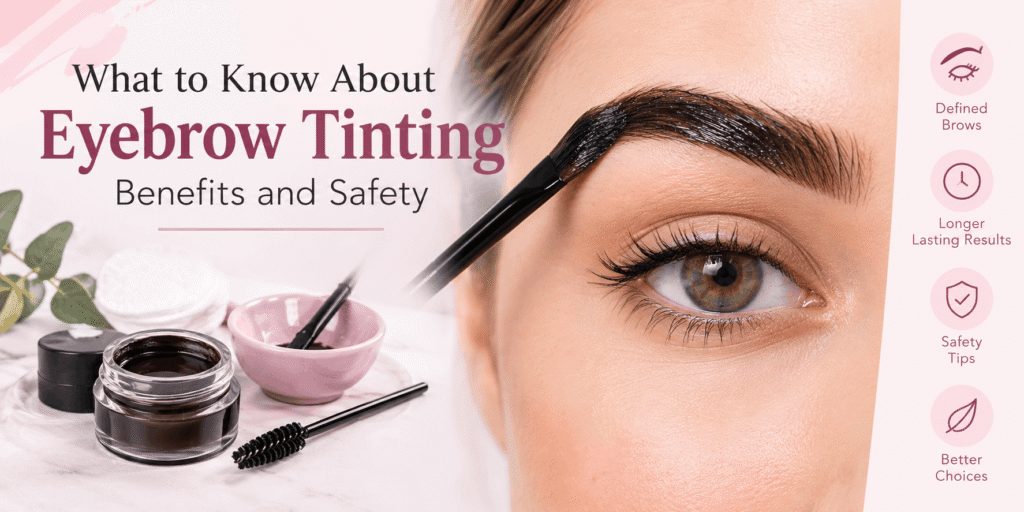
What Does Eyebrow Tinting Involve?
Eyebrow tinting is a cosmetic treatment that applies a specially formulated color product to eyebrow hairs. The purpose is to deepen their appearance, improve definition, and make lighter or fine hairs more visible. Depending on the product and technique, eyebrow tint may also temporarily stain some of the skin beneath the brows, creating a fuller-looking effect.
Unlike eyebrow pencils and powders, which add color to the surface of the brows for the day, eyebrow tinting is designed to provide results that remain visible after washing your face.
How the Eyebrow Tinting Process Works
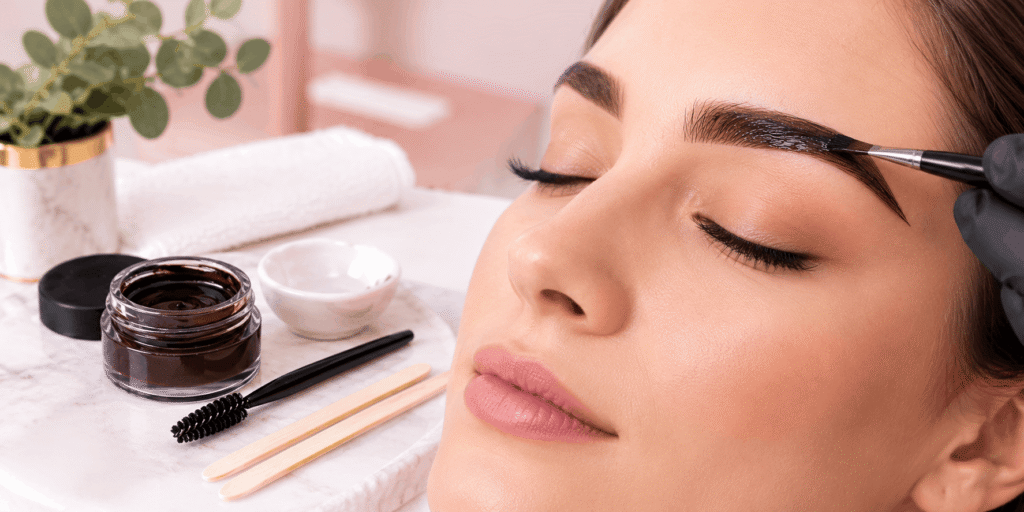
A professional eyebrow tint appointment usually begins with a consultation. The technician considers your natural brow color, skin tone, hair color, and preferred appearance before selecting a suitable shade.
The process generally involves the following steps:
- Cleansing the eyebrows: The brow area is cleaned to remove makeup, oil, and other residue that could interfere with the tint.
- Selecting the shade: A suitable color is chosen to complement your natural features and desired brow intensity.
- Preparing the surrounding skin: The technician may apply an appropriate protective barrier around the brows to help prevent unwanted staining.
- Applying the eyebrow tint: The tint is carefully distributed over the eyebrow hairs according to the product instructions.
- Removing the color: After the recommended processing time, the product is removed as directed, and the technician checks the final result.
The exact procedure varies depending on the tint formulation and the professional’s technique. Some products are designed primarily to color the hairs, while others can also leave a temporary stain on the skin.
Choosing the Right Eyebrow Tint Color
Selecting the right shade is one of the most important parts of eyebrow tinting. A color that is too dark may make the brows look harsh, while a shade that is too light might not provide the definition you want.
Consider these general guidelines:
- Blonde hair: A soft blonde or light brown tint may create subtle definition.
- Light brown hair: A medium brown shade can enhance the natural brow color.
- Dark brown hair: A deep brown tint may provide definition without looking excessively black.
- Black hair: A dark brown or appropriately formulated black shade may complement naturally dark brows.
These are starting points rather than strict rules. Your skin tone, natural eyebrow color, and personal preference also influence the best choice.
If you are new to eyebrow tinting, choosing a shade close to your natural brow color is often a sensible starting point. You can discuss a darker or more dramatic result with a qualified professional once you understand how tinting affects your appearance.
What Are the Benefits of Eyebrow Tinting?
Eyebrow tinting offers several cosmetic advantages for people who want defined brows without applying makeup every morning. Although results vary according to hair color, density, and the product used, the treatment can make existing eyebrow hairs easier to see and style.
1. Creates Fuller-Looking Eyebrows
One of the main reasons people choose eyebrow tint is to make their brows appear fuller. Many eyebrows contain fine, pale, or lightly colored hairs that blend into the surrounding skin. Tinting these hairs can make them more noticeable.
This can be particularly useful if you have naturally light eyebrows or fine hairs around the edges of your brows.
However, eyebrow tinting does not create new hair follicles or directly increase eyebrow growth. It enhances the appearance of the hairs already present. If your brows have significant gaps where hair is absent, tint alone may not provide complete coverage.
2. Enhances Natural Brow Definition
Well-defined eyebrows can help frame the eyes and bring balance to your overall appearance. Eyebrow tinting adds color to existing hairs, making the natural brow shape more visible.
This can be helpful if your eyebrows look uneven in photographs, appear washed out without makeup, or have lighter ends that are difficult to notice.
A suitable tint shade can provide definition without requiring a heavily filled-in makeup look. The result can be subtle and natural or more noticeable, depending on the color selected.
3. Reduces Daily Makeup Effort
People who regularly use eyebrow pencils, gels, powders, or pomades may appreciate the convenience of eyebrow tinting.
Because the tint remains visible beyond a single makeup application, you may need less brow makeup during your normal routine. Some people find that a quick brush through the eyebrows is enough to achieve their preferred everyday look.
Eyebrow tinting does not eliminate the need for makeup for everyone. You may still want to fill gaps, create a sharper outline, or adjust your brow shape for special occasions.
4. Makes Light Brow Hairs More Visible
Naturally blonde, gray, or lightly pigmented eyebrow hairs can be difficult to see against certain skin tones. Eyebrow tinting can increase their visual contrast and make the brows appear more noticeable.
This benefit may be especially appealing to people whose eyebrow hairs have become lighter with age or whose natural hair color does not provide much contrast around the eyes.
The final appearance depends on the tint shade and the condition of the existing brow hairs.
5. Offers Flexible Beauty Results
Eyebrow tinting can be adapted to different beauty preferences. Someone who prefers a minimal makeup routine may choose a soft brown tint, while another person may prefer a deeper shade for more visible definition.
You can also combine eyebrow tinting with other brow services, such as shaping or trimming, when appropriate. However, combining treatments may increase irritation risk, particularly if the skin is already sensitive or recently exfoliated.
For the most natural result, consider the appearance you want in everyday lighting rather than choosing a shade simply because it looks attractive in a photograph.
What Are the Risks of Eyebrow Tinting?
Although eyebrow tinting is a common cosmetic treatment, it is not completely risk-free. The skin around the eyes is delicate, and some tint ingredients can cause irritation or allergic reactions.
The level of risk depends on the formulation, your personal sensitivities, the condition of your skin, and whether the product is used according to its instructions.
Skin Irritation and Allergic Reactions
Some eyebrow tint products contain ingredients that may irritate the skin or trigger allergic contact dermatitis. Symptoms can include redness, itching, swelling, burning, or a rash around the eyebrows.
An allergy can develop even if you have previously used a similar product without a problem. A previous reaction to hair dye is an important reason to seek professional medical advice before considering eyebrow tinting.
Always follow the manufacturer’s allergy-testing instructions. A patch test may help identify some reactions, but it cannot guarantee that a product will be safe for you.
Eye Irritation and Injury
Eyebrow tint is applied close to the eyes, making careful application essential. If the product enters the eye, it can cause significant irritation or injury.
Never use a product near your eyes unless it is specifically intended and labeled for that use. Hair dye designed for the scalp should not automatically be considered suitable for eyebrow tinting.
If tint enters your eye, rinse it immediately with plenty of clean, lukewarm water and follow the product’s emergency instructions. Seek urgent medical attention if you experience persistent pain, blurred vision, significant redness, or other concerning symptoms.
Unsuitable Products and Incorrect Application
Using an unsuitable product, leaving tint on for longer than instructed, or applying it to irritated skin may increase the likelihood of an unwanted reaction.
Professional eyebrow tinting can reduce some application errors, but it does not eliminate all risks. A qualified technician should use products intended for the brow area, follow the manufacturer’s instructions, and maintain appropriate hygiene.
Avoid eyebrow tinting if the surrounding skin is broken, inflamed, or recovering from a recent procedure. If you have a history of severe cosmetic allergies or eye conditions, consult a healthcare professional before proceeding.
How to Reduce the Risks
To make eyebrow tinting safer:
- Choose a product specifically intended for eyebrow use and permitted under local regulations.
- Follow the product’s instructions and required allergy-testing precautions.
- Avoid applying tint to irritated, damaged, or recently treated skin.
- Keep the product out of your eyes and follow the stated processing time.
- Stop using the product if you experience burning, itching, or unusual discomfort.
Safety should always come before achieving a darker or more dramatic brow color.
How Long Does Eyebrow Tinting Last?
The results of eyebrow tinting are temporary, and the exact duration depends on the tint formula, your skin type, your eyebrow hair growth cycle, and your daily skincare routine.
In many cases, eyebrow tint remains noticeable on the hairs for around two to four weeks, although some people may notice the color fading sooner. If the tint also stains the skin beneath the eyebrows, that effect often fades faster, sometimes within a few days.
Factors That Affect Eyebrow Tint Longevity
Several factors influence how long your eyebrow tint will last:
- Skin type: Oily skin may cause temporary skin staining to fade more quickly.
- Cleansing routine: Frequent washing, exfoliating products, and oil-based cleansers around the brows may contribute to faster fading.
- Hair growth: As tinted eyebrow hairs naturally shed and new hairs grow, the overall appearance changes.
- Tint formulation: Different products are designed to provide different levels of color intensity and durability.
- Sun exposure: Environmental exposure may contribute to color fading, depending on the product and your routine.
How to Maintain Your Eyebrow Tint
To maintain your eyebrow tint, follow the aftercare instructions provided with your product or by your technician. Avoid unnecessarily rubbing the brow area, and use gentle skincare products around your eyebrows.
You should not repeatedly apply eyebrow tint simply because the color begins to fade. Follow the manufacturer’s recommended interval between applications to reduce the risk of irritation and allergic reactions.
If you want your eyebrows to remain consistently defined, you may find that occasional professional tinting works better than frequent at-home applications.
Who Is a Good Candidate for Eyebrow Tinting?
Eyebrow tinting may suit people who want to enhance their natural brow color without relying on daily makeup. However, suitability depends on your skin sensitivity, hair condition, medical history, and the specific product being considered.
People With Naturally Light Eyebrows
If your eyebrow hairs are blonde, gray, or naturally pale, eyebrow tint can make them more visible. A suitable shade may help create a more defined appearance without requiring you to fill in your brows every morning.
People With Fine or Sparse-Looking Brows
Eyebrow tinting may help fine hairs stand out, giving existing brows a fuller-looking appearance. However, tinting does not stimulate hair growth or replace missing hairs.
If your eyebrows have suddenly become thinner or are developing unexplained bald patches, consider consulting a healthcare professional rather than relying only on cosmetic treatments.
People Who Prefer Low-Maintenance Makeup
If you regularly use eyebrow pencils or powders, eyebrow tinting may reduce the amount of time you spend defining your brows. It can be especially convenient for people who prefer a simple beauty routine.
Who Should Be Cautious?
People with a history of reactions to hair dyes, sensitive skin around the eyes, or current irritation should be particularly careful. Those with previous severe allergic reactions should seek medical advice before trying an eyebrow tint product.
You should also postpone eyebrow tinting if your skin is damaged or recovering from a cosmetic procedure. If you are unsure whether a product is suitable for you, consult a qualified professional or healthcare provider.
Can You Tint Your Eyebrows at Home?
Yes, some eyebrow tint products are designed for at-home use. However, not every hair coloring product is suitable for eyebrows, and applying color near the eyes requires particular care.
If you decide to tint your eyebrows at home, choose a product specifically labeled for eyebrow use and follow all manufacturer instructions.
Steps for At-Home Eyebrow Tinting
1. Choose an appropriate product.
Select a reputable eyebrow tint product that is intended for the brow area and permitted under applicable regulations. Never assume that ordinary scalp hair dye is safe for use near the eyes.
2. Read the instructions carefully.
Check the recommended application method, processing time, allergy-testing requirements, and removal instructions before beginning.
3. Perform the required allergy test.
Follow the product’s specific testing instructions and timing. Do not use the product if the test causes redness, itching, swelling, or another reaction. Remember that a negative test cannot guarantee that a reaction will not occur later.
4. Prepare your eyebrows.
Clean the brow area as directed and ensure that the skin is not irritated or damaged. Avoid tinting immediately after aggressive exfoliation or other treatments that may leave the skin sensitive.
5. Apply the tint as instructed.
Use the applicator supplied with the product and keep the tint away from your eyes. Apply only the recommended amount and never exceed the specified processing time.
6. Remove the product properly.
Follow the manufacturer’s removal instructions. If you experience burning or significant discomfort, remove the product immediately as directed and stop using it.
Common At-Home Tinting Mistakes
Some mistakes can produce uneven results or increase the risk of irritation.
- Choosing a shade that is much darker than your natural eyebrow color.
- Using products that are not designed for eyebrows.
- Ignoring allergy-testing instructions.
- Leaving the tint on longer to achieve a darker result.
- Applying tint to broken or irritated skin.
- Repeating applications too frequently.
If you are inexperienced, have a history of allergic reactions, or feel uncomfortable applying products close to your eyes, professional eyebrow tinting may be a more appropriate option.
How to Care for Eyebrows After Tinting
Proper aftercare can help maintain the appearance of your eyebrow tint while reducing unnecessary irritation. Your exact routine should depend on the product used and any instructions provided by your technician.
Keep Your Brow Care Routine Gentle
Avoid rubbing or aggressively scrubbing your eyebrows after tinting. Use a gentle cleanser and take care when removing makeup around the brow area.
Some products recommend keeping the area dry for a specific period after application, while others have different requirements. Follow the instructions for your particular tint rather than assuming every formula needs identical aftercare.
Avoid Excessive Exfoliation
Exfoliating acids, scrubs, and other strong skincare products may irritate the skin around your eyebrows. They may also contribute to faster fading of temporary skin staining.
If you use exfoliating skincare products, follow their directions and avoid applying them to freshly irritated skin. Ask your technician when it is appropriate to resume your usual routine.
Be Careful With Makeup Removers
Oil-based cleansers and makeup removers may affect some tint formulations or temporary skin stains. If maintaining your eyebrow tint is important, use a gentle product that suits your skin and follow the tint manufacturer’s recommendations.
You do not need to avoid every skincare product indefinitely. The goal is to prevent unnecessary friction and irritation while allowing the tint to fade naturally.
Watch for Signs of a Reaction
Mild color fading is expected, but persistent itching, redness, swelling, or a rash is not something to ignore.
Stop using the suspected product if a reaction develops and seek medical advice when appropriate. Significant swelling around the eyes, breathing difficulty, or other signs of a severe allergic reaction require emergency medical attention.
Are There Alternatives to Eyebrow Tinting?
If eyebrow tinting does not suit your needs, several alternatives can help you achieve defined brows. The best choice depends on how long you want the results to last, how much maintenance you prefer, and whether you want to avoid chemical color products.
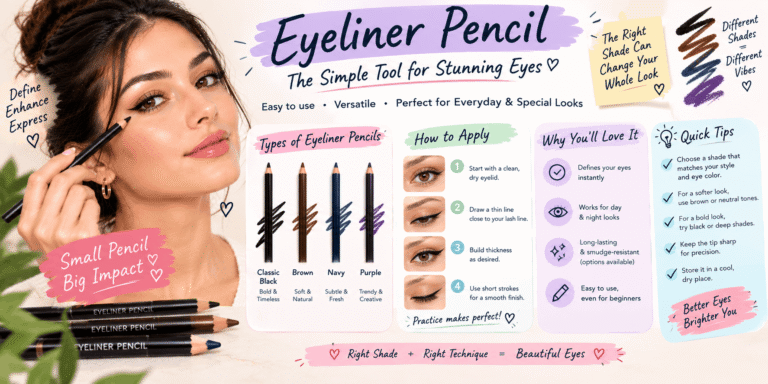
Eyebrow Pencil
An eyebrow pencil is a simple option for filling small gaps and adding definition. You can control the shade and shape, making it useful for everyday makeup.
Unlike eyebrow tinting, a pencil generally washes off during your regular cleansing routine. It is a practical choice if you prefer to change your brow appearance frequently.
Eyebrow Powder
Eyebrow powder creates a soft, diffused finish that can look natural. It works well for people who want subtle definition rather than sharply outlined brows.
Powder can be applied lightly or built up gradually, although it usually needs to be reapplied as part of your daily makeup routine.
Tinted Brow Gel
Tinted brow gel adds color while helping keep eyebrow hairs in place. Depending on the formula, it can make brows appear more groomed and slightly fuller.
This option is convenient if your brows already have a reasonable amount of hair and you mainly want additional definition.
Professional Brow Shaping
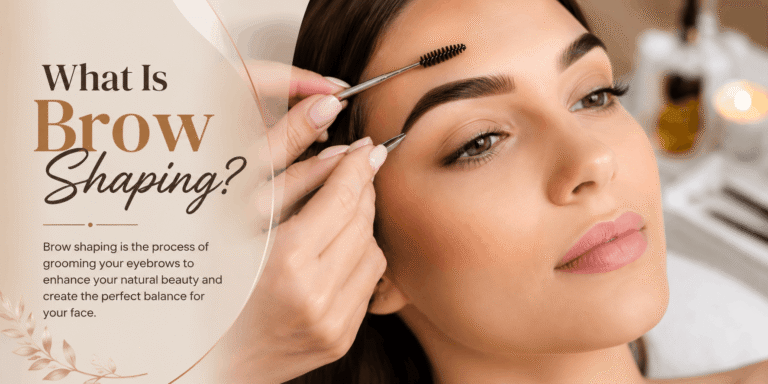
Threading, waxing, or careful trimming can improve the outline of your eyebrows without adding color. Brow shaping may complement eyebrow tinting, but it can also be used on its own.
Because these methods can irritate the skin, avoid them when the brow area is inflamed or damaged. If you combine shaping and tinting, ask a professional about appropriate timing.
Microblading
Microblading is a cosmetic procedure that creates the appearance of individual eyebrow hairs using pigment deposited into the skin. Unlike temporary eyebrow tinting, it involves a more invasive technique and carries risks such as infection, scarring, pigment changes, and allergic reactions.
It requires careful consideration, a suitably qualified practitioner, and appropriate aftercare. Microblading is not necessary for everyone who wants fuller-looking brows, so compare its risks, costs, and maintenance requirements with simpler alternatives.
The Bottom Line
Eyebrow tinting is a convenient way to enhance natural brow color, improve definition, and reduce the need for daily eyebrow makeup. Results are temporary, and the final appearance depends on your natural eyebrow hairs, the tint formulation, and your aftercare routine.
Before choosing eyebrow tinting, consider your skin sensitivity, select an appropriate product, and follow all safety instructions. Never use ordinary hair dye near your eyes unless the product is specifically intended for that area.
If tinting is not suitable for you, alternatives such as eyebrow pencils, powders, tinted gels, and professional brow shaping can help you achieve your preferred look. The best eyebrow treatment is one that fits your beauty goals while protecting the delicate skin around your eyes.
Final Thoughts
Eyebrow tinting is a simple way to enhance your natural eyebrows, improve their definition, and make your daily beauty routine easier. Whether you have light, fine, or naturally dark brows, choosing the right eyebrow tint shade can help you achieve a look that complements your features.
Before trying eyebrow tinting, always prioritize safety by using products specifically designed for eyebrows and following the recommended allergy-testing instructions. Remember that results are temporary and vary depending on the product, skin type, and aftercare routine.
If eyebrow tinting is not suitable for you, alternatives such as tinted brow gels, eyebrow pencils, and powders can provide similar cosmetic benefits. Choose the option that best matches your preferences, skin sensitivity, and desired results.
Eyebrow tinting is a cosmetic treatment that adds temporary color to eyebrow hairs, making them appear more defined, noticeable, and fuller.
Eyebrow tint typically lasts around two to four weeks on the hairs. Any temporary stain on the skin usually fades sooner, depending on the product and skincare routine.
Eyebrow tinting can cause irritation or allergic reactions. Use only products specifically intended for eyebrows, follow the manufacturer’s safety instructions, and complete the required allergy test before application.
Yes, you can use an eyebrow tint product specifically designed for at-home application. Follow the instructions carefully and never use ordinary scalp hair dye near your eyes unless it is explicitly intended for that area.
4 Comments