
Hair color can change the entire appearance of a hairstyle, and ash blonde hair is a beautiful choice for anyone who prefers cool, sophisticated shades over strong golden or copper tones. This color family ranges from soft smoky blonde to deep ash bronde and pale silver blonde, giving you plenty of options whether you want a subtle update or a dramatic transformation.
One reason ash blonde remains appealing is its versatility. You can wear it as delicate highlights, a blended balayage, a shadow-root color, or an all-over blonde shade. It can also complement different hair lengths and textures when the color placement is chosen carefully.
However, achieving the right ash blonde hair color involves more than selecting a photograph you like. Your natural hair color, previous chemical treatments, skin undertone, and maintenance routine all influence the final result.
In this guide, you will discover ten ash blonde hair ideas, learn how this shade differs from other blonde colors, and find practical tips for keeping your color looking fresh between salon appointments.
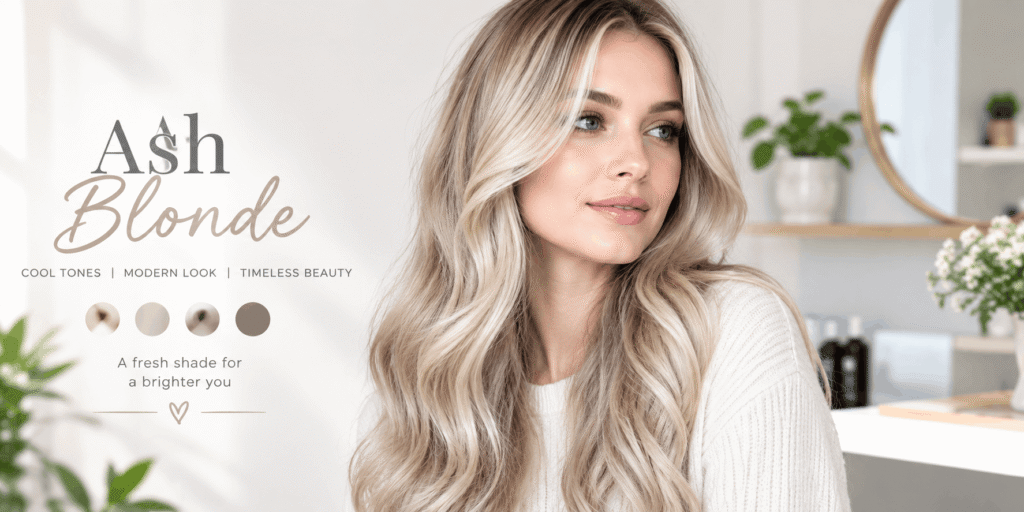
What Hair Color Is Ash Blonde?
Ash blonde is a blonde hair color characterized by cool, muted undertones. Depending on the formula, these undertones may appear smoky, grayish, silvery, or slightly blue-violet. Unlike many warm blonde shades, ash blonde is designed to minimize noticeable yellow, orange, or golden tones.
The color is not limited to one particular level of lightness. A dark ash blonde can look close to a cool light brown, while a pale ash blonde may appear almost silver in certain lighting. Between these extremes, there are medium ash blonde shades, smoky beige variations, and blended colors that combine darker roots with lighter lengths.
Ash blonde hair is often created by lightening the hair to an appropriate level and then applying a toner or color formula to produce the desired cool finish. The exact process depends on your starting color and the shade you want to achieve.
For example, naturally dark brown hair may require more than one lightening session to reach a pale ash blonde. Trying to reach that shade too quickly can increase the risk of dryness and breakage.
It is also helpful to understand that ash blonde is not always a completely gray color. A well-balanced formula can still look soft and natural, with enough depth to prevent the hair from appearing flat.
Popular variations of ash blonde include:
- Dark ash blonde: A deeper, understated shade that works well for people who prefer a less dramatic change.
- Light ash blonde: A brighter blonde with a muted, cool finish.
- Smoky ash blonde: A dimensional color with a soft, misty appearance.
- Silver ash blonde: A very cool variation with noticeable silvery reflections.
- Ash blonde balayage: A blended technique that creates lighter sections with a natural-looking transition.
- Ash bronde: A combination of brown and blonde tones with a cooler overall appearance.
When choosing your shade, consider how much contrast you want between your roots and ends. A blended color can provide a softer transition, while an all-over ash blonde creates a more uniform appearance.
What Skin Tone Suits Ash Blonde Hair?
Ash blonde can work with a range of complexions, but the particular shade makes a difference. Instead of choosing a color based only on whether your skin is light or dark, consider your undertone and how much contrast you prefer.
6. Ashy Silver Blonde Hair Color
If you enjoy cool, striking hair colors, ashy silver blonde may be the shade to explore. It combines a pale blonde base with silvery reflections, creating a finish that can look metallic in certain lighting and softly smoky in others.
Unlike a traditional golden blonde, this color minimizes warm-looking tones. The result can range from a delicate silver sheen to a much brighter, almost icy blonde.
The starting hair color is particularly important for this look. Dark hair may need substantial lightening before a pale silver tone becomes achievable. If your hair has previous dye buildup, reaching an even result can be more complicated.
For this reason, a professional consultation is worthwhile, especially if your hair has been colored several times. Your stylist can assess its condition and determine whether the desired shade is realistic in one appointment or requires a gradual approach.
Ashy silver blonde can look beautiful on straight hair, soft waves, and layered cuts. A textured hairstyle may show off the different reflections, while a smooth finish emphasizes the sleek appearance of the color.
To preserve the silver effect, follow a suitable color-care routine. Very cool shades can gradually become warmer as the toner fades, so occasional toning may be necessary. Avoid using purple shampoo more frequently than recommended, because excessive use can leave some blonde hair looking dull or slightly violet.
7. Dark Brown Hair With Subtle Ash Blonde Highlights
You do not need to turn your entire head blonde to enjoy ash blonde hair. Adding a few cool-toned highlights to dark brown hair can introduce dimension while keeping most of your natural-looking depth.
This approach works particularly well if you prefer understated color. Fine highlights can be scattered through the mid-lengths and ends, or concentrated around the face to create a brighter frame.
The contrast can be adjusted to suit your personal style. Highlights close to the brown base produce a subtle effect, while lighter ash blonde sections create more visible definition.
Your stylist should also consider how your dark base will lift. Dark hair often reveals warm underlying pigments during lightening, and an ash toner cannot always neutralize every warm tone in a single session. The final result may therefore require a carefully planned color process.
If you want a low-contrast appearance, ask for a consultation using photographs that show the exact relationship between the dark base and the blonde pieces.
This style can be a practical introduction to blonde hair because it does not require every strand to be lightened. However, highlighted sections still need suitable conditioning and protection from excessive heat.
8. Platinum Ash Blonde Highlights
Platinum ash blonde highlights are a brighter option for anyone who wants a noticeable change. They combine very light blonde sections with cool, muted tones, creating a crisp contrast against a darker or medium-blonde base.
The highlights can be placed throughout the hair for an overall brighter appearance or concentrated around the face for a more focused effect. On layered hairstyles, lighter sections can emphasize the shape and movement of the cut.
Achieving platinum ash blonde usually requires the hair to be lightened considerably. This process can be demanding, especially on naturally dark hair or strands that have already undergone chemical treatments.
It is important not to rush the transformation. If your hair is not ready for the desired level of lightness, a stylist may recommend working toward it over multiple appointments.
After coloring, keep your routine simple and consistent. Use products formulated for color-treated hair, condition regularly, and reduce unnecessary heat styling. If your hair feels unusually stretchy, brittle, or begins breaking, avoid additional lightening until a professional has assessed it.
Platinum ash blonde highlights can produce a dramatic result, but the healthiest-looking finish depends on choosing an achievable shade and maintaining the hair properly.
9. Ashy Golden Blonde Hair Color
Ashy golden blonde offers a different interpretation of cool blonde hair. Instead of eliminating every hint of warmth, this look combines a muted, cooler finish with restrained golden reflections.
The result can feel softer than a strongly silver or gray-blonde shade. It may be suitable for someone who likes ash blonde but finds very cool colors too stark for their preferred look.
The exact balance depends on the color formula. Some versions lean toward neutral beige, while others have a more noticeable golden quality. Sharing a reference photograph with your stylist can help establish the right balance.
This color can also be adapted to balayage or highlights. For example, a deeper blonde base with lighter, softly golden-ash pieces can create dimension without producing a uniform, one-tone finish.
Keep in mind that lighting affects how this shade appears. Indoor lighting may emphasize the beige qualities, while sunlight can make the golden reflections more visible.
If your main concern is unwanted brassiness, ask your colorist to explain how the selected formula will behave as it fades. A color that starts neutral may gradually reveal warmer tones, and your maintenance routine should reflect that possibility.
10. Surreal Pastel With Ash Tones
For a creative alternative to traditional blonde, consider a pastel shade mixed with an ash-toned base. Soft lavender, muted pink, pale blue, or a delicate smoky lilac can create a distinctive look without relying on a strong, saturated color.
A pastel finish is often most visible on a very light base. If the hair is too dark or contains strong underlying warmth, the final shade may look different from the reference photograph.
Because many pastel colors are delicate, they may fade relatively quickly. The fading pattern depends on the dye formula, your hair’s porosity, and your washing routine. Some shades may leave a faint tint after the original color has softened.
You can experiment with pastel tones in different ways. A few pastel pieces may offer a small change, while a more extensive application can create a bolder transformation.
Before choosing this look, discuss the required lightening with your stylist. If your hair is already fragile, a less intensive color plan may be preferable to pursuing an extremely pale base.
Pastel ash blonde is ideal for someone who enjoys experimenting with personal style and is comfortable with a color that may require regular refreshing.
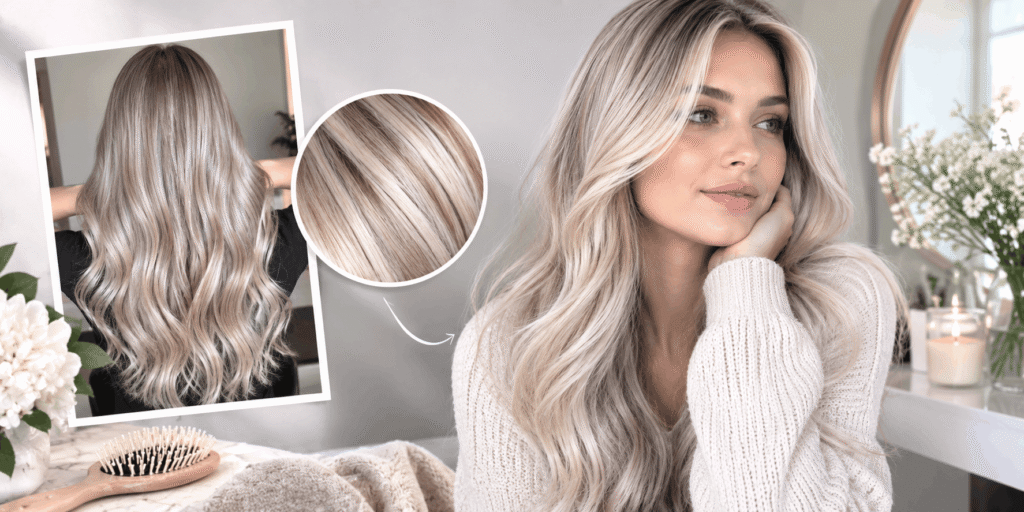
How to Maintain Ash Blonde Hair Color
Ash blonde hair needs a thoughtful maintenance routine because its cool appearance can change as the color fades. Washing, heat styling, sunlight, and the condition of the hair may all influence how the shade looks over time.
The aim is not to keep applying more products. Instead, choose a routine that protects the color, maintains softness, and addresses your hair’s specific needs.
1. Wash With a Color-Safe Shampoo
A shampoo formulated for color-treated hair can be a useful starting point. Choose one that cleanses your scalp without leaving your lengths feeling excessively dry.
How often you wash your hair depends on your scalp, lifestyle, and hair texture. If your scalp becomes oily quickly, you may need more frequent washing than someone with a dry scalp. There is no single schedule that works for everyone.
When washing, concentrate on gently cleansing the scalp and allow the shampoo to rinse through the lengths. Avoid rubbing the hair aggressively, particularly if the ends have been bleached.
Use conditioner after shampooing to help improve softness and reduce tangling. If your hair feels dry, a suitable leave-in conditioner may also help make it easier to manage.
Hot water is not necessary for effective cleansing. Comfortable, lukewarm water is generally a practical choice, especially when your hair is color-treated.
Remember that color-safe shampoo cannot prevent all fading. Its purpose is to support a suitable cleansing routine while helping you care for treated hair.
2. Keep Cool Tones Balanced With Purple Shampoo
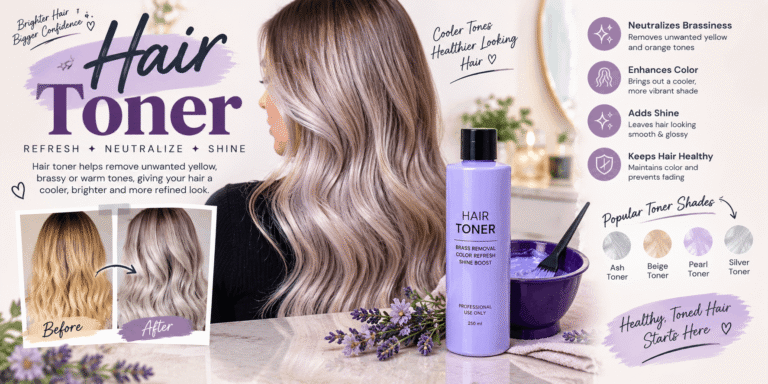
Purple shampoo is commonly used to help reduce the appearance of unwanted yellow tones in blonde hair. Its violet pigments can visually balance some yellow coloration, helping certain blonde shades look cooler.
However, purple shampoo is not a permanent toner and does not remove the underlying cause of every color change. It may also be less suitable for orange or copper tones, which may require a different toning approach.
Use a purple shampoo according to its instructions rather than assuming that longer application will produce a better result. Depending on the product and your hair’s porosity, excessive use may leave a violet cast or make the color appear dull.
If your ash blonde hair is already looking balanced, you may not need purple shampoo at every wash. A regular color-safe shampoo may be sufficient for much of your routine.
For persistent brassiness, ask your colorist whether a salon toner or a different maintenance product would be more appropriate.
3. Reduce Unnecessary Washing and Rinsing
Every wash can gradually affect the appearance of artificial hair color, although the extent depends on the formula and your routine. You do not need to stop washing your hair to preserve ash blonde, but you can avoid unnecessary washing when it is not needed.
If your scalp remains comfortable and clean, consider whether you need to wash your hair as frequently as you currently do. Your personal schedule should be based on scalp needs rather than a fixed number of days.
Avoid repeatedly rinsing your hair with cleansing products in an attempt to remove buildup or change its color. Too much cleansing may leave the lengths dry without maintaining the desired tone.
When swimming, follow suitable hair-care precautions and rinse your hair afterward. Chlorinated water and other environmental factors may affect the appearance or feel of treated hair.
You can also ask your stylist about an appropriate interval between salon toning appointments. The timing depends on your shade, the amount of lightening, and how quickly your color changes.
Additional Tips for Keeping Ash Blonde Looking Fresh
Alongside shampoo and toning products, a few simple habits can support the appearance of your color.
- Limit excessive heat: Frequent high-temperature styling can contribute to dryness and damage. Use an appropriate heat protectant and choose a moderate setting.
- Condition consistently: Lightened hair may benefit from a conditioner suited to its texture and condition.
- Protect your hair outdoors: Prolonged sun exposure can affect the appearance of some hair colors. Consider a suitable protective product or a hat when appropriate.
- Avoid unnecessary chemical treatments: Repeated lightening can weaken the hair, so plan major color changes carefully.
- Schedule maintenance thoughtfully: Ask your stylist when to refresh your toner or highlights instead of waiting until the color becomes difficult to manage.
Healthy-looking hair is part of the finished color. A shade that looks beautiful in a salon photograph may require ongoing care, so choose a version of ash blonde that suits both your style and your routine.
Final Thoughts
Ash blonde hair offers plenty of ways to explore cool, modern color, from understated ash bronde to bright platinum and silver-inspired finishes. The best option depends on your starting shade, personal style, and willingness to maintain the color.
Before booking your appointment, collect photographs that show the exact tone and placement you prefer. Discuss the condition of your hair, the amount of lightening required, and the maintenance routine you can realistically follow.
Remember that achieving a cool blonde does not mean choosing the palest shade possible. A carefully blended, darker ash blonde may suit your needs just as well as a dramatic silver look.
With a suitable color plan and consistent care, you can enjoy an ash blonde shade that feels personal, polished, and manageable.
Ash blonde hair is a cool-toned blonde shade with gray, silver, or smoky undertones. It creates a modern, sophisticated look without strong golden or yellow tones.
Ash blonde can suit many skin tones, but the right shade matters. Cooler versions often complement cool undertones, while a balanced ash blonde may work well with neutral undertones.
Yes, ash blonde may require regular toning to prevent unwanted yellow or brassy tones. Root touch-ups and color-safe products can also help maintain the look.
Ash blonde has cool, smoky undertones, while beige blonde combines neutral tones with a softer, warmer appearance.

One Comment