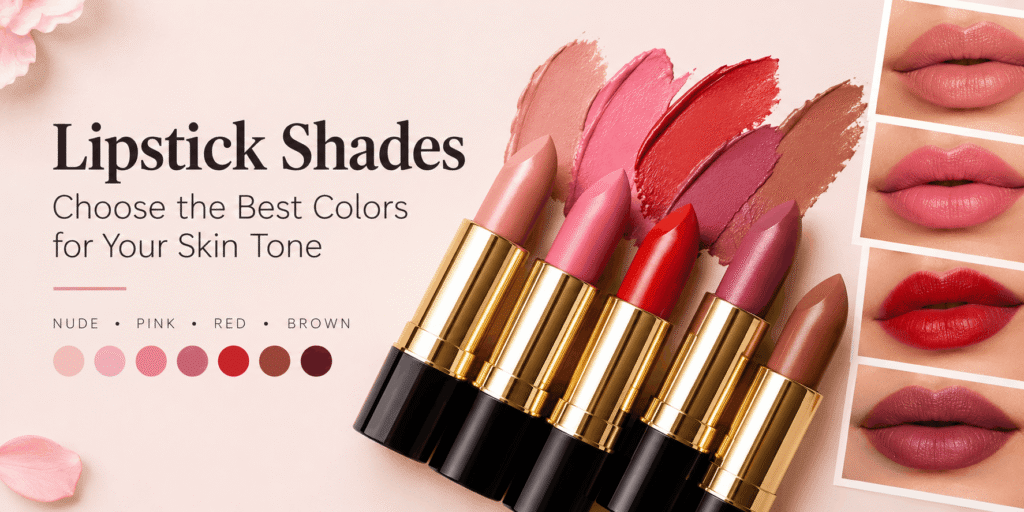
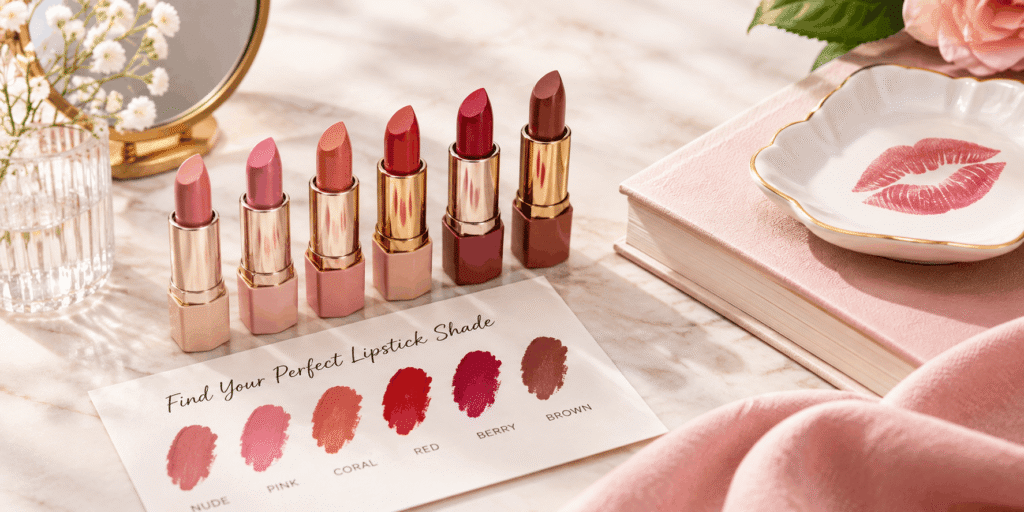
Choosing the right lipstick shades can transform your makeup look, highlight your natural features, and help you express your personal style. With so many colors available, finding a lipstick that suits your complexion, undertone, and preferences can feel confusing. From soft nude and dusty pink to bold red, rich berry, and warm brown, every lipstick shade creates a different effect.
The best lipstick shades are not necessarily the most popular ones. They are the colors that make you feel comfortable and confident while complementing your natural coloring. A shade that looks beautiful on one person may appear completely different on someone else because of differences in skin tone, lip pigmentation, lighting, and lipstick formula.
Whether you prefer everyday makeup, a polished office look, or dramatic evening makeup, understanding lipstick shades can make choosing the right color much easier. You do not need a large collection of lip products to create different looks. A few carefully selected shades can work for several occasions when you know how to apply and combine them.
This guide explains how to choose lipstick shades, identify your skin undertone, understand different lipstick finishes, and select colors for everyday wear and special events. It also explores popular lipstick colors, practical application techniques, and simple ways to make your lipstick look more balanced with the rest of your makeup.
How to Choose the Right Lipstick Shade
Finding the right lipstick shades begins with understanding what you want your makeup to achieve. Some people prefer natural-looking colors that enhance their lips without attracting too much attention. Others enjoy statement shades that become the main feature of their makeup.
Before purchasing a lipstick, consider your skin tone, undertone, natural lip color, and the occasions for which you plan to wear it. These factors can help you narrow down the many available options.
Consider Your Natural Skin Tone
Skin tone generally describes how light or deep your complexion appears. Although skin tones can change slightly with sun exposure, your underlying coloring usually remains relatively consistent.
People with fair skin may enjoy soft pink, peachy nude, rose, and light berry lipstick shades. These colors can create a delicate appearance without overwhelming the complexion. For a bolder look, classic red or a deeper rose can provide attractive contrast.
Light to medium skin tones often work well with dusty pink, mauve, caramel nude, coral, and warm rose. These shades offer variety, making it easier to move between understated daytime makeup and more noticeable evening looks.
Medium to deep complexions can look beautiful with terracotta, chocolate brown, brick red, plum, berry, and rich rose shades. Deeper lipstick colors can provide definition, while warmer nudes can create a softer appearance.
Deep skin tones can also explore wine, burgundy, deep berry, cocoa, and bold red lipstick shades. A carefully chosen nude with enough depth may create a balanced look without appearing too pale against the complexion.
These suggestions are starting points rather than strict rules. You can wear any lipstick shade you enjoy. The purpose of understanding skin tone is to make shopping easier, not to limit your makeup choices.
Understand Your Undertone
Your undertone is the subtle color beneath the surface of your skin. It is commonly described as cool, warm, or neutral. Two people with similar skin tones may prefer different lipstick shades because their undertones are different.
Cool undertones often have pink, reddish, or bluish qualities. Lipstick shades with blue-based red, cool pink, berry, and some mauve tones may complement these complexions.
Warm undertones often have golden, yellow, or peachy qualities. Coral, warm red, terracotta, peach, and many brown-based nude shades can work beautifully with this coloring.
Neutral undertones have a mixture of warm and cool qualities. This can make a wide variety of lipstick shades suitable, including rose, balanced nude, classic red, and soft berry.
You do not have to identify your undertone perfectly before choosing lipstick. Testing a few colors in natural light is often more useful than relying on a single rule.
Determining Your Skin Tone and Undertone
Understanding your complexion can help you build a more useful lipstick collection. However, undertone tests are only general guides, and they may not provide a definite answer for everyone.
Check Your Skin in Natural Light
Stand near a window or move outdoors in indirect daylight. Look at your skin without strong artificial lighting, which can make your complexion appear more yellow, pink, or pale than it actually is.
Notice whether your skin generally appears more golden, rosy, or balanced. Avoid judging your undertone immediately after applying foundation, self-tanner, or other complexion products because these can affect the way your skin looks.
You can also compare lipstick shades directly against your natural lip color. This is particularly useful if you have naturally pigmented lips, as the same lipstick may appear different on different people.
Look at Your Veins
Some people use the appearance of their wrist veins as a quick undertone guide. Veins that appear blue or purple may suggest cool undertones, while veins that appear green may suggest warm undertones. If you notice both, you might have neutral undertones.
However, vein color is not a reliable test for everyone. Lighting, skin depth, and individual differences can affect how veins appear. Treat this method as a clue rather than a final decision.
Compare Gold and Silver Jewelry
Another informal method is to compare how gold and silver jewelry look against your skin. If gold seems especially harmonious, you may lean warm. If silver looks more flattering, you may lean cool. If both work well, your undertone may be neutral.
This method is subjective, so do not use it as your only guide. The best lipstick shades are those that look appealing to you when you wear them.
Test Lipstick Before Buying
When possible, test lipstick shades on your lips rather than relying entirely on online photographs or color swatches. Your natural lip pigmentation can change the appearance of the formula.
If testing directly on your lips is not possible, use a clean disposable applicator where testers are available, or compare the shade with photographs of people who have a similar complexion and lip color.
Check the lipstick under natural light. A shade that looks perfect under bright store lighting may appear warmer, cooler, lighter, or darker outdoors.
Popular Lipstick Shades for Different Looks
Lipstick shades range from understated neutrals to rich, dramatic colors. Understanding the character of each color family helps you choose products that fit your style and daily routine.
Nude Lipstick Shades
Nude lipstick is popular because it can complement many makeup looks. However, nude does not mean the same color for everyone. A suitable nude usually relates to your natural lip color and complexion rather than matching your skin exactly.
Fair complexions may prefer pink nude, peach nude, or light rose. Medium skin tones can explore caramel, rosy brown, and warm beige. Deeper complexions may enjoy cocoa, chestnut, brown rose, and deeper caramel shades.
A nude lipstick that is too pale may make the lips look washed out, particularly when paired with full-coverage foundation. Choosing a nude with a little pink, brown, peach, or rose can help maintain definition.
Nude lipstick shades are especially useful for work, casual outings, and makeup looks that emphasize the eyes. They can also balance dramatic eye makeup without competing for attention.
Pink Lipstick Shades
Pink lipstick shades can create soft, fresh, romantic, or vibrant looks depending on their depth and undertone.
Baby pink and pale pink offer a delicate appearance, while dusty pink and muted rose can look understated and sophisticated. Bright pink adds energy to a makeup look, and deeper rose shades can provide more definition.
If you prefer natural makeup, try a pink shade close to your natural lip color. For a stronger statement, choose a brighter or deeper pink and keep the rest of your makeup balanced.
Pink lipstick is versatile enough for daytime events, dinners, celebrations, and everyday wear. The finish also affects the result: a glossy pink can look fresh, while a matte pink may appear more defined.
Red Lipstick Shades
Red lipstick remains a classic choice for people who want their lips to stand out. However, red is not a single color. It includes blue-based red, orange-red, brick red, cherry red, and deep wine-red variations.
Cooler red shades may complement cool undertones, while orange-red and tomato-red shades can work well with warm undertones. Brick red offers a more muted alternative, and deeper red can create a dramatic evening look.
For a traditional appearance, pair red lipstick with subtle eye makeup and carefully applied lip liner. For a more modern style, you can combine red lips with softly defined eyes or a simple complexion routine.
Red lipstick does not need to be reserved for formal events. A sheer red balm or lightly blotted red lipstick can create a softer version that feels comfortable during the day.
Brown Lipstick Shades
Brown lipstick shades are useful for creating warm, defined, and sophisticated looks. Their appearance can range from light beige-brown to deep chocolate.
Caramel and cinnamon browns can provide warmth, while rose-brown shades offer a softer everyday option. Chocolate and espresso colors create more contrast and can become the focus of a dramatic makeup look.
When choosing brown lipstick, consider the amount of gray, red, orange, or pink in the formula. A brown with rosy undertones may look quite different from one with a strong orange base.
Brown lipstick pairs well with neutral eyeshadow, bronzed makeup, and simple eyeliner. If you prefer a softer effect, apply the color in a thin layer and blend it with a fingertip or lip brush.
Berry and Plum Lipstick Shades
Berry and plum lipstick shades are popular for autumn-inspired makeup, evening events, and occasions when you want a richer color than pink or nude.
Soft berry shades can provide a natural flush, while deep plum and wine colors create a more dramatic result. Raspberry tones may feel bright and lively, whereas dark berry can appear elegant and intense.
If you are new to deeper lipstick colors, start with a sheer formula or apply a small amount and blend it across your lips. This allows you to explore the color without committing to full intensity.
Berry shades can work across a range of complexions. The most suitable option depends on the depth of the color, its undertone, and the effect you want to achieve.
Coral and Peach Lipstick Shades
Coral and peach lipstick shades can create a bright, warm appearance. Peach tends to be softer and more understated, while coral combines orange and pink qualities for a more noticeable effect.
These colors are often chosen for spring and summer makeup, daytime gatherings, and fresh-looking beauty routines. A muted peach can work as an everyday color, while bright coral can create a more energetic style.
If your lips are naturally deep in color, you may need a more pigmented coral formula to achieve the result shown in a product photograph. Always consider how your natural lip color may affect the final shade.
Types of Lipstick Finishes
Color is only one part of choosing lipstick shades. The finish determines how the product reflects light, feels on the lips, and contributes to the overall appearance of your makeup.
Matte Lipstick
Matte lipstick has little to no visible shine. It often provides a defined appearance and can offer strong color payoff, depending on the formula.
Matte lipstick is a popular option for red, brown, berry, and nude shades. It can be suitable for long workdays, events, or situations where you prefer a less glossy finish.
Some matte formulas may emphasize dry patches, so gently exfoliating when appropriate and applying lip balm beforehand can improve the appearance of your lips. Allow the balm to absorb and blot away excess before applying lipstick if you want a more precise matte result.
Satin Lipstick
Satin lipstick offers a balance between matte color and a soft sheen. It generally looks smoother and more luminous than a completely matte formula without appearing as glossy as a lip gloss.
Satin lipstick shades are useful for everyday makeup because they can create a polished appearance without excessive shine. Pink, rose, nude, red, and brown colors are all available in satin finishes.
If you find matte lipstick uncomfortable but want more color than a sheer balm provides, satin formulas are worth exploring.
Glossy Lipstick
Glossy lipstick reflects light and gives the lips a shiny appearance. Depending on the product, it may provide sheer color, medium coverage, or a more pigmented finish.
Glossy nude, pink, peach, and red shades can create a fresh look. Lip gloss can also be layered over lipstick to change the finish without purchasing another color.
Some glosses feel lightweight, while others have a thicker texture. If you dislike sticky products, check the formula before buying.
Cream Lipstick
Cream lipstick offers a smooth texture and a finish that often falls between satin and glossy. It can provide comfortable color while allowing the lips to retain a natural-looking sheen.
Cream lipstick shades are available in almost every color family. They can be a good option if you prefer noticeable color without the drier feel that some matte products create.
Because creamy formulas may transfer more easily, you may need to reapply them after eating or drinking.
Sheer Lipstick and Tinted Balms
Sheer lipstick and tinted lip balms provide a lighter wash of color. They allow some of the natural lip color to show through, making them useful for casual makeup and quick touch-ups.
A sheer berry can look like a subtle stain, while a tinted nude balm can add a little warmth without creating a heavily made-up appearance.
These products are especially useful when you want to experiment with lipstick shades before investing in a more opaque formula.
How to Choose Lipstick Shades for Different Occasions
Your daily routine can help determine which lipstick shades are most useful. Rather than selecting colors based only on trends, consider where you will wear them and how much maintenance you prefer.
Lipstick Shades for Everyday Wear
For everyday makeup, choose shades that are easy to apply and comfortable to wear. Rosy nude, soft pink, muted peach, and natural brown are practical choices because they can complement a range of clothing and makeup styles.
If you prefer a minimal routine, a tinted balm or creamy lipstick may be more convenient than a highly pigmented matte formula that requires careful application.
You can also choose a shade slightly deeper than your natural lip color for subtle definition. This creates a polished look without making lipstick the main feature of your makeup.
Lipstick Shades for Work
Professional settings often suit colors that make you feel confident without requiring frequent touch-ups. Muted rose, balanced nude, soft mauve, and medium brown can work well for a polished appearance.
Your workplace and personal style matter more than any universal rule. If bright lipstick is part of your usual look, you do not need to avoid it simply because you are going to work.
Choose a formula that fits your schedule. A comfortable satin or matte lipstick may be practical if you prefer a clearly defined lip, while a tinted balm can be easier to refresh during a busy day.
Lipstick Shades for Parties and Weddings
Celebrations offer an opportunity to explore stronger lipstick shades. Classic red, deep berry, plum, rose, and rich brown can complement formal clothing and evening makeup.
For weddings, consider the lighting, your outfit, and whether you want your lips or eyes to be the main feature. A bold lip with softer eye makeup can create balance, while a nude or rose lipstick can work beautifully with dramatic eyes.
If photographs are important, test your lipstick beforehand under different lighting conditions. Check whether the shade remains balanced in daylight, indoor lighting, and flash photography.
Lipstick Shades for Seasonal Makeup
Some people enjoy changing lipstick colors with the seasons. In warmer months, peach, coral, bright pink, and soft nude may fit a fresh makeup style. During cooler months, berry, plum, brick red, and chocolate brown can create a richer appearance.
These are style suggestions rather than strict seasonal rules. You can wear coral in winter or deep berry in summer if you enjoy the color.
Building a small collection of versatile lipstick shades is often more useful than purchasing every seasonal trend. Choose colors that suit your wardrobe and that you will genuinely enjoy wearing.
How to Apply Lipstick for a Neat Finish
Even the most beautiful lipstick shades may look uneven if the lips are dry or the product is applied too quickly. A simple preparation routine can help create a smoother result.
Prepare Your Lips
Begin with clean lips. If they feel dry, use a gentle lip exfoliation method occasionally, but avoid scrubbing irritated or cracked skin. Apply a suitable lip balm and give it time to soften the lips.
Before applying a long-wearing matte lipstick, blot away excess balm. Too much product underneath may affect how the lipstick sits on your lips.
Healthy-looking lips provide a better base for nude, red, berry, and other highly pigmented lipstick shades.
Use Lip Liner
Lip liner can define the edges of your lips and help create a more controlled application. Choose a liner that closely matches your lipstick or natural lip color.
Start by outlining the natural lip shape. If you want a fuller appearance, you can slightly refine the outline, but avoid drawing an exaggerated shape that looks unnatural from different angles.
You may also fill in the lips with liner before applying lipstick. This can help create a more even base and make the color appear more consistent as the lipstick wears away.
Apply Lipstick Carefully
Apply lipstick from the center of your lips outward, following your natural shape. For a precise result, use a lip brush, especially with darker or brighter lipstick shades.
If you prefer a softer look, apply a small amount and gently blend it with your fingertip. You can build the color gradually until it reaches the intensity you want.
For a cleaner edge, remove any product that extends beyond your lip line with a cotton swab. Avoid applying excessive layers, which may make some formulas feel heavy or uneven.
Make Your Lipstick Last Longer
The longevity of lipstick depends on the formula, your eating and drinking habits, and how much the lips move throughout the day. No lipstick shade or finish is guaranteed to remain perfect indefinitely.
For a longer-lasting result, prepare your lips, apply an even layer, and blot gently with tissue if the formula allows it. You can add another thin layer rather than applying one thick coat.
Carry your lipstick for touch-ups after meals or when the color begins to fade. If you use a transfer-resistant formula, follow its instructions because some products require time to set.
Common Mistakes to Avoid When Choosing Lipstick Shades
One common mistake is choosing a nude lipstick that closely matches the skin but does not provide enough contrast with the lips. A nude with a little rose, brown, or peach may look more balanced.
Another mistake is buying lipstick based entirely on online images. Screens, lighting, photography, and editing can change the appearance of color. Whenever possible, check multiple swatches and consider your natural lip pigmentation.
Some people also assume that a particular skin tone can wear only a small group of lipstick shades. This unnecessarily limits their choices. Undertone suggestions can help you explore colors, but personal preference should remain part of the decision.
Ignoring the finish is another issue. A shade that looks attractive in a glossy formula may feel different in matte form. Consider both color and texture before making your choice.
Finally, avoid purchasing lipstick simply because it is trending. A popular shade is useful only if you enjoy wearing it. Choosing a few colors that suit your routine can be more practical than building a collection of products you rarely use.
Building a Versatile Lipstick Collection
You do not need dozens of lipstick shades to create different makeup looks. A small, thoughtful collection can provide plenty of variety for everyday wear, professional settings, and special occasions.
Start with a comfortable everyday nude or rose. Choose a second shade that is slightly brighter, such as pink or coral, for days when you want more color. Add a classic red if you enjoy statement lips, and consider a deeper berry or brown for evening makeup.
You may also want a tinted balm for quick application and a lipstick with a different finish from your usual choice. For example, if most of your collection is matte, a creamy or glossy product can provide a different effect without requiring an entirely new color family.
Before purchasing another lipstick, consider whether it fills a gap in your collection. A new shade is most valuable when it offers something different in color, finish, comfort, or occasion.
Final Thoughts
The best lipstick shades are the ones that complement your personal style, suit your comfort level, and help you feel confident. Skin tone and undertone can provide useful starting points, but they should not determine every makeup decision. Nude, pink, red, brown, coral, berry, and plum lipsticks all offer different possibilities, and experimenting is one of the easiest ways to discover what you enjoy.
Pay attention to lipstick finish, natural lip pigmentation, and the occasion for which you are choosing a color. Test shades in natural light whenever possible, and remember that a product may look different on your lips than it does in its packaging.
With a few versatile colors and a suitable application routine, you can create many looks without an oversized collection. Whether you prefer understated nude lipstick shades or bold red lips, choose colors that make your makeup feel personal, comfortable, and uniquely yours.
Choose lipstick shades by considering your skin tone, undertone, and natural lip color. Nude, pink, red, brown, and berry shades can all work beautifully when you find a color that complements your complexion.
Rosy nude, soft pink, muted mauve, peach, and natural brown are popular everyday lipstick shades. They offer a balanced look for casual outings, work, and daily makeup routines.
Fair skin can look beautiful with soft pink, peach, rose, mauve, and berry shades. Classic red can also create an attractive contrast for a bolder makeup look.
Medium skin tones can explore caramel nude, dusty pink, terracotta, coral, warm rose, and brick red. The best choice depends on your undertone and preferred makeup style.