A change in your hairstyle can refresh your appearance without requiring a completely different haircut. Moving the hair away from a traditional side part and dividing it down the centre creates a different balance around the forehead, temples, and cheeks. That simple adjustment is one reason the middle part haircut continues to attract attention.
There is no single way to wear this style. Some men prefer a neat, understated finish, while others choose loose waves, layered curtains, or closely trimmed sides. Your hair’s natural behaviour matters just as much as the photograph you show your barber.
This guide explores different cuts, explains which details make each one distinctive, and offers practical advice for finding a version that fits your everyday routine.
What Is a Middle Part Haircut?
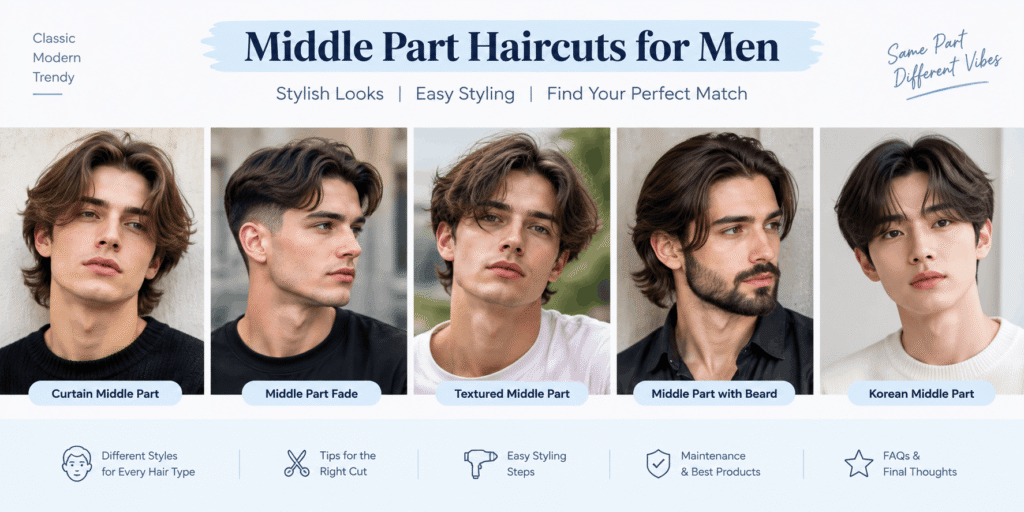
A middle part haircut is arranged so the hair separates near the centre of the scalp. From there, the two sections can fall toward the forehead’s sides, curve around the temples, or sweep backward.
The part itself does not determine the entire haircut. Length, layering, and the shape around the ears can change its appearance considerably. For instance, longer front sections create a curtain effect, while a tapered outline gives the same central arrangement a cleaner finish.
Before choosing a style, consider your natural parting. If your hair consistently moves toward one side, achieving a centre separation may require a little training with a blow-dryer. Thick hair may need carefully placed layers, whereas finer hair often benefits from keeping enough weight at the ends.
Stylish Middle Part Hairstyles for Men
1. Middle Part Flow
This haircut is all about letting the hair move naturally. The front sections sweep away from the forehead, while the remaining length follows the shape of the head instead of being forced into a rigid arrangement.
It is a strong option for men who like a relaxed appearance. Ask your barber to preserve enough length around the temples so the hair can move without sticking out awkwardly.
2. Middle Part Mullet
A mullet introduces a longer back to the centre-parted front, creating a shape that looks different from ordinary curtains. The contrast can be subtle or deliberately noticeable, depending on how the sides and neckline are cut.
If you want something wearable for everyday life, request a gradual transition between the shorter sides and longer rear section. A more pronounced difference gives the haircut a stronger fashion statement.
3. Messy Middle Part
This style embraces irregularity. Instead of arranging both sides into perfectly smooth sections, the hair is left with loose strands and an intentionally relaxed finish.
It is particularly useful when you want texture rather than a formal appearance. Work a small amount of matte product through the hair and arrange it with your fingers; a combed, overly polished finish defeats the purpose of the style.
4. Middle Part Fade
A fade changes the outline around the sides while leaving the upper hair long enough to part centrally. The contrast between the two areas makes the haircut look sharper than a version with naturally full sides.
A low fade keeps the change close to the ears, whereas a higher fade exposes more of the sides. Tell your barber how dramatic you want the contrast to be before deciding on the fade height.
Choosing a Styling Kit for Straight, Thick Asian Hair
Straight, thick Asian hair can hold its shape well, but its density may make the front difficult to direct away from the forehead. The most useful approach is to combine a suitable cut with controlled drying rather than applying several styling products.
A basic kit can include a blow-dryer, heat protectant, lightweight conditioner, and one finishing product. Texture powder can help create lift, while styling cream is useful when the goal is a softer, more natural appearance.
After washing, gently remove excess water with a towel. Create the centre separation while the roots are damp, then dry each side in the intended direction. Keep the dryer moving and avoid excessive heat.
Finish with a small amount of product. If the front repeatedly falls into place in the wrong direction, ask your barber to assess the length and natural growth pattern before you buy stronger styling formulas.
5. Flat Middle Part
A flat middle part keeps the hair close to the head instead of lifting it at the roots. Its simple shape suits men who prefer a restrained finish and do not want a lot of volume.
The style works best when the hair naturally lies smoothly. A lightweight cream can tame flyaways, but heavy wax may leave the roots looking greasy.
6. Soft Middle Part
With a soft middle part, the separation is suggested rather than sharply drawn. The hair opens gently around the forehead, producing a less structured result than a precise centre line.
This option is worth considering if you want a natural appearance that can be adjusted easily. The front sections do not need to match perfectly; a little variation can make the haircut look more effortless.
7. Medium-Length Middle Part
Medium-length hair gives you enough room to shape the front without the extra care associated with very long hair. You can wear it close to the face, sweep it outward, or add lift at the roots.
The cut should account for your hair’s density. Thick hair may benefit from removing excess bulk, while fine hair usually needs a shape that avoids making the ends look sparse.
8. Blonde Middle Part
Colour changes the way layers and movement appear. A blonde finish can make the haircut more noticeable, whether you choose an all-over shade or a few lighter sections.
Think about upkeep before choosing a colour. Lightening naturally dark hair can require substantial processing, so a professional colourist can help you select a suitable shade and reduce avoidable damage.
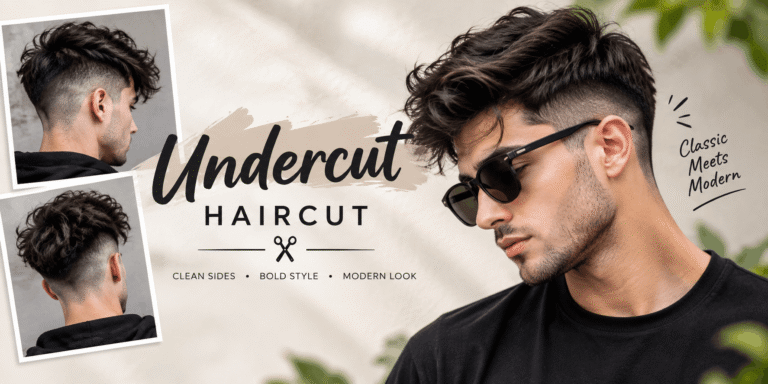
9. Skin Fade Middle Part
A skin fade brings the sides down to very short stubble or bare skin while leaving length on top. The difference creates a crisp outline that contrasts with the movement of the centre-parted hair.
This is a good choice if you like a defined haircut, but it requires regular maintenance to keep the fade looking fresh. If you prefer fewer barber visits, a less aggressive taper may be more practical.
10. Middle Part Taper Fade
A taper fade gradually reduces the hair around the temples and neckline. Compared with a skin fade, it can leave more coverage around the sides and create a quieter transition.
This makes it adaptable to different settings. The top can remain casual for everyday wear or be arranged more neatly when you want a polished appearance.
11. Short Middle Part
The short version keeps the front compact while allowing a visible centre separation. It is useful for men who like the idea of curtains but do not want long sections hanging over the forehead.
The main consideration is whether the hair has enough length to separate naturally. If it springs forward, a barber may suggest growing the front slightly before shaping it.
12. Low Taper Middle Part
A low taper focuses on the hair around the lower temples and neckline, leaving much of the side length intact. This gives the haircut a tidy outline without creating a strong contrast.
It is a sensible choice if you want a modern finish that remains understated. The top can be worn loosely or shaped with a small amount of styling cream.
13. Wavy Middle Part
Waves create their own movement, so this style does not need every strand placed individually. The hair curves around the forehead and gives the centre separation a softer outline.
Use a light leave-in conditioner on damp hair and allow it to dry naturally, or use a diffuser on a gentle setting. Brushing vigorously after drying may disturb the waves and increase frizz.
14. Textured Middle Part
A textured cut creates visible variation between strands instead of one continuous, smooth surface. The result can look fuller and more dynamic, especially when the hair has enough length to show the layers.
Ask your barber to adjust the texture to your hair density. A small amount of matte clay can highlight the shape, but too much may weigh down finer hair.
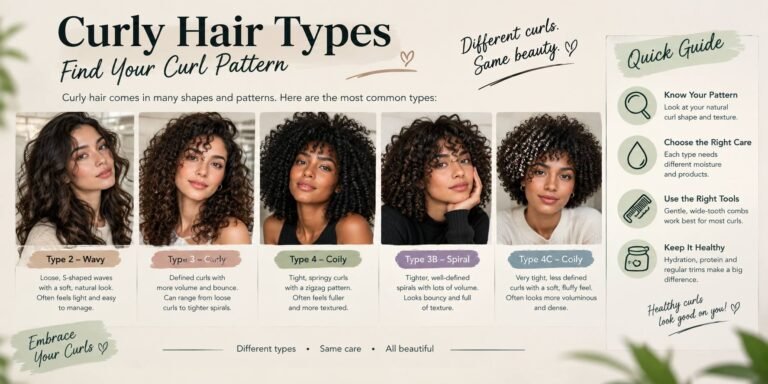
15. Curly Middle Part
Natural curls give the centre part a fuller shape, with each side forming its own pattern around the face. Because curls can shrink as they dry, the final length may differ considerably from the length seen when wet.
Choose a barber who understands your curl pattern and explain how you usually wear your hair. A suitable curl cream and regular conditioning can help maintain definition without forcing the curls into a rigid arrangement.
16. Korean Middle Part
Korean-inspired versions often use balanced layers, a soft front, and carefully controlled volume. Depending on the cut, the hair may curve away from the forehead or fall gently along the temples.
Bring a reference photograph to your appointment, but ask for adjustments that suit your own density and growth direction. A style that looks effortless in a photograph may need a different cut to work with your hair.
17. Slick Back Middle Part
This variation directs the hair backward while preserving a central separation. It creates a more open forehead than a curtain style and can give the haircut a polished finish.
Use a comb to guide the hair, then apply a small amount of styling cream or pomade. Start with less product and add more only if needed; excessive product can make the top appear oily.
18. Long Middle Part
Long hair creates a flowing shape in which the two sections may extend beyond the ears or toward the shoulders. The final look depends on how the ends sit, so well-planned layers can help prevent the hair from appearing too heavy.
Longer lengths require more attention to tangles and dryness. Use conditioner, detangle gently, and arrange regular trims to keep the ends in good condition.
19. Middle Part Curtains
Curtains are defined by front sections that frame the forehead and temples. They can be short and subtle or long enough to fall toward the cheekbones.
Tell your barber where you want the front sections to end and whether you prefer a clean edge or softer layers. The right length will depend on how your hair falls when dry, not just how it looks when wet.
20. Blowout Taper Middle Part
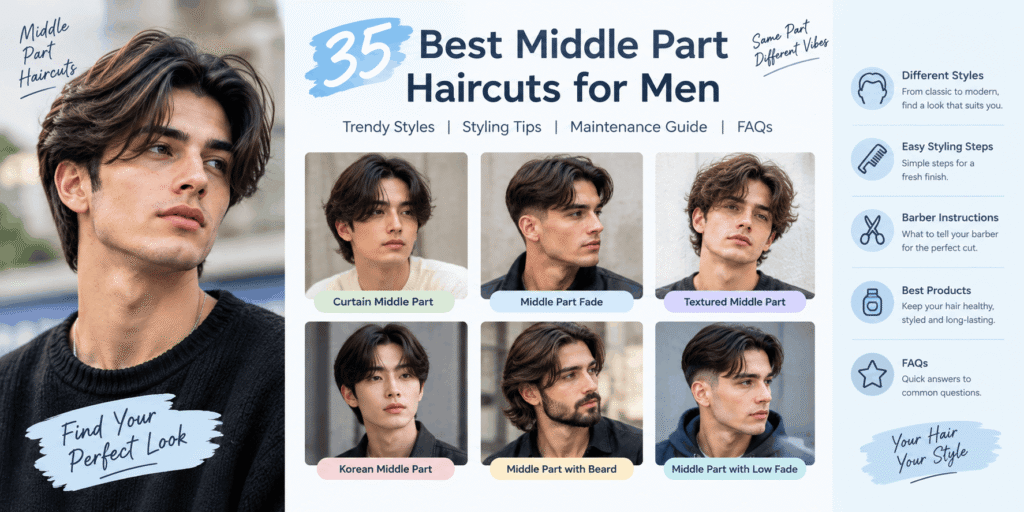
A blowout taper middle part combines lifted hair on top with neatly tapered sides. The hair is blow-dried to create height and a fuller appearance, while the center part keeps the style balanced. It works well for men who want a modern haircut with noticeable volume. Use a lightweight styling product to keep the roots lifted without making the hair greasy.
21. Two Block Middle Part
The two block middle part features shorter hair around the sides and back, with longer hair on top. Often associated with Korean hairstyles, it creates a clear contrast between the upper and lower sections. Parting the top hair down the middle gives it a relaxed, youthful look. Ask your barber to keep enough length on top so the hair can fall naturally on both sides.
22. Fluffy Middle Part
A fluffy middle part focuses on softness, movement, and natural volume. The hair is usually medium-length and lightly layered, allowing it to lift without looking stiff. Blow-dry the roots while directing the hair away from the center, then use a small amount of texture cream. This option is especially suitable for people who prefer a casual style rather than a sharply defined part.
23. Burst Fade Middle Part
A burst fade middle part combines a curved fade around the ears with longer hair on top. The middle part adds shape, while the fade gives the haircut a sharper outline. It can work particularly well with wavy or textured hair. Because the fade needs a clean finish, regular barber visits help maintain the contrast.
24. Mid Taper Middle Part
The mid taper middle part gradually shortens the hair around the temples and neckline while leaving the top long enough to split in the center. It offers a neat appearance without removing too much hair from the sides. This makes it a useful choice for men who want a polished haircut that still looks natural when the top grows out.
25. Middle Part for Straight Hair
Straight hair can make a middle part look clean and defined. However, very straight hair may fall flat, particularly when it is heavy or lacks layers. Ask for light layering if you want movement, and use a blow-dryer to lift the roots. A small amount of styling cream can control flyaways without making the hair look oily.
26. Middle Part for Asian Hair
Many Asian hair types are naturally straight, dense, or resistant to shaping, although texture varies from person to person. A middle part can work well when the cut accounts for the hair’s natural direction and thickness. Longer layers may help reduce bulk, while a taper keeps the sides tidy. Choose a styling product that provides control without weighing the hair down.
27. Middle Part Perm
A middle part perm adds waves or curls to hair that is naturally straight. The added texture can create fullness and make the center part more noticeable. The final result depends on hair length, curl size, and the perm technique. Follow your stylist’s aftercare advice, avoid excessive heat, and use conditioner to help keep the hair manageable.
28. Layered Middle Part
Layers help remove excess weight and give the hair more movement. In a layered middle part, the shorter sections support volume while the longer pieces frame the face. This style can be adapted for straight, wavy, or slightly curly hair. Tell your barber whether you prefer subtle layers or a more visible, textured finish.
29. Modern Middle Part
A modern middle part combines the traditional center split with contemporary details such as tapered sides, textured ends, or a loose finish. Unlike a very formal hairstyle, it does not need to look perfectly symmetrical. The best version depends on your hair texture and personal style, so bring a reference photo when discussing the cut with your barber.
30. Wolf Cut Middle Part
The wolf cut middle part combines choppy layers, a fuller crown, and longer sections around the back. The center part helps frame the face, while the uneven layers create a deliberately undone appearance. It is a strong option for men who like alternative or fashion-forward hairstyles. Styling is usually simple: add texture spray and allow the layers to fall naturally.
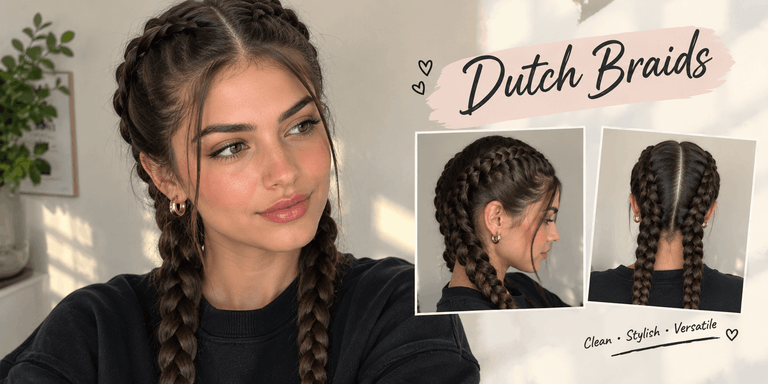
31. Middle Part Braids
Middle part braids create a defined center line before the hair is braided into the chosen pattern. The exact look depends on braid size, length, and arrangement. This style requires enough hair for the intended braids and should be installed without excessive tension. Keep the scalp clean and follow suitable maintenance advice to protect your hair and scalp.
32. Old Money Middle Part
The old money middle part has a refined, understated appearance. It usually features medium-length hair, soft layers, and a smooth finish rather than dramatic fades or extreme texture. The aim is to make the hair look healthy and naturally arranged. A light cream or a small amount of pomade can provide control while preserving movement.
33. Classic Middle Part
The classic middle part uses a simple center split with hair falling evenly to either side. It does not depend on a dramatic fade or elaborate styling. The cut works best when the length suits your natural hair texture and the front sections sit comfortably around the face. Regular trims keep the ends neat and prevent the shape from becoming bulky.
34. Middle Part with Beard
Pairing a middle part with a beard creates contrast between the movement of the hair and the structure of the facial hair. A fuller beard can make the overall look more rugged, while a short, neatly shaped beard keeps it smart. Choose a haircut length that balances your beard rather than allowing both to become excessively heavy around the face.
35. Middle Part with Low Fade
A middle part with a low fade keeps the sides short near the ears and neckline while preserving more length above them. Because the fade begins low, the result is usually subtle and versatile. The longer top can be styled loosely, neatly, or with extra texture. This is a practical option for men who want a current haircut without an overly dramatic contrast.
Middle Part vs Other Hairstyles
Middle Part vs Side Part
A middle part divides the hair near the center, creating a balanced frame around the face. A side part directs more hair toward one side and often gives a more traditional or formal appearance. Neither is universally better: choose according to your hair growth, preferred look, and how much styling you want to do.
Middle Part vs Curtains
Curtains are a particular style in which the front sections fall away from the center, resembling curtains around the forehead. A middle part simply describes where the hair is divided and can be used with many different cuts. Curtains often have a more noticeable face-framing effect, while other middle-part styles may be shorter, slicker, or more textured.
How to Hold a Middle Part All Day on Straight, Thick Asian Hair
Thick, straight hair can push back against the shape you create. Start with slightly damp hair and establish the part with a comb. Blow-dry each side in its intended direction, lifting the roots for volume. Apply a small amount of lightweight cream or texture product, concentrating on the areas that need control. Avoid using too much product, as heavy formulas can flatten the hair.
How to Choose the Right Middle Part
By Hair Type
Straight hair often benefits from layers or root volume. Wavy hair can use its natural texture for a relaxed finish, while curly hair may need a longer cut to let the curls frame the face comfortably. Thick hair may require weight removal, whereas fine hair usually benefits from lighter products that do not flatten it.
By Face Shape
A middle part can be adapted to many face shapes, but the length and volume make a difference. Longer face-framing sections may soften a broad forehead, while added volume at the sides can balance a longer face. Round faces may benefit from height at the crown. These are styling guidelines, not strict rules—your natural features and preferences matter most.
How to Ask Your Barber for a Middle Part
Describe the Style Clearly
Tell your barber whether you want a classic center part, curtains, a taper, or a fade. Mention how much length you want to keep on top and whether you prefer a neat or textured finish.
Show a Reference Photo
A clear photo helps communicate the shape, length, and finish you want. If possible, show a front view and a side view so your barber can understand the full haircut.
Discuss Hair Length and Layers
Explain whether you want the front sections to reach your eyebrows, cheekbones, or another point. Ask about layers if your hair is too heavy or does not fall naturally into place.
How to Style a Middle Part
Prep and Condition the Hair
Wash your hair when needed and use conditioner suited to your hair type. Towel-dry gently so the hair is damp rather than dripping wet.
Create the Middle Part
Use a comb to mark the center of your forehead and continue the line toward the crown. Adjust the part slightly if your natural growth pattern makes a perfectly centered line difficult.
Add Texture and Volume
Apply a suitable texture spray or lightweight styling product. Work it through the hair evenly, focusing on the roots if you want extra lift.
Blow-Dry for Shape and Hold
Direct each side away from the center while drying. Use your fingers for a loose finish or a brush for a smoother result. Let the hair cool before making final adjustments.
Apply Styling Product to Finish
Finish with a small amount of cream, clay, or pomade according to the look you want. Start with less product and add more only if necessary.
How to Maintain a Middle Part Hairstyle
Regular Trims
Trim the ends and tidy the sides when the haircut loses its shape. Fades and tapers generally need more frequent touch-ups than longer, natural styles.
Daily Hair Routine
Comb the hair into place, refresh the roots if needed, and avoid repeatedly applying heavy products. Wash out styling residue regularly and use conditioner to maintain softness.
Best Hair Products for Middle Part Styles
Texture Clay
Best for adding definition and a more matte finish, particularly to textured or layered hair.
Styling Cream
A good choice for light control, softness, and a natural appearance without excessive stiffness.
Sea Salt Spray
Useful for creating a beach-inspired texture and a slightly tousled finish. It may feel drying if overused.
Pomade
Suitable for smoother styles that need shine and control, including slicked-back middle parts.
Texture Powder
Can add root lift and reduce a flat appearance, especially in fine or straight hair. Use a small amount to avoid a dry feel.
Hydrating Argan Oil
A few drops can help soften dry-looking lengths and improve manageability. Avoid applying too much near the roots.
Clarifying Shampoo
Can help remove accumulated styling products when used occasionally. It should not replace regular shampoo for every wash.
Hydrating Conditioner
Helps keep hair softer and easier to comb, particularly when it is thick, long, or chemically treated.
Final Thoughts
A middle part haircut is a versatile choice for men who want a hairstyle that looks modern, stylish, and easy to personalize. From classic curtains and soft layers to textured styles and clean fades, there are plenty of options for different hair types and face shapes. The key is choosing a length and finish that work with your natural hair rather than fighting against it. With the right haircut, a simple styling routine, and regular maintenance, you can keep your middle part looking fresh and well-groomed every day.
A middle part haircut features hair divided near the center, with the front sections falling toward both sides of the face.
Yes, a middle part can create a stylish and balanced appearance when the length and shape suit your features.
Yes, middle part hairstyles remain a popular choice, especially textured curtains, Korean middle parts, and tapered variations.
Oval faces often suit a wide range of middle part styles. Other face shapes can also work well with the right length, layers, and volume.
One Comment