Hair loss is a natural part of life for many men, but finding the right haircut can make a noticeable difference in how you look and feel. Whether your hairline is gradually receding, your crown is becoming thinner, or you are experiencing more widespread hair loss, the right hairstyle can help you achieve a neat, balanced, and confident appearance.
The best haircuts for balding men are not necessarily the ones that hide every sign of hair loss. Instead, they work with your natural hair pattern, face shape, and personal style. A well-chosen haircut can reduce the contrast between thinning and thicker areas, create a cleaner silhouette, and make your hair easier to maintain.
Some men prefer short, low-maintenance hairstyles, while others want to keep a little length for a more traditional look. Fortunately, there are plenty of attractive options for different stages of hair loss.
This guide explores the most flattering haircuts for balding men, explains how to choose a style for your hairline, and shares practical grooming tips to help you maintain a polished appearance.
Best Haircuts for Balding Men
1. Buzz Cut
The buzz cut is one of the most popular haircuts for men experiencing hair loss. It involves trimming the hair to a short, even length using electric clippers. Depending on your preference, the hair can be cut extremely close to the scalp or left slightly longer.
A buzz cut works particularly well for men with a receding hairline or thinning hair across the top. Because the hair is short and relatively uniform, the difference between thicker and thinner areas becomes less noticeable.
This haircut also creates a clean, masculine appearance without requiring complicated styling. It is an excellent option for men who want to simplify their grooming routine.
You can ask your barber for a number two or three guard for a slightly fuller appearance, or choose a number one guard for a closer finish. The best length depends on your hair density and the shape of your head.
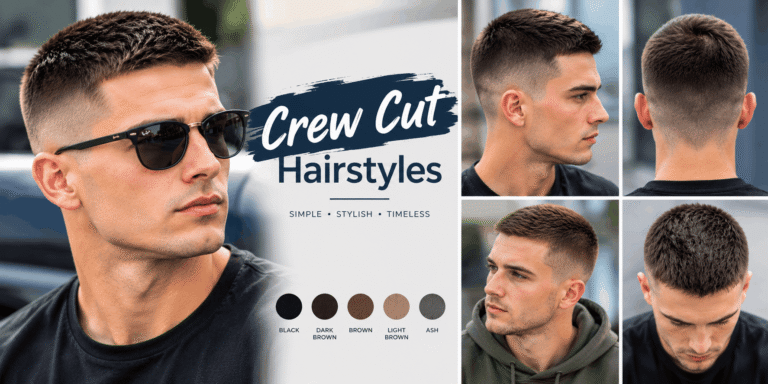
2. Crew Cut
A crew cut offers a little more length than a traditional buzz cut. The hair on top is kept short, while the sides and back are trimmed even shorter.
This difference in length creates a subtle structure that can make thinning hair look more intentional. It is especially suitable for men with mild to moderate hair loss who still have enough density on the front and top.
The crew cut is also versatile. You can wear it naturally, add a small amount of matte styling product, or ask your barber for a slight textured finish.
For a flattering result, avoid leaving the front too long if your hairline is significantly receding. A shorter, textured top usually creates a more balanced appearance.
3. High and Tight
The high and tight is a military-inspired haircut featuring very short sides and back with a small amount of hair remaining on top.
It is a practical choice for men with thinning hair who prefer a sharp, structured look. The closely trimmed sides create a clean outline, while the short top keeps the overall style simple.
This haircut works particularly well for men with a naturally strong jawline or angular facial features. However, it can also suit rounder faces when the top is kept slightly longer.
The high and tight requires very little daily maintenance. Regular barber visits help preserve the clean contrast between the sides and top.
4. Short Textured Crop
A short textured crop is a stylish option for men who want to retain some length without making thinning hair the main focus.
The hair on top is cut into short, uneven layers, creating a natural texture. The sides can be tapered or faded to give the haircut a modern finish.
Texture is useful because it breaks up the appearance of the hair, making areas of uneven density less obvious. Instead of looking flat or carefully arranged, the hairstyle appears relaxed and natural.
This haircut can work well for men with a receding hairline, especially when the front is styled slightly forward. A textured crop is also suitable for men with thinning hair around the crown, provided the top is not left excessively long.
5. Caesar Cut
The Caesar cut is a classic short hairstyle featuring a relatively even length on top and a small fringe brushed forward.
It is particularly useful for men whose hairline is beginning to recede at the temples. The forward fringe can soften the appearance of the forehead without requiring a large amount of hair.
Unlike a longer comb-over, the Caesar cut does not depend on covering thin areas with longer strands. Its short, controlled shape looks intentional and easy to maintain.
For a modern version, ask your barber for a textured top and a low taper around the sides. This creates a softer finish than a completely uniform haircut.
6. Short Side Part
A short side part is a traditional hairstyle that can work well for men with mild hair loss.
The hair is kept relatively short and divided naturally to one side. The top can be slightly longer than the sides, creating a neat and professional appearance.
This haircut is most suitable for men who still have reasonable density across the front and top. A deep side part may make thinning areas more visible, so a subtle part is usually a better choice.
Use a small amount of lightweight styling cream to keep the hair in place. Avoid heavy gels that make the hair stick together, as this can expose the scalp.
7. Ivy League Haircut
The Ivy League haircut combines the clean structure of a crew cut with slightly longer hair at the front.
It is a good choice for men who want a polished appearance without committing to an extremely short haircut. The front can be styled gently to the side or lifted slightly for a natural finish.
This hairstyle works best when the hairline is receding gradually and the top still has enough density to support a little styling.
Ask your barber for a short, tapered cut with a modest amount of length at the front. Keeping the sides neat helps create a balanced shape without drawing unnecessary attention to thinning areas.
8. Skin Fade with a Short Top
A skin fade gradually reduces the hair on the sides until it blends closely into the skin. When paired with a short top, it creates a modern and defined appearance.
This haircut can suit men with thinning hair who want a sharper, more contemporary style. The contrast between the sides and top creates a deliberate shape rather than allowing the hair to look uneven.
A low or mid fade is often a more balanced choice than an extremely high fade, especially if the hair is thinning around the crown.
The top should remain short enough to blend naturally with the surrounding hair. A barber experienced with thinning hair can adjust the fade to complement your natural density.
9. Short Slicked-Back Hair
Slicked-back hair can work for men with mild hair loss who still have enough density across the top.
The hair is kept short or medium-short and brushed backward using a lightweight styling product. This creates a clean, traditional appearance that works well in professional settings.
However, slicking the hair straight back may expose a receding hairline. For a softer finish, keep the front slightly textured rather than pulling every strand tightly away from the forehead.
Choose a matte cream or light styling paste instead of a heavy, glossy gel. A natural finish generally makes thinning hair appear less separated.
10. Shaved Head
A completely shaved head is a confident and practical option for men experiencing significant hair loss.
Instead of trying to disguise thinning areas, this style creates a consistent appearance across the scalp. It can look especially striking when paired with neatly maintained facial hair.
A shaved head requires minimal styling, although regular shaving and scalp care are important. Use a clean razor or suitable electric shaver, and apply a gentle moisturizer afterward.
If you spend time outdoors, protect your scalp from the sun with sunscreen or a hat. A shaved head can be particularly exposed to sunlight.
Choosing a Haircut for Your Type of Hair Loss
The most flattering hairstyle depends on where your hair is thinning and how much density remains.
Receding Hairline
A receding hairline usually begins around the temples and may gradually form an M-shaped pattern.
Short hairstyles such as the buzz cut, crew cut, Caesar cut, and textured crop can work well. These styles reduce the contrast between the front hairline and the rest of the hair.
If you prefer a little more length, choose a short Ivy League cut or a subtle side part. Avoid forcing the hair forward into an artificial fringe or leaving long strands to cover the temples.
The goal is to create a haircut that looks natural with your existing hairline.
Thinning Crown
Thinning around the crown can be more noticeable when longer hair separates into individual strands.
A short buzz cut or crew cut can help reduce the contrast between the crown and surrounding hair. A short textured crop may also work if the remaining hair has enough density.
If you prefer a slightly longer style, ask your barber to keep the crown balanced with the rest of the haircut.
Avoid creating a strong contrast between very short sides and a long, thin top. This can draw attention to the area you want to make less noticeable.
Diffuse Thinning
Diffuse thinning means the hair is becoming thinner across several areas rather than only at the temples or crown.
For this pattern, shorter haircuts are often easier to manage. Buzz cuts, crew cuts, and short textured styles can create a more uniform appearance.
Longer hair may still be suitable if it has enough volume, but excessive length can make the hair look flatter.
A barber can help determine whether a slightly textured finish or an even clipper cut works better for your hair density.
Advanced Hair Loss
When hair loss becomes more extensive, a shaved head or very short buzz cut can be a practical choice.
These styles reduce the need to disguise thin areas and create a consistent look. Some men also prefer to grow a beard or maintain light stubble to add definition to their facial features.
There is no requirement to shave your head simply because you are losing hair. The best choice is the one that makes you feel comfortable and confident.
How to Choose the Right Haircut for Your Face Shape
Face shape can influence how a haircut looks, but it should not be the only factor in your decision.
Men with oval faces can usually wear a wide range of short hairstyles, including buzz cuts, crew cuts, and textured crops.
For round faces, a slightly longer top with shorter sides can create the appearance of additional length. A crew cut or short fade may be a good option.
Square faces often suit clean, structured haircuts such as the high and tight, buzz cut, or short crop. These styles can complement a defined jawline.
For longer faces, a very high fade combined with an extremely short top may make the face appear even longer. A more balanced cut with moderate side length can help maintain proportion.
If you have a prominent forehead, a short forward fringe may soften the appearance of your hairline. However, keeping the fringe natural is important for avoiding an artificial look.
Grooming Tips for Balding Men
A flattering haircut is only part of a well-groomed appearance. A few simple habits can help you maintain your chosen style.
Keep the Haircut Maintained
Short haircuts can lose their shape as the hair grows. Depending on your style and growth rate, you may need a trim every two to four weeks.
A buzz cut may be easy to maintain at home with a reliable clipper, while fades and textured crops often benefit from professional trimming.
Use Lightweight Styling Products
Heavy waxes, gels, and oily products can make thin hair appear flat or separated.
A lightweight matte paste or styling cream can provide a natural finish without weighing the hair down.
Use a small amount and distribute it evenly. Avoid applying too much product directly to the scalp.
Maintain a Healthy Scalp
Wash your hair according to your scalp’s needs. If you experience dryness, choose a gentle shampoo and consider using a lightweight moisturizer.
If you shave your head, protect the scalp from irritation and sun exposure. A broad-spectrum sunscreen with SPF 30 or higher is a useful option when spending time outdoors.
Consider Facial Hair
A neatly maintained beard or moustache can complement a short haircut or shaved head.
The right facial hair style depends on your face shape, beard growth, and personal preference. Short stubble can create a subtle contrast, while a fuller beard may add definition to the lower part of the face.
Facial hair is optional, and a clean-shaven look can be equally flattering.
Avoid Overstyling
Trying to cover every thin area with long strands can make hair loss more noticeable.
Instead of repeatedly adjusting your hair throughout the day, choose a haircut that works naturally with your hairline.
A simple style that requires little effort is often easier to maintain and looks more authentic.
Haircuts to Avoid When You Are Losing Hair
Some hairstyles can make thinning hair more noticeable, particularly when they create strong contrasts or depend on covering specific areas.
Very long hair may appear flat when the hair density is low. Long strands can separate and expose the scalp, especially around the crown.
An exaggerated comb-over can also draw attention to a receding hairline. When long hair is pulled across a large area, the style may look unnatural or become difficult to maintain.
Extremely sharp parts can expose the scalp along the parting line. A softer, more natural division is often more flattering for men with thinning hair.
Heavy styling products can make the hair clump together and appear thinner. A lightweight product with a matte finish is generally a better option.
These are not strict rules. If you enjoy longer hair or a particular hairstyle, you can still wear it confidently. The important thing is to choose a style that suits your hair density and feels comfortable to you.
What to Tell Your Barber
If you are unsure which haircut will work best, start by explaining your hair loss pattern and how much maintenance you prefer.
You might say, “I have thinning hair around the crown and a slightly receding hairline. I want a short haircut that looks natural and does not require much styling.”
You can also bring reference photos showing the length and shape you like.
Ask your barber to consider your natural hairline, crown density, face shape, and hair texture before choosing a style.
A barber who regularly works with thinning hair can suggest adjustments that make the haircut look balanced without relying on complicated styling techniques.
Final Thoughts
Finding the best haircuts for balding men is about choosing a style that works with your natural hair pattern rather than fighting against it.
Buzz cuts, crew cuts, short textured crops, Caesar cuts, and shaved heads are popular options because they create clean shapes and are relatively easy to maintain. Men with mild hair loss may also enjoy an Ivy League haircut or a short side part.
The right choice depends on your hairline, crown density, face shape, and personal style. A skilled barber can help you find a haircut that feels natural and suits your appearance.
Hair loss does not mean you have to sacrifice style. With a suitable haircut and simple grooming habits, you can maintain a polished look and feel confident at every stage of your hair journey.
The buzz cut is one of the most versatile choices because it creates an even appearance and requires little maintenance. A crew cut, short textured crop, or shaved head can also be flattering depending on your hair loss pattern.
Short hair can make thinning areas less noticeable by reducing the contrast between thicker and thinner sections. However, some men with mild hair loss can wear slightly longer styles successfully.
Yes. A buzz cut can reduce the visual contrast between the hairline and the rest of the hair. It is particularly useful for men who want a simple, low-maintenance hairstyle.
No. Shaving does not change the thickness, growth rate, or density of hair. It only removes the visible portion of the hair shaft.