Melasma treatment focuses on gradually reducing excess pigmentation, protecting the skin from triggers, and helping prevent dark patches from becoming more noticeable. Melasma commonly appears as brown or gray-brown patches on the face, particularly on the cheeks, forehead, upper lip, and chin. Although it is not usually harmful, it can be persistent and may require ongoing care.
There is no single treatment that works for everyone. The right approach depends on the depth of pigmentation, possible triggers, skin sensitivity, and whether you are pregnant or using medications that may affect pigmentation. A dermatologist can help distinguish melasma from other skin conditions and develop a plan suited to your skin.
Understanding Melasma and Why It Appears
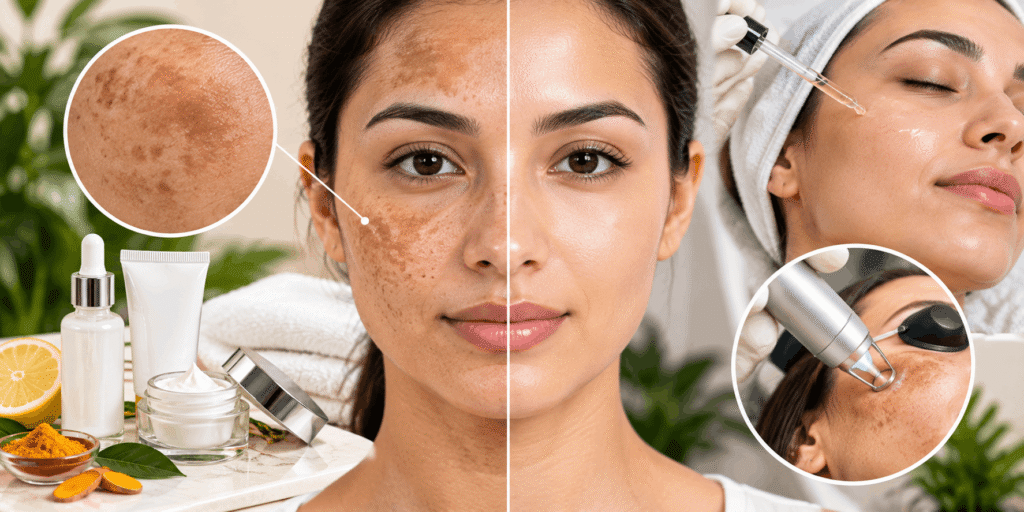
Melasma treatment is a pigmentation condition in which certain skin cells produce excess melanin, the pigment responsible for skin color. This can lead to uneven patches that are darker than the surrounding skin. The patches are usually flat rather than raised and often appear in a fairly symmetrical pattern on the face.
The exact cause is not always clear. Sun exposure and hormonal changes are important contributing factors, and melasma can become more noticeable after spending time outdoors. Pregnancy and hormonal medications, including some birth control methods, may also be associated with its development. People with medium-to-dark skin tones or skin that tans easily may be more likely to experience it, although melasma can affect many different skin tones.
What Melasma Can Look Like
Melasma often appears as irregular patches rather than individual, sharply defined spots. The color may range from light brown to darker brown or grayish-brown. Common areas include:
- The cheeks and bridge of the nose
- The forehead and temples
- The upper lip
- The chin
- Less commonly, areas such as the neck or forearms
The appearance can vary from person to person. Some people notice a few small patches, while others develop broader areas of uneven pigmentation. Melasma typically does not cause pain or itching, but a new or changing skin mark should not automatically be assumed to be melasma.
Freckles, sun spots, post-inflammatory hyperpigmentation, and other skin conditions can sometimes look similar. A healthcare professional can examine the affected area and determine whether further assessment is needed.
Is Melasma Permanent?
Melasma may fade, remain for years, or return after improving. When hormonal changes contribute to the condition, some people notice improvement after pregnancy or after a triggering medication is changed under medical guidance. However, this does not happen for everyone.
Sun exposure can make existing patches darker and may contribute to recurrence. Even after a successful course of treatment, continued sun protection is important because melasma can be a long-term, recurring condition.
Melasma Treatment Options That May Help
Melasma treatment usually involves a combination of sun protection, appropriate skincare, and sometimes prescription medication or in-office procedures. A dermatologist may adjust the plan according to your skin tone, sensitivity, medical history, and response to treatment. There is no guaranteed instant solution, and using multiple strong products at once can irritate the skin.
1. Make Sun Protection a Daily Habit
Sun protection is a central part of melasma care. Ultraviolet radiation can stimulate pigment production, making patches darker or encouraging them to return after treatment.
A practical routine includes applying a broad-spectrum sunscreen with SPF 30 or higher, seeking shade when possible, and wearing protective clothing or a wide-brimmed hat outdoors. Sunscreen should be reapplied at least every two hours while outdoors, and sooner after swimming or sweating, according to the product instructions.
Tinted sunscreen containing iron oxides may offer additional protection against visible light, which can worsen melasma, particularly in darker skin tones. A tint that blends comfortably with your skin can also make daily use more convenient.
Sunscreen is not a one-time treatment. It is an ongoing part of managing melasma, including on days when you are not actively trying to fade existing patches.
2. Use Gentle, Consistent Skincare
A gentle routine can support the skin while other treatments address pigmentation. Harsh scrubs, frequent exfoliation, or products that cause burning and stinging may irritate the skin. Irritation can sometimes make discoloration more noticeable, so stronger products are not automatically more effective. <Cite ref=”turn0search1″/>
A simple routine may include:
- A mild cleanser that does not leave the skin feeling tight
- A moisturizer suited to your skin type
- Broad-spectrum sunscreen in the morning
- Any treatment recommended by your dermatologist
Avoid introducing several new active ingredients at the same time. If a product causes persistent burning, redness, or irritation, stop using it and seek professional advice rather than trying to push through the reaction.
3. Prescription Creams and Other Topical Treatments
A dermatologist may recommend topical medication to reduce excess pigmentation. One commonly used ingredient is hydroquinone, which can help lighten areas affected by melasma. Other prescribed approaches may include combinations involving tretinoin and a corticosteroid, or a triple-combination cream containing hydroquinone, tretinoin, and a corticosteroid.
These treatments are not suitable for everyone and should be used only with appropriate medical guidance. The strength, frequency, duration, and suitability of a medication depend on individual circumstances. Using a prescription cream more often than directed does not guarantee faster results and may increase the chance of irritation or other side effects.
Dermatologists may also consider alternatives such as azelaic acid, kojic acid, or vitamin C, depending on the person’s skin and treatment needs. These ingredients can be found in different types of skincare products, but their presence on a label does not guarantee that a product will treat melasma effectively. <Cite ref=”turn0search0″/>
If you are considering a treatment cream, it is worth asking your dermatologist what results are realistic, how long to use it, and what to do if your skin becomes irritated.
4. In-Office Procedures
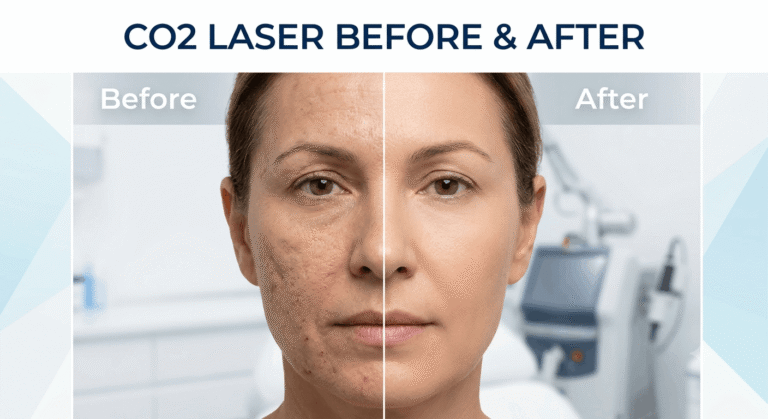
Some dermatologists may consider procedures such as chemical peels or laser and light-based treatments for selected cases. These approaches are not necessary for everyone, and they are not guaranteed to remove melasma permanently.
Procedures require careful selection because irritation or inflammation can sometimes worsen pigmentation. This is especially important for people whose skin is more prone to post-inflammatory dark marks. A qualified dermatologist can explain the potential benefits, risks, recovery, and alternatives before treatment.
Avoid choosing a procedure based only on dramatic before-and-after photographs. Results vary, and the safest option depends on the diagnosis and individual skin characteristics.
5. Oral Treatments Require Medical Assessment
For melasma treatment that is difficult to manage, a dermatologist may discuss additional prescription options, including tranexamic acid in selected cases. It may be used as part of a broader treatment plan, but it is not appropriate for everyone.
Oral tranexamic acid can carry important risks, including concerns related to blood clots. A clinician needs to review medical history, medications, and other risk factors before considering it. Do not take it for melasma based on social media advice or someone else’s prescription.
Melasma During Pregnancy and Hormonal Changes
Melasma may develop during pregnancy, when hormonal changes can affect pigmentation. It is sometimes called the “mask of pregnancy.” In some cases, the patches become less noticeable after delivery, but they may persist or return later. <Cite ref=”turn0search5″/>
If you are pregnant, trying to become pregnant, or breastfeeding, speak with your healthcare professional before using products intended to lighten pigmentation. Some commonly used melasma medications, including hydroquinone and topical retinoids such as tretinoin, should be avoided during pregnancy. A clinician can help determine which skincare options are appropriate for your circumstances. <Cite ref=”turn0search3″/>
Do not stop prescribed birth control or another medication on your own because you suspect it is contributing to melasma. A healthcare professional can help assess whether a medication may be involved and discuss safe alternatives when appropriate.
Everyday Habits That Support Melasma Care
Skincare is only one part of managing melasma. Consistency, sun protection, and avoiding unnecessary irritation can make your routine easier to maintain.
Keep Your Routine Simple
A complicated routine can make it difficult to identify which product is helping or causing irritation. Start with basic skincare and follow the treatment plan recommended by your dermatologist. Add other products only when there is a clear reason to do so.
Be Careful With Home Remedies
Lemon juice, household bleach, abrasive scrubs, and other harsh DIY treatments are not safe solutions for melasma. They can irritate or injure the skin and may worsen discoloration. Avoid applying untested mixtures or strong acids to dark patches.
Natural does not always mean gentle. If a home remedy causes stinging, burning, or redness, it may be irritating your skin rather than improving pigmentation.
Use Makeup If You Want Coverage
Makeup can temporarily help even out the appearance of melasma while treatment takes time. A concealer or foundation that matches your preferred finish can provide coverage without needing to treat the pigmentation itself.
If you use makeup alongside prescribed treatment, follow the recommended order for applying your medication, sunscreen, and cosmetics. A dermatologist can offer guidance on products that are less likely to irritate your skin.
How Long Does Melasma Treatment Take?
Melasma usually does not fade overnight. With a consistent treatment plan, visible improvement may take several months. The American Academy of Dermatology notes that treatment commonly takes around 3 to 12 months to show results. The time can vary depending on the treatment, depth of pigmentation, triggers, and individual response.
It is helpful to think of melasma care as a gradual process rather than a quick fix. Some people experience noticeable fading, while others need adjustments to their treatment plan. Even when the patches improve, continued sun protection and maintenance may be needed to reduce the chance of recurrence.
If you have followed a treatment plan for the recommended period without improvement, arrange a review with your dermatologist rather than increasing medication strength or combining products yourself.
When to See a Dermatologist
Consider seeing a dermatologist if you are unsure whether your pigmentation is melasma, if the patches are changing, or if over-the-counter products have not helped. Professional advice is especially important before using prescription lightening creams, oral medication, peels, or laser treatments.
A dermatologist may ask when the patches appeared, whether they change with sun exposure, what skincare products you use, and whether you take medications that could contribute to pigmentation. They may examine your skin closely and, when necessary, consider other causes of discoloration.
Seek medical assessment for a mark that is rapidly changing, raised, bleeding, painful, or otherwise unusual rather than assuming it is melasma.
Final Thoughts
Melasma treatment is usually a gradual process built around sun protection, gentle skincare, and carefully selected medical options when needed. Although melasma is not generally harmful, it can be persistent, and the same treatment may not work equally well for everyone.
Start with consistent sun protection and avoid harsh products that irritate your skin. If you need more help, a dermatologist can confirm the diagnosis and discuss treatments that fit your skin, medical history, and circumstances. Patience and a sustainable routine matter more than trying every brightening product available.