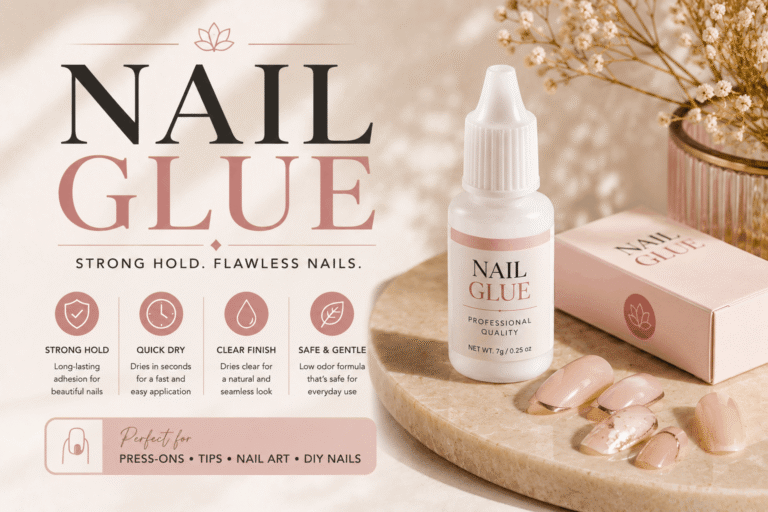
Healthy-looking nails are not just about nail polish or manicures. The skin around your nails also deserves attention, especially when your cuticles feel dry, rough, or uncomfortable. Cuticle oil is a simple way to moisturize this area and help the skin around your nails feel softer. However, not every formula, texture, or applicator is the same. Some oils are convenient for daily use, while richer formulas may be more suitable for dryness.
This guide covers different cuticle oil options, their key features, and the things to consider when choosing a product. Keep in mind that no oil can transform your nails overnight; regular, gentle care and realistic expectations are more important.
What Makes a Cuticle Oil Worth Considering?
A useful cuticle oil is mainly designed to condition the cuticle area and the surrounding skin. Formulas may contain different plant oils, moisturizing ingredients, or vitamin-based ingredients. The texture also matters: some oils are lightweight, while others leave a richer layer on the skin.
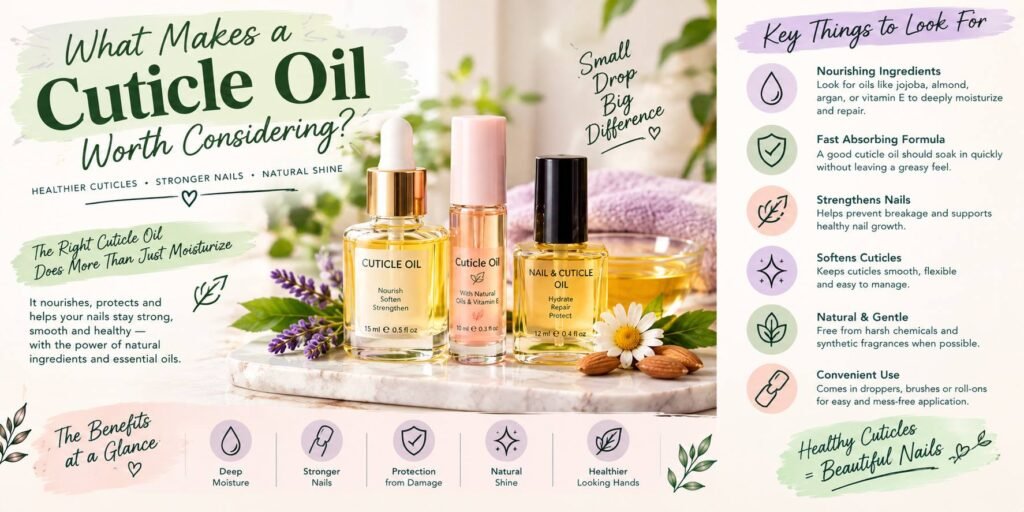
When choosing a cuticle oil, consider your routine. If you work at a desk or travel frequently, a compact applicator may be convenient. If you prefer doing your nail care at bedtime, a richer oil can be easy to incorporate into your routine.
8 Cuticle Oils to Know About
Cuccio Milk and Honey Cuticle Oil
Cuccio Milk and Honey Cuticle Oil may be worth considering for people who enjoy scented oils and a richer, conditioning feel in their nail-care routine. Its milk-and-honey theme makes it a recognizable option, particularly for users who want to care for their cuticles after a manicure.
Cuticle oil does not have to be reserved for salon visits. You can make it part of your regular nail-care routine as long as the formula works well for your skin. If you are sensitive to fragrance, checking the ingredient list before choosing a scented product can be helpful.
Sally Hansen Vitamin E Nail & Cuticle Oil
Sally Hansen Vitamin E Nail & Cuticle Oil is a familiar nail-care option recognized for its vitamin E focus. This type of product may appeal to people who want a dedicated oil for moisturizing dry-feeling skin around their nails.
When using it, starting with a small amount is practical so the product spreads comfortably over the cuticle area. Gently massaging the oil can make application easier. If you experience irritation or itching, stop using the product and review its ingredients.
CND LightningOil
CND LightningOil is a professional-brand option for nail care. Its name suggests a lightweight, quick-use nail oil that may be interesting for people who want to include cuticle care in their manicure routine.
When choosing a product, do not rely only on the brand or marketing language. The applicator, texture, ingredients, and your personal comfort are also important. If you use polish or other nail products, adjust when you apply the oil according to the product directions and your overall routine.
L’Occitane Shea Nail and Cuticle Oil
L’Occitane Shea Nail and Cuticle Oil may be worth considering for users who enjoy richer, skincare-style formulas as part of their nail-care routine. Shea-based products are generally known for their conditioning feel, although the exact experience depends on the formula and individual skin.
If your cuticles feel dry, gently applying the oil and rubbing it into the surrounding skin may be helpful. Instead of cutting or forcefully pushing back your cuticles, focus on gentle care. This can help keep your nail-care routine simple and less irritating.
Essie On A Roll Apricot Cuticle Oil
Essie On A Roll Apricot Cuticle Oil features a roll-on format that makes application convenient. A roll-on applicator can make it relatively easy to apply the product directly to the targeted area, especially if you prefer controlled application instead of pouring oil from a bottle.
Apricot-inspired formulas are commonly found in nail-care products, but the exact composition can vary from one product to another. For this reason, checking the ingredient label is a good idea, particularly if you are sensitive to a specific fragrance or ingredient.
OPI ProSpa Nail & Cuticle Oil
OPI ProSpa Nail & Cuticle Oil is a recognizable option for manicure-focused nail care. This type of dedicated oil can be incorporated into a routine to condition the cuticles and the surrounding skin.
If you regularly wear nail polish, maintaining cuticle care alongside your manicure routine can be useful. Instead of applying oil directly over polish, use it according to the product directions and your manicure routine. This can help keep the application neat and manageable.
Olive & June Cuticle Serum
Olive & June Cuticle Serum is an option for people who prefer serum-style nail care instead of a traditional oil. A serum format may feel lightweight or convenient for targeted application, although the actual texture depends on the product’s formula.
Before choosing it, check the packaging and directions so you know how much to apply and how the product should be used. The most useful product for your routine is one that feels comfortable and is easy to use consistently.
JINsoon Primrose + Honeysuckle Healing Cuticle Oil
JINsoon Primrose + Honeysuckle Healing Cuticle Oil may appeal to people who enjoy scented, botanical-inspired nail-care products. Primrose and honeysuckle are prominent in the product name, but it is still important to check the packaging for the exact ingredients and fragrance details.
Scented cuticle oils can make a manicure routine more enjoyable, but fragrance does not suit everyone’s skin. If your skin is easily irritated, review the ingredient list first and use the product according to its directions.
What to Look for in a Cuticle Oil
When choosing a cuticle oil, the first step is identifying your needs. If the skin around your nails feels dry, consider a moisturizing formula. If you want quick application, a roll-on or pen-style applicator may be convenient. If you prefer to avoid fragrance, look for an unscented option or carefully check the fragrance information.
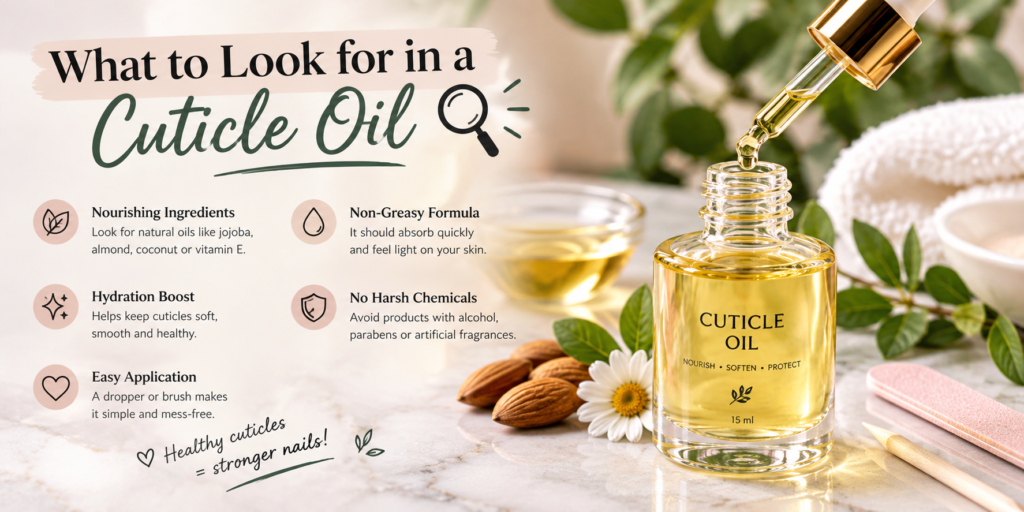
Read the ingredient list carefully as well. Botanical oils and vitamin-based ingredients can be found in different formulas, but simply seeing an ingredient listed does not guarantee specific results. Product directions, skin compatibility, and the overall application experience should also be part of your selection process.
Packaging can also make a practical difference. Brush applicators, droppers, roll-ons, and serum-style packaging all provide different experiences. Choose a format that feels clean, easy to use, and manageable as part of your regular routine.
Finally, comparing price and quantity can be useful. A more expensive product is not automatically suitable for everyone. A formula that feels comfortable on your skin and that you can consistently use may be a sensible choice based on your individual needs.
How to Use Cuticle Oil in Your Nail-Care Routine
Using cuticle oil does not need to be complicated. Start with clean hands and apply a small amount around each nail, focusing on the cuticle and nearby skin. Gently massage it in rather than rubbing aggressively. Follow the product’s own directions, since applicators and formulas can differ.
You can use cuticle oil when your nails feel dry, after washing your hands, or as part of an evening self-care routine. Applying it consistently may help keep the surrounding skin feeling softer. If you use hand cream, you can apply the oil first and then follow with moisturizer to further care for the skin.
Common Application Mistakes to Avoid
Using a large amount does not necessarily make the product more effective. Too much oil can leave your fingertips slippery and make everyday tasks inconvenient. Start with a small quantity and add more only if needed.
Avoid cutting, biting, or forcefully pushing back your cuticles. The cuticle area helps protect the nail’s growth zone, and rough handling can cause irritation. If the skin is sore, cracked, swollen, or showing signs of infection, avoid applying products that sting and seek advice from a healthcare professional.
How We Evaluated Cuticle Oils
When comparing cuticle oils, useful factors include how easy the product is to apply, how it feels on the skin, its packaging, ingredient information, and whether it fits comfortably into a regular routine. A product that is easy to carry may suit someone who wants occasional touch-ups, while another person may prefer a bottle for use at home.
It is also important to distinguish product features from proven results. Ingredients such as vitamin E, shea-derived ingredients, or plant oils may be included in nail-care formulas, but their presence alone does not guarantee stronger nails or prevent breakage. Results can depend on nail condition, daily habits, and how the product is used.
The products discussed in this guide represent different formats and approaches to cuticle care. This article does not claim that independent hands-on testing was performed or that one product is universally superior.
Extra Tips for Making Cuticle Oil Part of Your Routine
Good cuticle care does not need to involve a complicated schedule. The key is finding a routine that is easy to repeat and fits naturally into your everyday habits. You can make cuticle oil part of your nail-care routine after a shower, during a break, or before going to bed. Connecting it with an existing habit can make regular nail care easier to maintain.
If you frequently change your nail polish, pay attention to the skin around your nails during the removal process. Repeated exposure to nail polish remover may leave the surrounding skin feeling dry, particularly when stronger formulas are used. After removing polish, wash your hands, dry them gently, and continue with your usual nail-care products.
Pay Attention to Your Daily Nail Habits
Everyday activities can affect how your hands and nails look and feel. Frequent hand washing, household cleaning products, cold weather, and dry indoor air can all contribute to dryness around the nails.
If you regularly handle cleaning products, wearing suitable protective gloves can help reduce unnecessary contact with substances that may irritate your hands. Keeping manicure tools clean is also an important part of a sensible nail-care routine. Files, clippers, and other tools should be cleaned appropriately, and shared tools should be avoided when proper sanitation is uncertain.
Give Your Nails a Break Between Treatments
Regularly changing nail products or using aggressive manicure techniques may leave your nails and surrounding skin feeling stressed. If your nails become unusually thin, rough, peeling, or uncomfortable, consider reducing cosmetic treatments for a while and paying attention to what may be causing the change.
Cuticle oil should also be viewed as supportive care rather than a miracle treatment. Its main purpose is to condition the skin around the nails and make your nail-care routine more comfortable. Consistent basic care is generally more useful than relying on a single product to solve every nail concern.
Know When Nail Problems Need More Attention
Some dryness and roughness can be managed with gentle everyday care, but persistent nail changes may require more than a cosmetic product. Changes in nail color, shape, or texture that continue over time should not automatically be attributed to dry cuticles.
Pain, swelling, significant irritation, or other unusual changes around the nails may also deserve professional attention. If a problem does not improve or continues to return, consider speaking with a healthcare professional rather than relying solely on cuticle products.
A practical nail-care routine can remain simple. Clean tools, gentle handling, regular moisturizing, and paying attention to changes in your nails can all contribute to healthier-looking hands without making daily care unnecessarily complicated.
Final Thoughts
Cuticle oil can be a simple addition to a nail-care routine, especially when the skin around your nails feels dry. The options in this guide include traditional oils, roll-on packaging, and serum-style products, giving you different formats to consider.
Before buying, think about your preferred texture, applicator, ingredients, scent, and budget. Choose a product that feels comfortable and fits your routine rather than relying only on marketing claims. Gentle application and avoiding damage to the cuticle area are also important parts of nail care.
A consistent, practical approach can help you care for the skin around your nails without making your routine unnecessarily complicated.