INTRODUCTION
If you’ve searched for “dermaplaning near me,” you’re probably looking for a trusted skincare professional who can safely remove dead skin cells and peach fuzz while leaving your skin smoother, brighter, and healthier-looking. Dermaplaning has become one of the most popular facial treatments in recent years because it offers immediate results with little to no downtime. Whether you’re preparing for a wedding, improving your skincare routine, or simply wanting glowing skin, professional dermaplaning can be an excellent choice.
However, finding the right dermaplaning provider is just as important as the treatment itself. A qualified esthetician or dermatologist can help you achieve beautiful results while minimizing the risk of irritation, cuts, or infection.
In this complete 2026 guide, you’ll learn everything you need to know about dermaplaning, including its benefits, who it’s suitable for, how to choose the best provider near you, treatment costs, aftercare tips, and answers to the most frequently asked questions.
What’s Inside This Guide
- What Dermaplaning Is
- Why Dermaplaning Is So Popular
- Benefits of Professional Dermaplaning
- Who Is a Good Candidate?
- Who Should Avoid Dermaplaning?
- How to Find the Best Dermaplaning Near You
- Questions to Ask Before Booking
- What Happens During a Dermaplaning Appointment?
- Does Dermaplaning Hurt?
- How Long Does Dermaplaning Take?
- Dermaplaning Before and After Results
- How Often Should You Get Dermaplaning?
- Dermaplaning Aftercare Tips
- Common Mistakes to Avoid
- Professional vs. DIY Dermaplaning
- Average Cost
- Frequently Asked Questions
- Final Thoughts
What Is Dermaplaning?📍
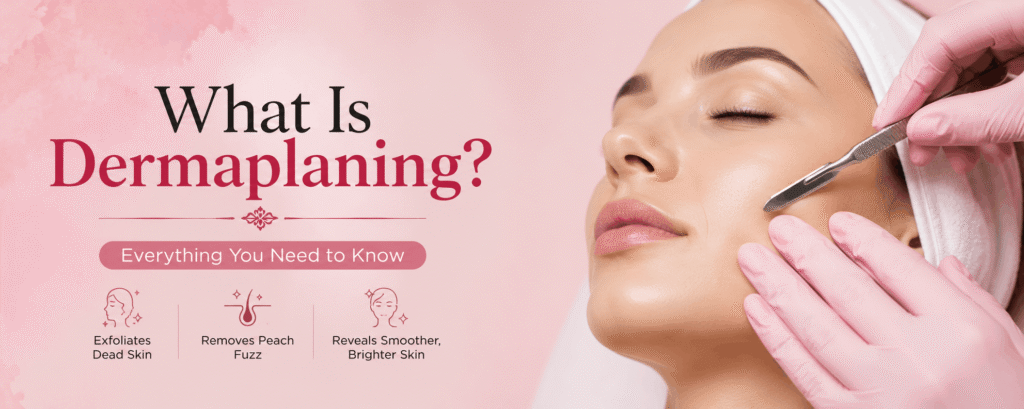
Dermaplaning is a non-invasive exfoliation treatment that uses a sterile surgical blade to gently remove dead skin cells and fine facial hair—commonly known as peach fuzz—from the surface of your skin.
Unlike chemical peels or facial scrubs that rely on acids or abrasive particles, dermaplaning physically exfoliates the outermost layer of skin. This instantly reveals a smoother, brighter complexion and creates the perfect canvas for makeup and skincare products.
Professional dermaplaning is commonly performed by:
- Licensed estheticians
- Medical estheticians
- Dermatologists
- Plastic surgery clinics
- Medical spas (med spas)
The treatment usually requires little to no recovery time, making it one of the easiest professional facial treatments to fit into a busy schedule.
Why Is Dermaplaning So Popular?
Over the last few years, dermaplaning has become one of the most requested skincare treatments worldwide. Social media platforms, beauty influencers, makeup artists, and dermatologists have all contributed to its growing popularity.
People love dermaplaning because it offers several immediate benefits without surgery, injections, or harsh chemicals.
Some of the biggest reasons include:
- Instant glow after treatment
- Smoother skin texture
- Better makeup application
- Removal of peach fuzz
- Improved absorption of skincare products
- No downtime
- Safe for most skin types
- Quick treatment sessions
Many clients schedule dermaplaning before important events such as:
- Weddings
- Graduations
- Vacations
- Job interviews
- Professional photo shoots
- Holiday parties
Because the skin looks noticeably smoother right away, it’s often considered the perfect “event facial.”
Benefits of Professional Dermaplaning🧖
Professional dermaplaning offers much more than simply removing facial hair.
Removes Dead Skin Cells
Over time, dead skin naturally builds up on the surface of your face, causing it to appear rough, dry, and dull.
Dermaplaning gently removes this layer, revealing fresher and healthier-looking skin underneath.
Creates a Smoother Skin Texture
Immediately after treatment, many people notice their skin feels incredibly soft.
This smoother surface also helps makeup glide on more evenly without clinging to dry patches.
Improves Product Absorption
Once dead skin cells have been removed, your skincare products can penetrate the skin more effectively.
Many people notice better results from products such as:
- Vitamin C serum
- Hyaluronic acid
- Moisturizers
- Peptides
- Hydrating masks
This means you’re getting more value from your skincare routine.
Enhances Makeup Application
Professional makeup artists frequently recommend dermaplaning before weddings and photo sessions.
Without dry skin and fine facial hair, foundation applies much more evenly and creates a flawless finish.
Many clients notice:
- Less patchiness
- Better blending
- More natural-looking foundation
- Longer-lasting makeup
- Improved skin radiance
Provides an Instant Glow
Unlike treatments that require weeks of recovery, dermaplaning delivers visible improvements immediately.
Most people leave their appointment with skin that looks:
- Brighter
- Fresher
- Softer
- More radiant
- Healthier
Who Is a Good Candidate for Dermaplaning?🌟
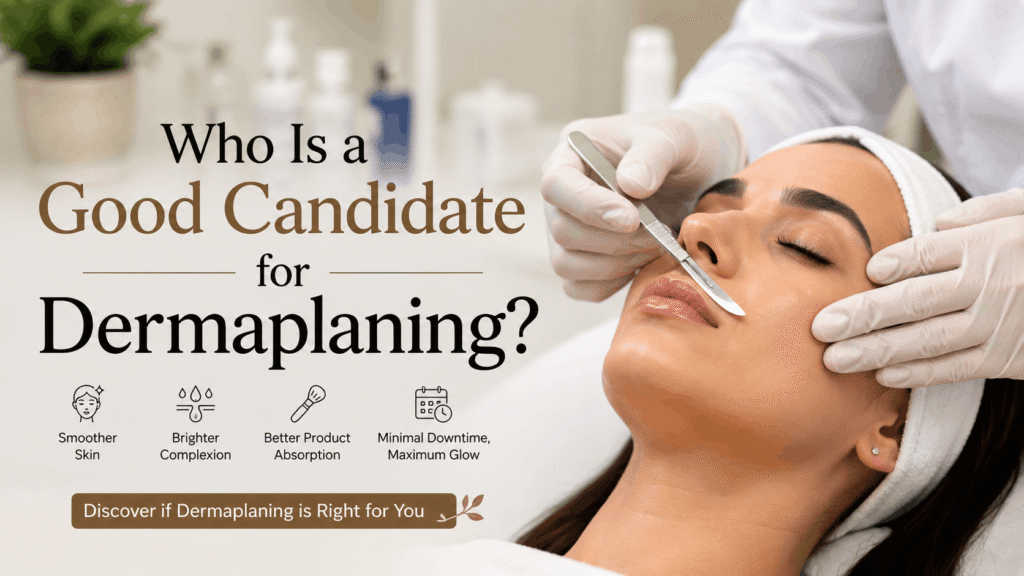
Dermaplaning works well for many different skin types.
You may be a good candidate if you have:
- Dry skin
- Dull complexion
- Rough skin texture
- Mild acne scars
- Fine facial hair
- Uneven makeup application
- Sun-damaged skin
- Aging skin
It’s also an excellent choice for people who want gentle exfoliation without using strong acids or chemical peels.
Who Should Avoid Dermaplaning?
Although dermaplaning is considered safe for most people, it isn’t suitable for everyone.
You should consult a skincare professional before treatment if you have:
- Active acne breakouts
- Painful cystic acne
- Open cuts or wounds
- Skin infections
- Severe rosacea
- Active eczema
- Sunburn
- Certain inflammatory skin conditions
A licensed esthetician or dermatologist can determine whether dermaplaning is appropriate for your skin.
How to Find the Best Dermaplaning Near You✨
Typing “dermaplaning near me” into a search engine may return dozens of clinics, but choosing the right provider involves more than simply selecting the closest location.
Choose a Licensed Professional
Always book with someone who is properly trained and licensed.
Experienced professionals understand how to perform dermaplaning safely while reducing the risk of irritation or injury.
Read Online Reviews
Reviews from previous clients can tell you a lot about a clinic.
Look for comments about:
- Professionalism
- Cleanliness
- Customer service
- Comfort during treatment
- Overall satisfaction
- Consistent results
A provider with hundreds of positive reviews is generally a safer choice than one with little feedback.
Check Before-and-After Photos
Most reputable skincare clinics showcase real client results.
Before-and-after photos can help you evaluate:
- Skin smoothness
- Brightness
- Overall quality
- Consistency of results
Look for natural-looking improvements rather than heavily edited images.
Prioritize Hygiene
Because dermaplaning uses a sterile blade, cleanliness is essential.
Choose a provider that:
- Uses disposable surgical blades
- Sanitizes equipment properly
- Maintains a clean treatment room
- Wears gloves during treatment
- Follows professional hygiene standards
Proper sanitation significantly reduces the risk of infection.
Ask About Their Experience
Don’t hesitate to ask questions before booking.
For example:
- How long have you been performing dermaplaning?
- How many treatments do you perform each month?
- What skin types do you specialize in?
- Can I see before-and-after photos?
Experienced providers are usually happy to answer these questions.
Questions to Ask Before Booking❓
Before scheduling your appointment, consider asking:
- Am I a good candidate?
- How should I prepare for treatment?
- What skincare products should I avoid beforehand?
- What aftercare do you recommend?
- Can dermaplaning be combined with other treatments?
- What results should I realistically expect?
- How often should I schedule maintenance appointments?
These questions help ensure that the treatment is right for your skin and expectations.
What Happens During a Dermaplaning Appointment?💆
A professional dermaplaning appointment is usually comfortable, relaxing, and straightforward.
Step 1 – Cleansing
Your provider begins by thoroughly cleansing your skin to remove makeup, sunscreen, oil, and impurities.
A clean surface allows the blade to glide smoothly across the skin.
Step 2 – Skin Assessment
Next, your esthetician carefully examines your skin to check for:
- Active acne
- Irritation
- Cuts
- Skin sensitivity
- Conditions that may affect treatment
If any concerns are found, they may recommend postponing the procedure.
Step 3 – Dermaplaning
Using a sterile surgical blade held at the proper angle, the provider gently glides across your skin using short, controlled strokes.
This process removes:
- Dead skin cells
- Surface debris
- Fine facial hair (peach fuzz)
Most people describe the sensation as a light brushing or gentle scraping rather than pain.
Step 4 – Hydration
Once the exfoliation is complete, your skincare professional applies soothing and hydrating products to calm the skin and restore moisture.
Common post-treatment products include:
- Hyaluronic acid serum
- Ceramide moisturizer
- Barrier repair cream
- Aloe vera gel
- Broad-spectrum SPF 30 or higher
These products help reduce temporary redness while keeping your skin hydrated and protected.
Step 5 – Aftercare Instructions
Before you leave, your provider will explain how to care for your skin over the next few days.
Typical aftercare advice includes:
- Wear sunscreen every day.
- Avoid direct sunlight for at least 24–48 hours.
- Skip exfoliating products for a few days.
- Keep your skin moisturized.
- Avoid touching or picking at your face.
Following these instructions helps your skin heal properly and keeps your results looking their best.
Does Dermaplaning Hurt?🌿
One of the biggest reasons people choose dermaplaning is because it’s generally painless.
During treatment, you may feel:
- A light brushing sensation
- Gentle scraping across the skin
- Mild tingling afterward
Most clients find the treatment relaxing, and no numbing cream is usually needed.
If you have very sensitive skin, you may experience slight redness after the procedure, but this usually fades within a few hours.
How Long Does Dermaplaning Take?⏳
Dermaplaning is a quick treatment that easily fits into most schedules.
Typical appointment times include:
| Treatment | Average Time |
| Basic Dermaplaning | 30–45 minutes |
| Dermaplaning + Facial | 60–90 minutes |
| Dermaplaning + Hydrating Treatment | 60–75 minutes |
| Dermaplaning + Chemical Peel | 60–90 minutes |
Since there’s little to no downtime, many people schedule appointments during their lunch break or shortly before a special event.
Dermaplaning Before and After Results
Many clients notice visible improvements immediately after their first treatment.
Before Dermaplaning
Common concerns include:
- Dull-looking skin
- Dry patches
- Uneven texture
- Fine facial hair
- Makeup sitting unevenly
- Rough skin
After Dermaplaning
Most people notice:
- Brighter complexion
- Softer skin
- Smoother texture
- Better skincare absorption
- Flawless makeup application
- Healthy, natural glow
Results typically last three to four weeks, depending on your skin’s natural renewal cycle.
How Often Should You Get Dermaplaning?
Because your skin naturally renews itself every few weeks, most skincare professionals recommend scheduling dermaplaning every 4–6 weeks.
The ideal schedule depends on:
- Skin type
- Skin sensitivity
- Hair growth
- Personal skincare goals
Getting treatments too frequently may lead to unnecessary irritation, so always follow your provider’s recommendation.
Dermaplaning Aftercare Tips💡
Proper aftercare is essential for maintaining your results while protecting your newly exfoliated skin.
Apply Sunscreen Daily
Freshly exfoliated skin is more sensitive to UV rays.
Choose a broad-spectrum sunscreen with SPF 30 or higher and apply it every morning—even on cloudy days.
Keep Your Skin Hydrated
Moisturized skin heals faster and maintains its healthy glow.
Helpful products include:
- Hyaluronic acid
- Ceramide creams
- Gentle moisturizers
- Barrier repair products
Avoid Strong Skincare Products
For the first 24–48 hours, avoid products containing:
- Retinol
- Glycolic acid
- Salicylic acid
- Strong exfoliating scrubs
- Benzoyl peroxide (unless advised)
Allow your skin time to recover naturally.
Avoid Excessive Heat
For at least one day after treatment, avoid:
- Saunas
- Steam rooms
- Hot yoga
- Intense exercise
- Hot showers
Excess heat can increase redness and sensitivity.
Don’t Touch or Pick Your Skin
Your skin may feel incredibly smooth, but avoid touching it unnecessarily.
Picking or scratching can introduce bacteria and increase the risk of irritation.
Common Mistakes to Avoid
To get the best possible results, avoid these common mistakes:
- Choosing an inexperienced provider
- Skipping sunscreen
- Using harsh skincare too soon
- Scheduling treatment while sunburned
- Trying aggressive DIY techniques
- Over-exfoliating between appointments
- Ignoring aftercare instructions
Professional treatment combined with proper skincare delivers the healthiest results.
Is At-Home Dermaplaning Worth It?
Many beauty brands now sell facial razors designed for home use.
While these tools can remove peach fuzz and provide mild exfoliation, they don’t offer the same level of precision as professional dermaplaning.
Pros of At-Home Dermaplaning
- Affordable
- Convenient
- Easy for maintenance
- No appointment required
Cons of DIY Dermaplaning
- Less effective exfoliation
- Greater chance of uneven results
- Higher risk of small cuts
- Doesn’t match professional precision
- May cause irritation if used incorrectly
If you’ve never had dermaplaning before, it’s generally best to start with a licensed professional.
Professional vs. DIY Dermaplaning
| Feature | Professional | DIY |
| Precision | Excellent | Moderate |
| Safety | High | Depends on technique |
| Results | More noticeable | Mild |
| Exfoliation | Deep | Light |
| Cost | Higher | Lower |
| Risk of Irritation | Lower | Slightly higher |
Professional treatments usually provide smoother, brighter, and longer-lasting results.
Average Dermaplaning Cost
The price of dermaplaning varies depending on your location, provider experience, and whether the treatment is combined with other services.
| Service | Average Cost |
| Basic Dermaplaning | $75–$150 |
| Dermaplaning Facial | $120–$250 |
| Dermaplaning + Chemical Peel | $150–$300 |
| Dermaplaning + Hydrating Facial | $140–$280 |
Many skincare clinics also offer package discounts if you purchase multiple treatments.
Final Thoughts
Searching for “dermaplaning near me“ is the first step toward achieving smoother, brighter, and healthier-looking skin—but choosing the right skincare professional is what truly determines your experience.
A licensed esthetician or dermatologist can safely perform the treatment while tailoring it to your skin’s unique needs and concerns. When combined with proper aftercare—including daily sunscreen, gentle skincare products, and regular appointments every four to six weeks—dermaplaning can become one of the most effective treatments in your skincare routine.
Whether you’re preparing for a wedding, refreshing your complexion before a vacation, or simply wanting healthier-looking skin, professional dermaplaning offers a fast, effective, and non-invasive solution with immediate visible results.