
Eyebrow microblading has become a popular beauty treatment for people who want fuller, more defined eyebrows without filling them in with a pencil or powder every day. It creates the appearance of natural brow hairs using fine, hair-like strokes and pigment placed into the skin. For anyone with sparse, uneven, or over-plucked eyebrows, the treatment may offer a convenient way to enhance their natural shape.
However, microblading is not as simple as choosing a brow shape and leaving the salon with perfect results. Your skin type, the specialist’s experience, the pigment used, and your aftercare routine can all affect the final appearance. The procedure also involves breaking the skin, so it carries potential risks that deserve careful consideration.
Before booking an appointment, it helps to understand what the process involves, how much it may cost, what healing looks like, and whether the treatment suits your needs. Here are 11 important things to know before getting eyebrow microblading.
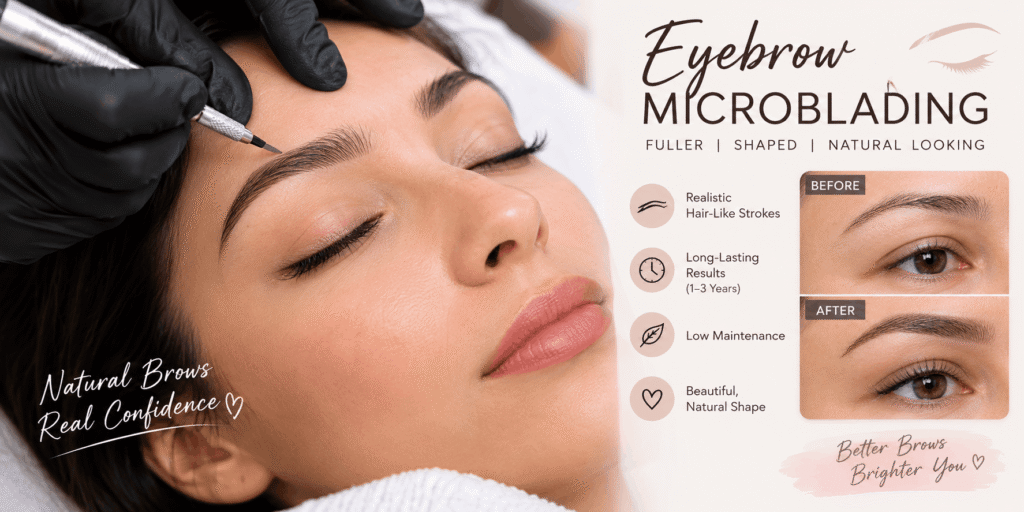
1. Make Sure You Understand Exactly What Microblading Is and What It Isn’t
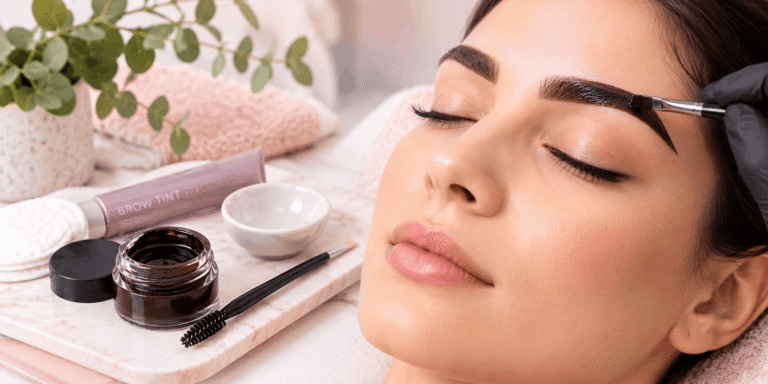
Eyebrow microblading is a form of semi-permanent cosmetic tattooing. A trained practitioner uses a handheld tool with tiny needles to create fine strokes and deposit pigment into the skin. These strokes are designed to resemble natural eyebrow hairs, helping create a fuller appearance or improve the definition of an existing brow shape.
Unlike traditional eyebrow makeup, microblading does not need to be applied every morning. The pigment gradually fades over time, although the speed and pattern of fading vary from person to person.
It is important to understand that microblading does not make real eyebrow hair grow. Instead, it creates a cosmetic effect that fills in areas where natural hair is thin or missing. It also cannot guarantee perfectly symmetrical eyebrows because natural faces are rarely completely symmetrical.
Microblading is different from a conventional tattoo in its technique, pigment placement, and intended appearance. However, it still involves placing pigment into the skin, and the results may last longer than expected in some cases.
The treatment is best approached as a cosmetic enhancement rather than a permanent solution to every eyebrow concern. If you expect a particular photo to be reproduced exactly or believe the results will never require maintenance, you may need to reconsider your expectations.
Before your appointment, ask the specialist to explain the procedure, the expected results, the possible risks, and the available alternatives. Understanding these details can help you make a confident, informed decision.
2. Your Skin Type Can Impact Your Results
Your skin type can make a noticeable difference in how microblading looks after healing. Although the treatment can work for many people, it does not produce identical results for everyone.
Normal to dry skin: People with normal or relatively dry skin may experience more clearly defined hair-like strokes after healing. However, results still depend on individual skin characteristics, technique, and aftercare.
Oily skin: Excess oil can make individual strokes appear softer or less distinct as the skin heals. Pigment may also fade differently, meaning that a person with oily skin may not achieve the same crisp, hair-like effect shown in some inspiration photos.
Combination skin: Results may vary across different areas of the brow, particularly when the forehead is oilier than the surrounding skin.
Sensitive skin: Skin that reacts easily may experience additional irritation, redness, or discomfort. A consultation is important to discuss previous reactions and determine whether the procedure is appropriate.
Skin type alone does not determine whether microblading will succeed. Factors such as sun exposure, existing skin conditions, medications, healing characteristics, and the practitioner’s technique may also affect the outcome.
If you have very oily skin, enlarged pores, active acne around your eyebrows, eczema, psoriasis, or another skin condition in the treatment area, discuss it with a qualified professional before proceeding. Active irritation or inflammation may mean you should postpone the procedure or consider a different brow-enhancement method.
Ask your specialist to assess your skin in person rather than relying entirely on photographs or online advice. They may recommend a different cosmetic technique if traditional microblading is unlikely to provide the appearance you want.
3. Microblading Can Cost Anywhere Between $500 to Over $1,000
Microblading can be a significant beauty expense. In some markets, an appointment may cost around $500, while services from highly experienced specialists or premium studios can exceed $1,000. These figures are examples, not universal prices; the actual cost depends heavily on location, practitioner experience, and what the service includes.
Before comparing prices, check whether the quoted amount covers the initial procedure, a follow-up appointment, and any necessary touch-up work. Some studios include a perfecting session in their package, while others charge for it separately.
Several factors can influence the price:
- Practitioner experience: Specialists with extensive training and a strong portfolio may charge more.
- Studio standards: Professional hygiene practices, suitable equipment, and quality products contribute to operating costs.
- Location: Prices can differ considerably between cities and countries.
- Treatment package: Initial sessions, follow-ups, and additional services may be priced separately.
- Correction work: Existing cosmetic tattooing or uneven previous results may require a more complicated approach.
A low price is not automatically a bargain. If a practitioner lacks proper training or uses poor hygiene practices, the potential consequences can outweigh the money saved. At the same time, a high price does not guarantee excellent results.
Review healed photographs of the specialist’s previous clients, check local qualifications and licensing requirements, and ask about sterilization procedures. You should also understand the studio’s policy for touch-ups, cancellations, and unexpected results.
Think about the long-term cost as well. Although microblading may reduce the need for daily eyebrow makeup, it is not necessarily a one-time expense. Future maintenance or professional correction may add to the overall cost.
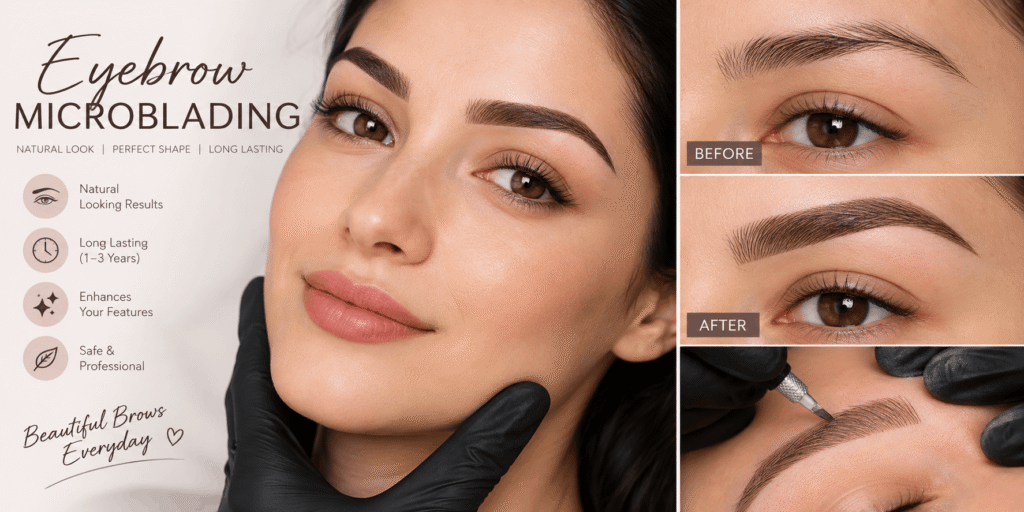
4. Bringing in Brow “Inspo” Photos Can Help, but It’s Impossible to Match Them Exactly
If you have saved eyebrow inspiration photos from Pinterest, Instagram, or beauty websites, bringing a few examples to your appointment can help your specialist understand your preferences. You might prefer soft, natural-looking brows, a fuller appearance, a gentle arch, or a more defined shape.
Reference photos are useful because words such as “natural,” “full,” and “defined” can mean different things to different people. Pictures give your practitioner a clearer idea of the style you have in mind.
However, it is important to remember that your eyebrows will not look exactly like someone else’s. Every person has a different facial structure, brow bone, natural hair growth pattern, skin type, and level of eyebrow fullness. These differences influence what shape will look balanced on your face.
A photo may also have been edited, filtered, professionally styled, or taken immediately after treatment when the pigment appears darker and more defined than it will after healing.
Instead of asking your specialist to copy a photo exactly, use it as a starting point for discussion. Explain which features you like, such as the arch, thickness, length, or direction of the hair-like strokes.
It is also helpful to bring two or three examples rather than dozens of conflicting images. This makes it easier to identify your preferred style without creating unrealistic expectations.
Ultimately, the best eyebrow design is one that complements your facial features and natural brows rather than simply reproducing a trending look.
5. Your Specialist Should Show You an Outline Before You Start
One of the most important steps in the eyebrow microblading process is brow mapping. Before any pigment is applied, your specialist should discuss the desired shape and create an outline to show how your eyebrows may look.
This stage gives you an opportunity to review the proposed design before the procedure begins. You should be able to ask questions, request reasonable adjustments, and confirm that the shape matches your expectations.
During brow mapping, the practitioner may consider:
- Your natural eyebrow shape and hair growth.
- The distance between your eyebrows.
- Your forehead and overall facial proportions.
- Your preferred brow thickness and arch.
- Differences between your left and right eyebrows.
- How the proposed shape will look with your natural features.
Remember that brow mapping is a guide rather than a guarantee of the final healed result. Skin movement, natural asymmetry, pigment retention, and healing can affect the outcome.
Do not feel pressured to approve a design that you dislike. If the outline looks too thick, too arched, too long, or too different from your natural brows, discuss your concerns before proceeding.
A responsible practitioner should give you time to review the shape and explain any limitations. They should also be willing to discuss whether your expectations are realistic for your skin and existing eyebrow hair.
A useful tip: Look at the proposed shape from different angles and in normal lighting. Confirm that you are comfortable with the design before allowing the specialist to begin.
6. Microblading Isn’t Painless, but It Shouldn’t Hurt
Microblading involves making small incisions in the skin, so some discomfort is possible. The level of discomfort varies depending on your pain sensitivity, skin condition, technique, and the products used during the appointment.
Many practitioners use a topical numbing product to reduce discomfort. Even with numbing, you may notice pressure, scratching sensations, or mild stinging during parts of the procedure.
Some people find the experience relatively manageable, while others find it more uncomfortable than expected. There is no reliable way to predict exactly how it will feel for you.
Before your appointment, ask the specialist which numbing products they use and whether they are appropriate for you. Follow their preparation instructions, and do not apply numbing creams or take medication specifically for the procedure without discussing it with a qualified professional.
If you experience significant pain during the appointment, tell your practitioner rather than trying to tolerate it silently. They should assess your comfort and respond appropriately.
After treatment, mild tenderness, redness, or swelling may occur temporarily. However, severe or worsening pain, spreading redness, increasing warmth, pus, or fever should not be dismissed as normal healing. Seek medical advice if these symptoms develop.
The goal is not to have a completely sensation-free experience. It is to undergo the procedure with appropriate precautions, clear communication, and a practitioner who prioritizes your comfort and safety.
7. Your Eyebrows Will Look Dark for the First Few Days
One thing many people do not expect after eyebrow microblading is how dark and defined their eyebrows look immediately after the procedure. If you are used to soft, natural-looking brows, the initial result may feel much bolder than you anticipated.
This is a normal part of the early healing process. The pigment can appear darker and more intense because the skin has recently been treated. Mild redness and swelling may also make the eyebrows look more prominent.
During the first few days, your eyebrows may appear thicker, darker, or sharper than the final result. As the skin heals, the appearance gradually changes, and the pigment may look lighter or less noticeable.
You should not judge your final results immediately after leaving the salon. The early appearance is not a reliable indication of how your eyebrows will look once the skin has healed.
Here are a few things to keep in mind during the first week:
- Be patient: Allow your skin time to recover before evaluating the results.
- Avoid picking: Do not scratch, peel, or pull away any flaking skin.
- Follow aftercare instructions: Use only the products and cleansing method recommended by your practitioner.
- Avoid unnecessary products: Do not apply makeup, exfoliants, or other unapproved products to the treated area.
- Protect your skin: Follow your practitioner’s advice about sun exposure and activities that may interfere with healing.
As the healing process continues, the color may appear uneven or lighter in certain areas. This does not necessarily mean the procedure has failed. Pigment retention varies from person to person, which is one reason a follow-up appointment is often recommended.
If you are concerned about how dark your eyebrows look, contact your practitioner for guidance rather than attempting to lighten them yourself. Avoid using bleaching products, acids, or harsh scrubs on freshly treated skin.
8. It Takes About Six Weeks to Fully Heal, and Results Last Around Two Years
Microblading requires patience because the visible results change as your skin recovers. Although the surface of the skin may look better within a shorter period, the complete healing and settling of the pigment can take several weeks.
Six weeks is a useful general estimate for assessing the healed appearance, but healing times vary. Some people recover sooner, while others need additional time depending on their skin, the technique used, and their aftercare routine.
What Happens During the Healing Process?
Days 1–3: Darker, more defined brows
Your eyebrows may look darker and more pronounced than expected. Mild redness, tenderness, and swelling may occur around the treated area.
Days 4–10: Flaking and itching
As the skin begins to recover, you may notice dryness, flaking, or light scabbing. The area may feel itchy, but scratching or picking can interfere with healing and affect the results.
Days 10–14: The surface begins to settle
Visible flaking often decreases, although healing is not necessarily complete. The pigment may appear lighter, patchy, or less defined than it did immediately after the treatment.
Weeks 3–6: The color continues to settle
The eyebrows gradually develop a more settled appearance. Some areas may retain pigment better than others, which can make the results appear uneven.
These stages are general examples, not a strict schedule. Your experience may be different, so follow the aftercare instructions provided for your treatment.
How Long Does Microblading Last?
Microblading is commonly described as a semi-permanent treatment, with results often lasting approximately one to two years. However, some people notice fading sooner, while pigment may remain visible for longer in others.
Several factors influence how long your results last:
- Skin type: Oily skin may affect how clearly the strokes remain visible.
- Sun exposure: Ultraviolet exposure can contribute to pigment fading.
- Skin care routine: Exfoliating acids, retinoids, and other active products around the brows may affect the appearance of the pigment over time.
- Lifestyle: Individual skin characteristics and daily habits can influence fading.
- Pigment and technique: The products used and the practitioner’s method may affect the final appearance.
- Maintenance: A professional may recommend a touch-up depending on how the pigment heals and fades.
Do not assume that the pigment will disappear completely after two years. Cosmetic tattoo pigment can remain in the skin longer than expected, even after the visible strokes have faded.
If you want to maintain your results, ask your practitioner when a touch-up might be appropriate. Avoid booking repeated treatments too frequently, as unnecessary procedures can contribute to skin irritation and pigment buildup.
9. You Can’t Get Your Brows Wet for Two Weeks, and Your Skin Care and Makeup Will Have to Be Adjusted
After microblading, proper aftercare is essential. The treated skin needs time to recover, and following the right instructions can help reduce avoidable irritation and complications.
You may be told to keep the eyebrows dry for a specified period. However, the exact instructions differ between practitioners and aftercare protocols. Some approaches permit gentle cleansing, while others recommend different methods. Ask your specialist for clear, written instructions rather than assuming that every treatment requires exactly two weeks without water.
Adjust Your Skin Care Routine
Certain skin care products may irritate the treated area or interfere with the healing process. Your practitioner may recommend avoiding products such as:
- Retinol and other retinoids near the eyebrows.
- Exfoliating acids, including glycolic and salicylic acid.
- Chemical exfoliants and facial scrubs.
- Strong acne treatments around the treated skin.
- Products containing irritating fragrances or other ingredients that cause reactions.
Avoid applying these products directly to the healing area until your practitioner confirms that it is appropriate to resume them.
Be Careful With Makeup
It is generally best to avoid applying makeup directly over freshly microbladed eyebrows while the skin is healing. Makeup products and brushes can introduce contaminants, and removing them may irritate the area.
If you normally use foundation, concealer, brow pencils, or powders, ask when you can safely return to your usual routine. Avoid covering the treated skin to hide temporary redness or dark pigment during the early healing stage.
Avoid Activities That Interfere With Healing
Your practitioner may also recommend temporarily avoiding swimming, saunas, steam rooms, and strenuous exercise that causes heavy sweating.
During recovery, remember these basic precautions:
- Do not pick or scratch the treated area.
- Avoid rubbing the eyebrows with towels or cleansing tools.
- Follow the recommended cleansing and moisturizing routine.
- Avoid direct sun exposure as instructed.
- Do not use unapproved creams or home remedies on the treated skin.
Good aftercare cannot guarantee perfect pigment retention, but it can help support normal healing and reduce the risk of preventable problems.
If you develop increasing pain, spreading redness, pus, fever, or significant swelling, seek medical advice promptly rather than assuming that the symptoms are part of normal healing.
10. A Follow-Up Appointment Is Not Only Recommended; It’s the Best Shot at Achieving Your Desired Results
Many microblading treatments involve an initial appointment followed by a separate assessment or perfecting session. This follow-up is important because the practitioner can evaluate how your skin has healed and how much pigment remains visible.
Even when the initial procedure appears successful, the healed result may differ from what you saw immediately after treatment. Some strokes may fade more than others, and small gaps or uneven areas may become noticeable once the skin has recovered.
During a follow-up appointment, your specialist may assess:
- Whether the pigment has healed evenly.
- Whether any areas need minor adjustments.
- Whether the eyebrow shape still looks balanced.
- Whether the color suits your preferences.
- Whether your skin has recovered sufficiently for additional work.
A follow-up is commonly scheduled several weeks after the initial procedure, often around six to eight weeks, depending on the practitioner’s protocol and your healing progress.
However, a touch-up is not an automatic requirement for everyone. The decision should depend on your healed results, skin condition, and professional assessment.
Why You Should Not Rush Into a Touch-Up
It can be tempting to correct lighter or patchy areas immediately, but the skin needs enough time to recover before additional pigment is applied. Treating the area too soon may cause unnecessary irritation and make it harder to assess the true results.
If your eyebrows look uneven during the early healing stage, wait until the recommended assessment period unless your practitioner advises otherwise.
Before booking the follow-up, ask whether it is included in your original price and what happens if you need additional correction later.
Remember that a touch-up can improve certain areas, but it cannot guarantee a particular result. A responsible specialist will explain what can realistically be achieved and when further treatment may be unnecessary.
11. Microblading Isn’t for Everyone
Although eyebrow microblading can be an appealing option for people who want fuller-looking brows, it is not suitable for everyone. The treatment involves breaking the skin, applying pigment, and allowing the treated area to heal. Your medical history, skin condition, medications, and personal preferences all matter.
You should discuss your circumstances with a qualified practitioner before deciding whether to proceed.
Who Should Take Extra Care?
You may need professional medical advice or an alternative treatment if you:
- Have an active skin infection, rash, or inflammation around your eyebrows.
- Have a history of keloid scarring or unusual scar formation.
- Experience frequent allergic reactions to cosmetics, pigments, or topical products.
- Have a condition or take medication that affects wound healing or bleeding.
- Have a medical condition that may increase the risk of infection.
- Are pregnant or breastfeeding and need guidance about whether an elective cosmetic procedure should be postponed.
These factors do not all mean that microblading is automatically prohibited. Suitability depends on your individual circumstances, and some situations require advice from a health care professional before treatment.
Do not stop prescribed medication simply to qualify for microblading. Discuss any concerns with the clinician who manages your treatment.
Consider Your Skin and Lifestyle
People with very oily skin may find that individual hair-like strokes do not remain as crisp as expected. If you have sensitive skin or a history of reactions, you should also discuss the possibility of irritation or pigment allergy.
Your lifestyle matters, too. If you spend considerable time outdoors, swim frequently, or regularly use strong exfoliating products, you may need to adjust your routine or consider a different brow-enhancement option.
Understand the Potential Risks
Microblading can cause temporary redness, swelling, discomfort, and scabbing. Less commonly, complications can include infection, allergic reactions, scarring, or an unsatisfactory cosmetic result.
There is also the possibility that the pigment may fade unevenly or remain visible longer than you expected. Removing or correcting cosmetic tattoo pigment can be difficult, expensive, and may require professional treatment.
For these reasons, choose a practitioner who follows appropriate hygiene practices, uses suitable equipment, explains the risks clearly, and provides realistic expectations.
Alternatives to Microblading
If microblading does not suit you, several alternatives may help you achieve fuller-looking eyebrows.
- Eyebrow pencil: Offers precise definition and can be removed at the end of the day.
- Brow powder: Creates a softer, filled-in appearance.
- Tinting: Adds temporary color to existing eyebrow hairs.
- Brow gel: Helps shape and hold natural hairs in place.
- Professional brow shaping: Can improve the appearance of your existing eyebrows without adding pigment to the skin.
These options are not permanent and may require regular maintenance, but they allow you to change your look without committing to cosmetic tattooing.
Conclusion
Eyebrow microblading can be a useful option for people who want fuller, more defined brows and less dependence on daily makeup. However, achieving a satisfying result involves more than selecting an attractive eyebrow shape. Your skin type, the practitioner’s experience, the healing process, and your aftercare routine can all influence the final appearance.
Before booking a session, research your specialist, review healed results rather than relying only on fresh-treatment photographs, and ask about hygiene, pricing, touch-ups, and possible complications. Make sure you understand that the treatment is semi-permanent and that pigment may remain visible longer than expected.
Most importantly, take time to decide whether microblading suits your skin, lifestyle, budget, and expectations. With careful preparation and realistic goals, you can make a more informed decision about the best way to achieve your preferred eyebrow look.
Final Thoughts
Eyebrow microblading can be a convenient way to achieve fuller, more defined, and natural-looking eyebrows without relying on daily makeup. However, your final results depend on your skin type, the specialist’s experience, and how well you follow the recommended aftercare routine. Before booking an appointment, understand the potential risks, compare your options, and choose a qualified professional who prioritizes hygiene and safety. With realistic expectations and proper care, you can decide whether microblading is the right choice for your beauty routine.
Eyebrow microblading is a semi-permanent cosmetic procedure that uses fine, hair-like strokes and pigment to create fuller, more defined-looking eyebrows.
Microblading results commonly last around one to two years. The exact duration depends on your skin type, lifestyle, aftercare, and the pigment used.
Some discomfort is normal during the procedure. Many specialists use a topical numbing product to help reduce pain, although everyone’s experience is different.
Prices vary depending on your location, the specialist’s experience, and the treatment package. In some markets, the procedure may cost $500 to over $1,000.


3 Comments