
Choosing the right lipstick color can completely change how your makeup looks. A soft pink may create a fresh, natural appearance, while a rich berry or classic red can make your entire look feel more polished. However, the shade that looks beautiful on someone else may appear different on your lips because skin tone, undertones, natural lip pigmentation, and personal style all influence the final result.
The good news is that you do not need an enormous lipstick collection to find colors that suit you. Understanding a few basic color principles can help you choose shades for everyday wear, special occasions, and everything in between. From flattering nude lipsticks to bold reds and modern brown tones, the right options depend on more than simply whether your complexion is fair, medium, or deep.
How to Choose Lipstick Colors That Suit You
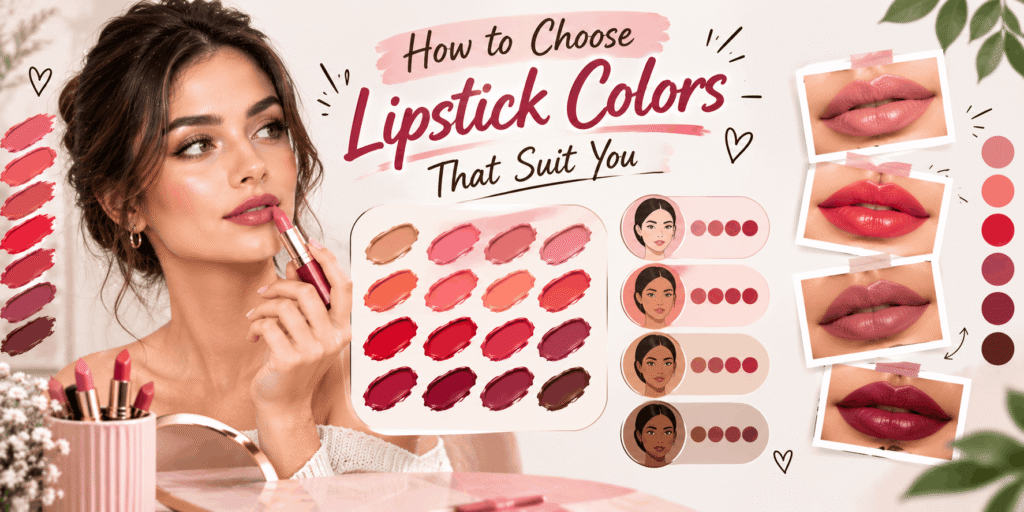
Before buying another lipstick colors, consider how different shades interact with your complexion. Skin depth provides one useful starting point, but your undertone can offer additional clues about which colors may look harmonious against your skin.
Skin tone describes how light or deep your complexion appears. Undertone refers to the subtle hue beneath the surface of your skin, commonly described as cool, warm, or neutral. Two people with similar skin tones can have different undertones, which explains why the same lipstick may look rosy on one person and more orange on another.
Your natural lip color also matters. If your lips are naturally pink, a nude lipstick may appear softer than it would on lips with deeper brown or purple pigmentation. A lipstick’s finish can influence the result, too. Glossy formulas reflect light and may make lips appear fuller, while matte finishes generally create a more defined, velvety appearance.
Rather than following strict beauty rules, use undertones as a starting point and experiment with colors that make you feel comfortable.
Understanding Cool Undertones
Cool undertones usually have subtle pink, rosy, or bluish qualities. People with these undertones may notice that silver jewelry complements their complexion, although jewelry preference alone cannot reliably determine undertone. Natural lighting and the appearance of several colors against the skin can provide better clues.
How to recognize them: Look at your complexion in indirect daylight. If your skin tends to show pink or rosy qualities rather than golden ones, you may have cool undertones. Your skin can be fair, medium, tan, or deep and still fall into this category.
Vein color is sometimes used as a beauty shortcut, with bluish or purplish veins associated with cool undertones. However, lighting, skin depth, and individual differences can make this method unreliable. It is better to consider several clues instead of relying on a single test.
Lipstick shades worth trying
Cool undertones often pair beautifully with colors that contain rosy, berry, or blue-red qualities. These shades can complement the natural pinkness of the complexion without making the overall makeup look overly warm.
- Rose pink: A versatile option for everyday makeup, rose pink offers more definition than a very pale pink while remaining soft enough for work, casual outings, or daytime events.
- Mauve: This muted mixture of pink and purple can create a sophisticated appearance. Depending on its depth, mauve can work as a subtle everyday shade or a more noticeable evening color.
- Berry: Raspberry, cranberry, and deeper berry tones provide richness without relying on orange or golden undertones. They can be especially appealing when you want a stronger lip color.
- Blue-based red: Classic red lipstick with a cooler base can create a striking look. Try a softer red for daytime wear or a deeper version for evening makeup.
- Plum: Plum lipstick adds depth and drama. Lighter plum shades can look understated, while deeper versions create a bold finish.
Cool-toned nudes deserve attention as well. Instead of automatically choosing a beige shade, consider dusty rose, pinkish brown, or muted mauve. These colors may provide a more natural-looking balance, particularly when conventional nude lipsticks make your complexion appear washed out.
Finding the Right Colors for Warm Undertones
Warm undertones often have golden, peachy, or yellow qualities. Depending on the person’s complexion, these tones may be subtle or more noticeable. Warm undertones can appear across every skin depth, from very fair to deep.
How to recognize them: Your complexion may look more golden or peachy in natural light. Gold jewelry may complement your skin, but this is only a general clue rather than a definitive test. Compare how your face looks beside different shades of cream, white, peach, and pink to see which colors appear most harmonious.
Remember that tanning does not necessarily change your natural undertone. Your skin may become darker after sun exposure while retaining its underlying warm, cool, or neutral quality.
Lipstick shades worth trying
Warm undertones often work well with lipstick colors that contain hints of orange, peach, coral, or golden brown. These shades can bring warmth to the face and create a coordinated appearance with bronze, copper, and warm neutral eye makeup.
- Peachy nude: A peach-based nude can create a fresh, understated look. Choose a shade with enough depth to remain visible against your natural lip color.
- Coral: Coral combines pink and orange, making it a lively option for spring and summer makeup. Softer coral shades are suitable for daytime looks, while brighter versions can become the focal point of your makeup.
- Terracotta: This earthy combination of red, orange, and brown offers more depth than a typical nude. It works particularly well for people who enjoy warm, natural-looking makeup.
- Brick red: Brick red has earthy, often orange-brown qualities that distinguish it from a blue-based red. It can provide a classic look without appearing overly bright.
- Caramel brown: Caramel lipstick adds warmth and definition. Depending on the depth of the shade, it can work alone or with a slightly deeper lip liner for a dimensional finish.
- Warm rose: If you prefer pink lipstick, look for rose shades with peachy or coral undertones rather than very cool, blue-based pinks.
Warm undertones do not mean you must avoid pink or purple lipstick. The key is finding a version that complements your complexion and personal preference. A warm rose, reddish berry, or brownish pink may offer a comfortable middle ground if bright coral is not your style.
Choosing Lipstick for Neutral Undertones
Neutral undertones generally have a balance of warm and cool qualities rather than a clearly dominant golden or rosy appearance. This does not mean the skin lacks an undertone. It simply means that neither warm nor cool characteristics may stand out strongly.
How to recognize them: You may find that both gold and silver jewelry look flattering, while a range of warm and cool clothing colors works well near your face. Your complexion may not show a strong pink, peach, or golden cast in natural daylight.
These clues are not exact tests. Some people have olive undertones, which can appear greenish or muted and may not fit neatly into the usual warm, cool, and neutral categories. If common undertone guides do not seem to describe your complexion, try lipstick shades directly instead of forcing yourself into a category.
Lipstick shades worth trying
Neutral undertones often have flexibility when choosing lipstick colors because both warm and cool shades may complement the complexion. Your preferred intensity, natural lip pigmentation, and makeup style can help narrow the options.
- Classic rose: Rose lipstick sits between soft pink and deeper rosy tones, making it useful for everyday makeup and more formal occasions.
- Pinkish nude: A balanced pink nude can add definition without looking too pale or too orange. Choose a shade that is close to your natural lip color or slightly deeper.
- Soft brown: Brown lipstick can create a natural, modern appearance. Lighter brown shades offer subtle definition, while deeper cocoa tones provide a more dramatic effect.
- True red: A balanced red that does not lean strongly toward orange or blue can be a useful addition to a neutral-toned makeup collection.
- Muted berry: Berry shades with a balanced mix of pink, red, and purple can provide color without overwhelming a softer makeup look.
- Mauve pink: This combination of pink and muted purple can create an elegant everyday option, particularly if you want something more distinctive than a conventional nude.
Neutral undertones can make it easier to experiment with contrasting lipstick colors, but that does not mean every shade will look identical on everyone. The depth of your complexion and the natural color of your lips can change the final appearance considerably.
Finding Your Most Flattering Nude Lipstick
Nude lipstick is often treated as a single category, but it includes a wide range of colors, from pale beige and pinkish taupe to caramel, rose brown, and deep chocolate. The most flattering nude usually complements your complexion while preserving enough contrast to keep your lips defined.
A common mistake is choosing a nude that is too close to your skin color or significantly lighter than your natural lips. This can make the mouth appear less defined, particularly when the formula has a flat matte finish. A nude with a hint of rose, peach, or brown may look more balanced.
For fair complexions, soft pink, rosy beige, and light peach shades can provide a subtle finish. Medium skin tones may suit rose brown, caramel pink, and warm beige. Tan complexions can explore cinnamon, terracotta nude, and deeper peach-brown colors. Deep complexions may enjoy chocolate, mahogany, rich rose brown, and deep caramel shades.
These are starting points, not restrictions. Someone with fair skin may love a deep brown lipstick, while someone with deep skin may prefer a pale pink. The goal is not to find a color that follows a rule but to choose one that creates the effect you want.
When testing a nude lipstick, apply it directly to your lips rather than judging the color only from the tube. If possible, examine the result in natural daylight. Pay attention to whether the shade complements your face, whether your natural lip pigmentation changes its appearance, and whether you enjoy wearing it.
A useful tip: If a nude lipstick looks too pale, try layering a small amount of a deeper lip color underneath or pairing it with a lip liner that closely matches your lips. Blending the edges can create definition without producing a harsh outline.
Your ideal nude should make your lips look intentionally styled, whether that means barely-there color or a more noticeable brown-toned finish.
Lipstick Colors for Every Occasion
The same lipstick does not have to work for every situation. A shade that feels perfect for a casual afternoon may be too subtle for a party, while a dramatic evening color might not match your everyday makeup preferences. Building a small collection of versatile lipstick colors makes it easier to adjust your look without buying dozens of products.
Everyday Lipstick Shades
For daily wear, look for colors that complement your natural lip pigmentation and fit comfortably into your routine. Soft rose, muted pink, peachy brown, and gentle mauve shades can add definition without making your makeup feel overly dramatic.
If you prefer a minimal beauty routine, a tinted lip balm or sheer lipstick can provide a little color while keeping the result relaxed. These formulas are especially useful when you want a fresh appearance without carefully defining your lips.
For a more polished everyday look, try a satin lipstick in a shade close to your natural lip color. Satin finishes offer more visible color than many balms while maintaining a softer appearance than traditional matte formulas.
Colors for Parties and Special Events
Special occasions are an opportunity to experiment with stronger shades. Deep red, plum, berry, chocolate brown, and vibrant pink can create a noticeable focal point, particularly when paired with simpler eye makeup.
Consider the overall color palette of your outfit rather than matching your lipstick to your clothing exactly. A burgundy lip can complement a neutral outfit, while coral lipstick may bring energy to a cream or beige look. For a bold outfit, a softer lip shade can create balance without competing with other colors.
The event itself can also influence your choice. A glossy pink may suit a daytime celebration, while a deep red or berry shade can work beautifully for an evening gathering. These are styling suggestions rather than strict rules, so choose a color that makes you feel confident.
Lipstick Shades for Weddings and Formal Looks
Wedding makeup often aims for a polished appearance that looks attractive both in person and in photographs. Rosewood, classic red, dusty pink, muted berry, and brownish nude shades can all work well, depending on the desired style.
If your eye makeup includes glitter, dramatic eyeliner, or dark eyeshadow, a balanced lip color can prevent the overall look from feeling too busy. On the other hand, simple eye makeup allows a stronger lipstick to take center stage.
Lighting can change how lipstick appears in photographs. Very pale shades may lose definition under bright lighting, while highly glossy formulas can reflect light strongly. Testing your chosen lipstick under similar lighting conditions can help you decide whether it creates the effect you want.
Popular Lipstick Color Families Worth Exploring
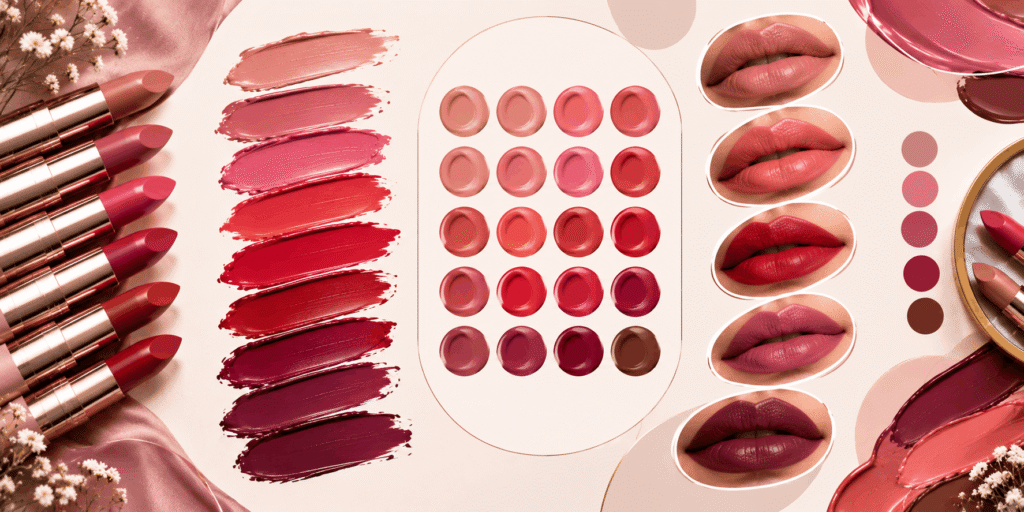
Understanding color families makes shopping easier because you can recognize which shades are similar and which offer a different effect. Instead of collecting lipsticks randomly, explore a few categories that suit your style.
Pink Lipstick
Pink lipstick ranges from delicate baby pink to vivid fuchsia and deep rose. Lighter pinks can create a soft appearance, while brighter shades offer more energy and contrast.
If pale pink makes your complexion look washed out, try a rose pink or a medium pink with a little brown mixed in. These deeper options can maintain a feminine look while providing more definition.
For a bold makeup style, fuchsia and vivid pink can become the main feature of your look. Pairing them with understated eye makeup allows the color to stand out without requiring several competing shades.
Red Lipstick
Red lipstick remains a versatile option because its variations can produce very different effects. Orange-red shades often feel vibrant and warm, blue-red colors may appear cooler, and brick reds offer an earthy alternative.
When selecting a red, think about the effect you want rather than searching for one universally perfect shade. A sheer red can look relaxed and casual, while a highly pigmented matte red may create a sharper, more dramatic finish.
Lip preparation is particularly helpful with bold red colors because dry patches and uneven edges can become more noticeable. Gently smooth your lips, apply a comfortable lip product if needed, and allow it to settle before applying lipstick. Use a lip liner when you want extra definition.
Brown and Chocolate Lipstick
Brown lipstick has become a popular choice for people who enjoy understated, earthy, or statement-making makeup. Its versatility comes from the wide range of shades available, including beige brown, cinnamon, caramel, mocha, cocoa, and deep chocolate.
Lighter brown shades can create a natural-looking lip, while deeper chocolate tones offer stronger contrast. Brown lipstick can also work as a base for other colors. Applying a small amount of rose or pink lipstick over brown can produce a custom shade with greater depth.
If a brown lipstick looks dull against your complexion, try one with a warmer reddish undertone or a subtle rosy quality. You can also add a little gloss to introduce shine and dimension.
Berry, Plum, and Wine Shades
Berry shades combine elements of red, pink, and purple, creating colors that range from bright raspberry to deep blackberry. Plum lipsticks lean more noticeably toward purple, while wine shades often feature rich red and burgundy qualities.
These colors are useful when you want something more distinctive than a standard pink or nude. A sheer berry can provide a subtle flush of color, while a deep wine lipstick can create a dramatic evening look.
For daytime wear, consider applying a small amount and blending it with your fingertip for a softer result. For greater intensity, apply directly from the tube or use a lip brush to build even coverage.
How Lipstick Finish Changes the Final Look
Color is only one part of choosing lipstick. The finish determines how light interacts with your lips and can influence both the appearance and feel of the product.
Matte lipstick provides a relatively shine-free finish and often delivers strong color payoff. It can create a defined, polished look, although some formulas may emphasize dryness. If your lips feel uncomfortable, choose a more flexible formula and prepare your lips gently before application.
Satin lipstick sits between matte and glossy finishes. It usually offers visible color with a subtle sheen, making it a versatile option for everyday makeup, work, and special occasions.
Glossy lipstick reflects light and creates a smooth, luminous appearance. It can make lips look fuller, although the amount of shine and staying power depends on the formula. Gloss may transfer more easily than some matte products.
Sheer lipstick allows your natural lip color to show through. It is useful for low-maintenance makeup because small differences in application are generally less noticeable than they are with highly pigmented formulas.
Liquid lipstick describes a product format rather than one specific finish. Liquid formulas may dry matte, remain glossy, or create a satin appearance. Check the product description and consider comfort as well as color intensity.
There is no single finish that works best for everyone. If your lips are naturally dry, a comfortable satin or sheer formula may be easier to wear than a very drying matte product. If you prefer sharp definition and longer-lasting color, you may enjoy a matte or transfer-resistant formula.
Common Mistakes When Choosing Lipstick Colors
Even an attractive lipstick shade can disappoint when its undertone, depth, or finish does not match the look you intended. A few simple adjustments can help you get more use from the lip products you already own.
Choosing a shade only because it is trending: Popular colors can provide inspiration, but a trend does not automatically make a shade right for your preferences. If a fashionable lipstick feels uncomfortable or does not create the effect you want, there is no reason to force yourself to wear it.
Testing lipstick under artificial lighting: Store lighting can make colors appear warmer, cooler, or brighter than they look outdoors. When possible, check the shade near a window or in indirect daylight before deciding whether it suits you.
Ignoring natural lip pigmentation: Your lips can influence how a lipstick appears after application. A pale pink may look different on naturally brown lips than it does on naturally rosy lips. Look for swatches on lips with similar pigmentation or test the product yourself when possible.
Choosing a nude that is too light: A very pale beige can reduce lip definition, particularly when it closely matches the surrounding skin. If this happens, experiment with a deeper rose, brown, or peach-based nude.
Applying bold lipstick without preparing the lips: Flaky skin and uneven texture can make intense colors appear patchy. Gentle exfoliation may help when needed, but avoid aggressive scrubbing. A comfortable lip balm can soften dry lips before lipstick application.
Assuming undertone rules are absolute: Cool, warm, and neutral categories can guide your choices, but they should not limit your options. Personal style, contrast, clothing, and the overall makeup look all influence whether a lipstick feels right.
Buying products based only on online swatches: Screens, photography, filters, and lighting can change the appearance of a shade. Treat online images as a starting point, and check the product’s description, finish, and available swatches before purchasing.
How to Make Your Lipstick Look Better and Last Longer
A good application technique can improve the appearance of almost any lipstick color. Start with clean lips and remove loose flakes gently if necessary. If your lips are dry, apply a small amount of balm and allow it to absorb before continuing.
For a defined finish, use a lip liner that closely matches your lipstick or natural lip color. Outline your lips without drawing an exaggerated shape, then lightly fill in the interior. This creates a base that may help the color look more even as the lipstick wears away.
Apply lipstick in a thin, even layer rather than adding a large amount immediately. With highly pigmented formulas, a small amount can provide sufficient coverage. If you want a stronger result, build the color gradually.
To soften a bold shade, dab it onto the center of your lips and blend outward. This technique creates a diffused effect that works particularly well with red, berry, and rose colors. For a more defined appearance, apply the lipstick directly and clean up the edges carefully.
If you want additional staying power, choose a formula designed for longer wear and follow its application instructions. Keep in mind that eating, drinking, and rubbing your lips can affect any lipstick. Reapplying after meals is often more practical than expecting every product to remain unchanged all day.
Remove lipstick gently at the end of the day. A suitable makeup remover or cleansing product can help dissolve persistent formulas without excessive rubbing. Keeping your lips comfortable is just as important as making the color last.
Final Thoughts
Finding your favorite lipstick colors is less about following strict beauty rules and more about understanding what makes a shade work for you. Skin tone and undertone can offer helpful starting points, but natural lip pigmentation, formula, finish, outfit, and personal taste also influence the result.
Cool undertones may enjoy rosy pinks, berry shades, and blue-based reds. Warm undertones can explore coral, terracotta, caramel, and brick red. Neutral undertones may find it easy to experiment with balanced roses, browns, mauves, and classic reds. These suggestions are guides rather than restrictions, and every complexion can wear a wide range of colors.
Start with a few versatile options: an everyday shade, a comfortable nude, and a stronger color for occasions when you want more impact. Try different finishes, compare shades in natural lighting, and pay attention to how each lipstick makes you feel.
The most flattering lipstick is ultimately one that complements your desired look and feels good to wear. Once you understand the colors and finishes you enjoy, building a lipstick collection becomes simpler, more practical, and much more personal.
Start by considering your skin tone, undertone, and natural lip color. Cool undertones may complement rosy pinks and berry shades, while warm undertones can pair well with coral, peach, and terracotta. Neutral undertones can experiment with both warm and cool colors.
Fair skin can look beautiful with soft pink, rose, peach, mauve, and classic red lipstick. If pale shades make your lips appear washed out, try a slightly deeper rose or pinkish nude for more definition.
Medium skin tones can explore rose brown, coral, caramel nude, brick red, berry, and mauve. The most flattering option depends on your undertone and the intensity of color you prefer.

2 Comments