Brow lamination is a semi-permanent beauty treatment designed to make the eyebrows look more organized, lifted, and fuller without adding individual brow hairs. Instead of creating a completely new brow shape, the treatment works with the hairs you already have and directs them into a more uniform position. The result can range from a soft, brushed-up appearance to a more defined, structured look depending on the natural brows and the styling chosen.
The treatment has become popular because it offers a polished brow appearance without requiring daily brow gel or extensive makeup. But there is more to brow lamination than simply brushing the hairs upward. Understanding what the treatment does, how the appointment works, who may enjoy it, and how to care for the brows afterward can help you decide whether it suits you.
What Is Brow Lamination?
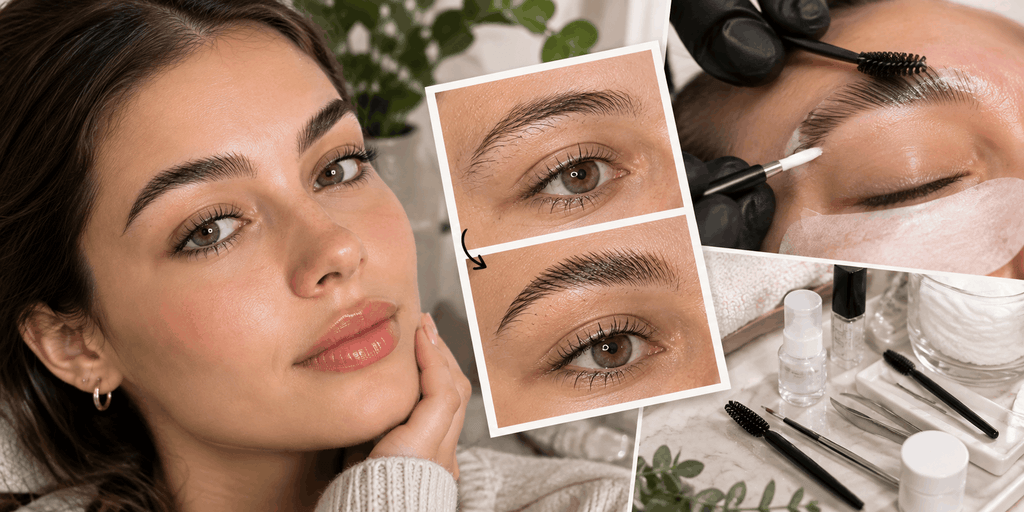
Brow lamination is a professional eyebrow treatment that temporarily reshapes the direction of the brow hairs. During the service, a specialist applies specially formulated products that soften and reposition the hairs before setting them into their new shape.
Think of it as a styling treatment for your existing eyebrow hairs. Instead of filling sparse areas with makeup or drawing individual hairs with a pencil, lamination changes how your natural hairs sit. This can make the brows appear more even and visually fuller.
The technique is particularly noticeable when the hairs are brushed upward and slightly outward. Because several hairs can be positioned in the same direction, areas that previously looked uneven may appear more consistent.
Brow lamination does not permanently change the natural growth pattern of your eyebrows. The effect gradually fades as the treated hairs return to their normal condition and new, untreated growth becomes visible.
How Brow Lamination Works
The process relies on professional brow solutions that temporarily alter the hair’s structure enough for the technician to reposition it. A setting step then helps the hairs hold the selected shape.
The exact products and processing time can vary between professionals and brands, which is one reason an experienced technician matters. Brow hairs are delicate, and the goal should be controlled styling rather than excessive processing.
A consultation before treatment can also help determine whether the desired result is realistic. Someone with naturally thick brows may achieve a dramatic brushed-up effect, while someone with finer or sparser brows may get a softer result.
What Does Brow Lamination Actually Do?
The main purpose of brow lamination is to create a more controlled and styled appearance. It can make eyebrow hairs look smoother, more aligned, and easier to arrange.
One of its most noticeable effects is the illusion of increased fullness. The treatment does not actually grow new hair, but repositioning existing hairs can help them cover more visible space. This may make certain brows appear denser than they normally do.
Lamination can also help tame hairs that grow in different directions. If some hairs point downward while others cross sideways, arranging them more consistently can create a cleaner overall shape.
The final appearance is highly customizable. Some people prefer a subtle, natural lift where the hairs are simply tidied and directed upward. Others like a more noticeable editorial look with strongly brushed-up brows.
Why It Can Make Brows Look Fuller
Eyebrow density is not determined only by the number of hairs. Their direction also affects how full the brows appear.
For example, hairs lying flat against the skin may leave certain spaces looking more noticeable. When those same hairs are repositioned upward or outward, they can visually occupy more of the brow area.
This is why brow lamination can be appealing to people who already have a reasonable amount of natural brow hair but struggle to make it look organized. The treatment works with what is already there rather than relying entirely on cosmetic filling.
However, lamination cannot replace missing hair. If an area has very little or no brow hair, repositioning surrounding hairs will not create actual strands in that empty space.
Who Can Benefit From Brow Lamination?
Brow lamination can suit a wide range of brow types, particularly when the main concern is direction, texture, or manageability rather than a complete lack of hair.
People with thick eyebrows may enjoy lamination because it can help control unruly hairs and give the brows a more deliberate shape. Those with medium-density brows may use it to create a fuller-looking finish without relying heavily on makeup.
It can also be useful for people whose brow hairs naturally grow downward or in several different directions. Redirecting the hairs can make everyday styling easier.
Fine brows can sometimes benefit as well, although the result may be more subtle. Because the treatment does not add hair, expectations should be based on the person’s existing brow density.
When Brow Lamination May Not Be the Right Choice
Brow lamination is not automatically suitable for every person or every situation. If the skin around the eyebrows is irritated, unusually sensitive, damaged, or experiencing another problem, postponing the treatment may be appropriate.
People who have recently undergone certain brow or facial treatments may also need to wait before booking another chemical-based service. A professional should be told about relevant recent treatments so they can determine whether the timing is appropriate.
It is also worth reconsidering lamination if your main goal is to create dramatically thicker eyebrows from very sparse brows. Other cosmetic approaches may be more suitable for that particular goal.
What Happens During a Brow Lamination Appointment?
Although the treatment can look simple from the outside, a good appointment begins before any solution is applied. The technician should first look at the natural brows and discuss the appearance you want.
A typical service can involve several stages, but the exact sequence varies depending on the salon, products, and professional technique.
Consultation and Brow Assessment
The appointment usually starts with a conversation about your preferred brow shape and finish. This is the time to explain whether you want…….
Brow Lamination Aftercare
Aftercare is an important part of getting the most from a brow lamination. The hairs have been professionally repositioned, so the first part of the aftercare period is mainly about allowing the treatment to settle without unnecessary disturbance.
Your technician should provide specific instructions based on the products used during your appointment. Following those instructions is more useful than relying on a one-size-fits-all routine found online.
For the first period after treatment, you may be advised to avoid activities or products that could interfere with the freshly styled brows. Excessive moisture, steam, rubbing, or applying unsuitable skincare directly over the brow area can potentially affect the result.
Once the initial aftercare period has passed, everyday brow maintenance is generally straightforward. Avoid aggressively brushing or pulling the hairs, and be gentle when cleansing around the eyebrows.
Keeping Laminated Brows Looking Neat
One of the appealing things about brow lamination is that daily styling can become simpler. The hairs are already trained into a temporary direction, so you may only need to brush them into place.
A clean spoolie can help arrange the hairs when necessary. If you use brow makeup, remove it gently rather than scrubbing the area.
Skincare products also deserve some attention. Strong exfoliating products or active skincare ingredients used directly around the eyebrows may not be ideal immediately after a chemical brow treatment. Ask your technician when it is appropriate to return to your usual skincare routine around the brow area.
Most importantly, do not try to force the hairs into a different direction immediately after the appointment. Give the treatment time to settle and follow the professional’s instructions.
Is Brow Lamination Safe?
Brow lamination is generally considered a cosmetic treatment that can be performed safely when appropriate professional products, hygiene practices, and application techniques are used. However, like other treatments involving products applied close to the eyes and facial skin, it is not completely risk-free.
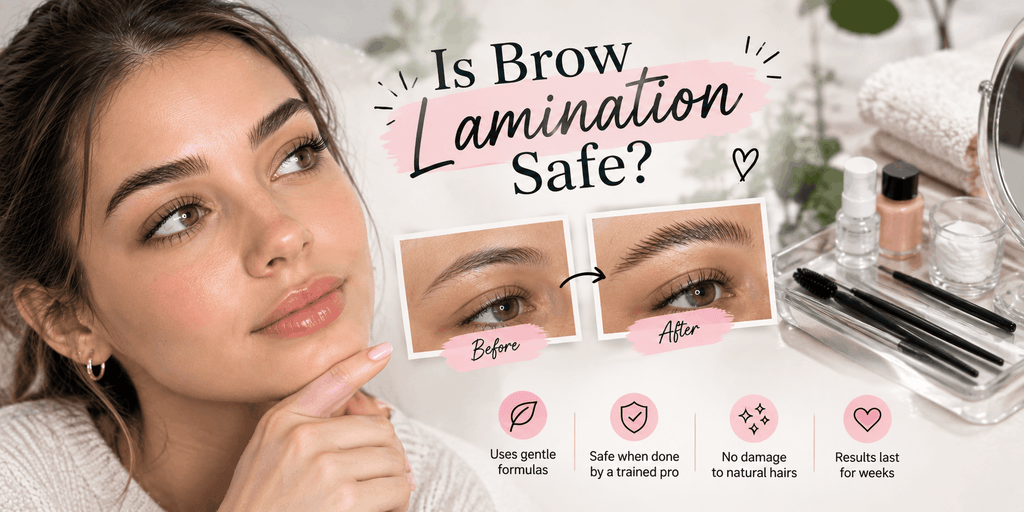
The skin around the eyebrows can react to cosmetic ingredients, and individual sensitivity varies. Some people may experience temporary redness or irritation, while others may not have any noticeable reaction.
The condition of the brow hairs also matters. Repeated chemical processing or inappropriate treatment can leave hairs feeling dry, weak, or brittle. A responsible technician should consider the condition of the brows before deciding whether to proceed.
Why a Professional Assessment Matters
A trained brow specialist can look at the hair and skin before starting and identify situations where treatment should be postponed. They can also select an appropriate approach based on the person’s natural brows rather than applying the same process to everyone.
If you have a history of reactions to cosmetic products, tell the technician before the appointment. If a salon offers patch testing or another form of suitability assessment for its products, follow its recommendations.
Do not assume that a treatment is safe simply because someone else has had a good experience with it. Cosmetic reactions can differ between individuals.
When to Postpone the Treatment
It may be sensible to wait if the skin around your eyebrows is irritated, scratched, sunburned, inflamed, or otherwise uncomfortable. Applying chemical products to already irritated skin can make the situation worse.
You should also mention recent facial or brow treatments before booking. Your technician can tell you whether enough time has passed for your skin to be suitable for another service.
If you develop significant discomfort during the appointment, tell the technician immediately rather than trying to tolerate it for the sake of the finished look.
How to Make Your Brow Lamination Look More Natural
Not every laminated brow needs to have an extremely brushed-up appearance. One of the easiest ways to make the result look more natural is to choose a brow direction that works with your existing hair growth.
A softer lift can create a groomed appearance without making the brows look overly styled. The technician can also adjust the direction of the hairs across different sections of the brow rather than forcing every hair into exactly the same angle.
Your natural brow density should also influence the final design. Thick brows may not need additional visual definition, while finer brows can benefit from subtle styling and optional tinting.
The goal is not to copy a photograph of someone else’s eyebrows. A successful brow treatment should be adapted to your own hair pattern, preferred appearance, and facial proportions.
How Often Should You Get Brow Lamination?
Because brow lamination chemically processes the hair, repeating the service too frequently is not necessarily better. The appropriate interval depends on how quickly your brows grow, how long the result remains visible, and how your hairs respond to treatment.
Rather than scheduling appointments simply because a certain number of weeks has passed, pay attention to the condition of your brows. If the hairs feel unusually dry, weak, or damaged, give them time to recover before considering another treatment.
A qualified technician can also assess whether your brows are ready for another appointment. This is particularly useful if you have been receiving repeated treatments.
Final Thoughts
So, what is brow lamination? It is a temporary eyebrow-styling treatment that reshapes the direction of your natural brow hairs, helping them look smoother, more controlled, and often fuller.
Its appeal comes from its ability to transform the appearance of existing hairs without creating permanent changes. Whether you prefer soft, natural brows or a more noticeable brushed-up finish, the treatment can be adapted to different styles.
However, the quality of the result depends on more than the technique itself. Choosing a trained professional, discussing your expectations, considering your skin and brow condition, and following appropriate aftercare can all make a difference.
Brow lamination is not a solution for every eyebrow concern, and it does not actually grow new hairs. But for people who already have enough natural brow hair and mainly want better direction and definition, it can be a simple way to achieve a polished look with less everyday styling.
The appointment can vary in length depending on the salon, the products being used, whether shaping or tinting is included, and the amount of work required. Many appointments take around 45 to 60 minutes, although some may be shorter or longer.
Brow lamination itself is generally not intended to be painful. You may notice sensations from the products or the brow hairs being brushed and positioned, but significant pain should not be considered a normal part of the service.
Your technician may recommend waiting before applying makeup directly to the treated brow area. The exact advice can depend on the products and process used during your appointment.
Once you have been told it is appropriate to wear makeup again, brow pencils, powders, gels, or other cosmetics can be used according to your normal routine. Remove them gently to avoid unnecessary rubbing.