BIAB nails have become a popular choice for people who want a polished manicure while keeping their natural nails at the center of the look. Unlike traditional gel polish, BIAB is designed to provide additional structure and strength, making it useful for natural nail overlays, simple nail art, and some forms of extension work. The result can be anything from a barely-there nude manicure to a glossy, detailed design.
But BIAB is more than another name for gel nails. It is a type of builder gel system that can be used to reinforce the natural nail and create a smooth foundation for color or nail art. When applied correctly and maintained properly, it can offer durable wear without automatically requiring the thicker appearance associated with some traditional enhancement systems.
Understanding what BIAB actually does, how it differs from gel polish and acrylic, and how it should be removed can help you decide whether it suits your nails and your preferred manicure style.
What Are BIAB Nails?
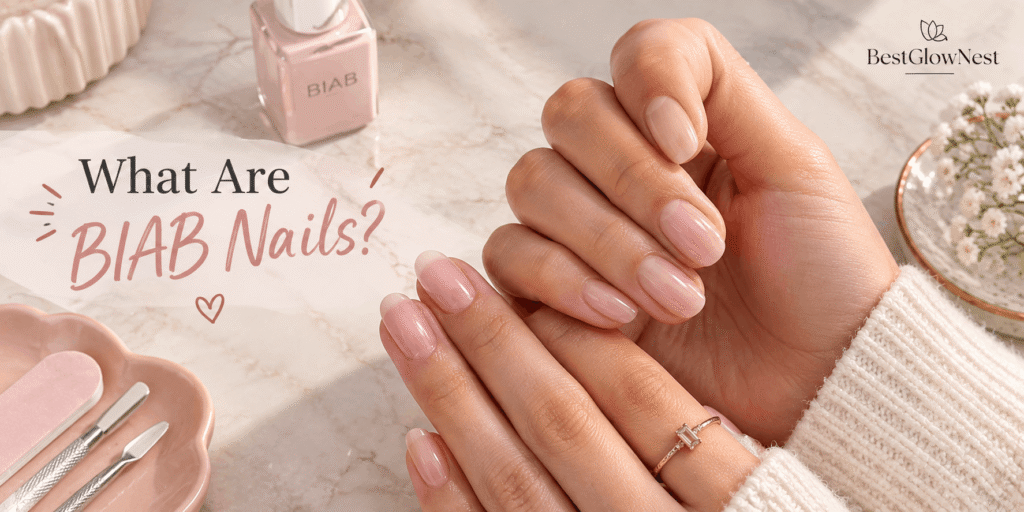
BIAB stands for Builder in a Bottle. It refers to a soak-off builder gel product that comes in a bottle and is generally applied with a brush, much like gel polish. Its main purpose is to add structure and reinforcement to the natural nail rather than simply providing color.
The consistency is usually thicker than standard gel polish, allowing the nail professional to build a controlled layer over the natural nail. Depending on the product and technique, BIAB can help create a smoother surface, support the free edge, and provide a stronger base for a manicure.
One reason BIAB has become so popular is its versatility. It can be worn on natural nails, used underneath gel color, or incorporated into certain extension techniques when the specific product is designed and approved for that purpose.
It is also worth remembering that “BIAB” is not a single universal formula. Different manufacturers make builder products with different properties, viscosities, removal methods, and intended uses. For that reason, application and removal should always follow the instructions for the particular product being used.
BIAB vs Builder Gel vs Gel Polish
The terminology surrounding nail products can be confusing because BIAB is itself a type of builder gel.
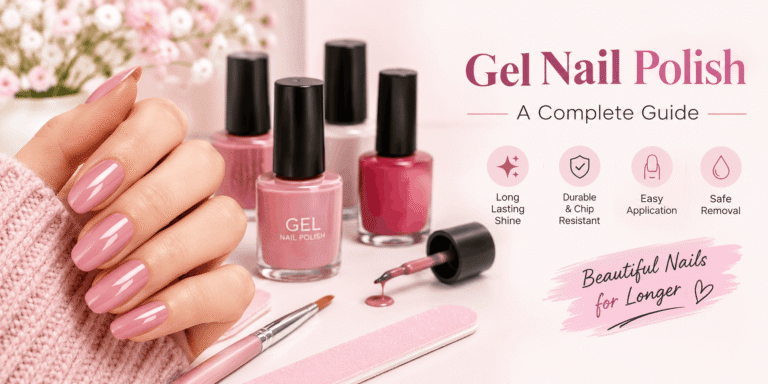
Gel polish is primarily designed to provide color and a durable glossy finish. It is generally applied in relatively thin layers and does not provide the same level of structural reinforcement as a builder product.
Builder gel is designed to create structure and strength. BIAB products are builder gels packaged in a bottle, often making them convenient for salon application and natural nail overlays.
The key difference is therefore not simply “BIAB versus builder gel.” BIAB belongs within the wider builder-gel category, while gel polish serves a different purpose.
A typical manicure might use BIAB to create the structure and then add gel polish or nail art on top. Some BIAB products are also available in shades that make an additional color layer unnecessary.
Is BIAB Suitable for Every Nail?
Not necessarily. Nail type, natural nail condition, lifestyle, product compatibility, and application technique all matter.
Someone with flexible nails may appreciate the additional structure, while another person may need a different enhancement system depending on their goals. If the natural nail is damaged, painful, infected, or showing unusual changes, cosmetic enhancement should not be used as a substitute for professional medical or dermatological advice.
A trained nail professional can also assess the nail and determine whether the selected BIAB system is appropriate.
Why Are BIAB Nails So Popular?
The popularity of BIAB nails comes from the combination of structure, appearance, and versatility. People who prefer natural-looking manicures often like the way BIAB can create a smooth and refined finish without automatically producing a very thick enhancement.
Another advantage is the range of looks it can support. A client can choose a simple sheer nude one appointment and a detailed French or seasonal design at another.
Durable, Everyday Wear
When properly applied, cured, and maintained, BIAB nails can provide durable wear that is useful for everyday activities. The added structure can make the manicure feel more substantial than ordinary gel polish.
However, durability does not mean the manicure is indestructible. Picking, peeling, opening containers with the nails, or repeatedly exposing them to damaging conditions can still cause lifting or breakage.
A good manicure should be treated as an enhancement rather than a tool.
Supporting the Natural Nail
BIAB can act as a protective layer over the natural nail. The structured coating may help reduce the effects of everyday bending and minor mechanical stress.
This is one reason people sometimes associate BIAB with growing longer nails. However, BIAB does not biologically make nails grow faster. Instead, protecting the nail from repeated breakage can make it easier for the natural nail to retain length.
That distinction is important because healthy nail growth comes from the nail itself, not from the builder product.
Creating a Smooth Canvas for Nail Art
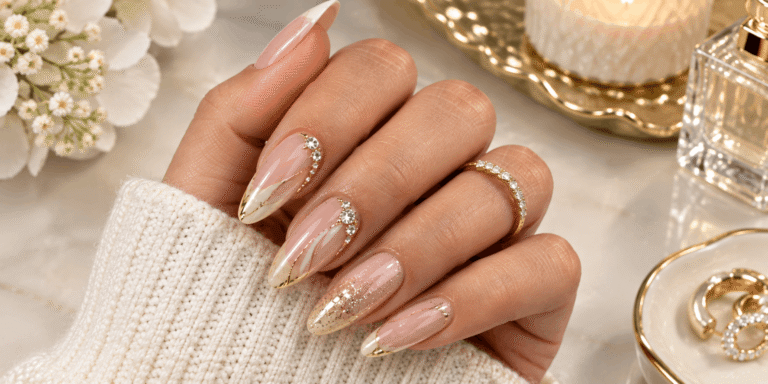
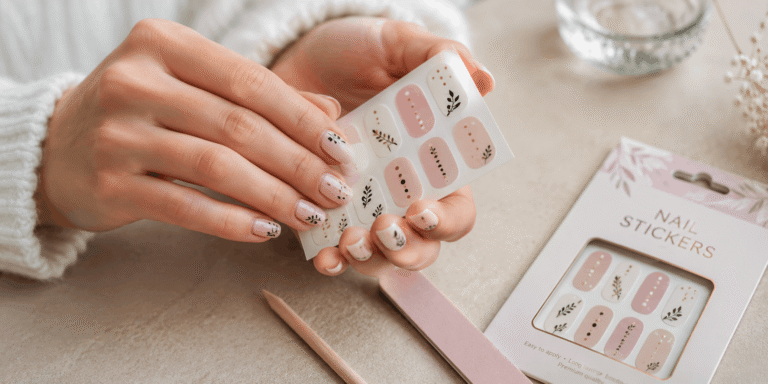
BIAB can create an even surface that works well for minimalist nail designs. A sheer pink, beige, peach, or milky shade can become the base for French tips, micro designs, chrome effects, subtle glitter, or small decorative details.
The product can also be used to create a clean appearance on its own. For people who do not want elaborate nail art, a glossy neutral BIAB manicure can look polished without additional decoration.
How BIAB Is Applied and Used for Different Nail Looks
A professional BIAB manicure involves more than simply brushing product onto the nail. Preparation, product selection, application, curing, and finishing all influence the final result.
The exact process varies between brands and salons, so the manufacturer’s instructions should always take priority.
The Basic Application Process
The natural nail is first assessed and prepared. The nail professional may shape the free edge, gently prepare the surface, and remove any loose non-living tissue around the nail plate according to their professional method.
The nail should be clean and appropriately prepared before product application. Depending on the system, a compatible base or bonding product may be required.
BIAB is then applied in controlled layers. Because builder gel is thicker than regular polish, the professional can use the product to create structure while keeping the overall shape balanced.
The product is cured in the correct lamp according to the manufacturer’s requirements. Proper curing is particularly important with gel systems because the product needs to polymerize correctly.
After curing and any required finishing steps, the nail can be left in its natural BIAB shade or decorated with another gel product.
BIAB Extensions
BIAB can be associated with extensions, but not every BIAB product is intended to create long extensions.
Some systems can be used with suitable forms or tips to create additional length, while others are intended primarily for overlays and short extensions. The manufacturer’s instructions should determine how the product is used.
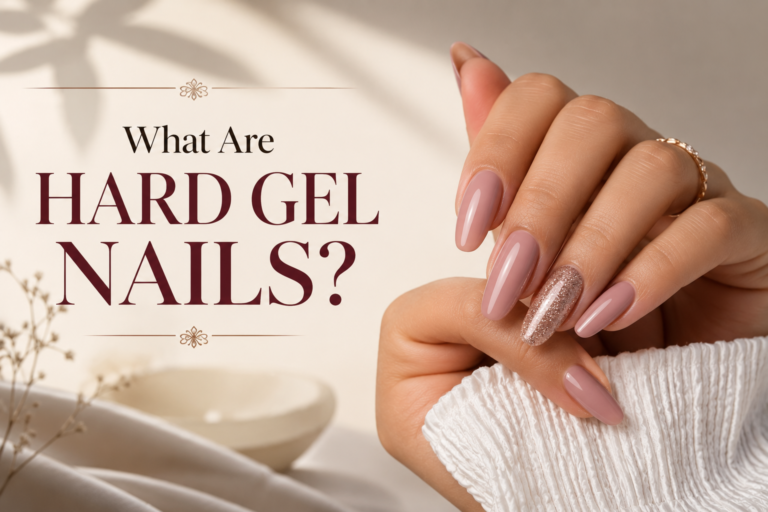
For significantly longer nails, a hard gel or acrylic system may sometimes be more appropriate depending on the desired length, nail structure, and professional assessment.
This is another reason why treating every builder product as interchangeable can cause problems. Different formulas have different capabilities.
BIAB Nail Colors and Design Ideas
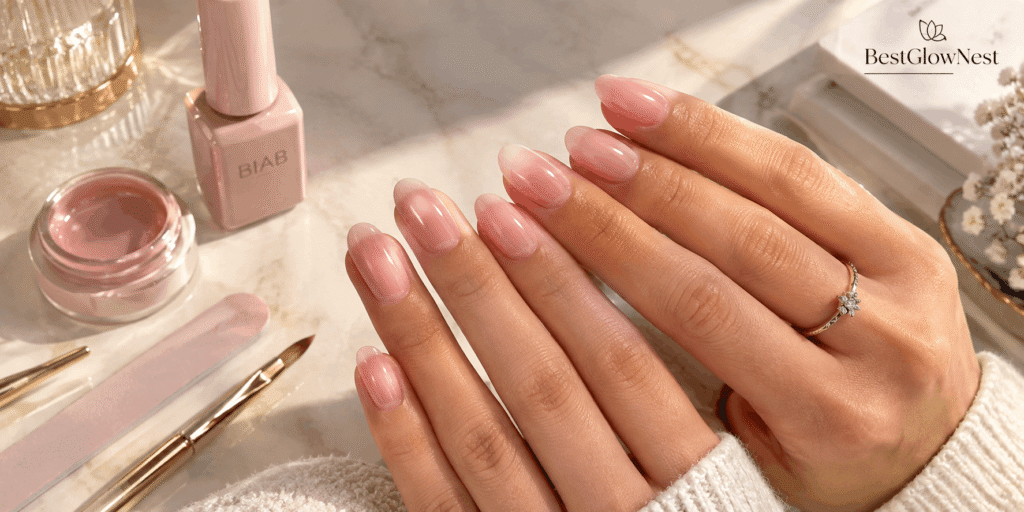
One of the biggest attractions of BIAB nails is that it can be both a strengthening system and part of the finished aesthetic.
Sheer pink and nude shades are especially popular because they create a clean, natural-looking manicure. Milky tones can produce a softer appearance, while warmer beige and peach shades can give the nails a more polished neutral finish.
For people who want more detail, BIAB provides a versatile foundation for nail art.
Minimalist BIAB Nails
A sheer nude BIAB base with a high-gloss finish is one of the simplest options. It works particularly well when the goal is a neat manicure that does not look heavily decorated.
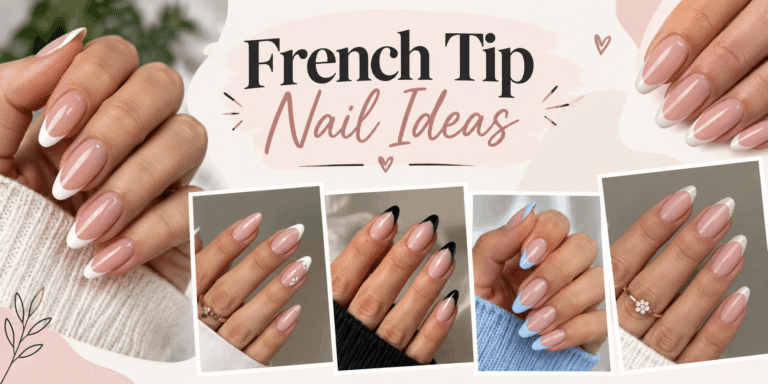
A micro-French tip can add definition without making the design feel busy. Thin white, cream, pastel, or even metallic tips can be used depending on the desired effect.
Small dots, delicate lines, tiny flowers, and subtle chrome details can also work beautifully over a neutral BIAB base.
Seasonal BIAB Designs
BIAB does not have to stay within neutral colors.
For spring, soft pastels and delicate floral details can create a fresh appearance. Summer designs can move toward brighter shades, colorful French tips, or playful patterns.
Autumn-inspired BIAB nails can incorporate warm brown, burgundy, olive, caramel, and muted orange tones. Winter designs can shift toward deep shades, icy neutrals, silver details, velvet-inspired finishes, or understated festive nail art.
Because the underlying structure remains relatively simple, the design can be changed without completely changing the concept of the manicure.
French BIAB Nails
French tips are particularly compatible with BIAB because the builder layer can create a smooth foundation for precise tip work.
A classic white French manicure remains timeless, but modern variations can use colored tips, ultra-thin lines, double French designs, or contrasting neutral shades.
The important thing is that the design should complement the shape and length of the nail rather than overwhelm it.
BIAB Aftercare and Safe Removal
Good aftercare can make a major difference in how long a BIAB manicure remains attractive and comfortable.
The most important rule is simple: do not pick or peel the product from the natural nail.
When someone pulls off lifting gel, layers of the natural nail can be removed along with it. That can leave the nail thinner and more vulnerable.
How to Look After BIAB Nails
Use the nails as part of your hands rather than as tools. Avoid deliberately using the free edge to scrape, pry, or open objects.
Regularly applying cuticle oil can help keep the surrounding skin and nail area conditioned. Hand cream can also be useful, especially when frequent handwashing or dry weather leaves the skin feeling rough.
If a nail begins lifting, it is better to have it assessed and repaired rather than repeatedly pressing it down or attempting to remove it yourself.
Appointments should generally be scheduled according to the growth of the natural nail and the condition of the enhancement rather than waiting until the manicure becomes severely grown out.
How BIAB Should Be Removed
Removal depends on the specific BIAB product. Some builder gels are designed to soak off, while other systems may require filing or a combination of professional techniques.
A professional should follow the manufacturer’s removal instructions rather than assuming every builder product can be removed in exactly the same way.
For a soak-off system, the product may be carefully reduced and then softened using the recommended removal method. Any remaining material should be removed gently rather than aggressively scraping the natural nail.
If the product is not designed to soak off, attempting to force it off with acetone may waste time and encourage unnecessary manipulation of the nail.
Professional removal is especially useful when the product has significant thickness, lifting, extensions, or several layers of nail art.
BIAB vs Gel Polish vs Acrylic
Choosing a nail system becomes much easier when you understand what each one is designed to accomplish.
BIAB vs Gel Polish
Gel polish is primarily a color and finish system. It can offer excellent shine and durable wear, but it generally does not provide the same structural support as builder gel.
BIAB is thicker and designed to reinforce the nail. Someone wanting a simple color change on naturally strong nails may prefer gel polish, while someone looking for additional structure may consider BIAB.
The two can also be used together when the product systems are compatible.
BIAB vs Acrylic
Acrylic is created by combining a liquid monomer with polymer powder to form a sculptable enhancement. It has traditionally been popular for creating significant length and highly structured nails.
BIAB is generally associated with a lighter-looking builder-gel manicure and is particularly popular for natural nail overlays and moderate structure.
Neither system is automatically “better.” The right choice depends on nail condition, desired length, lifestyle, maintenance preferences, and the skill of the nail professional.
A person wanting very long, highly sculpted nails may have different requirements from someone who simply wants to reinforce short natural nails.
Common BIAB Mistakes to Avoid
A good BIAB manicure depends as much on correct technique as on the product itself.
One common mistake is applying too much product. More thickness does not automatically mean more strength. An unbalanced nail can feel bulky and may not have the correct structure.
Another problem is poor preparation. If the nail is not appropriately prepared or the product is applied over unsuitable conditions, lifting can occur.
Incorrect curing is another important concern. Gel products must be cured using the appropriate lamp and timing specified by the manufacturer. A product should not be considered properly cured simply because the surface feels hard.
Mixing incompatible products can also cause problems. Base products, builder gels, color gels, lamps, and top coats should be used according to the manufacturer’s system requirements.
Finally, trying to repair or remove a damaged manicure by picking at it can create more problems than the original lifting.
BIAB Nail Tips for a Natural-Looking Manicure
If the goal is a clean, sophisticated BIAB manicure, subtle details often work better than excessive decoration.
Choose a shade that complements the desired look rather than automatically selecting the most popular nude. A sheer pink, milky beige, soft peach, or neutral tone can create very different results.
Nail shape matters too. Short rounded or softly squared nails can look understated, while almond or oval shapes can create a more elongated appearance when the natural nail has enough length.
The finish also makes a difference. High shine creates a classic salon appearance, while carefully selected nail art can add personality without covering the entire nail.
Most importantly, the structure should remain balanced. A beautiful color cannot compensate for an improperly shaped or excessively thick enhancement.
Final Thoughts
BIAB nails have earned their popularity because they sit comfortably between a simple gel manicure and more substantial enhancement systems. They can provide structure, support a natural-looking finish, and create a versatile foundation for everything from minimalist nude nails to detailed seasonal designs.
The biggest advantage is not simply that BIAB is marketed as a stronger manicure. Its real appeal comes from flexibility. It can be adapted to different nail lengths, shapes, colors, and styles while keeping the natural nail at the center of the design.
However, good results depend on professional preparation, correct curing, suitable products, regular maintenance, and gentle removal. BIAB should never be treated as something that can simply be peeled away when the manicure starts growing out.
Whether you prefer glossy neutral nails, French tips, subtle nail art, or a more creative seasonal design, BIAB offers plenty of room for customization. When the right formula and technique are matched to the individual nail, it can be a practical and stylish option for a polished manicure.
BIAB and gel polish serve different purposes. BIAB is a builder product designed to provide additional structure, while gel polish is primarily used for color and finish. The better option depends on whether the wearer wants reinforcement or simply a durable color manicure.
BIAB does not make the natural nail grow faster. It can provide a protective layer that may reduce breakage, which can help someone retain more of their natural length while the nail grows normally.
The wear time varies according to the product, application, nail condition, lifestyle, and aftercare. A professional can recommend an appropriate maintenance schedule based on how quickly the natural nails grow and how the enhancement is holding.
2 Comments