
A hair brush is one of the most important tools in any hair care routine. Whether you’re detangling wet hair, creating smooth hairstyles, adding volume, or reducing frizz, the right hair brush can make styling easier while helping keep your hair healthy.
With so many types of hair brushes available, choosing the best one can feel overwhelming. Each brush is designed for a different purpose, and using the wrong type may lead to unnecessary breakage or difficulty styling your hair.
In this guide, you’ll learn about the different types of hair brushes, their benefits, how to choose the right one for your hair type, and tips for keeping your brush clean.
What Is a Hair Brush?🪮
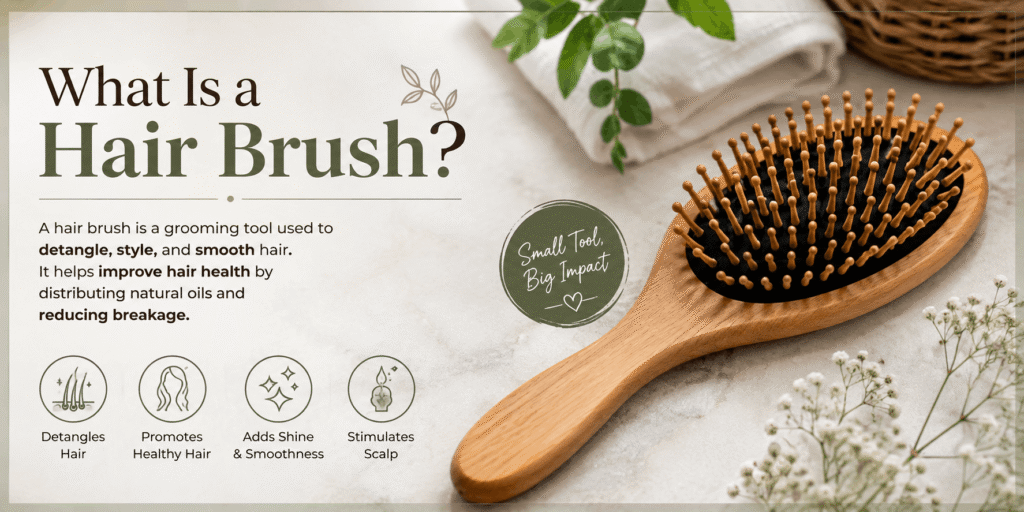
A hair brush is a grooming tool used to detangle, smooth, style, and manage hair. It typically consists of a handle and a head with bristles made from natural or synthetic materials.
Hair brushes are suitable for various hair types, including:
- Straight hair
- Wavy hair
- Curly hair
- Coily hair
- Thick hair
- Fine hair
Using the right brush helps improve both the appearance and health of your hair.
Why Is a Hair Brush Important?🌟
Brushing your hair does more than remove tangles. It also helps distribute your hair’s natural oils from the scalp to the ends, making your hair look smoother and shinier.
Some key benefits include:
- Removes knots and tangles
- Reduces frizz
- Helps distribute natural oils
- Improves hair’s appearance
- Makes styling easier
- Adds smoothness and shine
- Supports healthy-looking hair
Using a brush gently and correctly can also reduce unnecessary hair breakage.
Different Types of Hair Brushes🧴
Paddle Brush
A paddle brush has a wide, flat surface that works well for everyday brushing.
It is ideal for:
- Long hair
- Straight hair
- Thick hair
- Everyday detangling
It creates a smooth finish and is excellent for reducing knots.
Round Brush
Round brushes are commonly used during blow-drying.
They help create:
- Volume
- Soft curls
- Waves
- Smooth blowouts
The larger the barrel, the more volume it usually creates.
Vent Brush
A vent brush has openings that allow air to pass through during blow-drying.
Benefits include:
- Faster drying
- Lightweight styling
- Better airflow
- Added volume
It works well for people who frequently use a hair dryer.
Detangling Brush
A detangling brush features flexible bristles that gently separate knots without pulling too hard.
It is suitable for:
- Wet hair
- Fine hair
- Curly hair
- Children’s hair
These brushes help reduce breakage caused by tugging.
Boar Bristle Brush
Boar bristle brushes use natural bristles that gently distribute the scalp’s natural oils throughout the hair.
Advantages include:
- Adds shine
- Smooths hair
- Reduces frizz
- Creates a polished finish
They are especially popular for straight and slightly wavy hair.
Cushion Brush
A cushion brush has soft, flexible padding beneath the bristles.
It provides:
- Comfortable brushing
- Gentle scalp massage
- Reduced pulling
- Everyday styling
Many people use cushion brushes as their daily hair brush.
How to Choose the Right Hair Brush💇
For Straight Hair
A paddle brush or boar bristle brush helps create a smooth and shiny finish.
For Thick Hair
Choose a sturdy paddle brush with strong bristles that can easily move through thick hair.
For Fine Hair
A soft-bristle or detangling brush helps reduce breakage and unnecessary pulling.
For Curly Hair
A wide-tooth detangling brush works well for gently removing knots without disturbing your curl pattern.
For Blow-Drying
A round brush or vent brush is ideal for creating volume and styling while drying your hair.
Hair Brush Materials✨
Natural Bristles
Natural bristles, such as boar bristles, help spread natural oils and create a smooth, shiny finish.
Nylon Bristles
Nylon bristles are durable and work well for detangling thick or coarse hair.
Mixed Bristles
Some brushes combine natural and nylon bristles to provide both detangling and smoothing benefits.
🪞Benefits of Using the Right Hair Brush
Reduces Breakage
Gentle brushing helps prevent unnecessary hair damage.
Improves Shine
Natural oils spread evenly throughout the hair, creating a healthier appearance.
Makes Styling Easier
The right brush helps create smooth, polished hairstyles with less effort.
Supports Scalp Health
Gentle brushing can stimulate the scalp and distribute natural oils.
Saves Time
A quality brush makes detangling and styling faster and more comfortable.
How to Brush Your Hair Properly
Start at the Ends
Begin brushing near the ends of your hair and slowly work your way upward to remove knots without pulling.
Be Gentle
Avoid brushing aggressively, especially when your hair is wet.
Use the Right Brush
Choose a brush designed for your hair type and the style you want to achieve.
Brush in Sections
If you have thick or long hair, divide it into smaller sections to make brushing easier and reduce tangles.
Can You Brush Wet Hair?🧼
Yes, but wet hair is generally more delicate than dry hair.
To brush wet hair safely:
- Use a detangling brush.
- Apply a leave-in conditioner or detangling spray if needed.
- Brush gently from the ends upward.
- Avoid pulling through large knots.
Taking your time helps minimize breakage.
How to Clean a Hair Brush
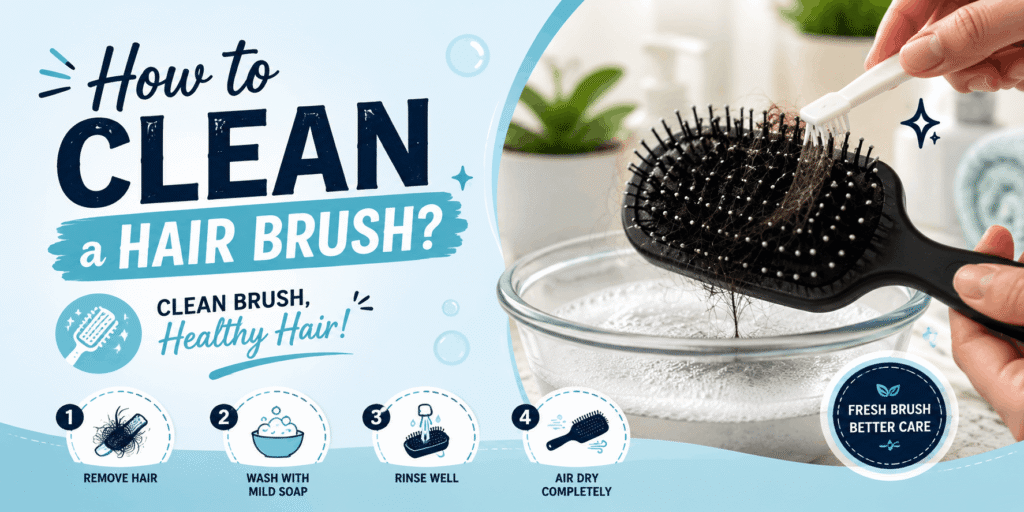
Remove Loose Hair
After each use or at least once a week, remove the hair trapped in the bristles. You can use your fingers, a comb, or a brush-cleaning tool to make this easier.
Wash the Brush
Fill a bowl with warm water and add a small amount of gentle shampoo or mild soap. Swirl the brush in the water and gently clean between the bristles.
If your brush has a wooden handle, avoid soaking it for a long time, as too much water may damage the wood.
Rinse Thoroughly
Rinse away all soap with clean water. Make sure no residue remains on the bristles.
Let It Air Dry
Place the brush with the bristles facing downward on a clean towel and allow it to dry naturally. Avoid using a hair dryer or placing it near direct heat.
Cleaning your brush every 1 to 2 weeks is a good habit, especially if you use styling products regularly.
Common Hair Brushing Mistakes❌
Brushing Too Hard
Pulling the brush through knots with force can cause hair breakage and discomfort. Always brush gently.
Starting at the Roots
Beginning at the roots can tighten tangles and make them harder to remove. Start at the ends and gradually work upward.
Using the Wrong Brush
Different hair types require different brushes. Choosing the right brush helps prevent breakage and improves styling results.
Brushing Wet Hair Aggressively
Wet hair is more fragile than dry hair. Use a detangling brush and brush slowly to reduce damage.
Forgetting to Clean the Brush
A dirty brush collects oil, dust, and hair products. Regular cleaning helps keep both your brush and your hair in better condition.
Sharing Hair Brushes
Sharing brushes can spread dirt, oil, and, in some cases, scalp conditions. It’s best to use your own personal hair brush.
How Often Should You Replace a Hair Brush?📅
Signs It’s Time for a New Brush
Even high-quality brushes don’t last forever.
You should consider replacing your hair brush if:
- The bristles are bent or broken.
- The cushion is damaged.
- The handle is cracked.
- The brush no longer detangles effectively.
- It has excessive product buildup that cannot be cleaned.
With proper care, a quality hair brush can often last one to three years, depending on how frequently it is used and the materials it is made from.
Hair Brush vs Comb🔄
Hair Brush
Best for:
- Everyday brushing
- Smoothing hair
- Blow-drying
- Adding shine
- Creating volume
A hair brush is ideal for general styling and keeping hair neat throughout the day.
Comb
Best for:
- Wet hair
- Detangling curls
- Parting hair
- Precise styling
- Evenly distributing hair products
Wide-tooth combs are especially helpful for curly or textured hair because they reduce pulling and help maintain the natural curl pattern.
Many people benefit from using both a comb and a hair brush as part of their regular hair care routine.
Tips for Healthy Hair While Brushing💡
Daily Hair Care Tips
Good brushing habits can help your hair look and feel its best.
- Brush your hair gently every day.
- Use the right brush for your hair type.
- Avoid excessive heat styling whenever possible.
- Trim split ends regularly.
- Keep your brush clean.
- Use conditioner to reduce tangles.
- Avoid brushing your hair too frequently if it causes unnecessary breakage.
Healthy hair care involves both the right tools and gentle techniques.
Final Thoughts⭐
A hair brush is more than just a styling tool—it’s an important part of maintaining healthy, smooth, and manageable hair. Choosing the right type of brush for your hair texture and styling needs can make everyday grooming easier while helping reduce breakage and frizz.
Whether you prefer a paddle brush for daily use, a round brush for blowouts, or a detangling brush for gentle knot removal, proper care and regular cleaning will keep your brush working effectively. By using the correct brushing techniques and replacing worn-out brushes when needed, you can enjoy healthier-looking hair every day.
One Comment