
Nail tips are a popular way to achieve longer, more polished-looking nails without waiting months for natural growth. Whether you want a subtle extension, a dramatic shape, or a neat manicure for a special occasion, nail tips can help create the look you have in mind. However, getting them applied involves more than choosing a length and color. The type of tips, application method, maintenance routine, and removal process can all affect your experience.
Before booking an appointment, it is worth understanding how nail tips work and what you should expect from them. Some styles are designed to provide extra length, while others offer a more natural appearance. Your daily activities, natural nail condition, and preferred manicure style may also influence which option is suitable.
Knowing a little about the process can help you communicate with your nail technician, make a more informed choice, and avoid common problems. Here are eight important things to understand before getting nail tips.
What Are Nail Tips?
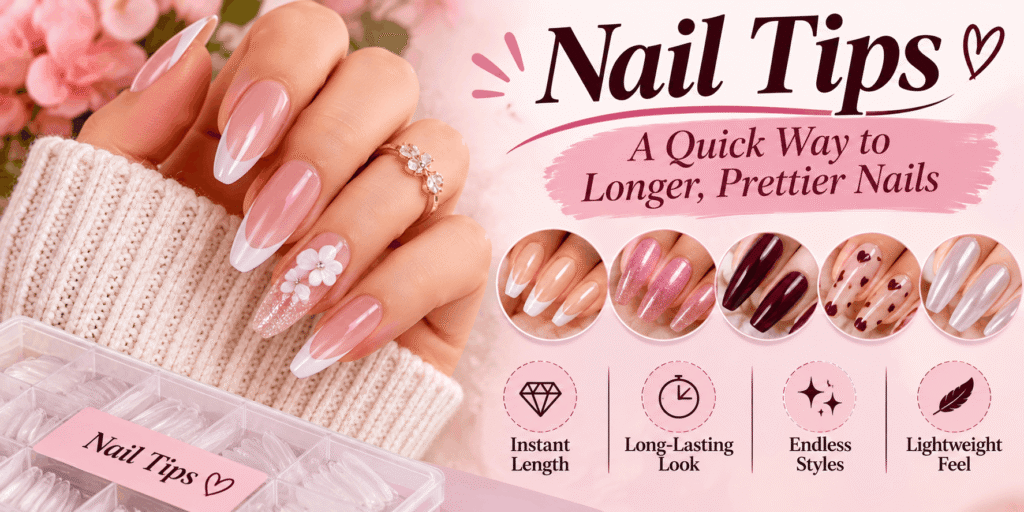
Nail tips are artificial extensions attached to the free edge of natural nails to add length and create a foundation for a manicure. They are generally made from plastic or other specialized nail materials and come in different shapes, sizes, lengths, and designs. Once attached, they can be blended with the natural nail and finished with products such as gel, acrylic, or other enhancement systems, depending on the technique being used.
Unlike a full artificial nail that covers the entire natural nail, traditional nail tips usually extend only from the edge. The technician selects a suitable size, prepares the natural nail, attaches the extension, and shapes the finished structure. The final result can look natural or dramatic depending on the chosen length, shape, and finish.
Nail tips are available in a wide range of styles, including square, round, almond, coffin, and stiletto shapes. Some are designed to be clear or transparent, while others have a natural-looking finish. There are also full-cover soft gel tips, which cover most or all of the natural nail rather than attaching only to its free edge. These systems have their own application requirements and should not automatically be treated as identical to traditional nail tips.
One reason people choose nail tips is their versatility. They can help create a consistent length when natural nails grow unevenly, provide a base for nail art, and make it easier to achieve a particular nail shape. However, the final quality depends on appropriate sizing, careful application, suitable products, and proper aftercare.
1. They’re Lower Impact Than Acrylics
Nail tips and acrylic nails are often discussed together, but they are not exactly the same thing. Nail tips are extensions that add length, whereas acrylic is a product system that can be used to build strength, structure, and shape over the natural nail or an extension. A manicure may even combine both: a plastic tip can be attached first and then covered with acrylic product.
Because of this difference, it is not accurate to assume that every nail-tip application is automatically gentler than every acrylic manicure. The level of impact depends on the complete application process, the products used, the condition of the natural nails, and how carefully the extensions are removed.
Some tip systems require relatively little product, while others involve additional layers of gel or acrylic. Natural nails may also be filed or lightly buffed during preparation. Excessive filing, aggressive cuticle work, repeated forceful application, and improper removal can weaken the nail plate regardless of which extension style is chosen.
If your main concern is protecting your natural nails, discuss the application method with your technician before starting. Ask how much preparation is required and whether the chosen system involves extensive filing. A professional should be able to explain the process and recommend an approach that suits your nail condition.
It is also helpful to arrive with realistic expectations. Extensions add length, but they do not repair damaged nails or make weak nails permanently stronger. If your natural nails are already peeling, painful, unusually thin, or lifting from the nail bed, it may be better to address the problem before applying extensions.
A gentle application and removal routine is more important than simply choosing a product because it is advertised as less damaging. Never allow extensions to be pulled, peeled, or forced off. Even a manicure that initially looks beautiful can leave natural nails vulnerable if the removal process is rushed.
2. Not All Styles Are Created Equal
Nail tips are available in many designs, and choosing a style is not just about appearance. Different shapes and lengths can influence comfort, durability, and how easily you perform everyday tasks. The right option should complement your preferred look while remaining practical for your lifestyle.
Short square tips are a popular choice for people who want a neat, structured appearance without adding excessive length. They can look clean and modern, although sharp corners may catch on fabrics if they are not shaped properly. Rounded tips offer a softer outline and may be easier to manage for people who prefer a natural-looking manicure.
Almond-shaped tips taper toward a rounded point. They create an elongated appearance and work well with both simple colors and detailed nail art. Coffin-shaped tips have tapered sides and a flatter edge at the end, producing a more dramatic silhouette. Stiletto tips are sharply pointed and make a bold statement, but their length and shape may require additional care during daily activities.
The material and construction also matter. Traditional nail tips are commonly attached to the natural nail’s free edge, while full-cover tips sit over a larger portion of the nail. Some systems are flexible, while others are designed to provide a firmer structure. Your technician can explain which type is appropriate for the finish you want.
Length deserves just as much attention as shape. Very long extensions can look striking, but they may take time to get used to. If you work with your hands, type frequently, handle small objects, or perform household tasks, a shorter length may be more comfortable. Starting with a moderate extension can help you understand how your hands adapt before trying a more dramatic design.
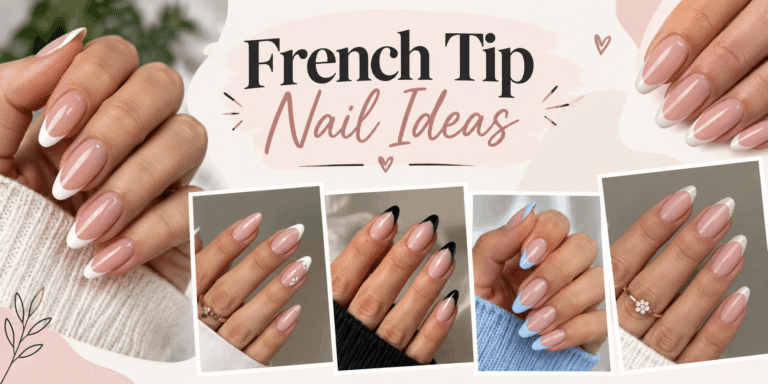
Color and decoration can change the overall appearance without affecting the basic structure. Neutral shades, soft pinks, and sheer finishes create an understated look, while bright colors, chrome effects, French tips, and detailed nail art offer more personality. You do not need an elaborate design to make nail tips look attractive.
Bring reference pictures to your appointment if you have a particular style in mind. However, consider them a guide rather than a guarantee that the same result will suit every nail shape. Your technician can adjust the design to match your natural nail beds, preferred length, and practical needs.
3. Price Can Seriously Vary
The cost of getting nail tips is not fixed. Prices can differ considerably between salons, technicians, locations, and application systems. A simple set with a natural finish may cost less than a detailed manicure featuring long extensions, multiple colors, decorative elements, or specialized products.
The type of extension is one factor that influences the final price. Traditional tips combined with a particular enhancement product may have a different cost from a full-cover soft gel system. Some salons also charge separately for nail art, extra length, special shapes, repairs, or removal of an existing manicure.
The experience of the technician can also affect pricing. A professional who specializes in nail enhancements may charge more because of their training, precision, product knowledge, and service quality. A higher price does not automatically guarantee a better result, but choosing a salon based only on the cheapest advertised offer may not be the best approach.
Before booking, ask what the quoted price includes. Find out whether nail preparation, shaping, color application, and basic finishing are part of the service. If you want decorations or an unusual shape, ask whether these involve additional charges. Clear communication helps prevent unexpected costs when the appointment is finished.
It is also worth considering the expense of maintenance. Nail extensions may require regular appointments as natural nails grow. Depending on the system, the technician may recommend a refill, rebalance, repair, or a completely new set. If you are comparing prices, consider the ongoing cost rather than focusing only on the first appointment.
A realistic budget should include the initial application, future maintenance, and professional removal when needed. You may also want to account for occasional repairs if an extension becomes damaged. Planning ahead makes it easier to enjoy your manicure without feeling pressured to choose an unsuitable service simply because it appears cheaper.
4. Take Maintenance Into Consideration
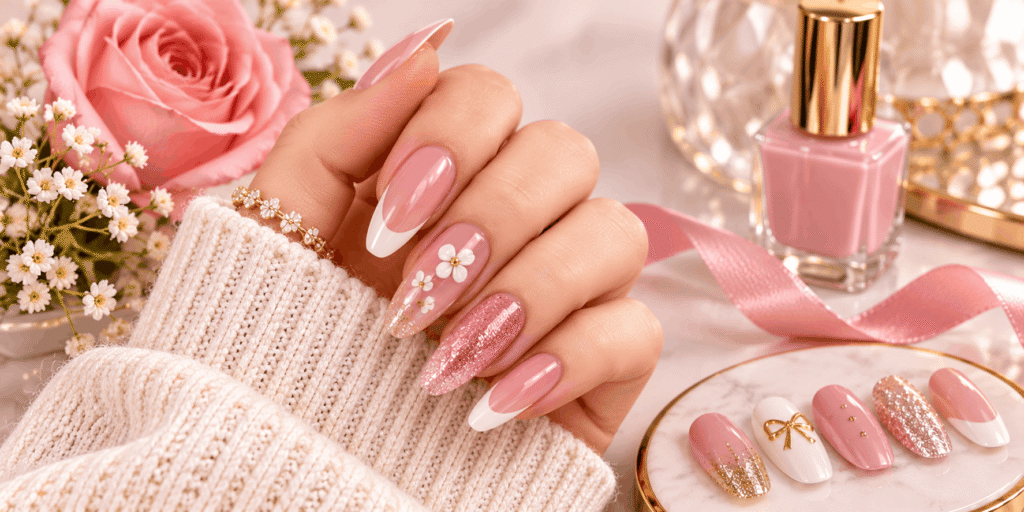
Nail tips require care after application. Although they can make nails look polished and well-shaped, they are not completely maintenance-free. Natural nails continue growing underneath, which gradually changes the appearance and balance of the extensions.
As your natural nails grow, a visible gap develops near the cuticle area. This is normal, but the growing space can affect the overall appearance of the manicure. Depending on the type of enhancement, the technician may recommend a maintenance appointment to restore the shape and structure.
Your daily habits can influence how long the extensions remain in good condition. Using your nails to open packages, scrape surfaces, remove labels, or pick at objects can place unnecessary pressure on the tips. These actions may cause lifting, cracks, or breakage. Treating your extensions carefully can reduce avoidable damage.
Water exposure and cleaning products deserve attention as well. Frequent contact with detergents, household cleaners, and other chemicals may affect the surrounding skin and the condition of the manicure. Wearing protective gloves during cleaning can help reduce direct exposure. After washing your hands, dry them properly, including the areas around the nails.
Cuticle oil can help keep the skin around your nails comfortable and moisturized. Apply it regularly according to your technician’s advice, and use hand cream when your skin feels dry. Moisturizing does not make extensions indestructible, but it supports a more comfortable nail-care routine.
Do not ignore lifting or visible gaps. When an extension separates from the natural nail, moisture and debris can become trapped in the space. Avoid trying to glue it down yourself with household adhesive or pulling it away. Contact a qualified nail professional to assess the problem and recommend an appropriate repair or removal.
Maintenance appointments should be based on the growth of your nails, the condition of the product, and the recommendations for your particular system. There is no single schedule that suits everyone. If your nails grow quickly or you notice structural changes, you may need professional attention sooner.
5. They Take Some Time to Get Used To
Even beautifully applied nail tips can feel unfamiliar during the first few days. Adding length changes the way your fingertips interact with objects, and you may need time to adjust your movements. Tasks that previously felt effortless can require a slightly different technique.
Typing is one common example. If you are used to typing with the pads of your fingers, longer extensions may initially cause you to press the keyboard differently. Using your fingertips carefully and avoiding excessive pressure can make the transition easier. The same adjustment may apply when using a phone, handling coins, or picking up small items.
Everyday activities such as fastening buttons, opening containers, washing your hair, and putting on jewelry may also feel different. Longer nails can catch on clothing or hair if you are not careful. This does not mean you cannot perform these tasks; it simply means your movements may need a little practice.
The shape of the extensions can influence how quickly you adapt. Short, rounded tips are generally less demanding for beginners than extremely long or sharply pointed designs. If you have never worn extensions before, choosing a moderate length can be a sensible starting point.
Comfort is important. Nail tips should not cause persistent pain, pressure, or a burning sensation. Some temporary awareness of the added length may be normal, but discomfort should not be dismissed as something you must tolerate. If an extension feels too tight or painful, contact the salon and have it checked.
Give yourself time to become familiar with the new shape, but do not force yourself to keep a style that interferes with your routine. Your manicure should feel manageable as well as attractive. You can always choose a shorter length or a different shape at your next appointment.
6. Consider the Coverage
Coverage refers to how much of the natural nail is covered by the extension or enhancement system. This is an important detail because different nail-tip designs attach and sit on the nail in different ways.
Traditional nail tips generally attach to the free edge of the natural nail. The technician selects a tip that fits the width of the nail, attaches it securely, and blends the transition area when required. The remaining natural nail is then prepared for the chosen finishing product.
Full-cover tips work differently. They cover a larger portion of the natural nail, often extending from near the cuticle area to the free edge. These systems may be made from soft gel or other materials and are usually applied using a compatible adhesive or gel product. Their appearance and application process differ from traditional partial tips.
The amount of coverage can influence the finished look. Some people prefer a natural-looking extension where the product blends smoothly with the nail. Others want a complete, uniform surface that provides a consistent base for polish or nail art. Neither approach is automatically better; the choice depends on the system, the condition of your nails, and your desired result.
Fit is especially important. A tip that is too narrow may create pressure along the sides of the natural nail, while one that is too wide may extend beyond the nail plate or look bulky. A professional should select and adjust the size carefully rather than forcing an unsuitable tip into place.
You should also discuss how the tip will be removed. Some systems require soaking or specialized removal products, while others may need controlled filing by a trained professional. Knowing the removal requirements before application can help you understand the commitment involved.
If your natural nails are short, uneven, or have different widths, tell your technician before the service begins. They can assess whether traditional tips or a full-cover system is more appropriate. The goal is to achieve a comfortable fit without unnecessary pressure or excessive preparation.
7. Proper Removal Matters
Removal is one of the most important parts of wearing nail tips. A manicure may look attractive for several weeks, but removing the extensions incorrectly can damage the natural nails underneath. Pulling, biting, peeling, or forcing the tips away can remove layers of the natural nail plate.
The correct removal technique depends on the material and application system. Some enhancements can be softened with an appropriate remover, while others require careful filing or a combination of professional techniques. A removal method suitable for one product may not work for another, so it is important to identify what was applied before beginning.
Avoid trying to remove stubborn extensions by using excessive force. If the product does not loosen easily, stop rather than pulling harder. Forcing an extension can cause splitting, peeling, tenderness, and surface damage. It may also leave the natural nails uneven and sensitive.
Professional removal is often the safest option, particularly if you are unsure which system was used. A qualified technician can assess the product and remove it using the correct method. They can also identify signs of lifting or damage that may not be obvious beneath the enhancement.
After removal, your nails may look or feel different from what you expected. This does not necessarily mean that the extensions permanently damaged them. Natural nails can be affected by filing, dehydration, or repeated enhancement services, and they need time to grow. Keep them at a manageable length and avoid aggressive buffing.
A simple aftercare routine can help. Use cuticle oil, apply hand cream, and protect your hands from harsh cleaning products. If the nails are very thin or tender, avoid immediately applying another set. Give them time to recover and consult a nail professional if you notice persistent pain, discoloration, separation, or unusual changes.
Do not use household glue or sharp tools to remove extensions. These methods can cause injury and make the condition of your natural nails worse. Proper removal is not an optional finishing step; it is part of responsible nail care.
8. It’s Important to Take Breaks
Taking breaks between nail enhancement sets can be useful, especially if your natural nails feel weak, sensitive, or damaged. Although nail tips do not automatically ruin natural nails, repeated application and removal may place stress on the nail plate when the process is not performed carefully.
A break gives you an opportunity to examine your natural nails without an artificial layer covering them. You can notice changes in thickness, texture, flexibility, and appearance. This is particularly helpful if you have worn extensions continuously and are unsure how your nails are doing underneath.
However, a break is not a magical treatment that instantly repairs damaged nails. Natural nails are made of keratin and grow gradually. If part of the nail plate has become thin or rough, improvement generally occurs as healthier nail grows forward. Good daily care can support comfort while that process takes place.
During a break, keep your nails at a practical length. Long, weakened edges may catch on objects and split more easily. File rough edges gently in one direction where possible, and avoid cutting or pushing the cuticles aggressively. The skin around the nails helps protect the area where new nail growth develops.
Moisturizing is another useful habit. Apply cuticle oil and hand cream regularly, particularly after washing your hands. If your nails are exposed to water or cleaning products frequently, consider wearing gloves during household tasks. These small habits can make your hands feel more comfortable.
Pay attention to warning signs rather than following a fixed break schedule without considering your condition. Persistent soreness, redness, swelling, unusual discoloration, or separation of the nail from the nail bed should be assessed by an appropriate healthcare professional. These symptoms should not simply be covered with another manicure.
The length of a break depends on your nails and the reason you are taking one. Some people may only need a short pause between services, while others may benefit from waiting longer as damaged areas grow out. A nail technician can offer cosmetic guidance, but medical concerns should be discussed with a healthcare professional.
Ultimately, the purpose of taking breaks is to give yourself time to check the condition of your natural nails and make thoughtful decisions about future enhancements. Healthy-looking nails should remain a priority alongside the appearance of your manicure.
Conclusion
Nail tips can be a practical and stylish way to add length, experiment with different shapes, and create a polished manicure. They offer plenty of flexibility, but the experience depends on choosing the right system, finding a skilled technician, understanding the cost, and following an appropriate care routine.
Before making an appointment, consider how much length you can comfortably manage, what type of coverage you prefer, and how much time and money you are willing to spend on maintenance. Ask questions about application and removal instead of choosing a service based only on its appearance.
Most importantly, pay attention to your natural nails. Avoid forceful removal, do not ignore discomfort or lifting, and take a break when your nails need attention. With realistic expectations and responsible care, you can enjoy nail tips while making your natural nail health part of the process.
Final Thoughts
Getting nail tips should be an enjoyable experience, not something that leaves your natural nails uncomfortable or difficult to manage. A little preparation can help you choose an extension style that suits your preferences and everyday routine.
You do not have to begin with the longest or most dramatic design. A shorter, well-fitted set can be just as attractive and may be easier to maintain, especially if you are new to nail extensions. Communicate openly with your technician, follow their aftercare recommendations, and make sure you understand the removal process before your appointment.
Beautiful nails are not only about length or decoration. Comfort, proper application, and healthy nail-care habits matter just as much. When you give attention to all three, you can make a more confident choice about whether nail tips are right for you.
Nail tips are artificial extensions attached to natural nails to add length and create a desired shape. They can be finished with gel, acrylic, or other nail enhancement products.
Nail tips can last several weeks, depending on the application method, product quality, natural nail growth, and daily care. Regular maintenance may be needed to keep them looking neat.
Nail tips and acrylic nails serve different purposes. Tips add length, while acrylic is a product used to build or strengthen nail enhancements. Some manicures combine both techniques.
One Comment