Choosing a haircut becomes much easier when you understand the proportions of your face. For men with an oblong face shape, the goal is usually to create a balanced appearance rather than adding unnecessary height or making the face look even longer.
An oblong face is generally longer than it is wide, with fairly even proportions through the forehead, cheeks, and jaw. The right haircut can add width, create texture around the sides, and give the overall face a more balanced frame.
That does not mean men with oblong faces need to follow strict haircut rules. Many different styles can work. The key is understanding how length, volume, fades, and texture change the visual proportions of your face.
How to Tell If You Have an Oblong Face Shape
An oblong face is often noticeably longer than it is wide. The forehead, cheekbones, and jaw may have relatively similar widths, while the chin can appear slightly longer or more rounded depending on the individual.
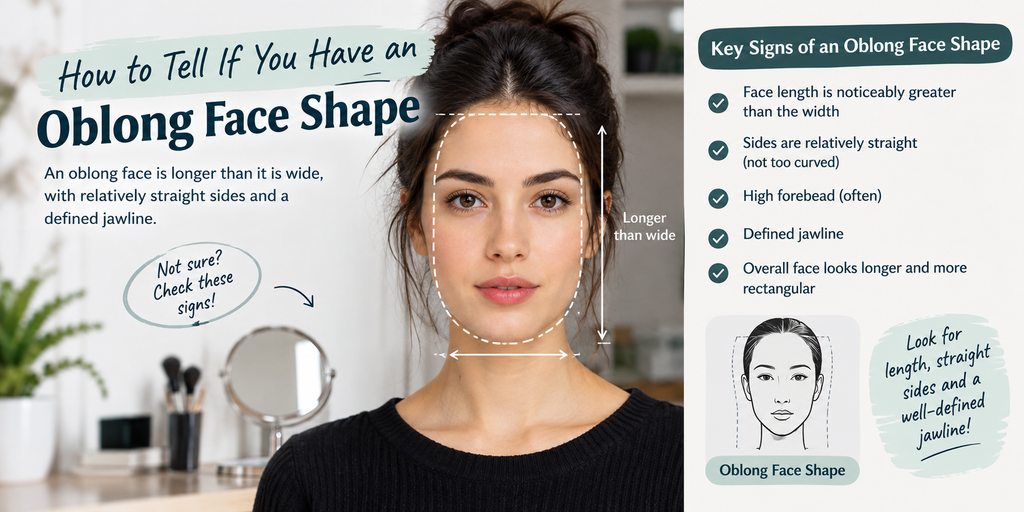
One easy way to check is to look at your face from the front with your hair pulled away from it. Compare the overall length of your face with its width. If the vertical measurement is clearly greater and the sides appear relatively straight rather than strongly rounded, you may have an oblong face shape.
Face shapes are not exact categories, though. Your features may combine characteristics from more than one shape. Hair, facial hair, camera angles, and even hairstyle can also change how your proportions appear.
Instead of trying to force yourself into one category, use face shape as a styling guide. If your face already has noticeable length, hairstyles that create excessive height on top may emphasize that feature. Styles with some width and controlled volume can create a more balanced appearance.
Top Hairstyles for Men With Oblong Faces
There are plenty of options for an oblong face shape, from traditional cuts to modern textured styles. The following looks are different enough to give you a range of choices without making every haircut feel like a variation of the same idea.
1. Classic Side Part
A classic side part is a reliable option when you want a structured haircut without excessive height. The hair is divided to one side, creating a clean direction across the top while leaving enough volume around the sides.
For an oblong face, keeping some fullness at the sides can help create visual width. Ask your barber not to take the sides extremely tight if your goal is a fuller, more balanced silhouette.
The top can be kept medium length so it can be combed neatly without creating a tall shape. A small amount of styling cream or light pomade can provide control while keeping the finish natural.
Why It Works
The side-to-side movement of the hairstyle breaks up the vertical appearance of the face. It also gives you a classic shape that can work for school, work, formal occasions, or everyday wear.
2. Faded Side Part
If you like the traditional side part but want a more contemporary finish, a faded version can create a sharper outline. The sides gradually become shorter toward the ears and neckline while the top remains long enough to form the part.
For an oblong face, consider keeping the fade moderate rather than taking it extremely high. Leaving some visual weight around the sides can help maintain balance.
The top can be styled with a natural part rather than a highly sculpted shape. This makes the haircut easier to maintain while still giving it a polished appearance.
3. Long Side Part
A longer side part gives you more styling flexibility. The extra length can fall naturally across the forehead and sides, creating movement rather than forcing the hair straight upward.
This version can work particularly well with straight or slightly wavy hair. Layers can also be introduced if the hair is thick and tends to become heavy.
Avoid creating too much vertical lift at the roots. Instead, guide the hair sideways and allow some natural movement around the forehead.
4. Classic Fade
A classic fade can be adapted to an oblong face by keeping enough length and weight toward the upper sides. The clean graduation gives the haircut a neat appearance without requiring a complicated styling routine.
The important part is choosing the fade height carefully. An extremely high fade combined with a tall top can make the face appear longer. A lower or moderate fade can provide a softer transition.
You can pair the fade with a textured top, short crop, side part, or simple brushed style depending on your hair type.
5. Quiff
A quiff adds volume toward the front and creates one of the most recognizable men’s hairstyles. However, for an oblong face, the amount of height matters.
Instead of creating a very tall quiff, try a controlled version with moderate lift and some width. The front can be swept slightly backward and outward rather than pushed straight upward.
This approach keeps the hairstyle energetic without making the face appear unnecessarily elongated. A matte styling product can work well when you want texture rather than a highly glossy finish.
6. Undercut
An undercut creates a strong contrast between the longer top and shorter sides. Because the top can be styled in several directions, it offers plenty of versatility.
For an oblong face, the key is not to combine the undercut with excessive height. A medium-length top worn sideways, loosely back, or with a natural part can create a more balanced result.
This haircut is especially useful if you enjoy changing your hairstyle. The longer top can be restyled into several different looks as it grows.
7. Pompadour
A pompadour is known for its volume, making it a more challenging choice for an oblong face. However, it does not automatically have to be extremely tall.
A lower, wider pompadour can give you the character of the classic style while keeping the proportions more controlled. Instead of directing every strand vertically, sweep the top backward with some width through the sides.
This style generally requires more preparation than a simple side part. A blow-dryer, round brush, and suitable styling product can help create the desired shape.
8. Pompadour With a Fade
Combining a pompadour with a fade creates a sharper modern variation. The shorter sides emphasize the volume on top, while the fade gives the haircut a clean outline.
For an oblong face, avoid making the top excessively tall. A wider, moderately lifted pompadour can provide the desired shape without exaggerating the length of the face.
This version can be especially effective for people who enjoy a more styled appearance and do not mind spending extra time getting the hair into place.
9. Ivy League
The Ivy League is a refined short haircut that combines the practicality of a shorter cut with enough length on top for styling. It can be parted, brushed back, or given a subtle textured finish.
For an oblong face, keeping the sides from becoming excessively narrow can help preserve visual width. The top does not need dramatic volume, making this a relatively straightforward option.
It is also adaptable. You can keep the finish neat for formal situations or use your fingers and a matte product to create a more relaxed version.
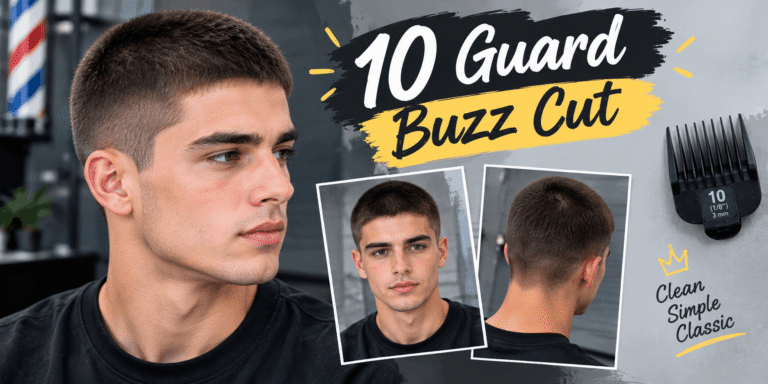
10. Buzz Cut
A buzz cut removes much of the styling complexity and puts the focus directly on the natural proportions of your head and face. Different clipper lengths can produce noticeably different results.
Because there is very little hair to create width or movement, the shape of your head becomes more visible. If you are considering a buzz cut, discussing the desired length with your barber beforehand can help you choose a version you feel comfortable wearing.
A slightly longer buzz may provide more flexibility than an extremely short version, especially if you want a softer overall appearance.
11. Textured Crop
A textured crop is a practical modern haircut that uses short layers and natural texture instead of relying on tall volume. The fringe can be worn forward or slightly to the side, depending on your preference.
For an oblong face, the textured finish can help break up the vertical lines of the face. Keeping some fullness around the sides can also prevent the haircut from becoming too narrow.
This style works particularly well if you prefer a low-maintenance haircut. A small amount of matte clay or styling paste can bring out the texture without making the hair look overly styled.
12. Side Swept Haircut
A side-swept haircut gives you movement across the top while keeping the overall shape relatively controlled. The hair is directed diagonally instead of being pushed straight upward.
This makes it a useful option when you want a longer hairstyle without creating excessive height. The front can be left slightly longer so that it naturally falls toward one side.
The style can be adapted to straight, wavy, or moderately thick hair. For a more relaxed finish, let the texture remain visible instead of combing everything completely flat.
13. Bro Flow
The bro flow is a longer hairstyle that allows the hair to move naturally backward and around the sides of the head. It has a relaxed appearance and works particularly well when you want to keep more of your natural length.
For an oblong face, the movement around the sides can help create a broader visual frame. Instead of forcing the hair upward, the style allows the length to flow naturally.
This haircut is especially suitable for medium to longer hair and can look different depending on whether your texture is straight, wavy, or slightly curly.
14. Caesar Cut
The Caesar cut is a short style featuring a relatively even top and a short forward fringe. Its compact shape makes it easy to style and maintain.
For an oblong face, the forward fringe can visually reduce some of the emphasis on facial length. Keeping the sides moderately full rather than extremely tight can further support a balanced shape.
It is also a practical choice for men who do not want to spend much time styling their hair each morning. The short texture can usually be shaped with a small amount of product or left natural.
15. Medium-Length Layered Hair
Medium-length layered hair provides plenty of room for movement and personalization. Layers can prevent longer hair from looking too heavy while allowing natural texture to remain visible.
For an oblong face, the layers can be positioned to create movement around the sides rather than building all the volume directly on top. This can produce a softer and more balanced silhouette.
You can wear the hair parted, swept back, loosely pushed to one side, or allowed to fall naturally around the forehead. Because the cut relies heavily on natural texture, it is worth asking your barber to work with your hair’s actual growth pattern.
Choosing Between Short and Longer Styles
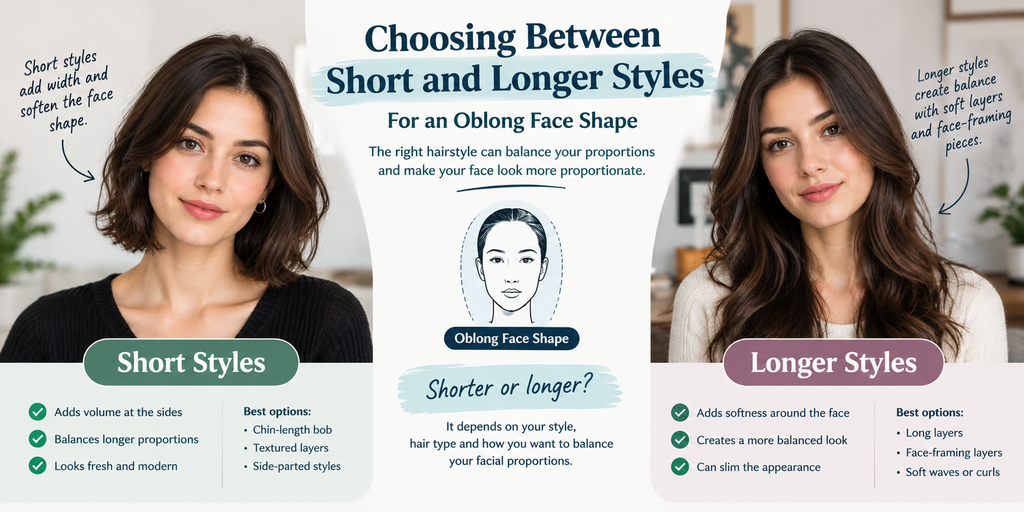
Men with oblong faces are not limited to one hair length. Short cuts can look clean and practical, while medium and longer styles provide more opportunities to add movement around the forehead and sides.
If you prefer low maintenance, an Ivy League, moderate fade, textured crop, Caesar cut, or controlled short cut may be easier to manage. If you enjoy styling your hair, a longer side part, layered look, bro flow, or carefully shaped quiff can give you more options.
The most important factor is how the haircut distributes volume. Instead of automatically choosing the shortest possible sides or the tallest possible top, think about creating a shape that complements your natural proportions.
What Haircuts Should Men With Oblong Faces Avoid?
There are no hairstyles that every man with an oblong face must completely avoid. However, some combinations can emphasize facial length more strongly.
For example, extremely high fades paired with a very tall top can create a narrow, vertically stretched silhouette. Similarly, styles that push most of the hair straight upward may emphasize the length of the face.
That does not mean you cannot wear these styles. If you like a high-volume haircut, you can ask your barber to reduce the height or add more width to the overall shape. Small adjustments can make a noticeable difference.
The same applies to very tight sides. If the sides are clipped extremely close while the top remains long and tall, the contrast may make the face appear longer. A moderate fade or slightly fuller sides can create a softer transition.
How Hair Texture Changes the Best Choice
Hair texture can have just as much influence as face shape. Straight hair may naturally fall flat, while wavy and curly hair can create width and movement without much styling.
Thick hair often gives you enough natural volume to experiment with side parts, textured crops, and medium-length styles. Fine hair may benefit from lightweight products and carefully placed texture rather than heavy styling products that flatten it.
Curly hair can be especially versatile because the natural pattern creates visual volume around the head. Instead of fighting your texture, consider choosing a haircut that allows the curls to form their natural shape.
A good barber can adjust the haircut according to density, texture, growth direction, and the amount of maintenance you are willing to handle.
Is an Oblong Face Shape Good?
An oblong face shape offers plenty of flexibility because many classic and contemporary hairstyles can be adjusted to suit it. There is no single haircut that you have to wear simply because of your face shape.
The useful part of knowing your face shape is understanding proportion. If your face is naturally longer, you can experiment with styles that add movement or width rather than relying entirely on height.
Your hair texture also matters. Straight, wavy, curly, thick, and fine hair will all behave differently in the same haircut. A skilled barber can adjust the length and layering to work with your natural texture instead of trying to make your hair behave like someone else’s.
Ultimately, confidence and comfort matter more than following a rigid face-shape rule. Use the oblong category as a starting point, then adapt the haircut to your own features and lifestyle.
More Haircuts for an Oblong Face Shape
11. Crew Cut
The crew cut is a practical choice for men who prefer short hair without going as close as a buzz cut. The top usually stays slightly longer than the sides, creating enough difference to give the haircut shape.
For an oblong face, ask your barber to avoid making the sides extremely narrow. A little additional fullness around the sides can create a more balanced outline.
The top can be styled forward, slightly to the side, or left natural. Because the cut is relatively short, it requires little daily styling and can work well for an active lifestyle.
12. Slick Back
A slick back creates a clean, backward direction across the top. It can look especially polished when the hair has enough length to lie smoothly rather than standing upward.
For an oblong face, keep the shape relatively flat and controlled instead of creating a tall pompadour-like lift. The sides can remain moderately full or be tapered gradually.
A small amount of styling cream can provide a natural finish, while a stronger pomade can create a more traditional slick appearance. Avoid using excessive product, especially if your hair is fine, because buildup can make the hairstyle look heavy.
13. Faux Hawk
The faux hawk gives a modern, textured appearance without requiring the dramatic shaved sides of a traditional mohawk. The hair toward the center is styled upward and slightly toward the middle.
For an oblong face, the best approach is usually a moderate version rather than extreme height. Keeping some texture and width around the sides can prevent the haircut from becoming too vertically focused.
This style works particularly well with naturally textured or thick hair. A matte paste or clay can separate the strands and provide flexible hold.
14. Modern Spikes
Modern spikes are much softer than the heavily gelled styles associated with older versions of the haircut. Instead of making every strand point sharply upward, the hair can be separated into irregular sections for a more relaxed finish.
For an oblong face, keep the spikes relatively low and concentrate on texture rather than height. The front can be pushed slightly forward or outward to create a broader shape.
A matte styling product is often useful because it provides separation without making the hair look overly shiny. Use a small amount first and add more only if necessary.
15. Brush Up
The brush-up is a versatile style that sits between a casual textured haircut and a more polished quiff. The hair is lifted away from the forehead and directed slightly backward, creating movement through the top.
Because excessive height can emphasize facial length, keep the lift controlled if you have an oblong face. A wider, softer brush-up can give the haircut character without making the top look too tall.
This style is easy to customize. Straight hair can be given texture with a matte product, while naturally wavy hair can be allowed to keep some of its movement rather than being completely straightened.
How to Make These Haircuts Work With Your Hair Type
A haircut that looks excellent in a photograph may behave differently on your own head. Your natural texture, density, and growth pattern all influence the final result.
Straight Hair
Straight hair makes it easier to create clean lines and controlled shapes. Side parts, Ivy League cuts, slick backs, and moderate brush-ups can work particularly well.
If your hair is very straight and fine, avoid loading it with heavy products. Lightweight creams or volumizing products may help maintain movement without flattening the hair.
Wavy Hair
Wavy hair naturally adds texture and width, which can be useful when creating a balanced hairstyle for an oblong face. A side part, textured quiff, layered cut, or relaxed brush-up can allow the waves to become part of the design.
Rather than brushing the waves completely flat, use your fingers to guide them. A lightweight styling cream can provide definition while maintaining natural movement.
Curly Hair
Curly hair can create substantial volume without requiring extreme styling. A short textured cut or medium-length shape can allow the curls to frame the face naturally.
The barber should consider how much the curls shrink when dry. Cutting curly hair based only on its wet length can produce an unexpected result once the curls return to their natural pattern.
Thick Hair
Thick hair gives you plenty of material to work with, but too much bulk in the wrong areas can make a haircut difficult to manage. Layering or selective thinning may help distribute the weight.
A side part, textured crop, controlled quiff, or brush-up can all be adapted to thick hair. Your barber can determine where removing weight will improve the shape without making the hair look excessively thin.
Fine Hair
Fine hair can benefit from cuts that create the appearance of texture and movement. Extremely long, heavy styles may make fine hair appear flatter.
A shorter Ivy League, textured side part, crew cut, or brush-up can provide a practical shape. Styling products should generally be used sparingly so they do not weigh the hair down.
How to Talk to Your Barber
Taking a reference image is helpful, but don’t rely on the photograph alone. Explain what you actually like about the haircut. For example, you might like the length on top but want shorter sides, or you may prefer the texture while keeping the overall shape more conservative.
Tell your barber that you have an oblong face if you are specifically trying to balance facial proportions. You can ask them whether the sides should retain more weight or whether the top needs less height.
Your natural hair texture should also be part of the conversation. Mention whether your hair is straight, wavy, curly, thick, or fine. If your hair has a strong growth pattern, cowlick, or area that naturally sticks up, point it out before the cutting begins.
It is also useful to explain how much time you want to spend styling. A haircut that requires twenty minutes every morning may not be practical if you normally spend only a few minutes on your hair.
Styling Tips for a Balanced Look
The way you style your haircut can change its proportions almost as much as the haircut itself. For an oblong face, avoid automatically pushing all your hair upward.
Instead, experiment with sideways movement, moderate volume, and texture. A side part can move the eye horizontally, while a textured top can prevent the haircut from looking too narrow.
If your hair is naturally flat, use a small amount of lightweight product and dry the roots in the direction you want them to sit. If your hair is naturally thick or wavy, avoid excessive product and allow some of its natural texture to remain visible.
A good rule is to start with less product than you think you need. You can always add a little more, but removing too much styling product usually means washing and starting again.
Haircuts to Approach With More Control
Having an oblong face does not mean certain haircuts are completely forbidden. However, some styles may emphasize facial length if they are worn with extreme proportions.
Very tall pompadours, extremely high fades combined with large amounts of top volume, and hairstyles that pull all the hair tightly upward can create a strongly vertical silhouette.
That does not mean you cannot wear these styles. The solution may simply be to modify them. A lower pompadour, moderate fade, softer quiff, or wider brush-up can retain the character of the original haircut while creating a different overall proportion.
Final Thoughts
An oblong face shape gives you plenty of room to experiment with men’s hairstyles. The goal is not to hide the natural length of your face but to choose a haircut that creates proportions you enjoy.
Classic side parts, crew cuts, Ivy League styles, textured brush-ups, slick backs, faux hawks, and modern spikes can all be adjusted according to your hair type and preferred level of maintenance.
When choosing your next haircut, think about the complete shape rather than one isolated feature. Consider the relationship between the top, sides, forehead, and overall length. Then explain those preferences clearly to your barber.
Most importantly, treat face-shape advice as a guide rather than a strict set of rules. The best haircut is one that fits your natural hair, your routine, and the way you want to present yourself.