Designer sunglasses are often treated as a finishing touch, but the right pair can do much more than complete an outfit. They can change the balance of your features, bring structure to a simple look and become one of the few accessories you reach for almost every day. Yet a famous logo or a high price does not automatically make sunglasses a good choice. The real difference is usually found in details that are easy to overlook: frame proportions, lens quality, comfort, construction and how naturally the design fits into your life.
That is what makes choosing designer sunglasses interesting. Two pairs may look equally stylish in a product photograph, but feel completely different when worn for a full afternoon. One may sit securely without pressure, while the other keeps sliding down your nose. One may suit several outfits, while another only works with a very specific look. Before choosing a pair, it helps to look beyond the label and understand what actually makes the design special.
Why Some Designer Sunglasses Look Instantly Right
Have you ever noticed how certain sunglasses seem to pull an entire outfit together, even when the rest of the clothing is simple? That effect is rarely accidental. The frame creates a visual outline around the eyes, and its shape can influence how balanced or bold the face appears. A carefully chosen pair can add definition, soften sharper features or introduce a little drama without requiring any other statement accessory.
Designer collections often explore recognisable shapes and signature details, but the most wearable pair is not necessarily the one with the most obvious branding. Consider the width of the frame in relation to your face, the position of the bridge and the way the temples sit near your ears. Small differences in proportion can change the whole impression. A frame that is too wide may overwhelm your features; one that is too narrow can look squeezed and feel uncomfortable.
Think about the role you want your sunglasses to play. If they are meant to become an everyday staple, a balanced silhouette in a versatile colour may be more useful than an unusually dramatic design. If you already own a practical pair, a more distinctive shape can bring something new to your wardrobe. The best choice is the one that feels intentional rather than simply expensive.
5 Designer Sunglasses Styles to Consider
Instead of choosing a pair only because it is trending, start with the impression you want to create. These five style directions offer a useful way to compare designs. Add your selected product links to the marked spaces once you have chosen the exact items.
1. Classic Frames That Never Feel Overdone
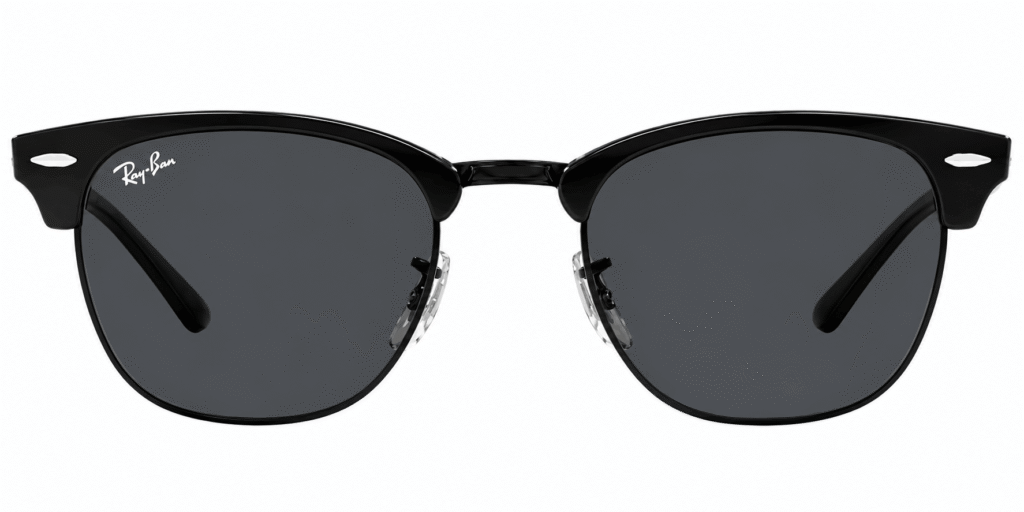
Classic sunglasses are appealing because they do not depend on a short-lived trend. Clean lines, balanced proportions and familiar silhouettes make them easy to wear with casual outfits, tailored clothing and travel looks. They are often a sensible starting point if you want one dependable pair rather than a collection of accessories.
Look closely at the frame thickness and lens size. A classic design can still feel distinctive through a subtle curve, a refined bridge or a carefully chosen finish. Choose a colour that works with the clothes and accessories you wear most often.
2. Oversized Frames for a More Confident Look
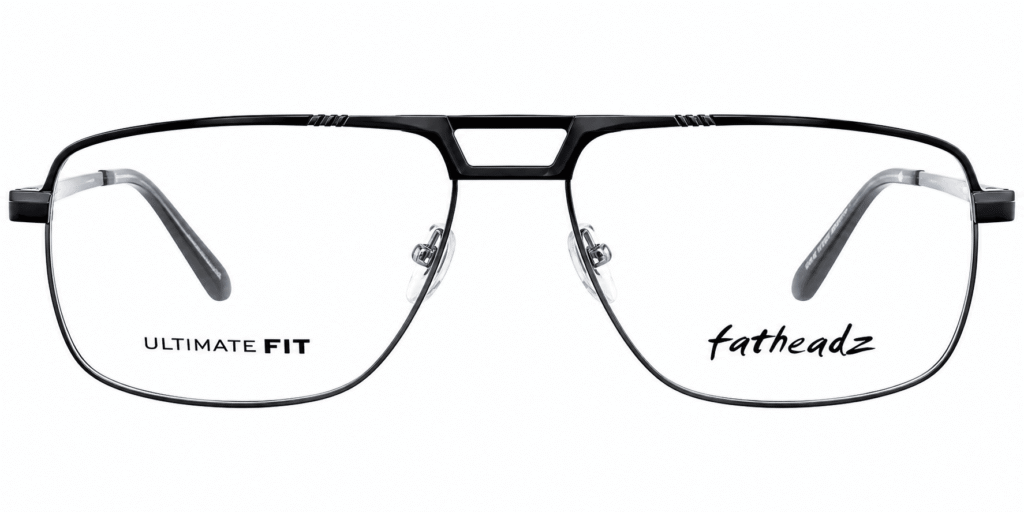
Oversized sunglasses make their presence known. Their larger lenses and broader frames can create a glamorous, fashion-led appearance, especially when paired with simple clothing. They can be a strong option when you want your eyewear to act as the main accessory rather than quietly blend into an outfit.
Size still matters. Oversized should not mean unstable or uncomfortable. Check that the frame does not press against your cheeks when you smile, and make sure the temples feel secure without squeezing. A dramatic design works best when it fits properly.
3. Cat-Eye Designs with a Distinctive Edge
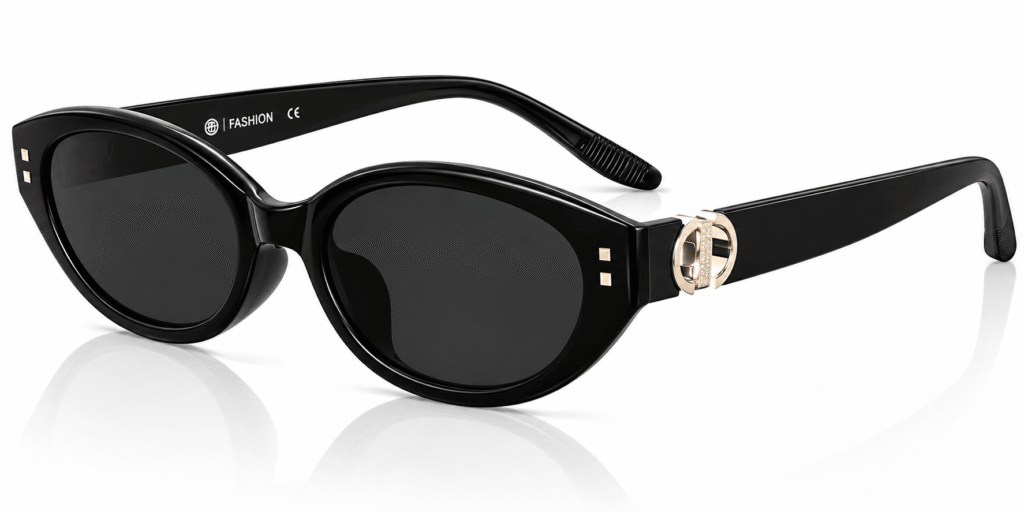
Cat-eye sunglasses bring a lifted shape to the outer corners of the frame. Depending on the angle and thickness, they can look subtle and polished or bold and playful. This style is worth considering if you want something more expressive than a basic rounded or rectangular frame.
Try different levels of lift rather than assuming every cat-eye design will suit you in the same way. A gentle upsweep may be easier to wear daily, while a sharper point creates a stronger statement. The frame should feel balanced from the front and comfortable from the side.
4. Aviator Frames with a Relaxed, Timeless Feel
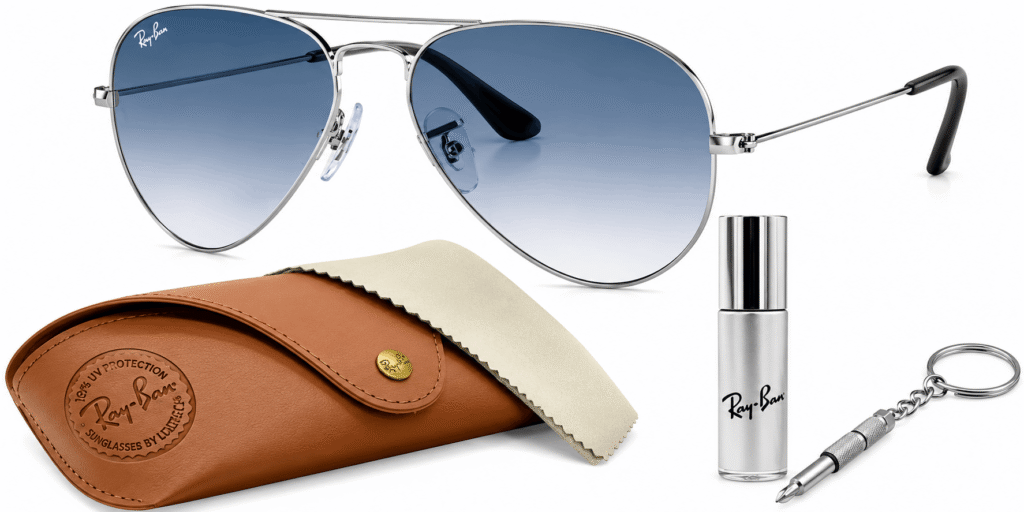
Aviator-inspired sunglasses have moved far beyond their original associations and are now a familiar part of everyday style. Their characteristic shape can add a relaxed, slightly vintage feel to an outfit. Different lens sizes, bridge designs and frame finishes make this category more varied than it first appears.
Pay attention to the bridge and lower edge of the lenses. These details affect how the sunglasses sit and how much of your face they cover. If you prefer a softer look, compare lighter metal finishes or less angular lens shapes.
5. Modern Minimal Frames for Everyday Versatility
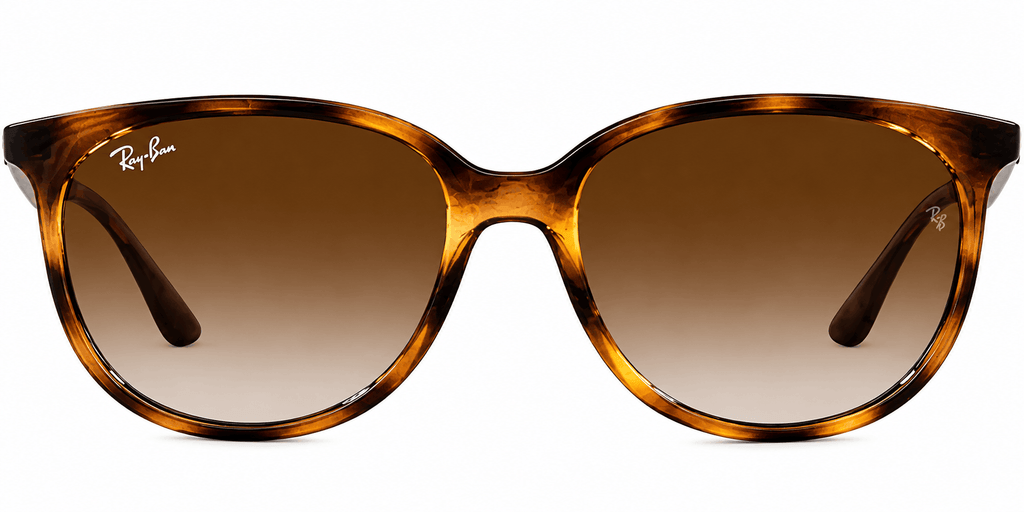
Minimal frames are designed to make an impression through proportion rather than decoration. They may feature slim temples, restrained branding or a simple geometric outline. This can make them particularly useful when you want sunglasses that work across different settings without competing with the rest of your outfit.
Do not confuse minimal design with flimsy construction. Check the hinges, frame alignment and overall feel. A clean design should still feel secure and well finished. Neutral shades can be versatile, while a less expected lens or frame colour can add personality.
What Should You Check Before Buying?
The most convincing product photograph cannot tell you everything about a pair of sunglasses. Before buying, look for clear information about the frame material, lens specifications, measurements, care instructions and seller. These details help you judge whether the pair is likely to suit your needs, not just whether it looks attractive on a screen.
Lens protection comes before the logo
One of the most important details is ultraviolet protection. Look for sunglasses clearly labelled as offering 100% UVA and UVB protection or UV400 protection, and check the product information rather than relying on lens darkness. Darker lenses do not automatically provide better UV protection. If the listing does not explain the protection offered, do not assume it is adequate simply because the product is expensive or carries a designer name.
Fit is part of the design
A good fit should feel comfortable after more than a quick try-on. The frame should sit securely without pinching your temples, slipping repeatedly or resting heavily on your cheeks. The bridge should feel stable, and the lenses should be positioned naturally in front of your eyes. If measurements are provided, compare the lens width, bridge width and temple length with a pair you already find comfortable.
Materials and construction tell their own story
Frame materials influence weight, flexibility, appearance and care. Acetate frames can offer rich colours and a substantial feel, while metal frames often create a lighter, more delicate look. Other materials may offer their own balance of flexibility and durability. No single material is automatically best; the quality of the construction and the way the frame suits your routine matter just as much.
Inspect product photographs for even finishing, aligned lenses, clean edges and hinges that appear properly fitted. For online purchases, check the return policy and whether the seller is authorised or otherwise reputable. Authenticity is especially important with designer goods: unusually low prices, vague descriptions, missing packaging details or unclear seller information should encourage caution.
How to Choose a Pair That Fits Your Face and Your Life
Face-shape guides can be a useful starting point, but they should not become strict rules. The same frame can look different depending on its size, colour and proportions. Rather than trying to match your face to a label, compare the overall outline of the frame with your features. If your face has softer curves, a more structured frame may add contrast. If your features are angular, rounded or gently curved frames may create a different balance. These are styling ideas, not rules you have to follow.
Your routine matters just as much. Someone who spends a lot of time outdoors may prioritise secure fit, reliable UV protection and practical lens performance. Someone choosing sunglasses mainly as a fashion accessory may place more emphasis on silhouette and colour, while still needing proper protection. If you travel often, consider a pair that comes with a protective case and is easy to store safely.
Colour is another decision worth making deliberately. Black, brown, tortoiseshell and neutral metal finishes can be easy to coordinate, but they are not the only options. Transparent frames, warm-toned lenses and distinctive colours can make a pair feel more personal. Think about whether you want your sunglasses to disappear into your everyday wardrobe or become the detail people notice first.
Common Mistakes That Can Make an Expensive Pair Feel Wrong
The first mistake is buying only for the brand name. A recognisable label may be appealing, but it cannot guarantee that the frame suits your face or feels comfortable. Another mistake is choosing a trend without considering how often you will wear it. A highly distinctive pair can be fun, but if it only works with one outfit, it may spend more time in its case than on your face.
It is also easy to overlook lens protection, fit and authenticity when product images look impressive. Do not assume that a dark tint means strong UV protection, that a high price guarantees comfort, or that a familiar logo proves a product is genuine. Read the specifications, review the seller and check the return terms before placing an order.
Finally, avoid treating sunglasses as indestructible. Leaving them loose in a bag, placing them lens-down on a surface or exposing them to excessive heat can damage frames and coatings. A protective case and a suitable cleaning cloth are simple habits that help preserve their appearance.
Keeping Designer Sunglasses Looking Their Best
Care does not need to be complicated, but consistency makes a difference. Use a clean microfibre cloth and a lens-safe cleaning solution when needed. Avoid wiping lenses with clothing, tissues or rough materials, as these can leave marks or cause scratches. If the lenses have dust or grit on them, rinse them gently with clean water before wiping so particles are less likely to drag across the surface.
Store your sunglasses in a protective case when you are not wearing them. Keep them away from dashboards, radiators and other places where heat can build up. When taking them off, use both hands where practical; repeatedly pulling from one side can put uneven pressure on the hinges. If the frame becomes loose or misaligned, have it adjusted by a suitable eyewear professional rather than forcing it back into shape.
The Pair You Keep Reaching For Is the One That Matters
Designer sunglasses can be a memorable style purchase, but their value is not measured by the logo alone. The right pair combines a shape you enjoy wearing with comfortable proportions, dependable lens protection and construction that suits regular use. It should make sense with your wardrobe and feel natural in the situations where you plan to wear it.
Before making a final choice, compare a few styles, check the specifications and look carefully at the seller. A classic frame may become your everyday favourite; a bold oversized design may be the piece that transforms a simple outfit. Either can be the right choice when it fits well and meets your practical needs. The best designer sunglasses are not simply the pair that attracts attention in a photograph. They are the pair that still feels right long after the first impression.
Designer sunglasses often feature distinctive designs, carefully selected materials and detailed finishing. However, quality, comfort and lens protection should matter more than the brand name alone.
They can be worth buying if they offer a comfortable fit, suitable UV protection, durable construction and a design you genuinely enjoy wearing. A higher price does not automatically guarantee better quality.
Consider frame width, lens shape, bridge position and overall proportions. Try different styles to see which ones complement your features and feel comfortable.